Winnowing
Vietnam Elders Winnowing in Duong Lam village: Master timeless light, compelling subjects, and cultural moments for exquisite photography storytelling.
Elders Winnowing in Duong Lam village in Ha Noi, Vietnam: Photography Guide
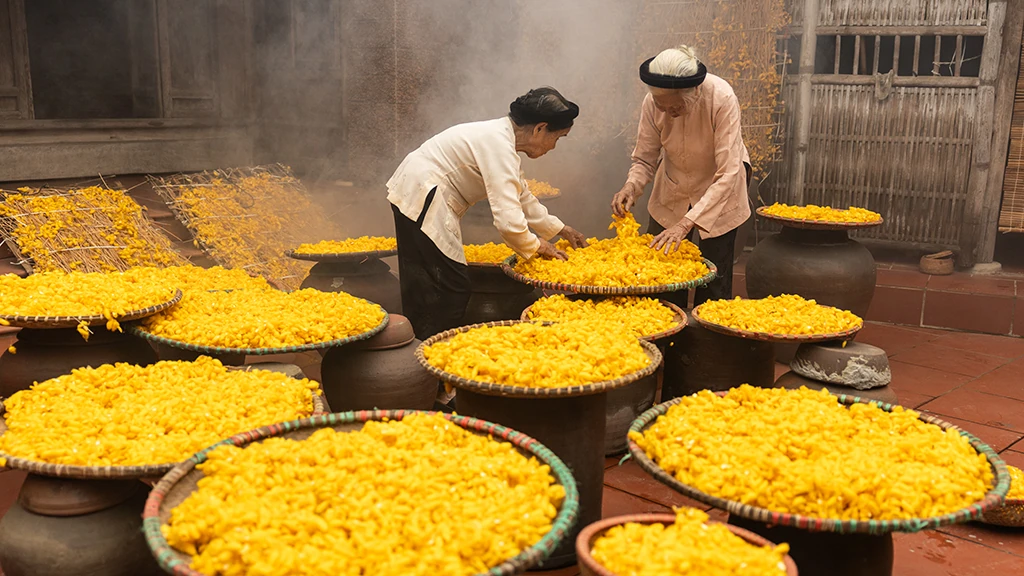
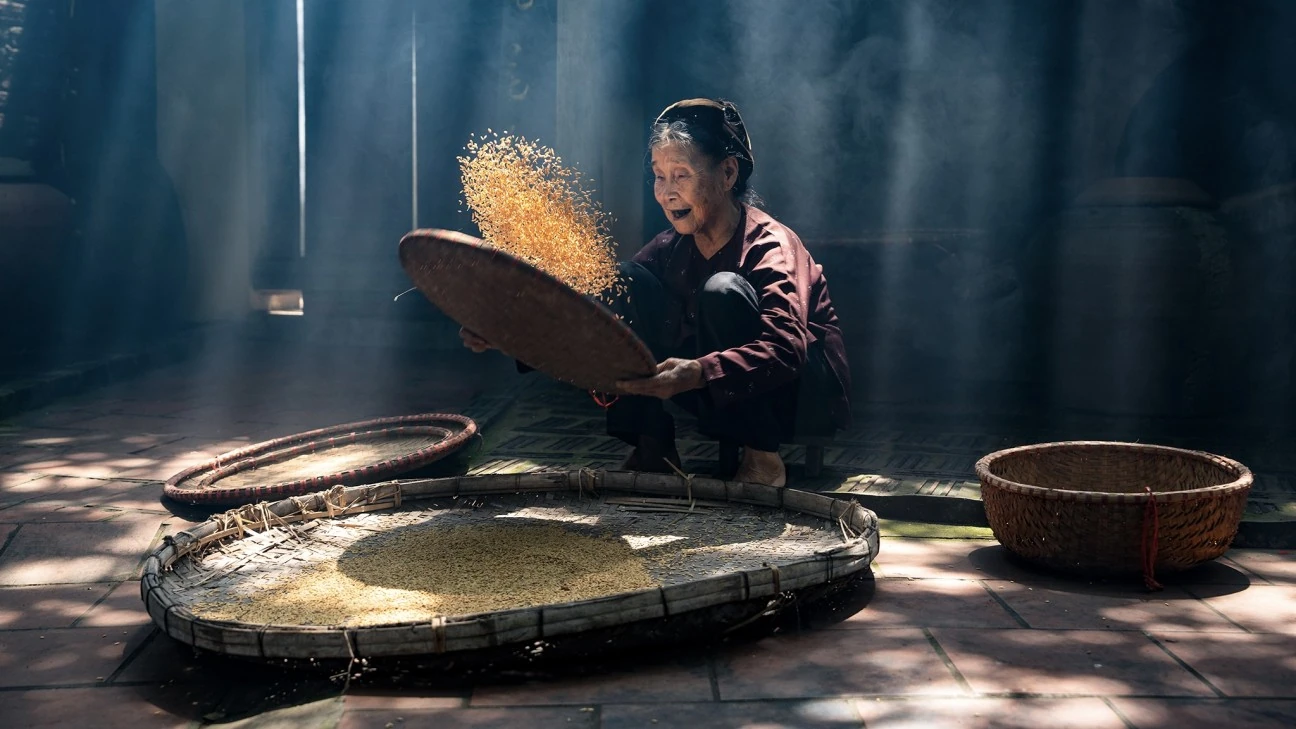
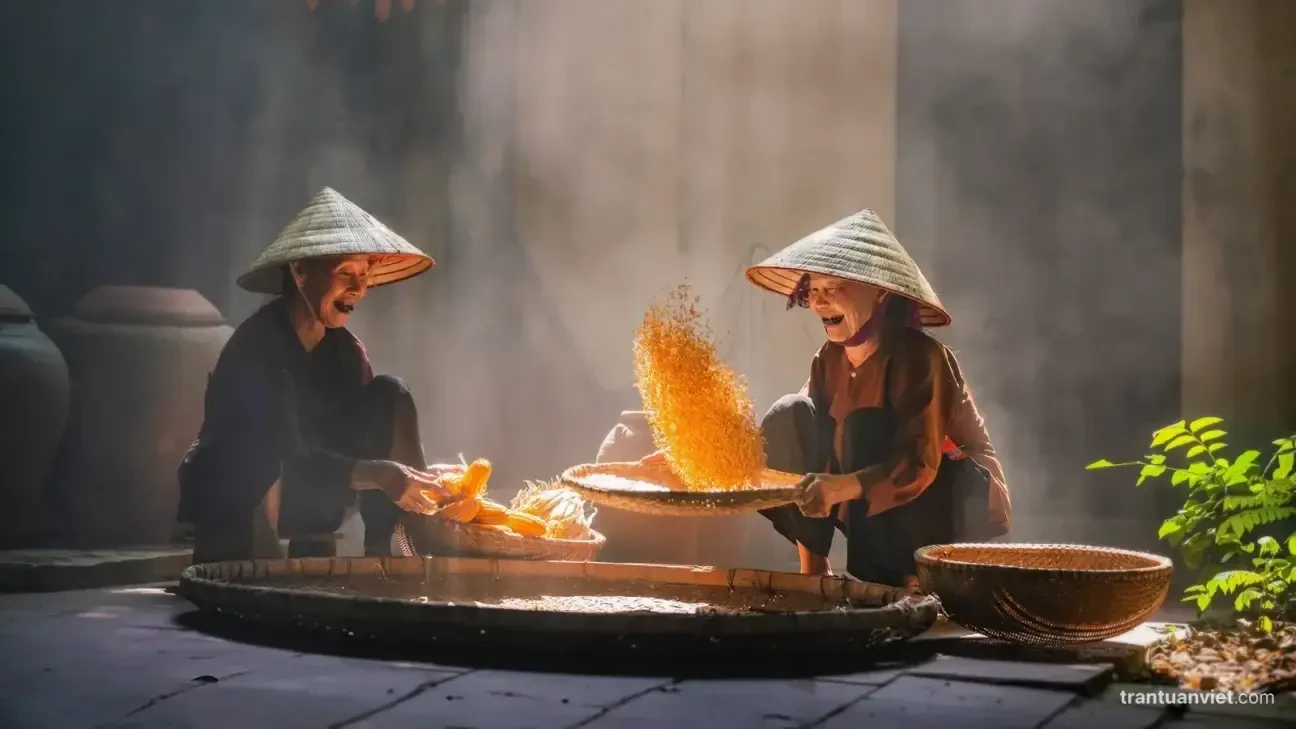
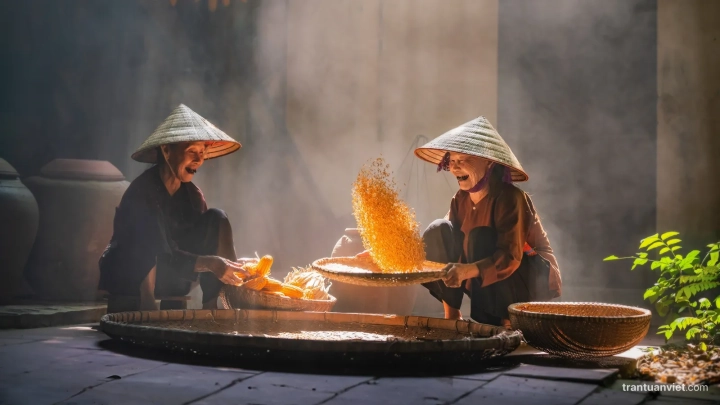
The ancient village of Duong Lam, nestled in the outskirts of Ha Noi, offers photographers a timeless glimpse into rural Vietnamese life. Among its most evocative scenes is Elders Winnowing in Duong Lam village. This traditional agricultural practice, where older villagers expertly separate grain from chaff using large bamboo sieves, presents a unique opportunity for capturing portraits, cultural narratives, and even conceptual interpretations of heritage and labor. While the scene is accessible year-round, the quality of light and atmospheric conditions can subtly shift, offering different moods and photographic possibilities across the seasons.
Ha Noi: Capturing the Essence of Elders Winnowing in Duong Lam village
Photographing Elders Winnowing in Duong Lam village is more than just documenting a task; it's about connecting with the enduring spirit of Vietnamese traditions. The location itself, with its distinctive laterite brick houses and peaceful ambiance, provides a rich backdrop. Experienced photographers in Vietnam suggest that patience and a respectful approach are paramount. Understanding the rhythm of the day and the villagers' routines will unlock the best moments. For those looking to immerse themselves fully in such unique cultural experiences with expert guidance, joining a curated tour with Vietnam Photo Tours is highly recommended.
Mastering Portraiture of Elders Winnowing in Duong Lam village
The faces of the elders tell stories of a life lived in harmony with the land. When photographing individuals engaged in the winnowing process, aim to capture their expressions of focus, concentration, and perhaps quiet contentment. Utilize a telephoto lens to isolate subjects from their surroundings, allowing their features and the textures of their hands and clothing to become prominent. Shallow depth of field is your ally here, blurring the background and drawing the viewer's eye directly to the subject's face. Look for the subtle gestures – the curve of a wrist, the furrow of a brow, the glint in an eye. According to Tran Tuan Viet, the best approach for this scene is to build rapport before pressing the shutter; a friendly smile and a few words in Vietnamese, even if basic, can make a significant difference in gaining natural poses. Viet’s suggestion for capturing this scene involves being unobtrusive while still being close enough to feel the intimacy of the moment. Avoid intrusive flash; rely on the available light to maintain authenticity.
Cultural Documentation and Storytelling
The act of winnowing is a window into the agricultural heart of Vietnam. To effectively document this cultural practice, consider the wider context. Wide-angle lenses can be effective in establishing shots that show the elders working within the village setting, highlighting the relationship between people and their environment. Look for patterns in the falling grain, the movement of the sieves, and the interaction between different generations if present. Capturing the full spectrum of the process, from the gathering of the harvested grain to the final sifting, will create a more comprehensive narrative. From Viet's experience, always seek out the moments of shared effort or quiet camaraderie that often accompany such communal tasks. These are the details that elevate a photograph from a mere record to a compelling story.
Lighting and Atmospheric Conditions for Elders Winnowing in Duong Lam village
The quality of light dramatically impacts the mood of your photographs of Elders Winnowing in Duong Lam village. The early morning offers soft, diffused light that is excellent for portraits and can create a serene atmosphere. As the sun climbs higher, it becomes harsher, presenting challenges such as high contrast and potentially blown-out highlights. However, this midday light can also be used creatively, especially when shooting into the sun to create dramatic silhouettes or to emphasize the texture of the airborne chaff. The late afternoon, leading into the golden hour, is often ideal. The warm, directional light sculpts faces beautifully and adds a magical glow to the scene, making the dust motes dance in the air. Experienced photographers in Vietnam suggest that shooting during the 'blue hour' after sunset, while less common for this specific activity, can offer a more conceptual and ethereal interpretation, emphasizing the silhouettes against a darkening sky.
Creative Conceptual Approaches to Elders Winnowing in Duong Lam village
Beyond traditional documentary and portraiture, Elders Winnowing in Duong Lam village lends itself to more conceptual interpretations. Think about themes of time, legacy, and the continuity of tradition. You might focus on abstract details – the repetitive motion of the sieve, the texture of the grain, the patterns formed by falling chaff. Experiment with different camera angles and perspectives to challenge the viewer's perception. Shooting from a very low angle might emphasize the act of sifting against the sky, while a high vantage point could reveal the communal effort. Tran Tuan Viet recommends using techniques like intentional camera movement (ICM) during the winnowing process to create abstract impressions that convey the essence of the action rather than a literal depiction. This approach can add a unique artistic dimension to your portfolio.
Technical Considerations and Equipment
When photographing Elders Winnowing in Duong Lam village, managing the dust generated by the winnowing process is crucial. Keep your camera and lenses protected. A blower brush and lens wipes are essential for cleaning. For capturing details and portraits, a prime lens in the 50mm to 85mm range is excellent for its sharpness and ability to create pleasing bokeh. If you're aiming for wider environmental shots, a 24mm or 35mm lens can work well. For those wanting to isolate details or capture action from a distance, a 70-200mm telephoto zoom is invaluable. Shooting in RAW format is strongly advised to maximize your ability to recover details in both the highlights and shadows, especially given the often narrow dynamic range of outdoor scenes in Vietnam. When dealing with dust and bright sunlight, be mindful of your shutter speed to freeze motion and your aperture to control depth of field. Viet’s experience highlights the importance of a reliable camera strap to prevent accidental drops, especially when maneuvering in active environments.
Optimal Timing and Seasonal Insights for Elders Winnowing in Duong Lam village
As mentioned, Elders Winnowing in Duong Lam village can be photographed year-round. However, the intensity of the harvest and the availability of grain for winnowing might influence the frequency of the practice. Generally, the period following major harvests will offer more opportunities. The dry season, typically from November to April, provides clearer skies and more predictable weather, making it easier to plan your visit. The rainy season, from May to October, can bring dramatic skies and a unique atmosphere, but also requires flexibility due to potential downpours. Regardless of the season, early morning and late afternoon are consistently the best times for soft, flattering light. Understanding these nuances will help you plan your trip for the most rewarding photographic experiences.
To truly master the art of capturing scenes like Elders Winnowing in Duong Lam village, consider joining Vietnam Photo Tours for a guided photography experience designed to help photographers capture stunning images at this iconic location. Our expert guides will lead you to the best vantage points, share local insights, and provide technical guidance tailored to the unique conditions of Vietnam, ensuring you return with truly compelling images.
More Scenes

Ao Dai Model

Blue Net
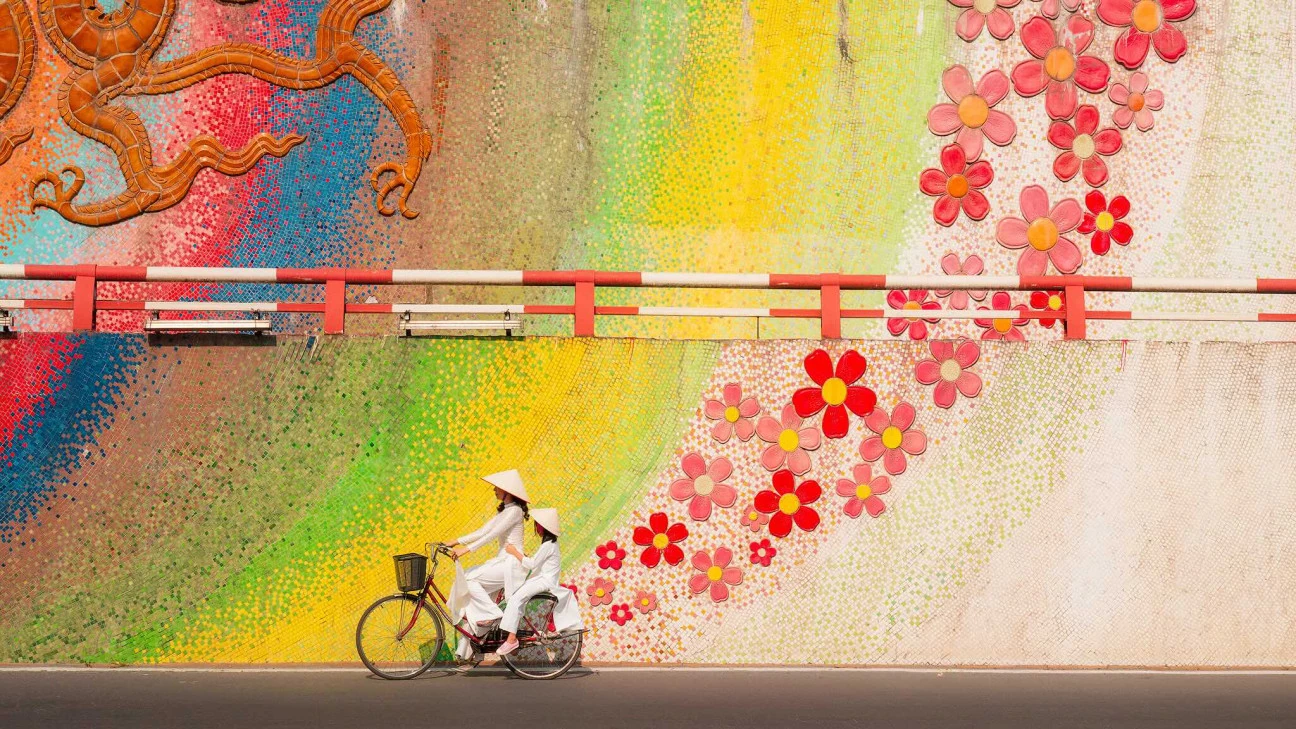
Ceramic Road
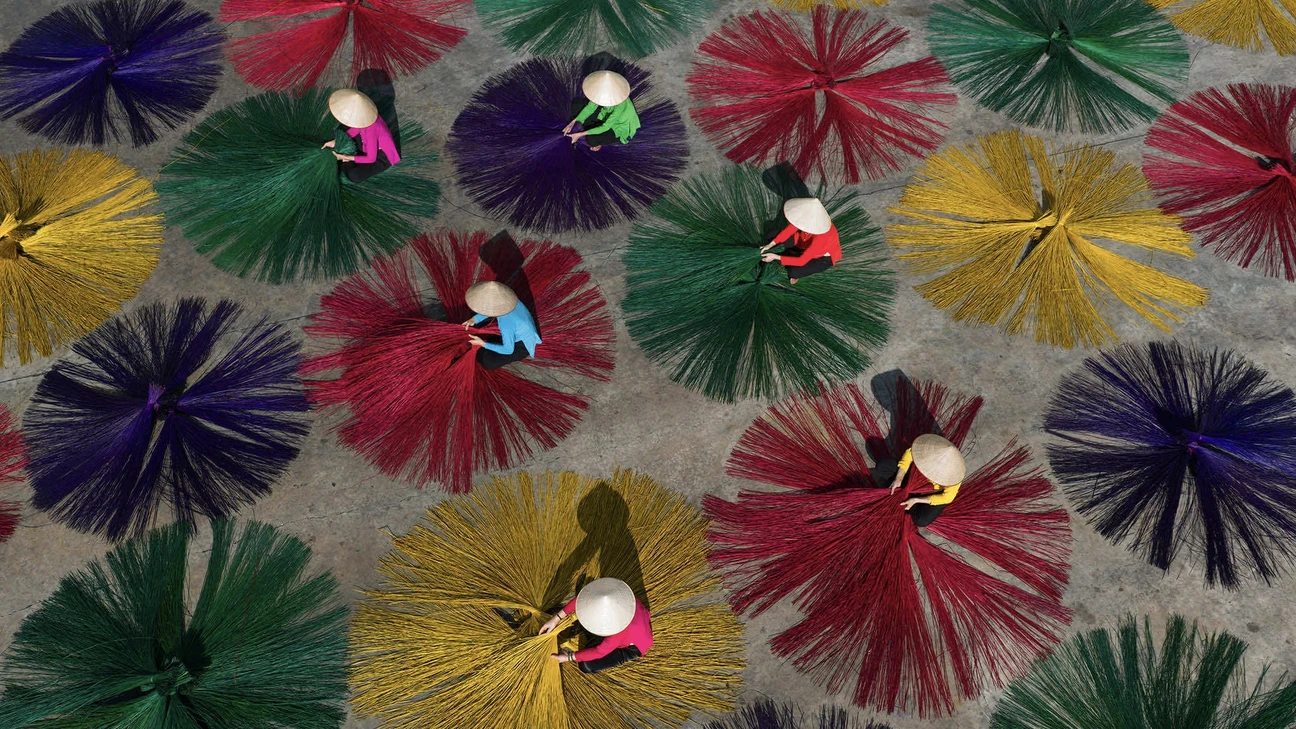
Colorful Sedge
Similar Photography Genre