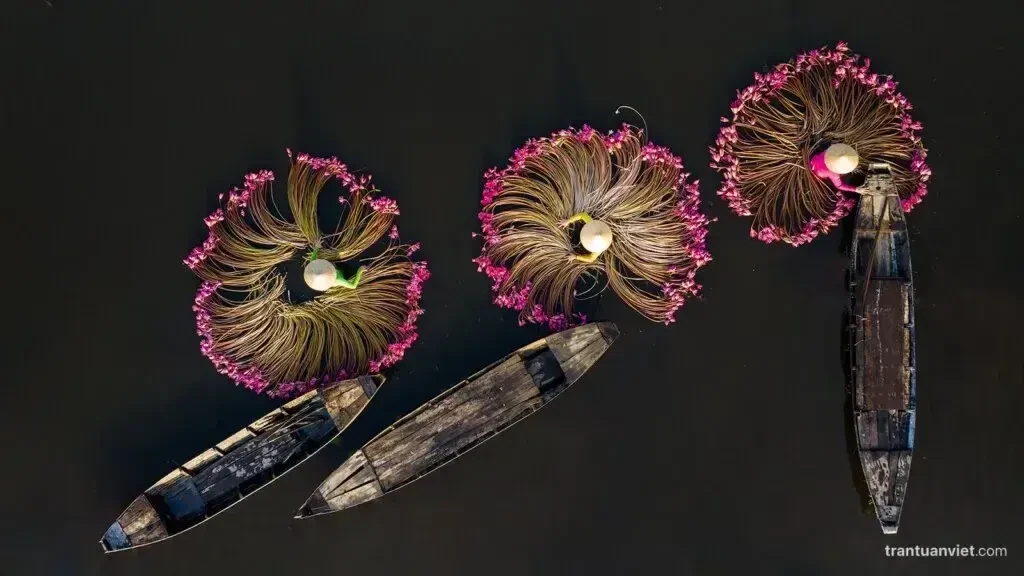

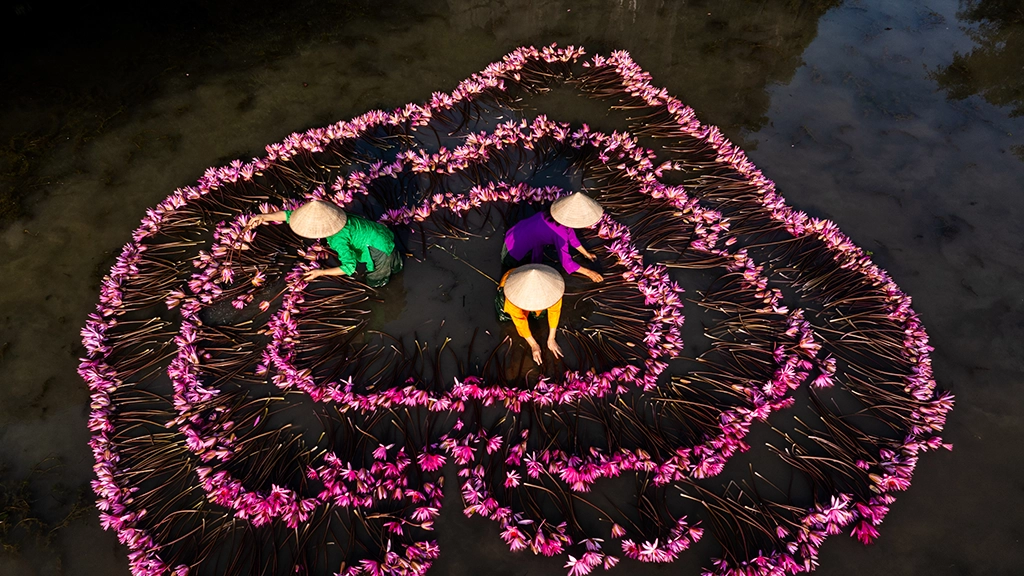
Water Lily
Discover Vietnam Waterlily: Master evocative lighting, perfect timing, and frame breathtaking compositions for stunning visual storytelling.
Waterlily in Ha Noi, Vietnam: Photography Guide
Vietnam's landscapes offer an endless tapestry of visual opportunities, and among its most serene and photogenic subjects is the humble Waterlily. Ha Noi, with its numerous lakes and ponds, provides a particularly picturesque backdrop for capturing this aquatic bloom. From the vibrant hues to the delicate textures, the Waterlily presents a compelling subject for photographers of all genres, from cultural and travel to conceptual and even drone photography. This guide delves into how to harness the unique charm of Ha Noid to create truly compelling images of the Waterlily.
Photography Techniques for Waterlily in Hanoi
Ha Noi itself imbues the Waterlily with a sense of place. Imagine a quiet morning on West Lake, the surface disturbed only by the gentle ripple of a passing sampan, with Waterlilies unfurling their petals towards the nascent sunlight. This scene speaks volumes about the tranquil side of Vietnamese life. To truly capture this essence, photographers must be observant and patient, ready to seize fleeting moments of beauty. The interplay of light, water, and the natural symmetry of the Waterlily is a constant source of photographic inspiration.
Compositional Strategies for Waterlily Photography
When photographing Waterlilies, composition is paramount. Often, the most striking images come from focusing on a single bloom or a small cluster, allowing its form to dominate the frame. Experienced photographers in Vietnam suggest utilizing the rule of thirds, placing the Waterlily off-center to create a more dynamic and engaging image. Consider the reflections in the water; they can add a surreal and beautiful dimension to your photographs. Vietnam Photo Tours often emphasizes the importance of finding unique perspectives. This might mean getting low to the water's surface to emphasize the lily's connection to its environment, or perhaps using a longer lens to compress the scene and isolate your subject. Tran Tuan Viet, a renowned Vietnamese photographer, often talks about the importance of simplifying the scene to let the subject shine. Viet recommends looking for the negative space around the Waterlily; it’s as important as the subject itself for creating visual harmony.
Exploring Different Angles and Perspectives
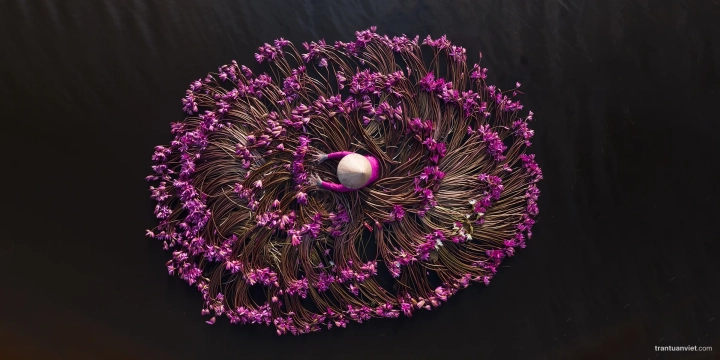
Don't be afraid to experiment with different camera heights and angles. Shooting from above can highlight the geometric patterns of the lily pads and the distribution of the blooms. Conversely, shooting from water level can give the viewer a sense of being immersed in the pond, experiencing the Waterlily from its own perspective. For travel photographers, capturing the Waterlily in context with its surroundings—perhaps a nearby pagoda or a glimpse of local life—adds a layer of narrative. Conceptual photographers might play with abstraction, focusing on details, textures, and the interplay of light and shadow to evoke emotion rather than simply document the flower.
Lighting and Atmosphere for Waterlily
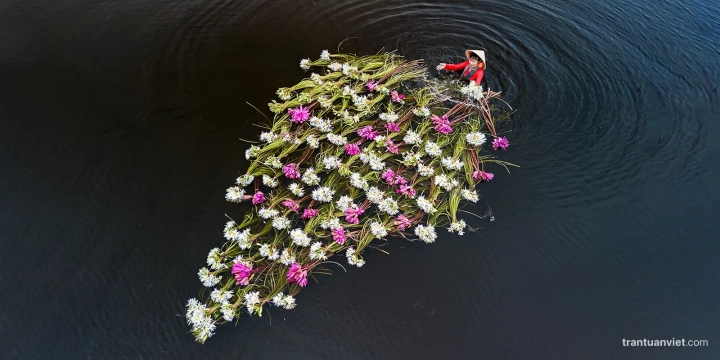
The quality of light significantly impacts the mood and appearance of Waterlily photographs. The golden hour, shortly after sunrise and before sunset, offers soft, warm light that can make the petals glow and enhance their colors. Overcast days can provide a more diffused light, which is excellent for capturing subtle details and avoiding harsh shadows, particularly beneficial for showcasing the delicate textures. For conceptual work, dramatic, directional light can create strong contrasts and a more artistic interpretation. Viet's advice on light is particularly valuable here; Tran Tuan Viet suggests that understanding how light interacts with water is key to unlocking the full potential of Waterlily photography. He often advocates for shooting during times of day when the light is soft and indirect, which helps reveal the flower's intricate details without blowing out highlights or losing shadow information.
Capturing Waterlily in Different Light Conditions
Early morning light in Ha Noi's ponds is often soft and ethereal, perfect for capturing the dewdrops on the petals and leaves. This time of day also presents fewer distractions and a more peaceful atmosphere. Midday sun can be harsh, creating strong shadows and potentially washing out colors. However, it can also be used creatively for high-contrast, graphic images if the photographer is mindful of exposure. As the day progresses, the changing angle of the sun can cast interesting patterns on the water's surface, which can be incorporated into the composition. The key is to observe the light and adapt your approach accordingly. Experienced photographers in Vietnam often say that the best time is when the light tells a story.
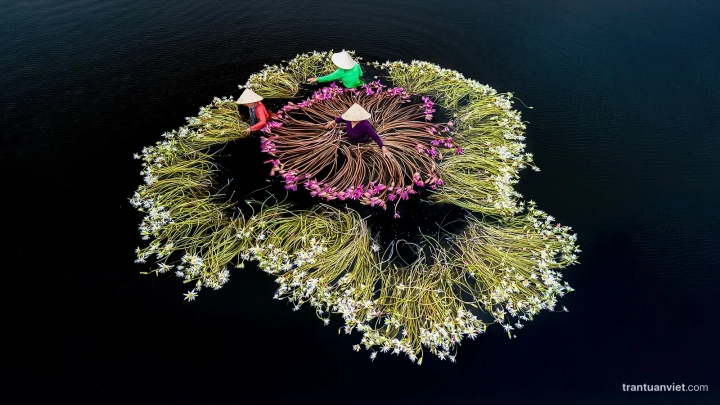
Waterlily: Equipment and Drone Photography
While a basic camera can capture a pleasing image, certain equipment can enhance your Waterlily photography. A macro lens is ideal for capturing the intricate details of the petals and stamen, revealing textures and patterns invisible to the naked eye. For wider scenes that include the Waterlily in its environment, a versatile zoom lens or a prime lens with a moderate wide-angle perspective can be effective. A polarizing filter can be incredibly useful to reduce glare on the water's surface, allowing you to see the lilies more clearly and enhance their colors. If you're looking to create truly unique perspectives, drone photography opens up a whole new world of possibilities. A drone can provide an overhead view of the entire pond, showcasing the sprawling mats of lily pads and the distribution of the blooms in a way that's impossible from the ground.
Drone Perspectives on Ha Noi's Waterlilies
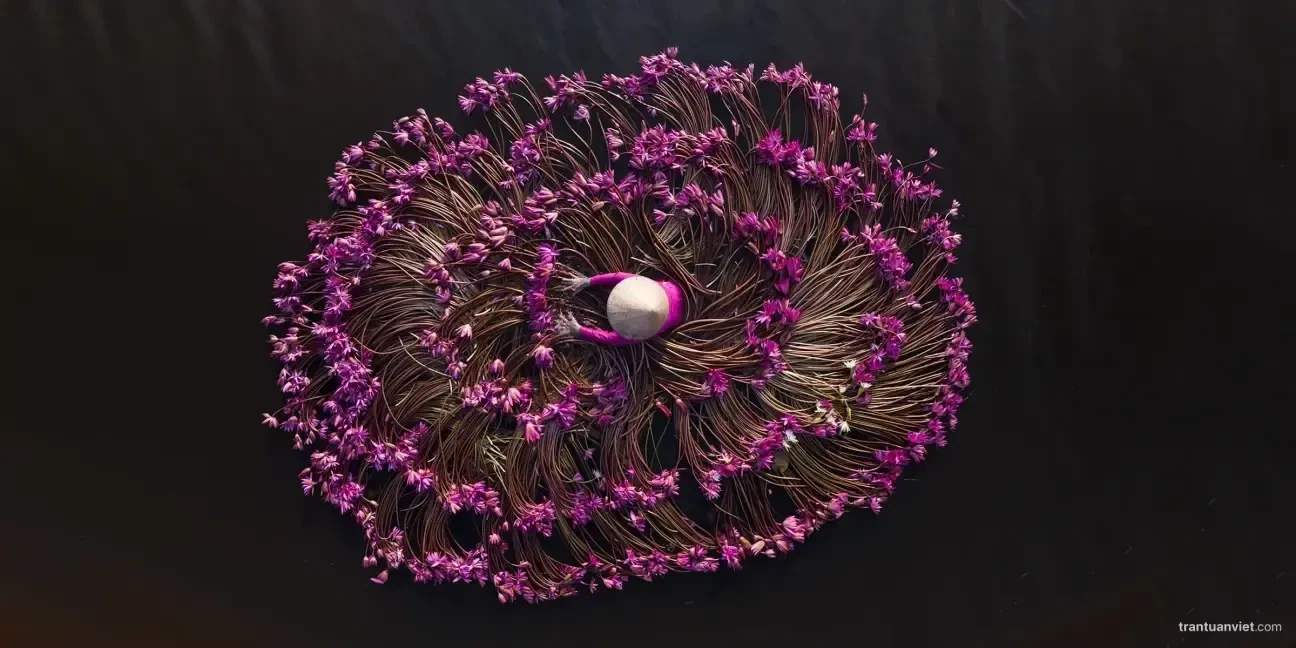
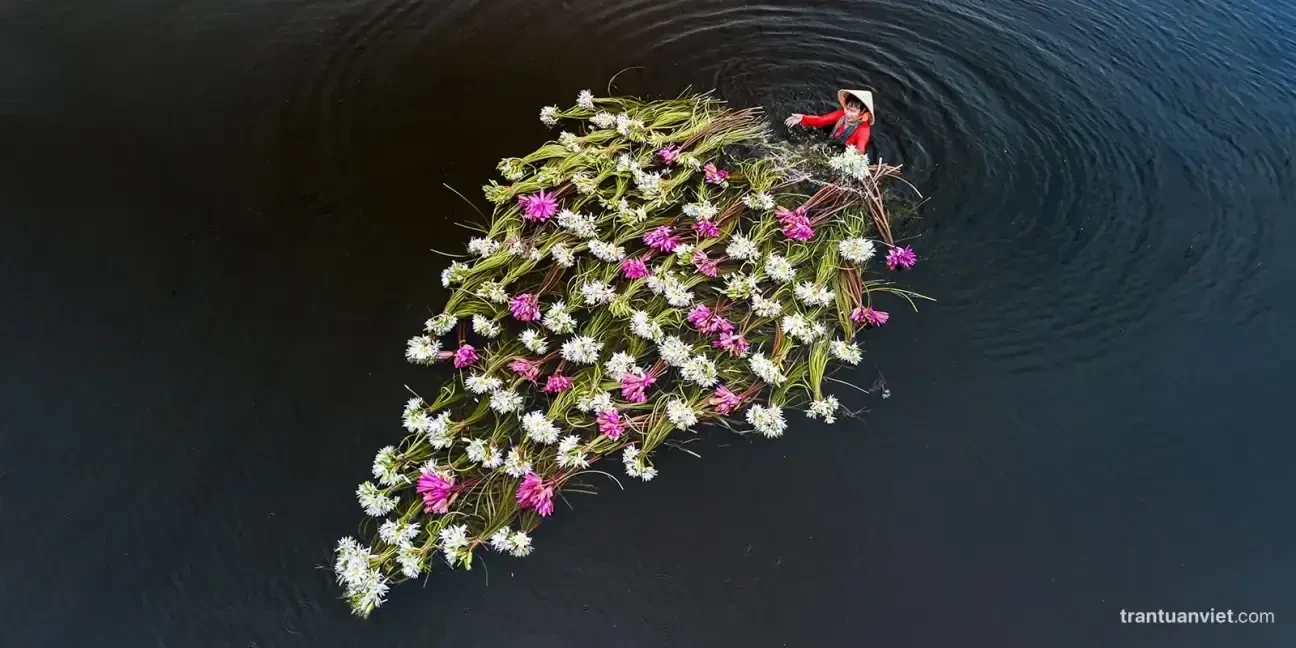
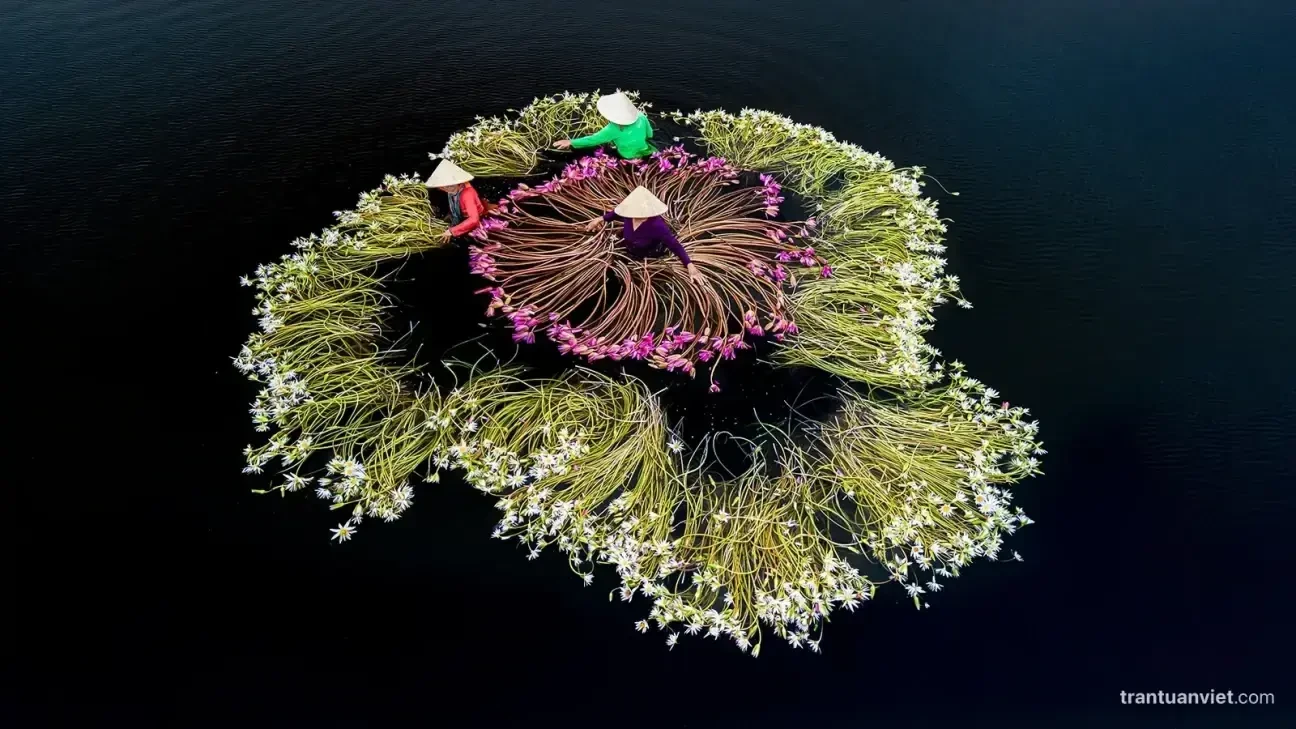
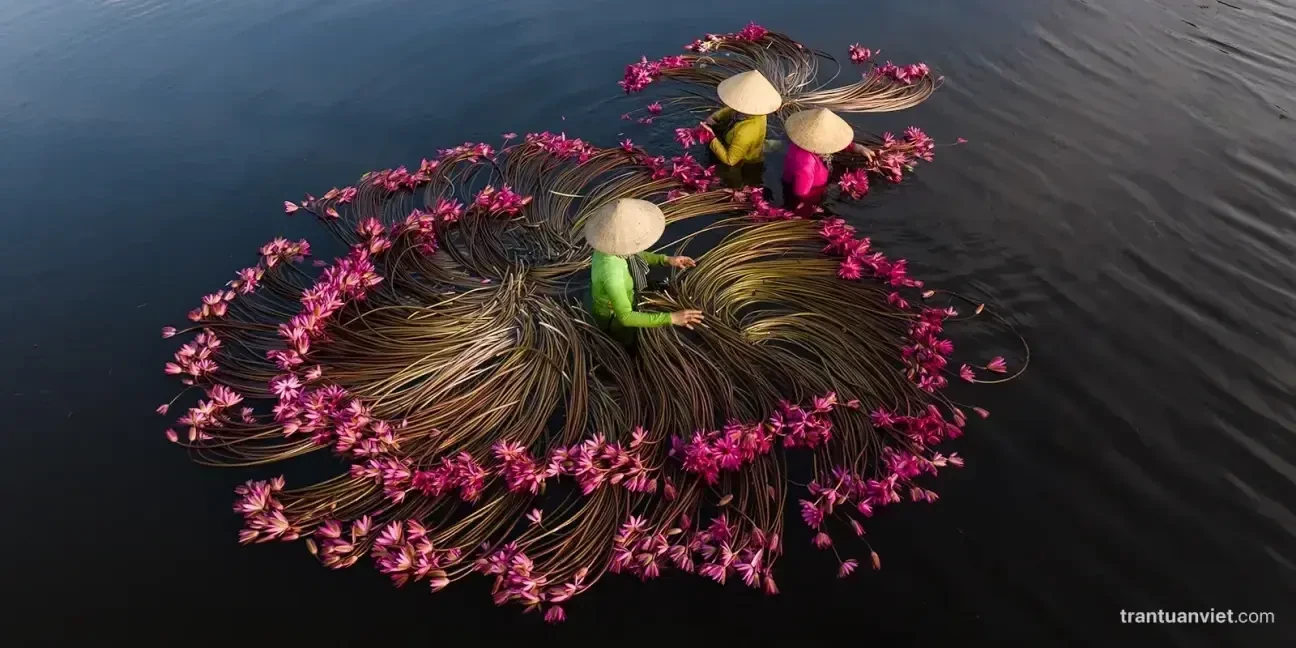
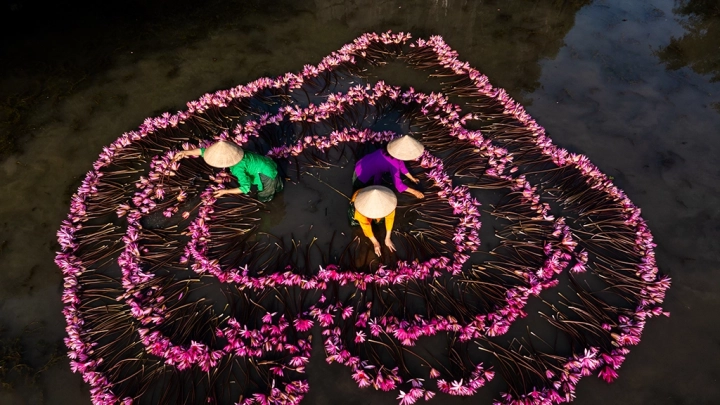
Using a drone for Waterlily photography in Ha Noi allows for unparalleled aerial compositions. You can capture the vastness of a lake dotted with Waterlilies, revealing their patterns and how they interact with the surrounding landscape. This genre is particularly exciting for travel and conceptual photography, offering a fresh and modern interpretation of a classic subject. From above, the Waterlilies can appear as abstract patterns, or the drone can be used to create a sense of scale, showing the lilies against the backdrop of Ha Noi's urban environment or its more rural outskirts. Tran Tuan Viet himself has explored the creative potential of aerial perspectives, demonstrating how drones can reveal the unseen geometries within natural scenes. Viet's insights emphasize that even with advanced technology like drones, the fundamental principles of composition and light still hold true.
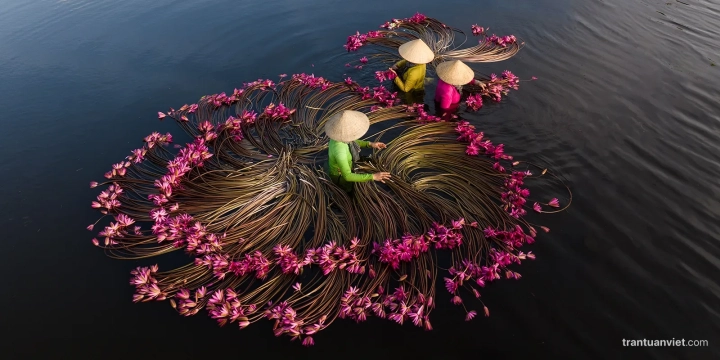
Seasonal Considerations and Timing
While Waterlilies can be found year-round in Ha Noi, their peak blooming season generally extends from late spring through summer and into early autumn. During these months, the flowers are most abundant and vibrant. However, even outside of peak bloom, the lily pads themselves offer a beautiful textural and compositional element. Photographers visiting during the cooler months might focus on the more graphic qualities of the submerged stems or the reflections on a more placid surface. The beauty of Waterlily photography in Ha Noi is its year-round accessibility, offering opportunities for different moods and aesthetics depending on the season and weather. This consistent availability makes it a reliable subject for any photography tour.
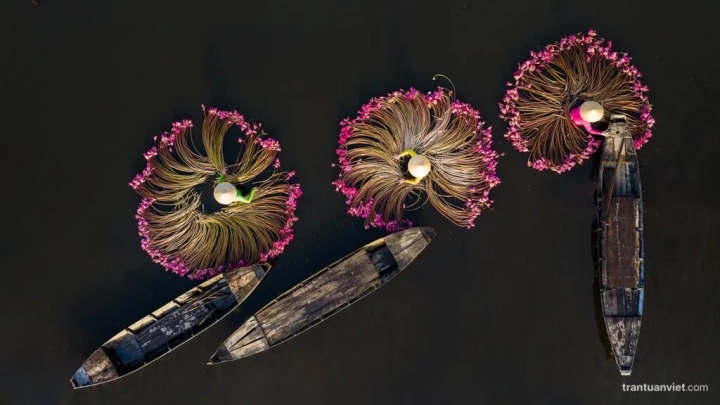
Best Times of Day for Waterlily Blooms
Waterlilies tend to open fully in the morning and close up in the late afternoon or evening. Therefore, early morning hours, particularly after sunrise, are often the best time to capture the flowers in their most open and radiant state. This timing also aligns with the softer, more flattering light. Some species may also react to temperature, opening more readily on warm, sunny days. Patience is key; observing the behavior of the lilies throughout the day can reveal their prime moments for photography. Experienced photographers in Vietnam suggest that understanding the local flora's diurnal cycles is a significant advantage.

Ready to capture the full potential of Waterlily in Ha Noi? Join our Vietnam Photo Tours to experience this location with expert guidance and master your photography.
More Scenes
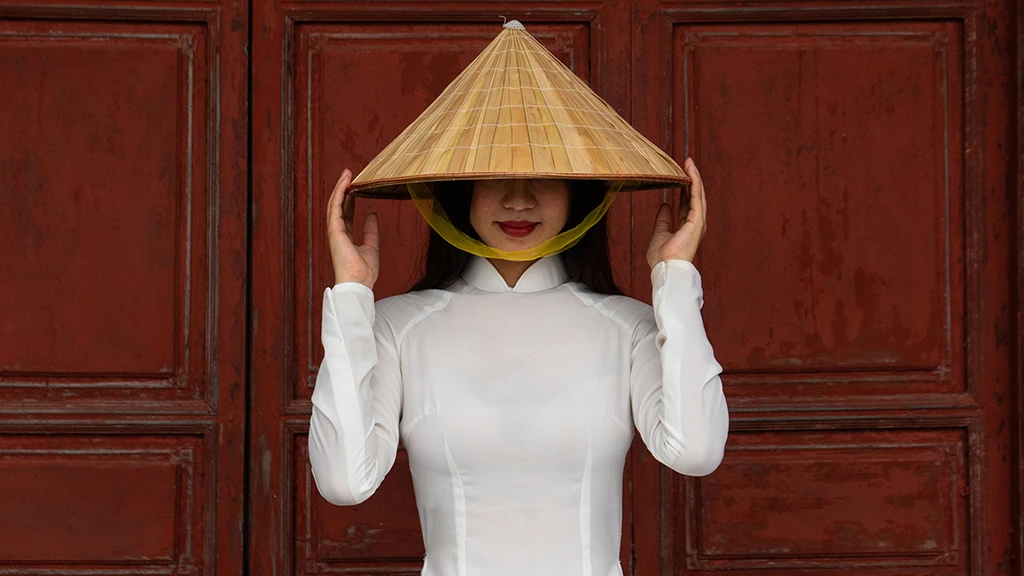
Ao Dai Model
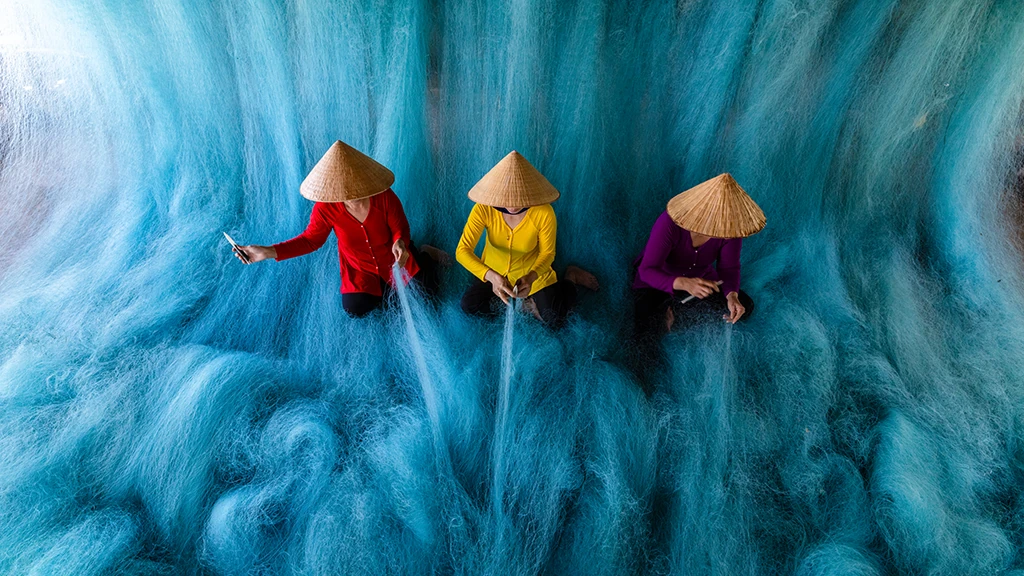
Blue Net
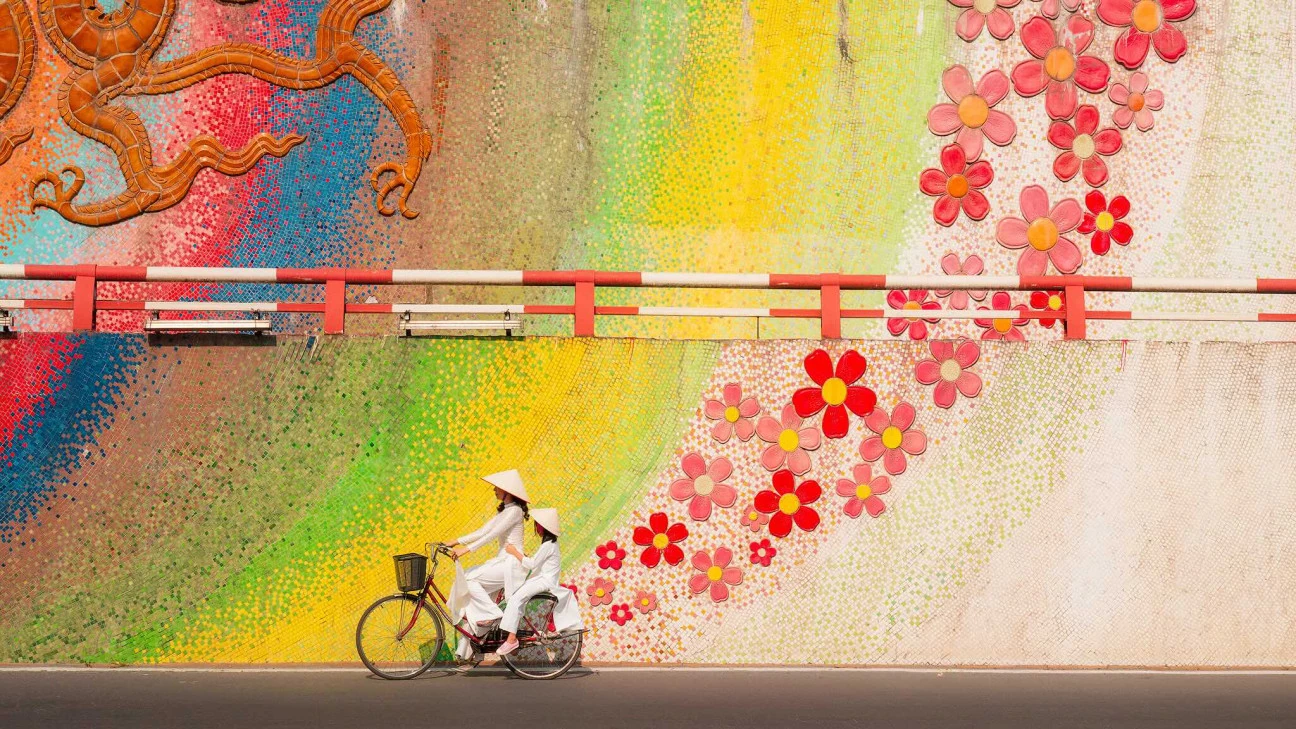
Ceramic Road
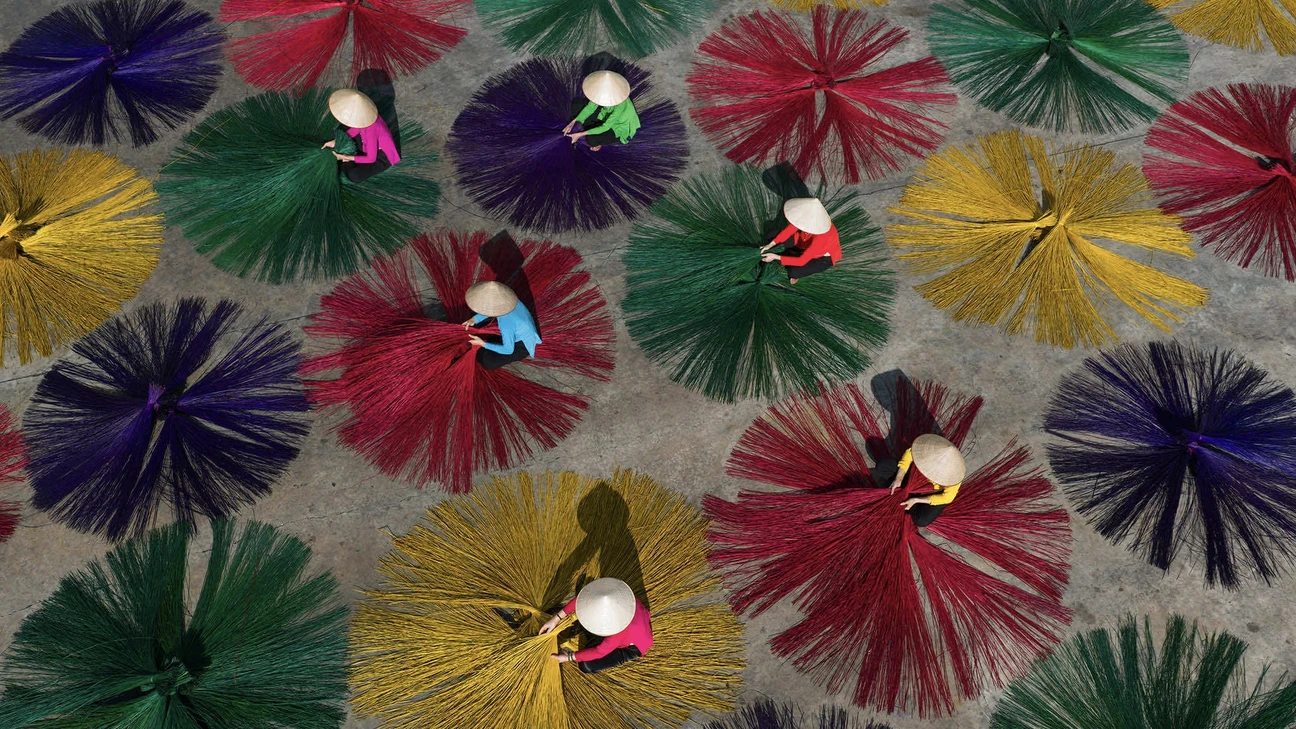
Colorful Sedge
Similar Photography Genre

Red Net
Colorful Sedge