V-Shape Net
Master V-Shape Net photography in Vietnam. Unlock unique timing and dramatic light for compelling visual storytelling. Your ultimate photo guide.
V-Shape Net in Hung Yen, Thai Binh, Vietnam: Photography Guide
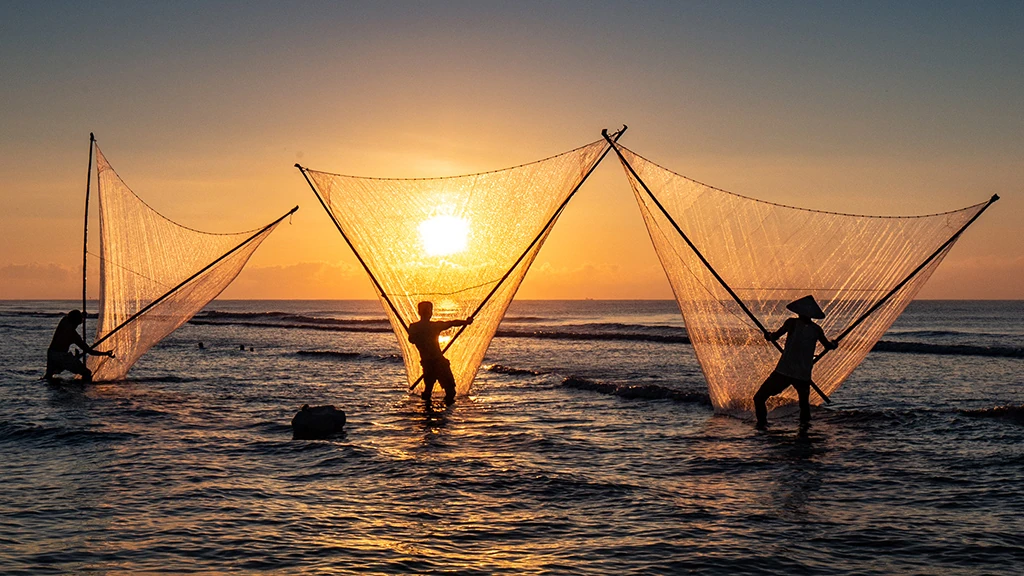
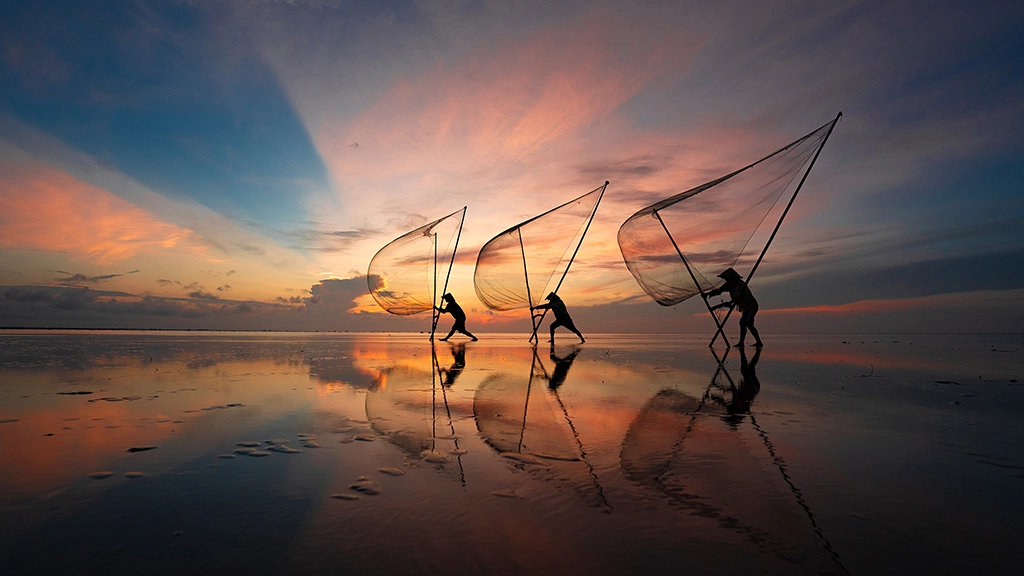
The V-Shape Net, a unique and visually striking element of rural Vietnamese life, offers photographers a compelling subject rooted in culture and tradition. Found in the tranquil provinces of Hung Yen and Thai Binh, these intricate fishing nets, often deployed in parallel rows forming a distinctive 'V' shape, create geometric patterns against the water and sky. This scene is a testament to the ingenuity of local fishermen and provides ample opportunities for capturing evocative travel and cultural imagery. While the best months to visit are year-round, understanding the nuances of light and context will elevate your V-Shape Net photographs.
Hung Yen, Thai Binh: Photography Techniques for the V-Shape Net
Photographing the V-Shape Net in Hung Yen and Thai Binh is about more than just documenting a fishing practice; it’s about interpreting the harmonious relationship between humanity and nature. The repetitive lines of the nets, the reflections on the water, and the silhouettes of fishermen at work all contribute to a powerful visual narrative. Experienced photographers in Vietnam often emphasize the importance of patience and observation here, waiting for the opportune moment when the elements align. The V-Shape Net is particularly captivating during the softer light of early morning or late afternoon, which accentuates textures and reduces harsh shadows.
Compositional Strategies for V-Shape Net Photography
When approaching the V-Shape Net, consider how to best frame its unique structure. Leading lines are a critical element here. The converging lines of the nets naturally guide the viewer's eye into the frame, creating depth and a sense of scale. Experiment with different vantage points: from the water's edge, from a slightly elevated position on a dike, or even from a boat to achieve a more immersive perspective. Tran Tuan Viet, a renowned Vietnamese photographer, often advises photographers to look for patterns and repetition, suggesting that abstract interpretations can be just as powerful as literal depictions. Viet recommends exploring the geometric interplay between the nets, the water, and the surrounding landscape, be it lush green rice paddies or the distant silhouette of village homes. Don't be afraid to isolate a single V-Shape Net structure to emphasize its form and isolation, or to capture multiple nets receding into the distance for a sense of vastness.
Incorporating human elements can add a significant cultural dimension to your V-Shape Net images. The fishermen, often seen mending nets, casting them, or returning with their catch, provide a sense of scale and a human narrative. Aim to capture their silhouettes against the dawn or dusk sky, or focus on their weathered hands engaged in the meticulous work of net maintenance. This approach transforms a simple landscape into a poignant cultural document. Viet's experience shooting this scene has taught him that capturing the 'moment' – the action, the gesture, the interaction – is key to telling a compelling story. This means being ready to react quickly and anticipate the movements of the fishermen.
Lighting and Timing for V-Shape Net
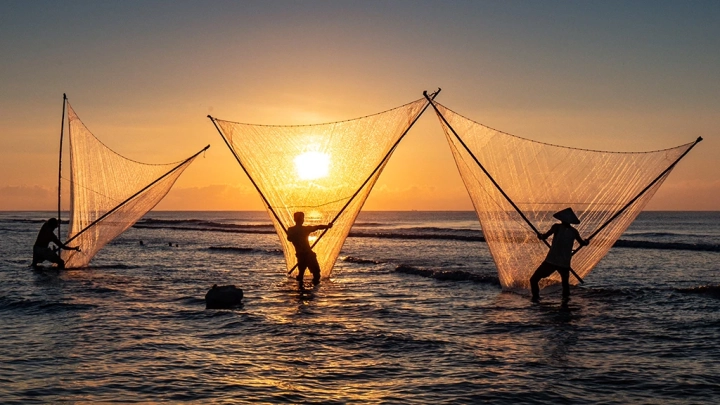
The quality of light profoundly impacts the mood and impact of your V-Shape Net photographs. The golden hour, the period shortly after sunrise and before sunset, is particularly magical. The warm, diffused light softens the scene, highlights textures on the water and nets, and casts long, dramatic shadows. This is when the water can become a mirror, reflecting the nets and the sky in stunning detail. Be mindful of the sun's position to avoid blowing out highlights or losing detail in the shadows, especially when dealing with the narrow dynamic range of the scene, often exacerbated by the water's reflectivity.
During the midday sun, the light can be harsh and create strong contrasts, which might be less ideal for a serene depiction of the V-Shape Net. However, this bright light can be used creatively, perhaps to emphasize the stark geometry of the nets or to create a high-contrast, almost graphic, image. Early morning mist, if present, can add an ethereal quality, softening the scene and creating a sense of mystery, making the nets appear to emerge from a dreamlike state. According to Tran Tuan Viet, understanding the local weather patterns and planning your shoot around diffused light or dramatic skies can lead to truly exceptional images. He suggests that sometimes the challenge of difficult light is precisely what makes a photograph memorable.
V-Shape Net: Essential Gear and Settings
For capturing the V-Shape Net, a versatile lens setup is advisable. A wide-angle lens (around 24-35mm on a full-frame camera) is excellent for establishing context and emphasizing the vastness of the nets against the landscape. For more intimate shots focusing on details or the fishermen, a standard zoom lens (50-70mm) or even a short telephoto (85mm) can isolate subjects and create pleasing background compression. Tripods are invaluable, especially during the low-light conditions of dawn and dusk, allowing for slower shutter speeds to capture motion blur in the water or to ensure sharpness in challenging light. Don't forget a sturdy tripod if you plan to capture long exposures to smooth out the water's surface.
When it comes to camera settings, aperture priority mode can be very useful. For shots where you want everything in focus, from the foreground nets to the distant horizon, use a smaller aperture like f/11 or f/16. This ensures a deep depth of field. If you're aiming to isolate a fisherman or a specific net detail, a wider aperture (f/2.8 to f/5.6) can create a beautifully blurred background, drawing attention to your subject. For the fishermen at work, a faster shutter speed (1/250s or higher) will freeze their action. In low light, you might need to increase your ISO, but be mindful of noise. Understanding your camera's capabilities with high ISO is important. Viet's approach often involves bracketing exposures to capture the full tonal range, especially when the water creates a bright, reflective surface.
Capturing the Cultural Significance of V-Shape Nets
The V-Shape Net is more than just a visual pattern; it's a livelihood and a symbol of Vietnamese rural life. To truly capture its essence, immerse yourself in the local culture. Engage with the fishermen (respectfully, of course) and learn about their traditions. This understanding will inform your photographic approach and allow you to tell a more profound story. Look for subtle details that reveal the human connection to this practice: weathered boats, nets being repaired, children playing near the water. These elements add layers of authenticity to your travel photography. Experienced photographers in Vietnam emphasize that building rapport with locals can open doors to exclusive photographic opportunities and deeper cultural insights.
Consider visiting the V-Shape Net sites with a guided tour. Joining Vietnam Photo Tours, for instance, provides access to experienced local guides who know the best times and locations, and who can facilitate respectful interactions with the communities. They understand the unique challenges and rewards of photographing in Vietnam, from navigating busy markets to finding quiet, untouched corners of rural life. Such tours are designed to help photographers master techniques specific to the country's diverse landscapes and cultural practices, ensuring you get the most out of every shot.
Ready to capture the full potential of the V-Shape Net in its stunning natural and cultural context? Join our Vietnam Photo Tours to experience this location with expert guidance and master your photography, learning techniques that bring the essence of Vietnam to life through your lens.
More Scenes
Basket Village
Clam Hut
Infinite Beach
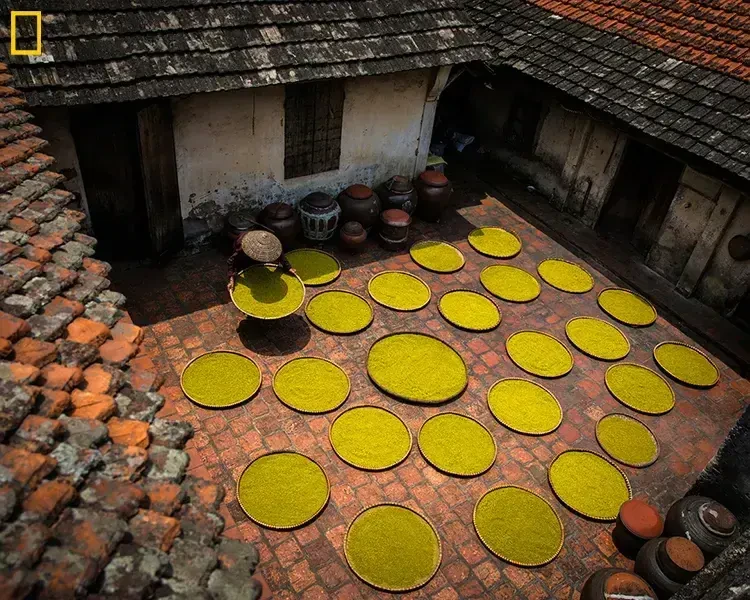
Soy Sauce
Similar Photography Genre
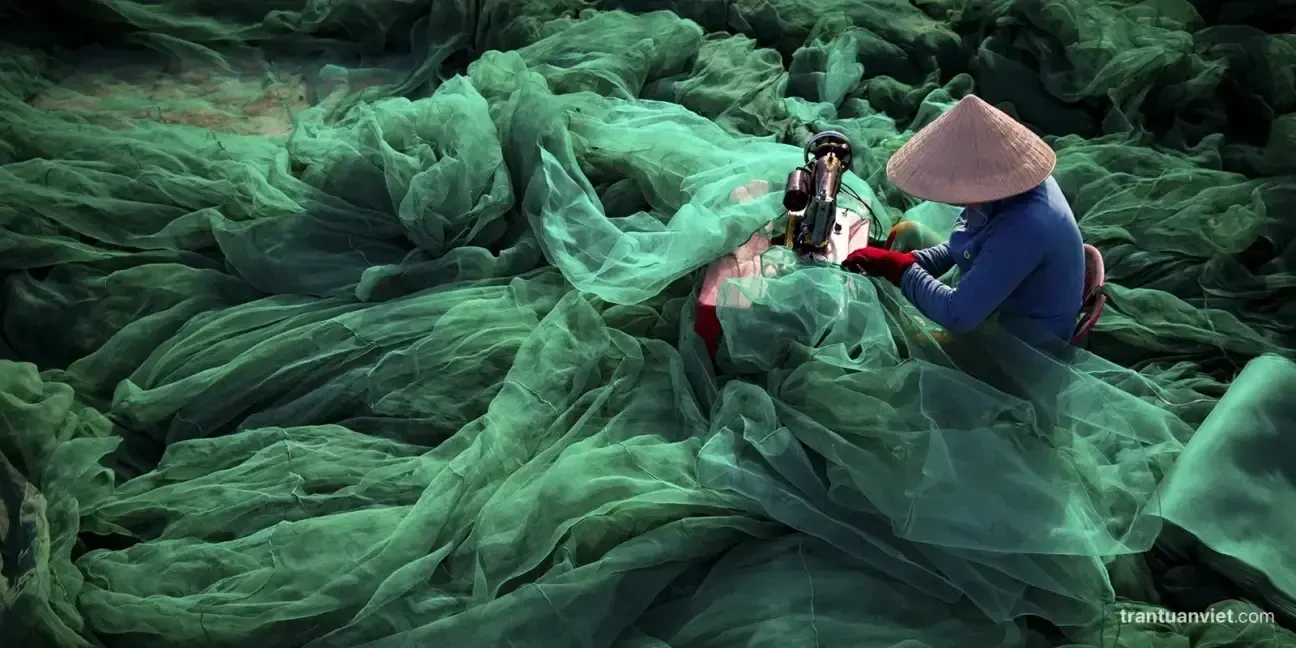
Green Net
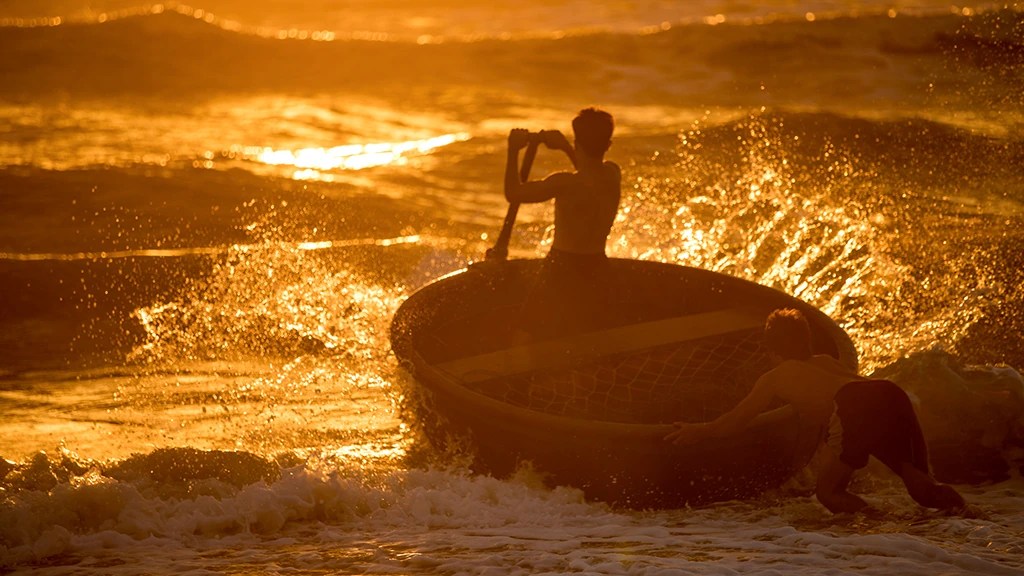
Coracle Fishermen