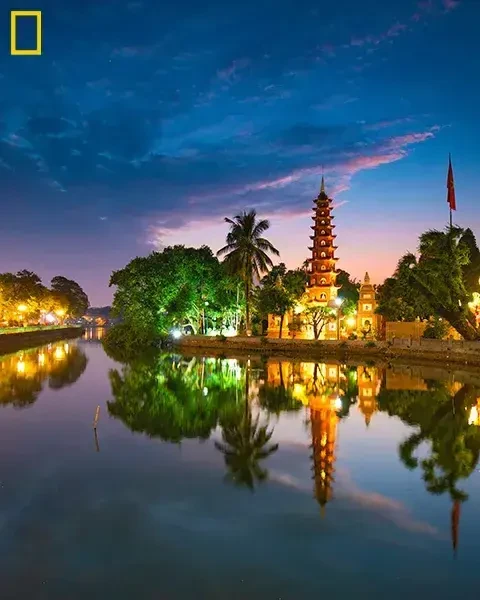
Tran Quoc Pagoda
Tran Quoc Pagoda in Hanoi, Vietnam photography: Master serene light, capture ancient beauty, and discover timeless architectural compositions.
Tran Quoc Pagoda in Ha Noi, Vietnam: Photography Guide
Tran Quoc Pagoda, nestled on an islet in West Lake, is a beacon of ancient Vietnamese spirituality and architectural beauty in the heart of Ha Noi. This serene sanctuary offers a wealth of photographic opportunities, blending cultural depth with stunning visual landscapes. As a photographer venturing into Vietnam, mastering the art of capturing such iconic sites requires a blend of technical skill, cultural sensitivity, and an understanding of the local light and conditions. This guide aims to equip you with the insights and techniques to bring the magic of Tran Quoc Pagoda to life in your images.
Ha Noi: Capturing the Essence of Tran Quoc Pagoda
The visual appeal of Tran Quoc Pagoda lies in its harmonious integration with its natural surroundings and its rich historical narrative. Whether you're drawn to the intricate details of Buddhist architecture, the tranquil reflections on West Lake, or the vibrant cultural energy that permeates the site, there are countless ways to frame compelling photographs. The pagoda itself, with its distinctive tiered roofs and vibrant colors, is a feast for the lens, especially when bathed in the soft light of dawn or dusk. Experiencing Tran Quoc Pagoda is a journey through centuries of Vietnamese history and faith, and your photography can serve as a powerful testament to its enduring legacy.
Cultural Insights for Tran Quoc Pagoda Photography
Understanding the cultural significance of Tran Quoc Pagoda is a critical element in creating meaningful images. Photographers should approach the site with respect, observing rituals and prayer times with discretion. The presence of monks, devotees, and visitors offers rich storytelling potential. Capturing moments of quiet contemplation, the intricate details of incense smoke curling upwards, or the serene expressions of worshipers can add profound depth to your travel and cultural photography portfolios. Experienced photographers in Vietnam suggest always seeking permission before photographing individuals up close, and observing the respectful ebb and flow of visitors is key to not disrupting the sacred atmosphere.
Landscape and Reflection Photography at Tran Quoc Pagoda
The location of Tran Quoc Pagoda on West Lake provides exceptional opportunities for landscape and reflection photography. The pagoda’s structures, particularly the central stupa and the prayer hall, create striking silhouettes against the sky. During the day, the lake offers a reflective surface that can double the visual impact of the pagoda. However, for the most dramatic shots, aim for the periods around sunrise and sunset. The golden hour light paints the sky with warm hues, casting a magical glow on the pagoda and creating breathtaking reflections on the water. Tran Tuan Viet often emphasizes the importance of timing; he recommends arriving early to scout the best vantage points and understand how the light will interact with the water and architecture. His advice is to experiment with different focal lengths, from wide-angle lenses to capture the grandeur of the entire scene to telephoto lenses for isolating architectural details.
Nightscape Photography at Tran Quoc Pagoda
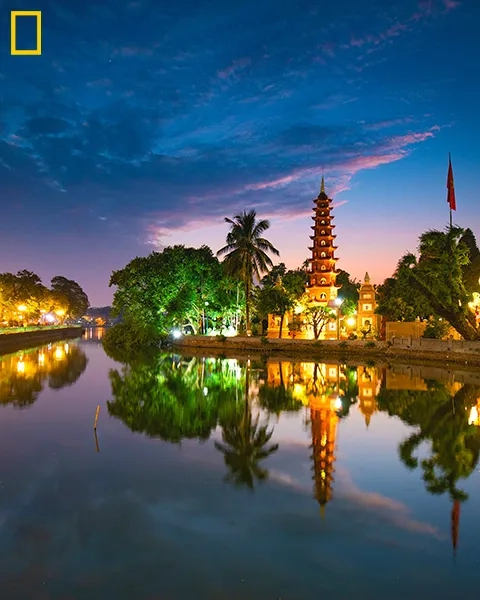
When darkness falls, Tran Quoc Pagoda transforms into a different, yet equally captivating, photographic subject. The pagoda is beautifully illuminated at night, creating a mystical ambiance. Nightscape photography here presents unique challenges and rewards. The primary challenge is dealing with the narrow dynamic range between the brightly lit pagoda and the darker sky, as well as potential light pollution from the surrounding city. To tackle this, experienced photographers in Vietnam suggest using a sturdy tripod for sharp, long exposures. Experiment with different ISO settings to balance noise levels with image quality. Viet's suggestion for nightscapes often involves bracketed exposures, taking multiple shots at different exposure values and then merging them in post-processing to achieve a well-balanced image that captures both the illuminated details of the pagoda and the subtle nuances of the night sky. This technique is invaluable for bringing out the full detail in both the highlights and shadows. Look for opportunities to incorporate the lights of West Lake or distant cityscapes to add context and depth to your night shots.
Compositional Strategies for Tran Quoc Pagoda Photography
Effective composition is paramount when photographing Tran Quoc Pagoda. While sweeping landscapes of the pagoda against the lake are stunning, don't overlook the power of detailed shots. Consider the rule of thirds, placing the pagoda or key architectural elements off-center to create a more dynamic image. Leading lines, such as the pathway to the pagoda or the edges of the lake, can guide the viewer's eye into the frame. Experiment with different camera angles; shooting from a lower vantage point can emphasize the pagoda's height and grandeur, while a higher angle might reveal the intricate layout of the temple grounds. Viet recommends looking for symmetry and patterns within the architecture, as these can create visually striking compositions. For instance, the repetition of prayer wheels or the pattern of roof tiles can become a compelling photographic subject when framed thoughtfully. Patience is also a virtue here; waiting for moments when the light is just right or when a monk walks across the grounds can elevate an ordinary shot into something extraordinary.
Tran Quoc Pagoda: Equipment and Settings
The best equipment for capturing Tran Quoc Pagoda depends on your photographic goals. For landscape and broader shots, a wide-angle lens (14-35mm range on a full-frame sensor) is ideal to encompass the pagoda and its surroundings. For capturing details of the architecture or intimate cultural moments, a mid-range zoom lens (24-70mm) or a prime lens like a 50mm offers excellent versatility and image quality. For night photography, a fast aperture lens (f/2.8 or wider) is beneficial to gather more light. A sturdy tripod is non-negotiable for long exposures, especially at night or during low-light conditions at dawn and dusk. For capturing reflections, a polarizing filter can be incredibly useful to reduce glare on the water and enhance the saturation of the sky and surrounding colors. Exposure-wise, shooting in RAW format is highly recommended, as it provides the most flexibility in post-processing, particularly when dealing with the challenging light conditions often found in Ha Noi. For night shots, setting your camera to manual mode and adjusting aperture, shutter speed, and ISO is essential. A good starting point for night exposures might be an aperture of f/8 to f/11 for sharpness, an ISO of 100-400 to minimize noise, and a shutter speed ranging from 15 to 60 seconds, depending on the desired effect and ambient light levels.
Seasonal Considerations for Tran Quoc Pagoda
While Tran Quoc Pagoda is a captivating subject year-round, certain periods can offer distinct photographic advantages. The weather in Ha Noi can vary significantly, influencing the mood and look of your images. Spring (February to April) often brings mild temperatures and blooming flowers, adding vibrant colors to the pagoda grounds. Summer (May to August) can be hot and humid with occasional dramatic thunderstorms, offering unique opportunities for moody, atmospheric shots, especially if you can capture the pagoda amidst a dramatic sky after a downpour. Autumn (September to November) is generally considered one of the best times, with pleasant weather, clear skies, and beautiful light, perfect for both day and night photography. Winter (December to January) can be cooler and sometimes overcast, which can provide a softer, more diffused light ideal for emphasizing the pagoda's architectural forms without harsh shadows. According to experienced photographers in Vietnam, overcast days can actually be beneficial for capturing the subtle colors and textures of the pagoda, reducing the contrast that can sometimes be challenging.
Ultimately, the key to extraordinary photography at Tran Quoc Pagoda lies in observation, patience, and a willingness to experiment. By understanding the interplay of light, culture, and environment, and by applying sound photographic principles, you can create images that truly resonate. Joining a guided experience can amplify your learning and provide invaluable on-site expertise. Ready to capture the full potential of Tran Quoc Pagoda? Join our Vietnam Photo Tours to experience this iconic Ha Noi location with expert guidance and master your photography.
More Scenes
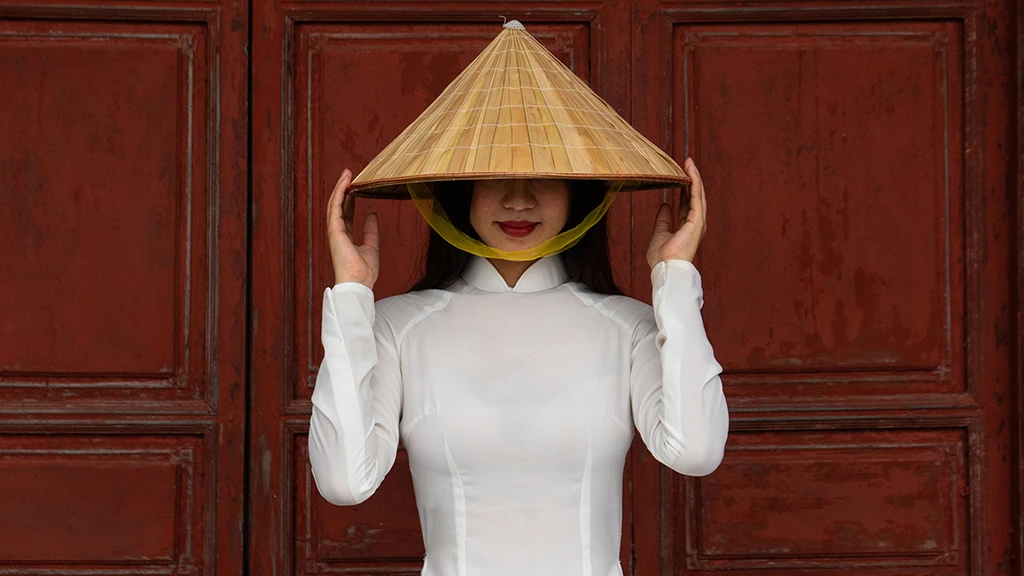
Ao Dai Model
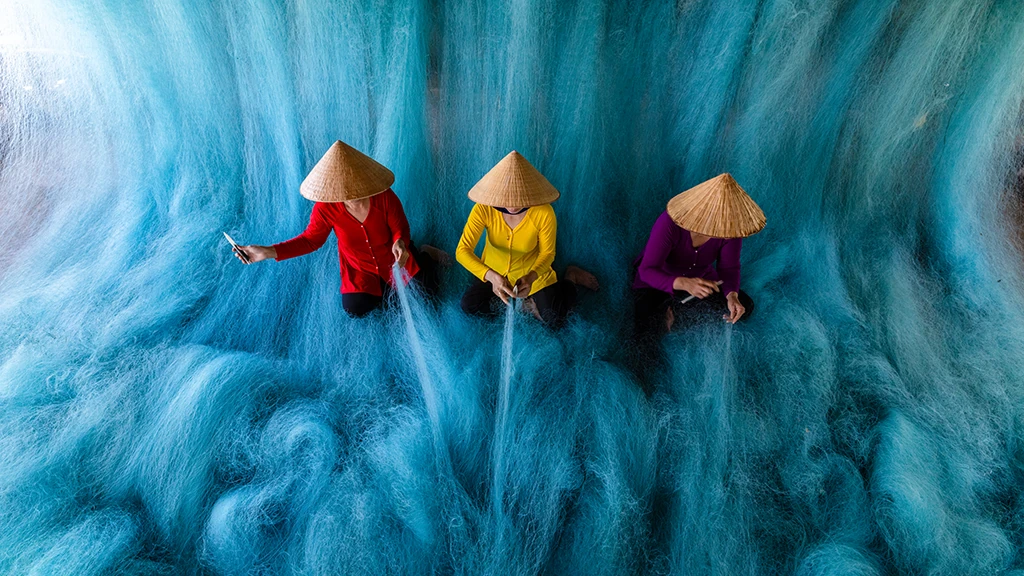
Blue Net
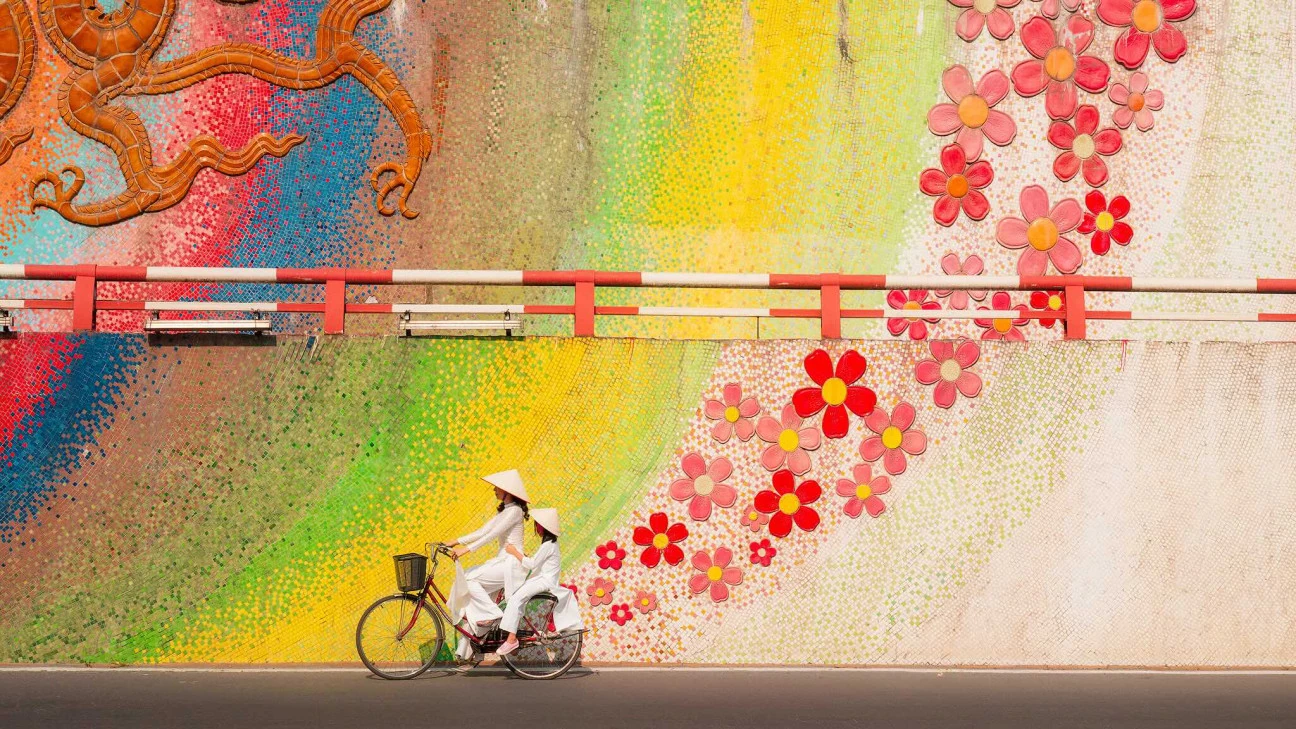
Ceramic Road
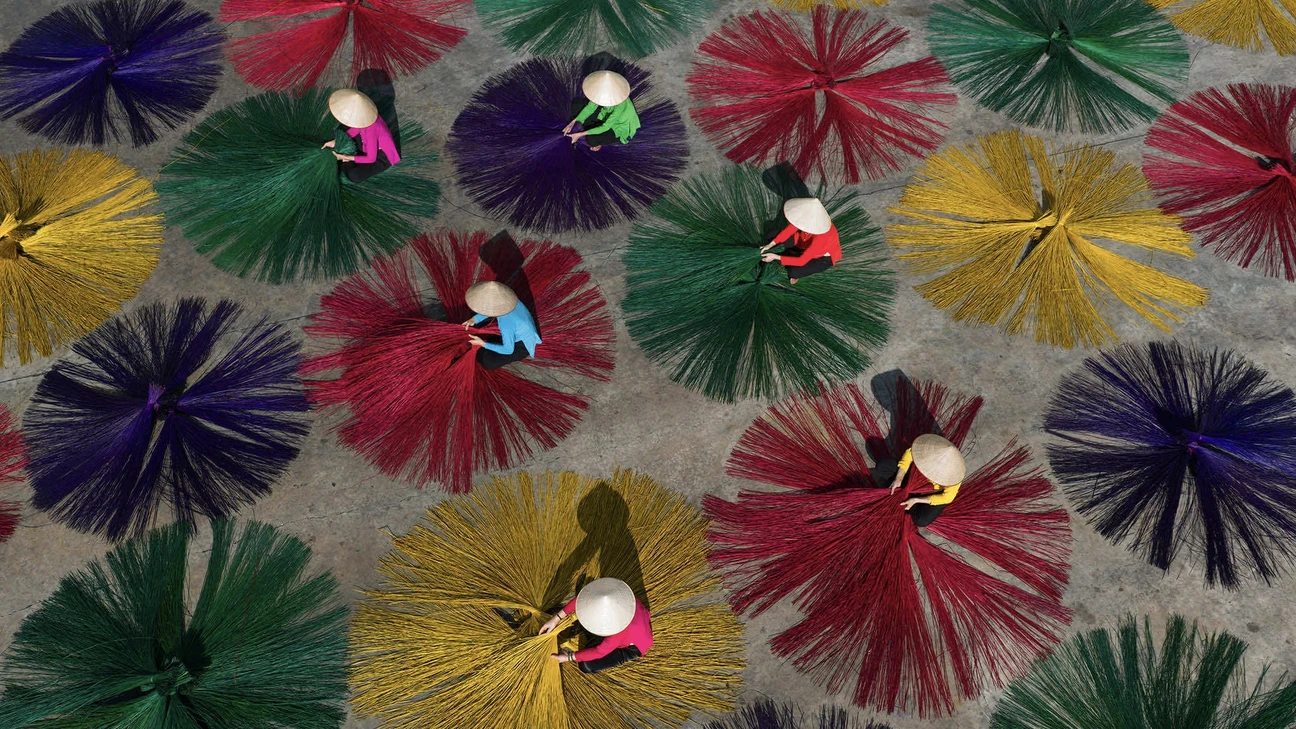
Colorful Sedge
Similar Photography Genre
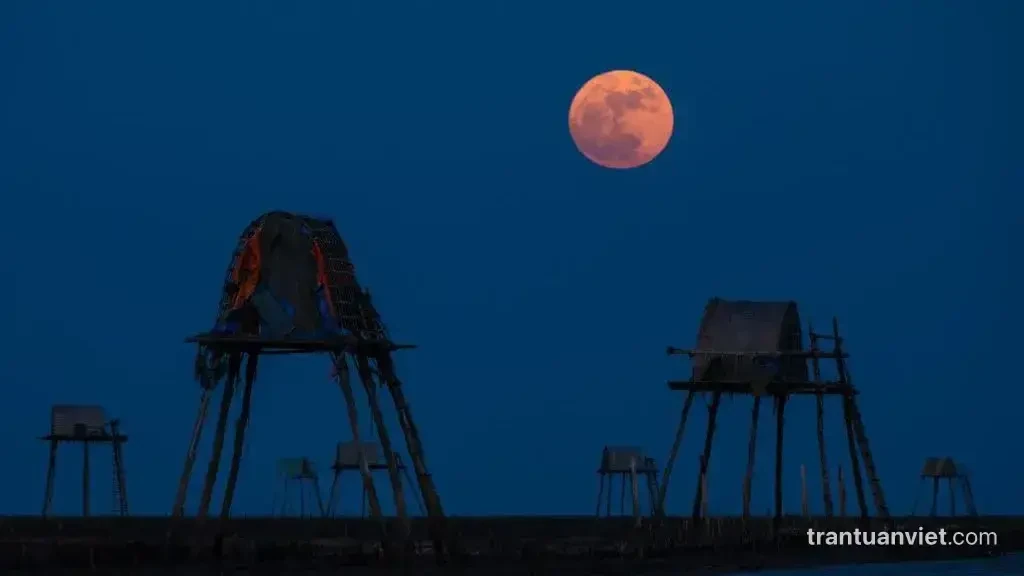
Clam Hut