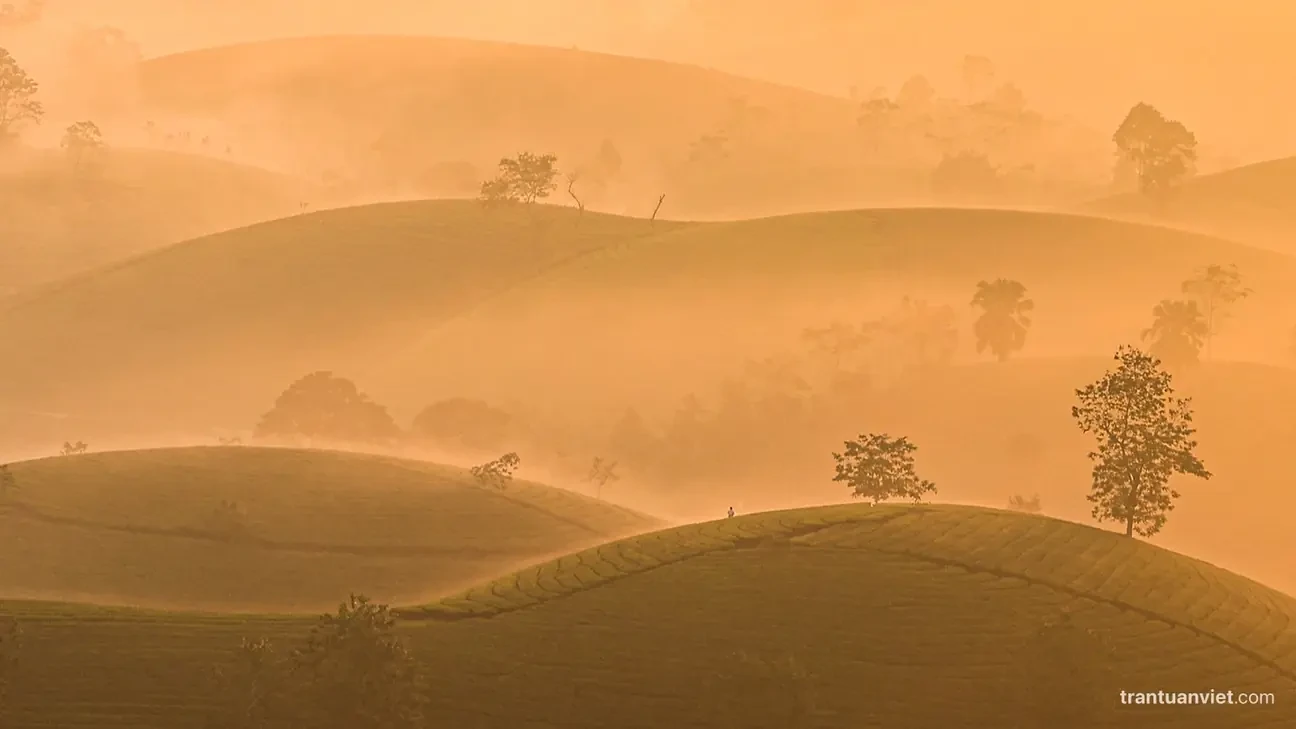
Tea Plantation
Vietnam Tea Plantation photography guide: in-depth insights on capturing natural light shifts, seasonal hues, and timing to enrich your visual storytelling.
Tea Plantation in Phu Tho, Vietnam: Photography Guide
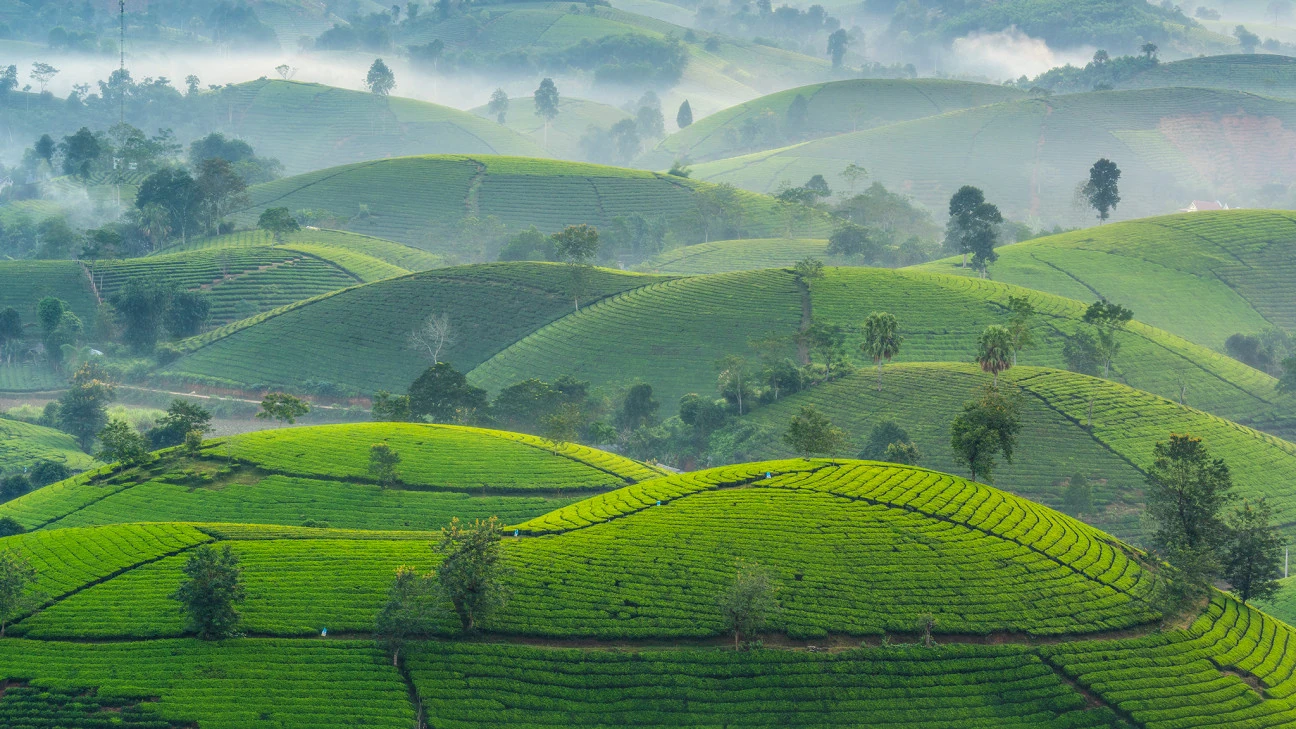
Phu Tho’s Tea Plantation offers a unique canvas for photographers interested in landscape, travel, and drone photography. This verdant expanse, lush year-round, presents an exceptional opportunity to capture the intricate patterns of tea bushes, the interplay of natural light, and the cultural essence of Vietnam’s agricultural heritage. From the rolling hills to the delicate textures of tea leaves, this scene demands a thoughtful approach to composition and technique. According to Tran Tuan Viet, the best approach for this scene is to embrace the natural contours of the plantation, using them as leading lines to guide the viewer’s eye through the frame.
Compositional Strategies for Tea Plantation Photography
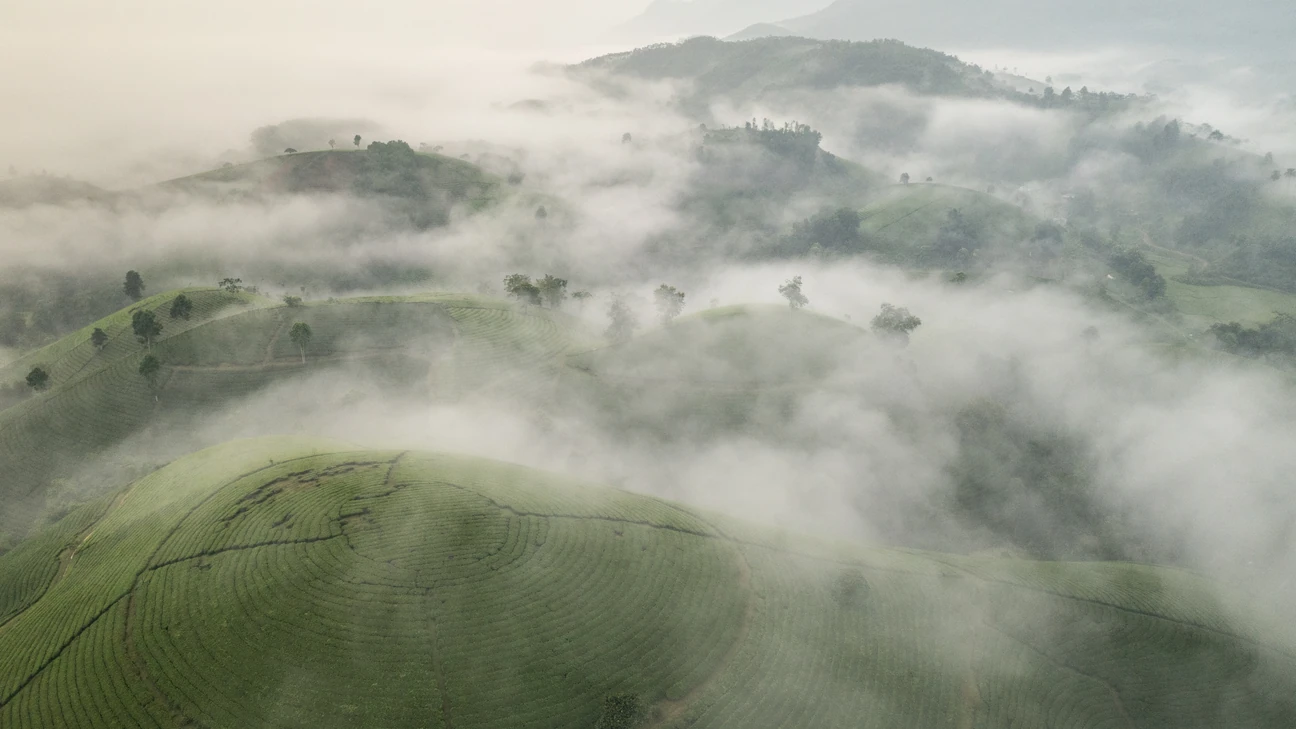
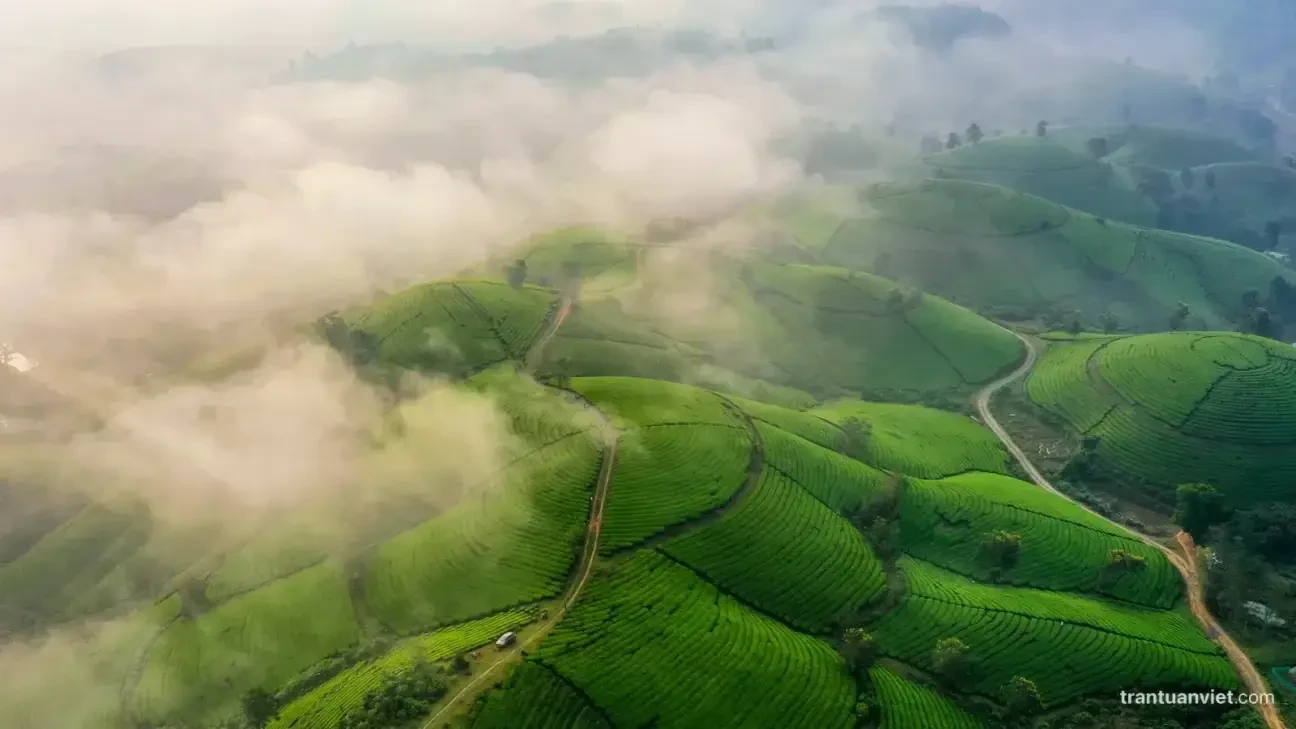
When photographing the Tea Plantation in Phu Tho, composition is key to conveying the scale and rhythm of the landscape. Viet recommends using a wide-angle lens to capture the sweeping rows of tea bushes, which create natural leading lines that draw the viewer into the image. Position yourself on elevated terrain or use a drone to emphasize the geometric patterns formed by the neatly trimmed bushes. Experienced photographers in Vietnam suggest framing shots to include the undulating hills in the background, adding depth and context to the scene.
Another compositional tip is to incorporate local workers or traditional tools subtly within the frame. This adds a human element that enriches the narrative without overpowering the natural beauty of the plantation. Viet’s experience shooting this scene has taught him that foreground interest—such as a cluster of tea leaves or a rustic basket—can create a compelling focal point and enhance the sense of place.
Lighting Techniques for Capturing Tea Plantation
Lighting plays a crucial role in revealing the textures and colors of the Tea Plantation in Phu Tho. Viet recommends shooting during the golden hour, either early morning or late afternoon, when the soft, warm light accentuates the lush green hues and casts gentle shadows that add dimension. The low angle of sunlight enhances the texture of the tea leaves and the subtle undulations of the terrain.
During midday, the light can be harsh, creating strong contrasts and potential overexposure. To manage this, Viet suggests using a polarizing filter to reduce glare and enhance color saturation. Overcast days offer a different but equally valuable lighting condition, providing even, diffused light that minimizes shadows and allows for detailed close-up shots of the tea leaves and dew drops. Experienced photographers in Vietnam advise adapting your shooting style to these varying conditions to capture the full range of visual moods the Tea Plantation offers.
Tea Plantation: Equipment and Settings
For landscape and travel photography at the Tea Plantation in Phu Tho, a DSLR or mirrorless camera with a versatile zoom lens ranging from 16-70mm is ideal. Viet recommends using a tripod for stability, especially during low-light conditions at dawn or dusk. When shooting with a drone, ensure you have the proper permits and respect local regulations to avoid disturbing the environment or workers.
From Viet’s experience, setting your camera to a low ISO (around 100-200) preserves image quality and reduces noise. Use a narrow aperture (f/8 to f/16) to maintain a deep depth of field, ensuring that both foreground and background elements remain sharp. For drone photography, experiment with different altitudes to capture the plantation’s patterns from unique perspectives. Viet recommends shooting in RAW format to maximize post-processing flexibility, especially for adjusting exposure and color balance in Vietnam’s variable lighting conditions.
Phu Tho Tea Plantation Photography: Seasonal and Timing Insights
The Tea Plantation in Phu Tho can be photographed year-round, but understanding seasonal nuances enhances your results. Viet points out that the rainy season brings vibrant, saturated greens and misty atmospheres that add mood and mystery to your images. Conversely, the dry season offers clearer skies and sharper contrasts, ideal for crisp landscape shots.
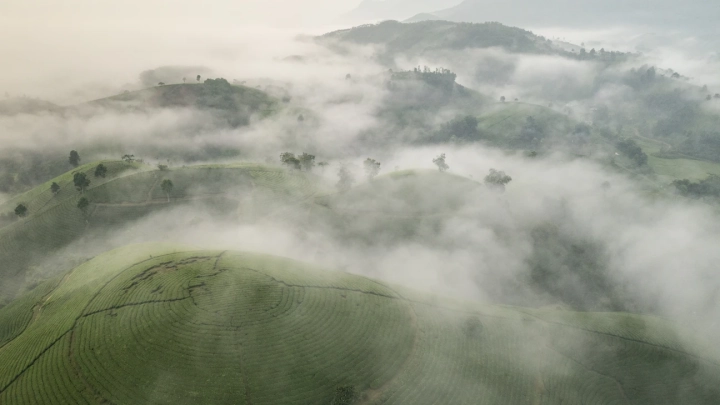
Seasonal Variations in Tea Plantation Photography
During the rainy months, the plantation often wears a fresh, dewy look that can be captured with macro lenses to highlight water droplets on tea leaves. Viet’s suggestion for capturing this scene involves arriving early to catch the mist rising from the hills, which adds a soft, ethereal quality to wide shots. Experienced photographers in Vietnam emphasize the importance of weather monitoring to anticipate these fleeting moments.
In the dry season, the Tea Plantation’s colors become more consistent, and the skies clearer, providing excellent conditions for drone flights. Viet recommends planning drone sessions around midday when the sun is high to minimize shadows and reveal the plantation’s intricate layout from above.
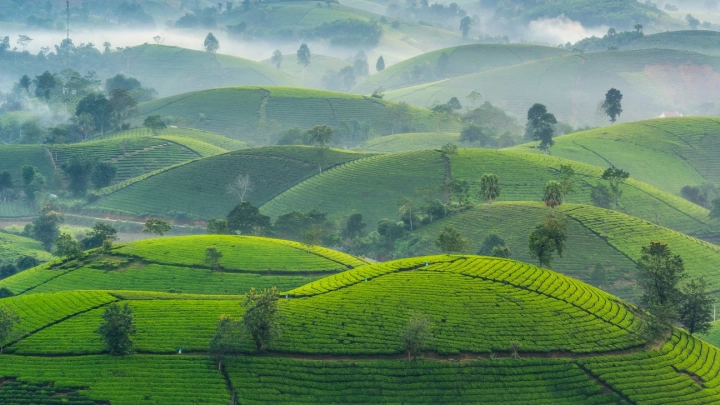
Optimal Times of Day for Tea Plantation Photography
Tran Tuan Viet recommends prioritizing early morning light for its calm atmosphere and soft illumination. The golden hour just after sunrise offers the best balance of light and shadow, ideal for capturing the plantation’s textures and colors. Late afternoon light is also favorable, casting warm tones and long shadows that emphasize the topography.
For drone photographers, mid-morning to early afternoon is often best to avoid strong winds and capture clear aerial views. Viet’s experience shooting this scene has taught him that patience is essential; waiting for the perfect light and weather conditions can transform an ordinary shot into a spectacular one.
Tea Plantation in Phu Tho: Practical Tips and Local Expertise
Incorporating Cultural Elements in Tea Plantation Photography
Phu Tho’s Tea Plantation is not only a natural landscape but also a cultural landmark. Viet recommends engaging with local farmers to capture authentic moments of tea harvesting and processing. Including these human elements adds depth and storytelling to your images, connecting viewers to the region’s heritage.
Vietnam Photo Tours often facilitates these interactions, providing photographers with access to local communities and insider knowledge. This enhances the authenticity of your travel photography and enriches your visual narrative.
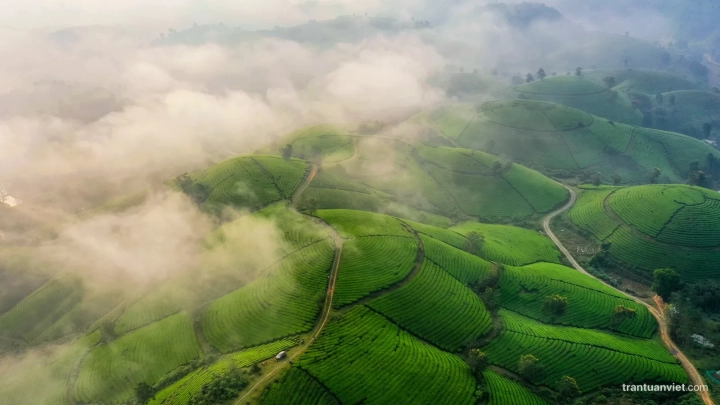
Post-Processing Advice for Tea Plantation Images
Post-processing is an essential step to bring out the best in your Tea Plantation photos. Viet advises enhancing the contrast and saturation subtly to maintain natural tones while emphasizing the lush greens. Use selective sharpening on tea leaves to highlight texture without introducing noise. For drone images, correcting lens distortion and adjusting horizon lines ensures professional-quality results.
Vietnam Photo Tours recommends shooting in RAW to retain maximum detail and flexibility during editing. From Viet’s experience, balancing clarity and softness in post-processing helps convey the plantation’s serene atmosphere effectively.
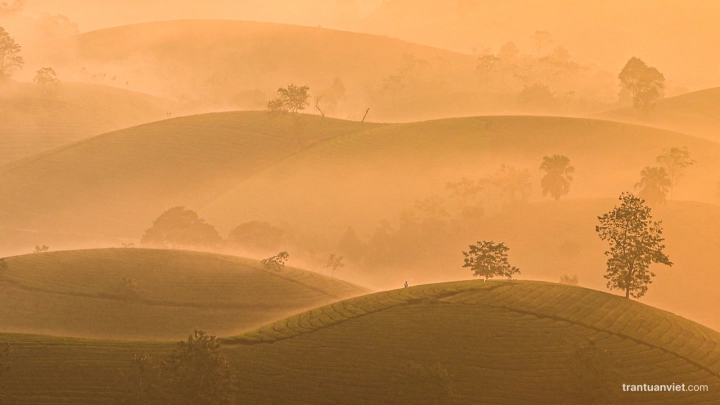
Ready to capture the full potential of Tea Plantation? Join our Vietnam Photo Tours to experience this location with expert guidance and master your photography. With local insights from seasoned photographers like Tran Tuan Viet and hands-on instruction, you’ll unlock the secrets to photographing Phu Tho’s breathtaking tea landscapes in all their seasonal glory.
Similar Photography Genre
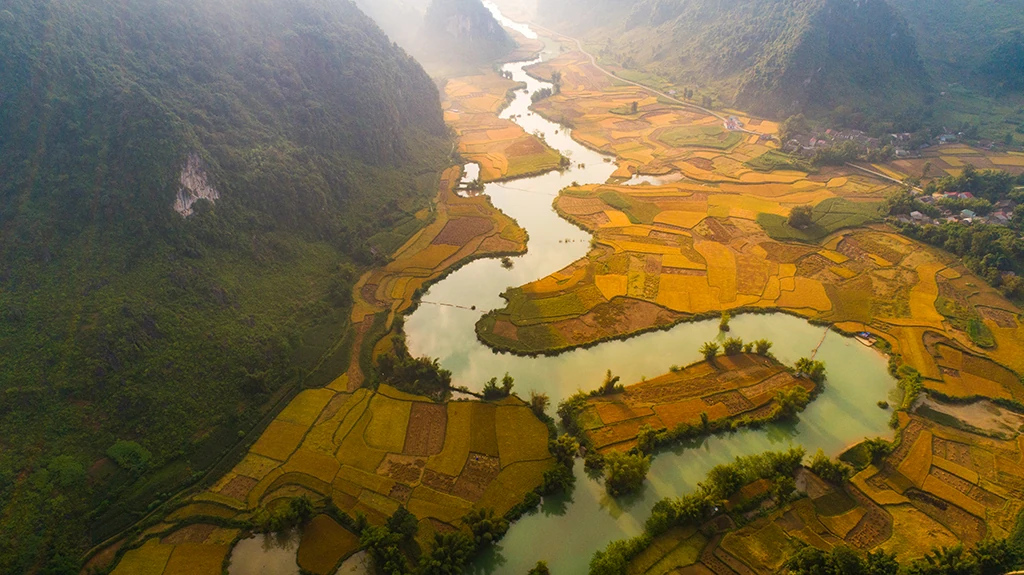
Winding River
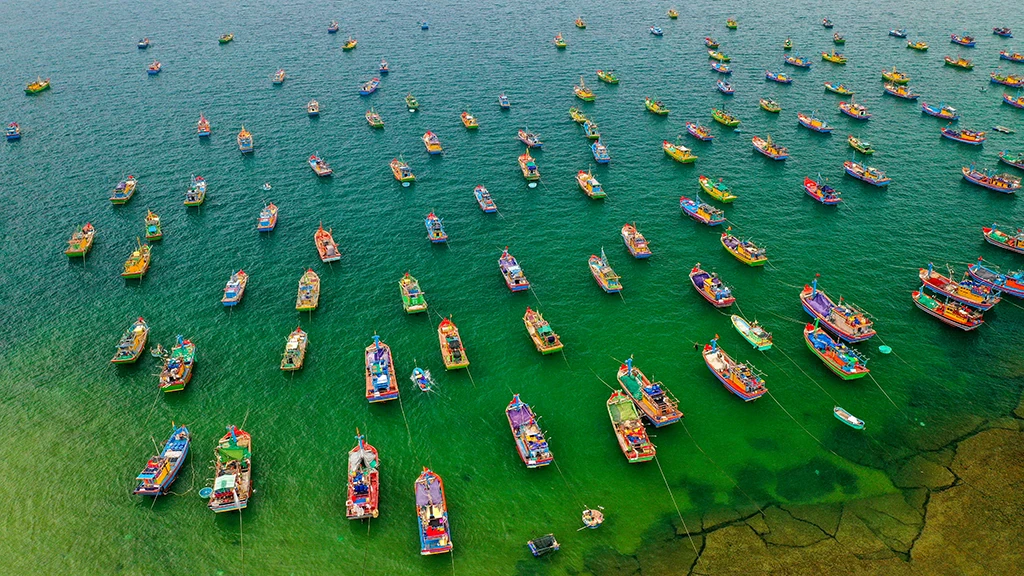
Boat Harbor