Soy Sauce
Vietnam Soy Sauce photography guide offers expert tips on mastering natural light and timing to capture authentic cultural scenes and vibrant details.
Soy Sauce in Hung Yen, Vietnam: Photography Guide
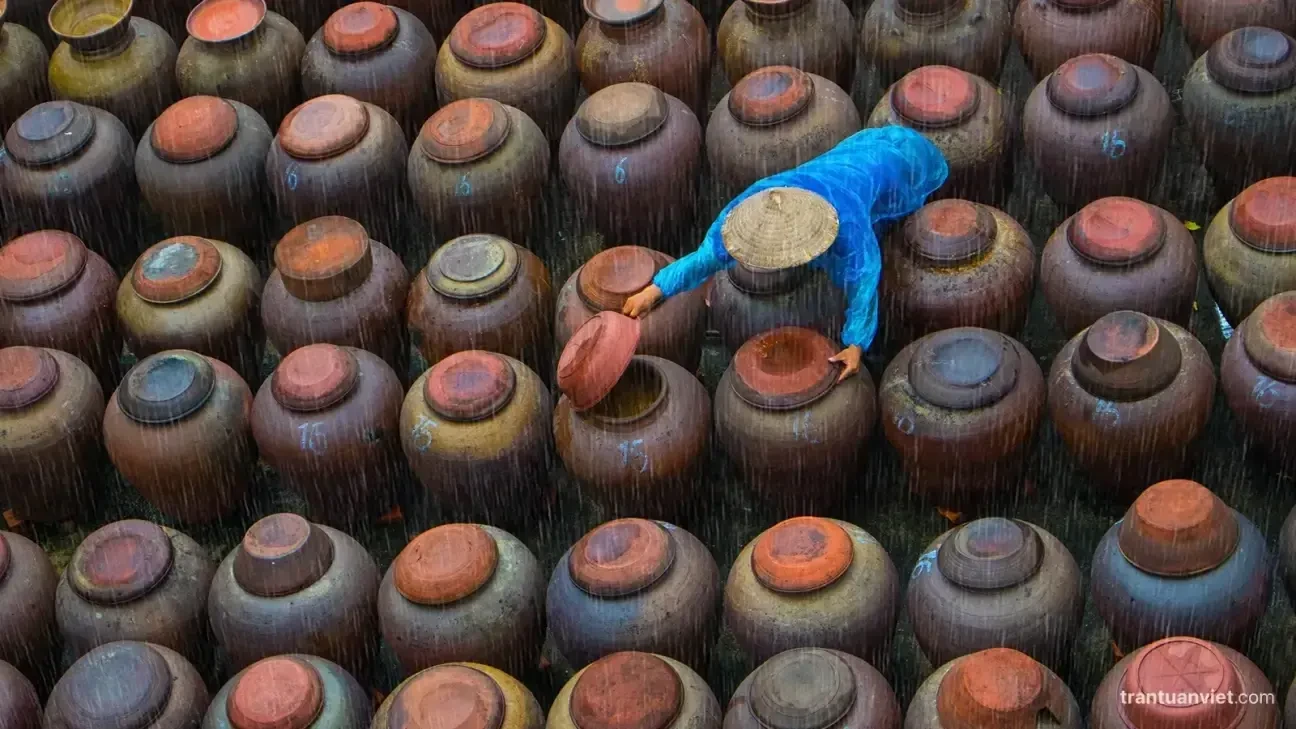
Photographing the Soy Sauce scene in Hung Yen offers a unique window into Vietnam’s rich cultural heritage and artisanal traditions. This location is renowned for its centuries-old soy sauce production, where local families continue crafting this essential condiment using traditional methods. For photographers interested in portrait, culture, and travel genres, Soy Sauce in Hung Yen presents a compelling subject filled with texture, human stories, and atmospheric details. The best part is that this scene is accessible year-round, allowing photographers to explore different lighting and seasonal nuances whenever they visit.
Understanding Soy Sauce as a Photography Subject in Hung Yen
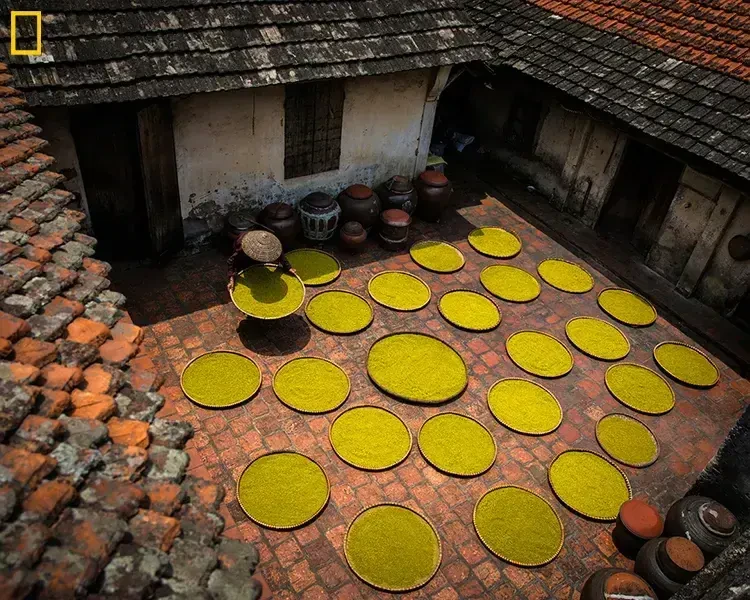
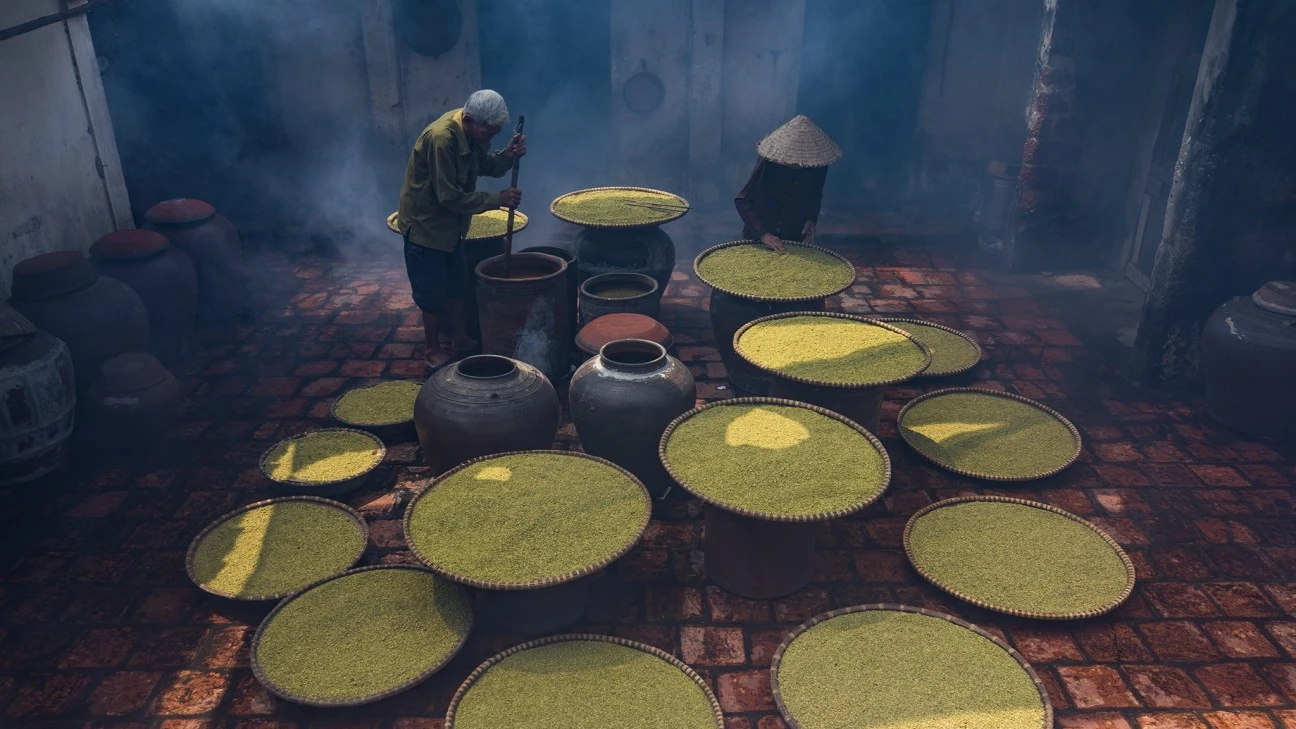
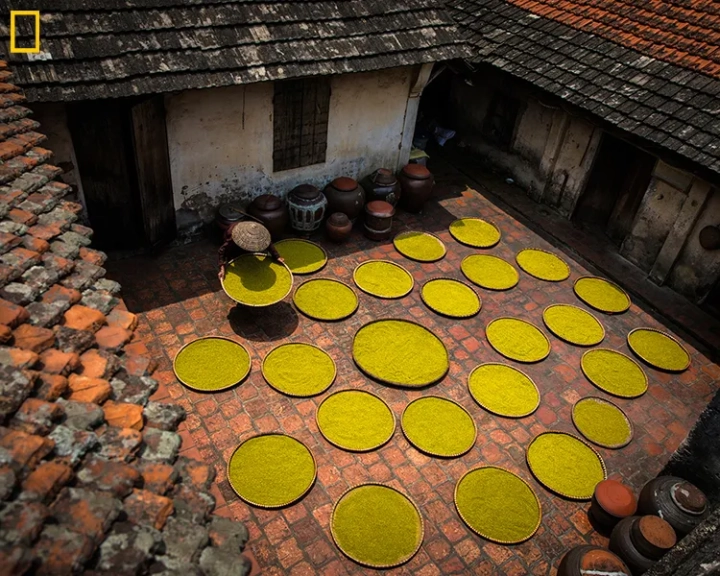
The Soy Sauce scene in Hung Yen is more than just a product; it embodies a cultural narrative that is visually rich and deeply authentic. The fermentation pots, wooden tools, and aged barrels create a textured environment that invites close-up shots and environmental portraits. Experienced photographers in Vietnam suggest focusing on the human element—capturing artisans at work, their hands stained with the dark liquid, and the expressions that reveal dedication and pride. According to Tran Tuan Viet, the best approach for this scene is to balance the intimate portraiture of the workers with wider contextual shots that showcase the traditional production spaces.
From Viet’s experience, the interplay between the rustic setting and the people is a critical element for storytelling. He recommends spending time observing the workflow to anticipate moments where gestures and expressions align with the environment. This approach helps create images that resonate emotionally while documenting an important cultural practice.
Compositional Strategies for Soy Sauce Photography
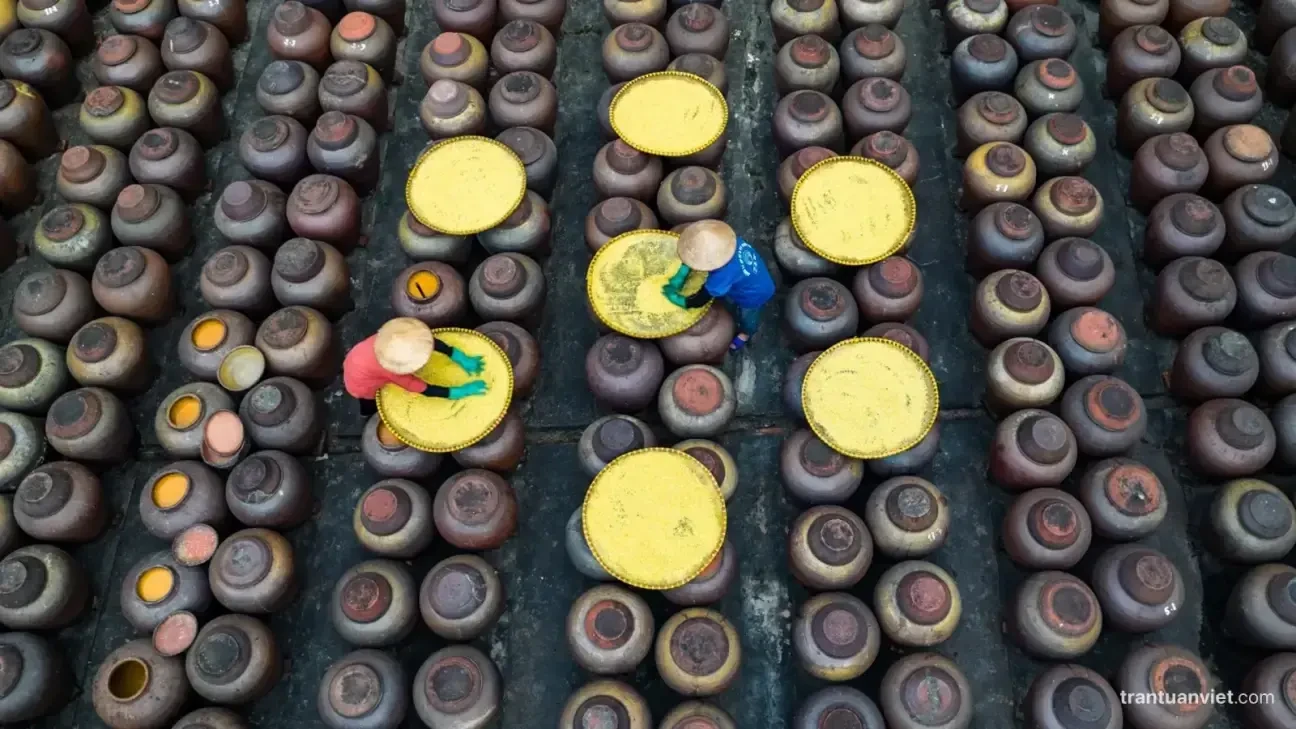
When composing shots of Soy Sauce production in Hung Yen, framing is essential to highlight both the subject and the environment. Viet’s suggestion for capturing this scene involves using leading lines created by rows of fermentation jars or wooden beams to draw the viewer’s eye toward the artisan. Positioning subjects slightly off-center using the rule of thirds enhances visual interest and allows space to show contextual details.
Close-up shots focusing on hands stirring or pouring soy sauce can be highly effective. Using a shallow depth of field isolates these details against blurred backgrounds, emphasizing texture and movement. Experienced photographers in Vietnam also recommend incorporating reflections from the glossy soy sauce surface to add depth and complexity to the composition.
Framing Portraits within the Soy Sauce Scene
Portraits of the soy sauce makers are a key component of this scene. Viet’s experience shooting this scene has taught him that using natural window light or diffused daylight from open doorways creates soft, flattering illumination on faces. Positioning the subject near these light sources while including elements like fermentation pots or wooden tools in the background enriches the narrative.
For environmental portraits, consider a wide-angle lens to capture the artisan in their workspace. This lens choice helps convey the scale and atmosphere of the soy sauce production area, making the portrait more dynamic and immersive. Viet recommends engaging with subjects beforehand to capture natural expressions and moments of concentration or pride.
Lighting Techniques for Capturing Soy Sauce
Lighting Techniques for Capturing Soy Sauce in Hung Yen
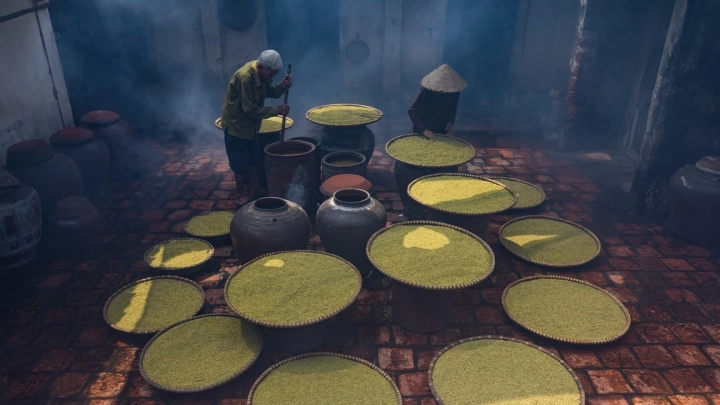
Lighting in the Soy Sauce scene varies throughout the day and can dramatically affect the mood of your images. Early morning and late afternoon offer soft, warm light that enhances the earthy tones of the wooden barrels and fermentation pots. Viet recommends shooting during these times to take advantage of golden hour light, which adds warmth and depth to portraits and still life compositions.
Inside production spaces, lighting can be dim and uneven. Tran Tuan Viet suggests using a reflector to bounce natural light onto shadowed areas, especially when photographing faces or detailed textures. Avoid harsh artificial lighting that can flatten the scene or create unwanted color casts. Instead, embrace the natural ambiance and use a tripod to allow longer exposures if necessary.
Managing Exposure Challenges in Soy Sauce Photography
The dark, glossy surfaces of soy sauce and the shadowed interiors can create exposure challenges. Viet’s suggestion is to use spot metering on the subject’s face or the most important detail to ensure proper exposure. Bracketing exposures can also be helpful to capture the full dynamic range, especially when shooting scenes with bright outdoor light spilling into darker interiors.
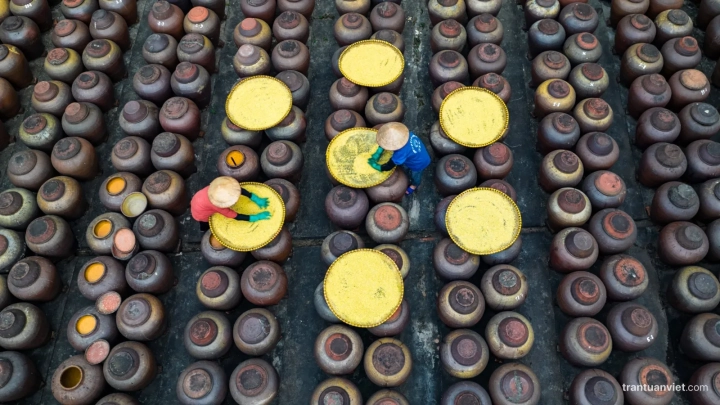
Experienced photographers in Vietnam often recommend shooting in RAW format to retain maximum detail in highlights and shadows, allowing for greater flexibility in post-processing. Adjusting contrast and clarity carefully can bring out the rich textures of the soy sauce and wooden elements without losing subtle tonal variations.
Timing and Equipment Recommendations for Soy Sauce Photography
Best Months and Timing for Soy Sauce Photography in Hung Yen
One of the advantages of photographing Soy Sauce in Hung Yen is that it is accessible year-round. Each season brings subtle changes in ambient light and atmosphere. Viet’s experience indicates that the dry season offers clearer skies and more consistent lighting conditions, while the rainy season adds a moody, diffused light that can enhance the rustic feel of the scene.
Visiting early in the morning allows photographers to capture workers beginning their day, often with mist or soft light filtering through the production spaces. Late afternoon provides opportunities for warm, directional light that emphasizes textures and creates dramatic shadows. Planning your shoot around these times maximizes the visual impact of your images.
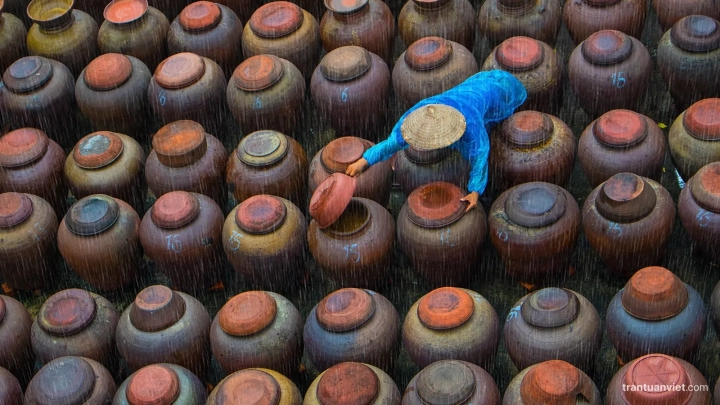
Soy Sauce: Equipment and Settings for Optimal Results
For Soy Sauce photography in Hung Yen, a versatile kit is essential. Viet recommends a standard zoom lens (24-70mm) for flexibility in framing both portraits and environmental shots. A prime lens with a wide aperture (such as 50mm f/1.8) is ideal for low-light interiors and achieving a shallow depth of field. A sturdy tripod is invaluable for longer exposures in dimly lit spaces.
Camera settings should prioritize a low ISO to maintain image quality, with aperture adjusted to control depth of field depending on the shot. For portraits, an aperture between f/2.8 and f/4 balances subject isolation with sufficient detail. For wider shots, f/8 to f/11 ensures sharpness throughout the frame. Viet’s suggestion is to experiment with manual focus in low light to ensure precision, especially when shooting close-ups.
To truly master this location, consider joining Vietnam Photo Tours for a guided photography experience designed to help photographers capture stunning images at Soy Sauce in Hung Yen. With expert local guidance and insider tips from experienced photographers like Tran Tuan Viet, you will gain invaluable knowledge and access to authentic moments that elevate your work. Ready to capture the full potential of Soy Sauce? Join our Vietnam Photo Tours to experience this location with expert guidance and master your photography.
More Scenes
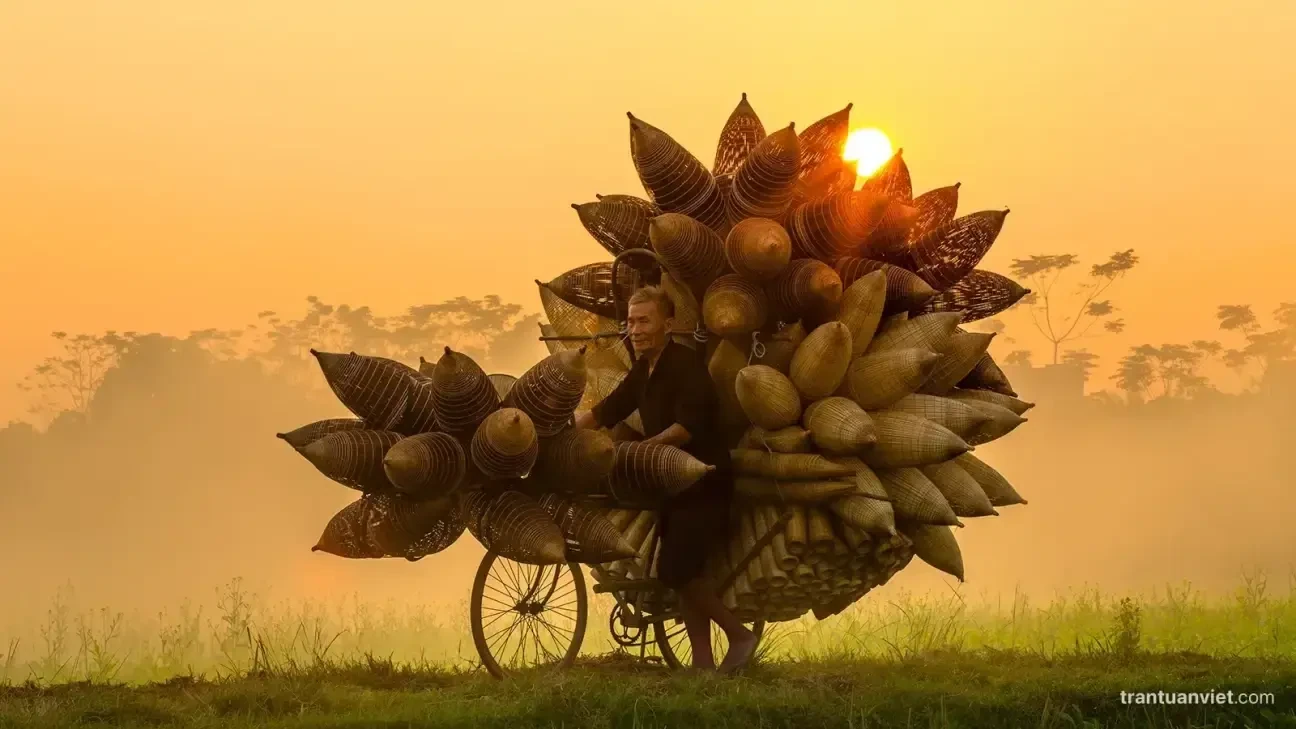
Basket Village
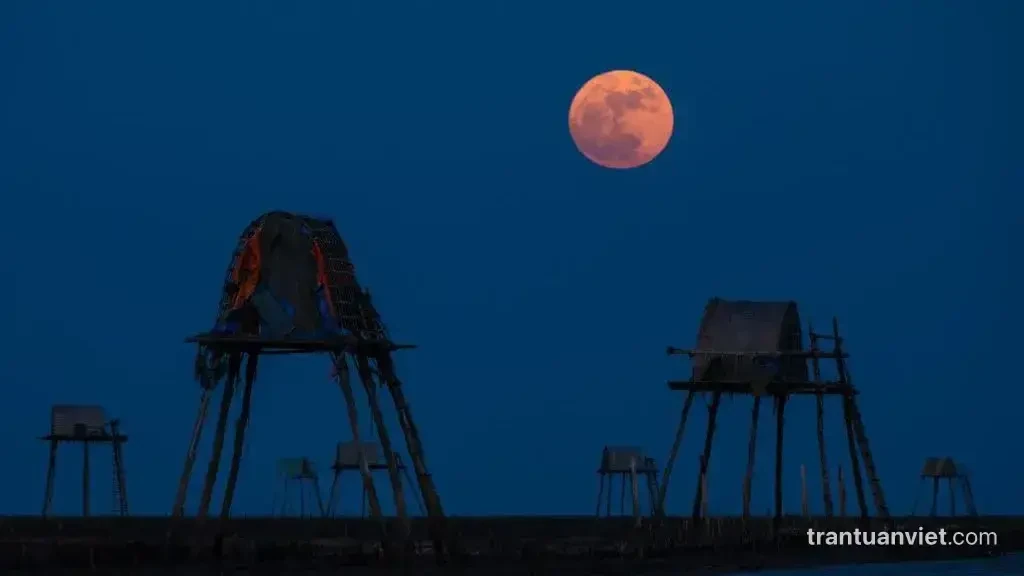
Clam Hut
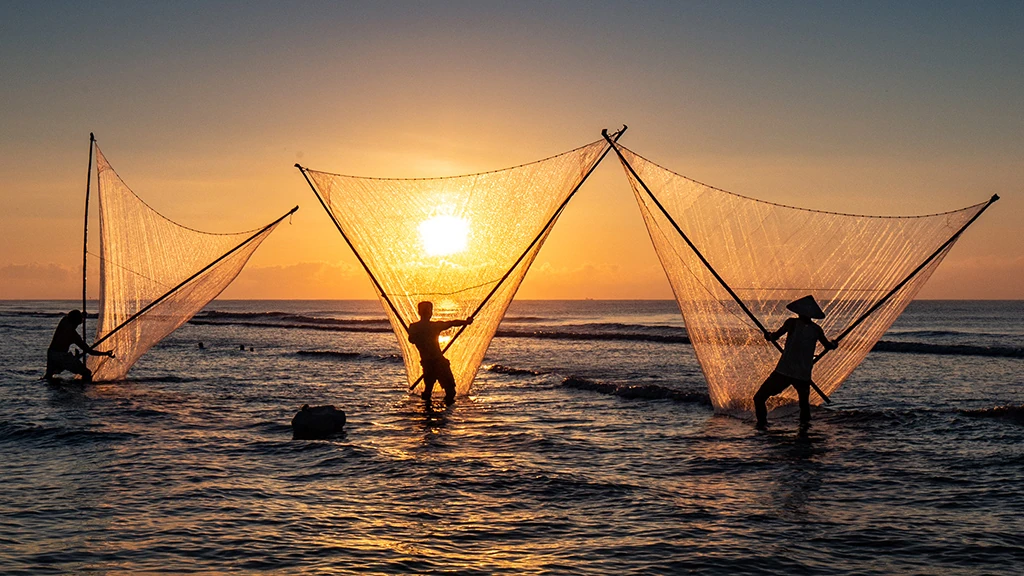
V-Shape Net
Similar Photography Genre
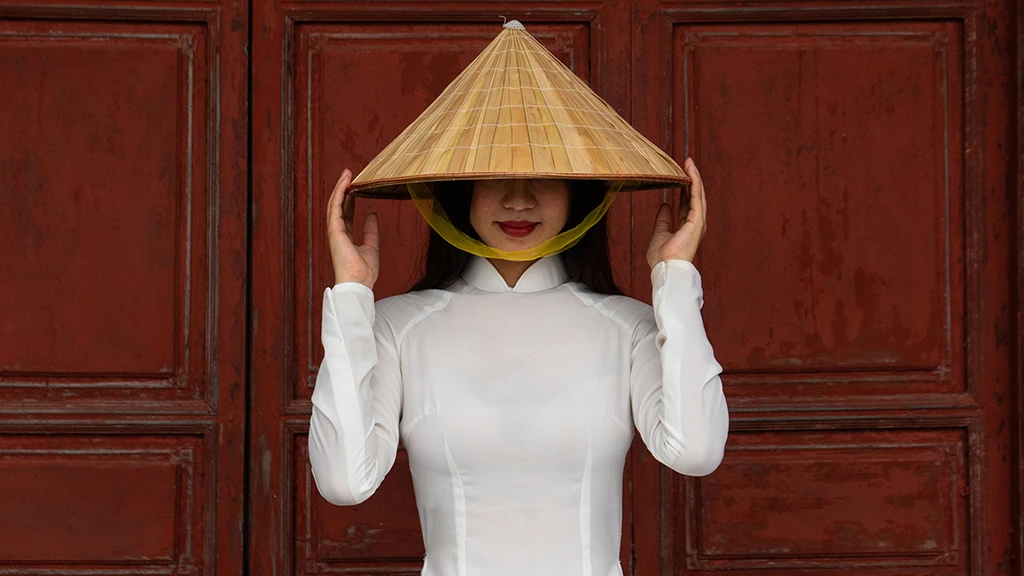
Ao Dai Model
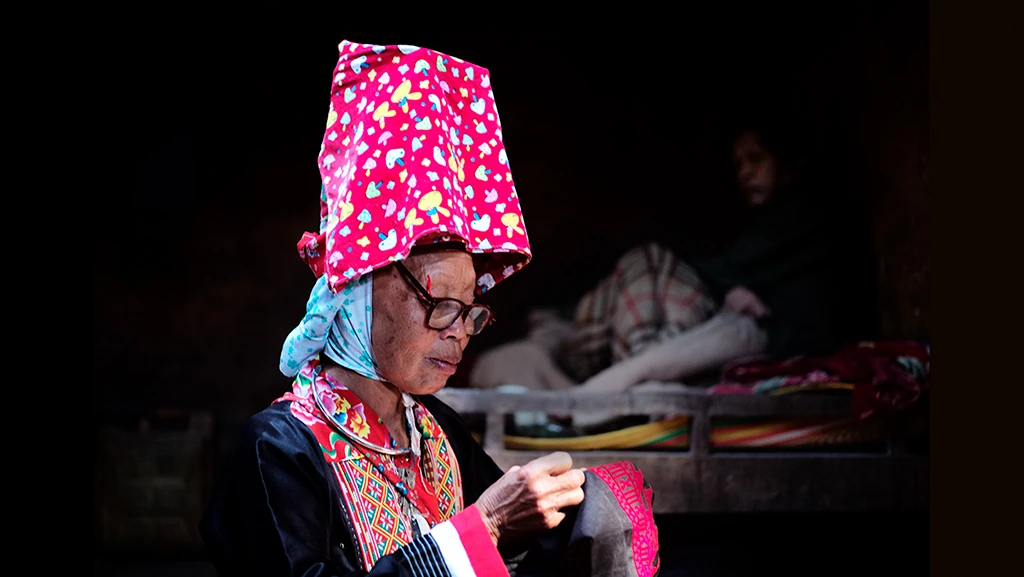
Red Dzao People