Silk Drying
Master lighting and timing techniques in Vietnam Silk Drying photography guide, capturing vibrant textures and authentic cultural moments with expert insight.
Silk Drying in Ha Noi, Vietnam: Photography Guide
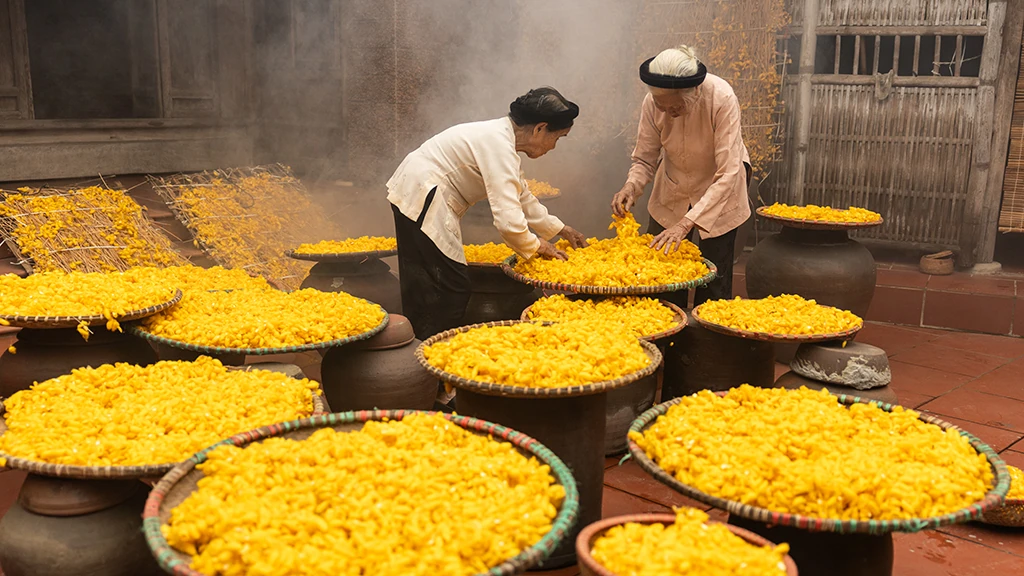
Photographing Silk Drying in Ha Noi offers a unique window into Vietnam’s rich cultural heritage and artisanal craftsmanship. This scene combines vibrant colors, intricate textures, and human elements that appeal to portrait, culture, travel, and conceptual photographers alike. The process of drying silk in open-air settings, often on bamboo frames or wooden racks, creates compelling visual narratives that reflect tradition and daily life in Ha Noi. From Viet’s experience, capturing this scene requires a blend of technical precision and cultural sensitivity to reveal the delicate beauty and labor behind silk production.
Understanding Silk Drying as a Photography Subject
Silk Drying in Ha Noi is more than just a static subject; it is a dynamic process involving artisans carefully handling delicate silk fabrics. The translucent quality of silk, combined with the natural sunlight filtering through, creates a soft glow that can be harnessed to emphasize texture and color vibrancy. Experienced photographers in Vietnam suggest focusing on the interplay between light and fabric folds to highlight the silk’s sheen and translucency. Viet recommends observing the drying racks during different times of day to capture varying light intensities and shadow patterns, which add depth and mood to your images.
Because this scene often includes local workers, it offers excellent opportunities for portraiture that tells a story. Viet’s suggestion for capturing Silk Drying portraits involves using a wide aperture to isolate subjects against the colorful backdrop of drying silk, creating a strong visual contrast that draws attention to facial expressions and hand movements.
Compositional Strategies for Silk Drying Photography
Composition plays a critical role in conveying the cultural richness of Silk Drying in Ha Noi. Viet’s experience shooting this scene has taught him that layering elements—such as overlapping silk panels, bamboo poles, and artisans at work—creates a multi-dimensional frame that invites viewers to explore the image. Using leading lines formed by the drying racks can guide the eye through the scene, enhancing the storytelling aspect.
For conceptual photographers, Viet recommends experimenting with symmetry and repetition by framing rows of silk drying in parallel lines. This approach emphasizes the rhythm and pattern inherent in the process, transforming a cultural activity into an abstract visual composition. Additionally, including subtle environmental details like traditional Ha Noi architecture or street elements can anchor the scene geographically and culturally.
Silk Drying: Framing and Perspective Tips
Viet advises varying your shooting angles to capture the full essence of Silk Drying. Shooting from a low angle can emphasize the height and scale of the drying racks, while a top-down perspective reveals the intricate patterns and colors of the silk laid out below. Using a telephoto lens allows you to isolate details such as the texture of the silk or the hands of the artisans, while a wide-angle lens helps capture the broader context of the drying area.
Experienced photographers in Vietnam also suggest incorporating negative space to balance busy compositions, especially when silk panels create strong visual textures. Viet’s suggestion is to look for moments when the silk catches the wind, adding a sense of movement and life to your shots.
Lighting Techniques for Capturing Silk Drying
Natural light is a critical element when photographing Silk Drying in Ha Noi. Viet recommends shooting during the golden hours—early morning and late afternoon—when the sunlight is soft and warm, enhancing the silk’s natural colors without harsh shadows. During midday, the light can be intense and create high contrast scenes, so Viet suggests using a polarizing filter to reduce glare and enhance color saturation.
In overcast conditions, the diffused light softens shadows and reveals subtle textures in the silk fabric, which can be ideal for close-up shots. Viet’s experience shooting this scene has taught him to adjust exposure carefully to avoid losing detail in the highlights, especially when silk is backlit by the sun. Using spot metering on the silk fabric helps maintain proper exposure and preserves the delicate tonal range.
Silk Drying: Managing Challenging Lighting Conditions
Ha Noi’s variable weather means photographers must be adaptable. Viet recommends carrying a reflector to bounce light onto shadowed areas, especially when photographing portraits of artisans. In shaded or indoor drying areas, using a fast prime lens with a wide aperture (f/1.8 or wider) helps capture sharp images with natural light without raising ISO too high.
Experienced photographers in Vietnam also suggest experimenting with silhouettes during sunrise or sunset, where the silk drying racks create striking shapes against colorful skies. This technique adds a conceptual and dramatic dimension to the Silk Drying scene.
Silk Drying: Equipment and Settings for Ha Noi Photography
Recommended Gear for Silk Drying Photography
According to Tran Tuan Viet, the best approach for this scene is to use versatile equipment that allows quick adaptation to changing light and composition. A DSLR or mirrorless camera with a full-frame sensor is ideal for capturing the fine details and vibrant colors of silk. Viet recommends bringing a 24-70mm zoom lens for flexibility in framing both wide environmental shots and tighter portraits.
For detailed texture shots, a macro lens can reveal the intricate weave of silk fibers, adding a tactile quality to your images. Viet’s suggestion for capturing Silk Drying involves carrying a lightweight tripod to stabilize shots in low light, especially during early morning or late afternoon sessions.
Camera Settings for Optimal Silk Drying Images
Viet recommends shooting in RAW format to maximize post-processing flexibility, particularly for color correction and highlight recovery. For exposure, using a low ISO setting (100-400) ensures minimal noise and crisp details. Aperture settings between f/4 and f/8 balance depth of field and sharpness, allowing both the silk texture and human subjects to remain in focus.
When photographing portraits within the Silk Drying scene, Viet advises using continuous autofocus to track subtle movements of artisans and a shutter speed of at least 1/200 second to freeze motion. For conceptual shots emphasizing fabric movement, slower shutter speeds combined with panning can create artistic blur effects.
Silk Drying in Ha Noi: Seasonal and Timing Considerations
Best Months and Times for Silk Drying Photography
One of the advantages of Silk Drying in Ha Noi is that it can be photographed year-round. Viet notes that each season offers distinct lighting and atmospheric conditions that influence the mood of your images. The dry season, from November to April, provides crisp air and clear skies, ideal for sharp, colorful shots. The rainy season, from May to October, introduces softer light and occasional mist, which can add a poetic quality to your photographs.
Viet recommends visiting early in the morning when the silk is freshly laid out and artisans are actively working. This timing offers dynamic scenes with natural human interaction and the warm glow of sunrise light. Late afternoon also provides beautiful backlighting and long shadows that enhance texture and depth.
Capturing Cultural Context in Silk Drying Photography
To fully convey the cultural significance of Silk Drying in Ha Noi, Viet suggests engaging with local artisans respectfully and observing their workflow. Including hands at work, traditional tools, and the surrounding environment enriches your images with authentic storytelling elements. Experienced photographers in Vietnam emphasize the importance of patience and timing to capture candid moments that reveal the human connection to this ancient craft.
Ready to capture the full potential of Silk Drying? Join our Vietnam Photo Tours to experience this location with expert guidance and master your photography. With local insights from Tran Tuan Viet and other seasoned photographers, you will learn how to harness Ha Noi’s unique light, composition, and cultural richness to create compelling images that stand out. To truly master this location, consider joining Vietnam Photo Tours for a guided photography experience designed to help photographers capture stunning images at Silk Drying in Ha Noi.
More Scenes
Ao Dai Model
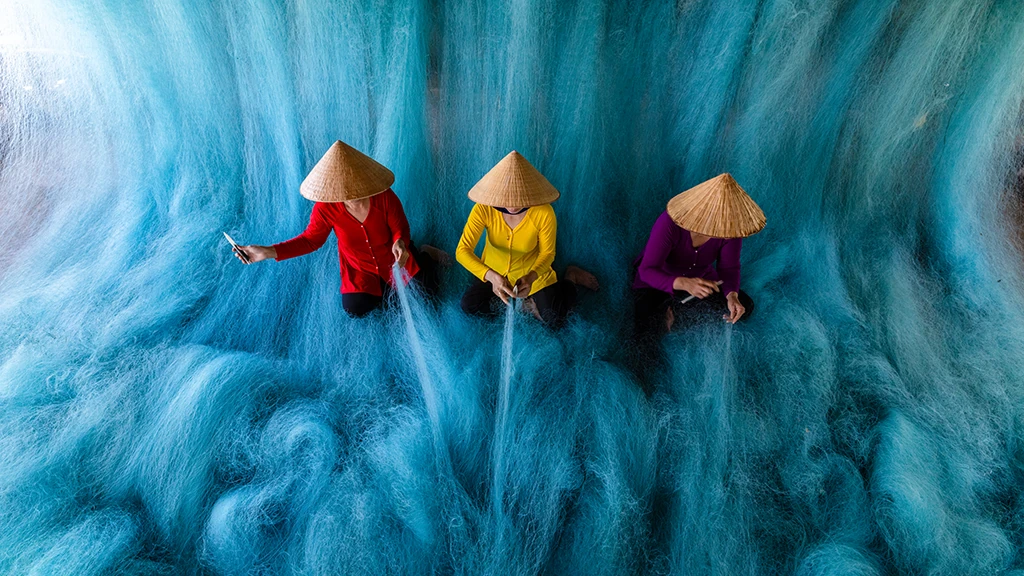
Blue Net
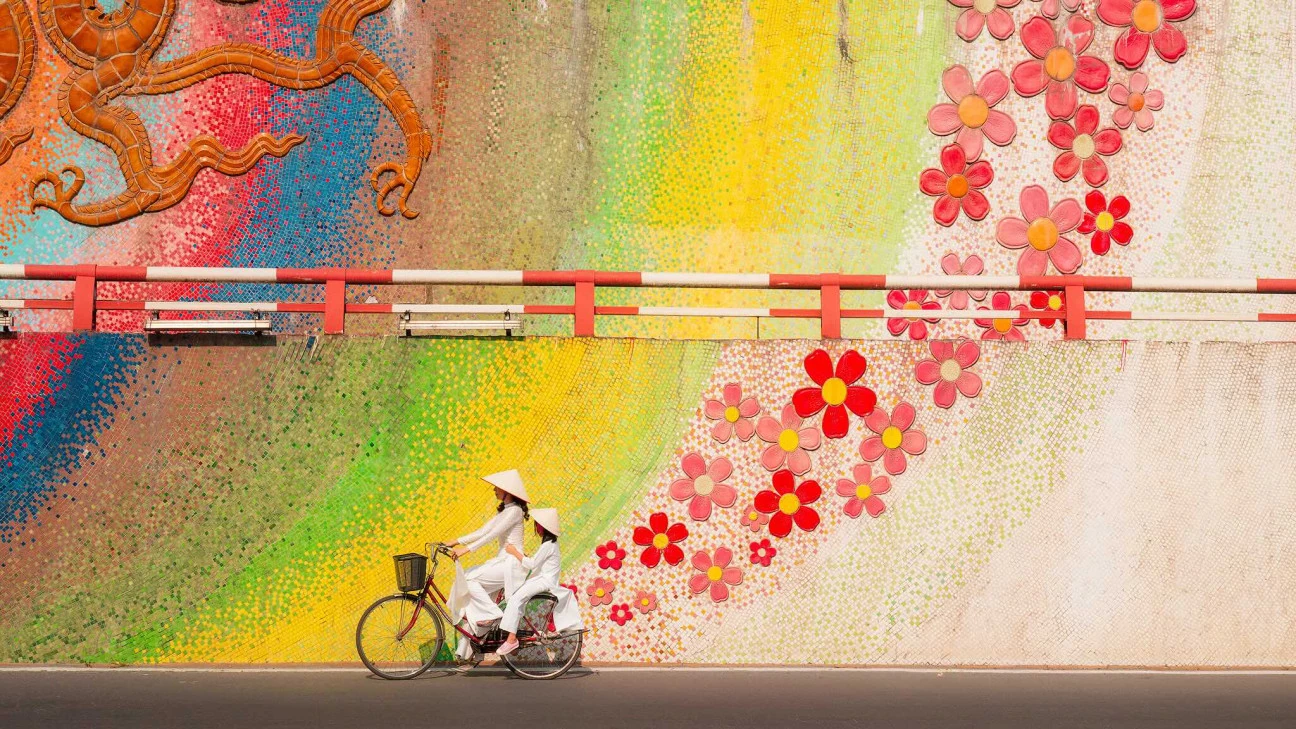
Ceramic Road
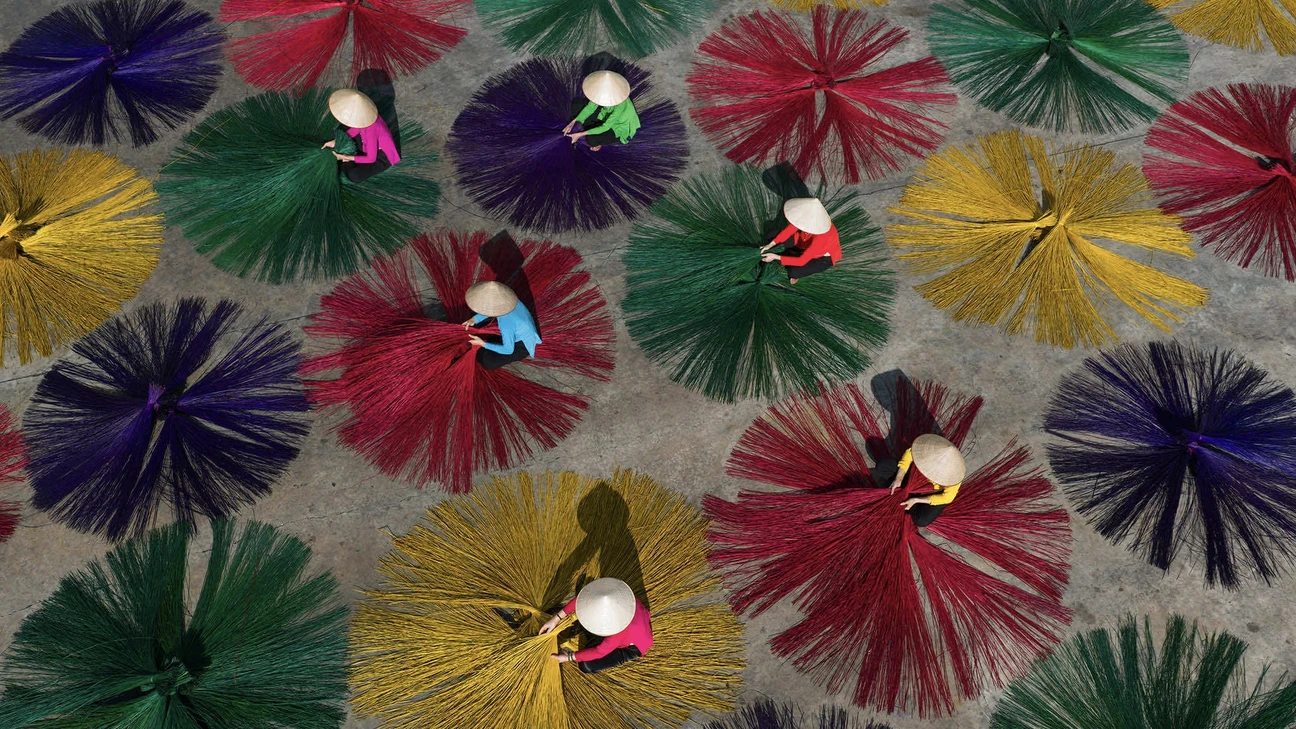
Colorful Sedge
Similar Photography Genre