Sheep Farming
Discover Vietnam Sheep Farming photography guide offering expert insights on natural lighting, timing, and composition to capture authentic rural life scenes.
Sheep Farming in Ninh Thuan, Vietnam: Photography Guide
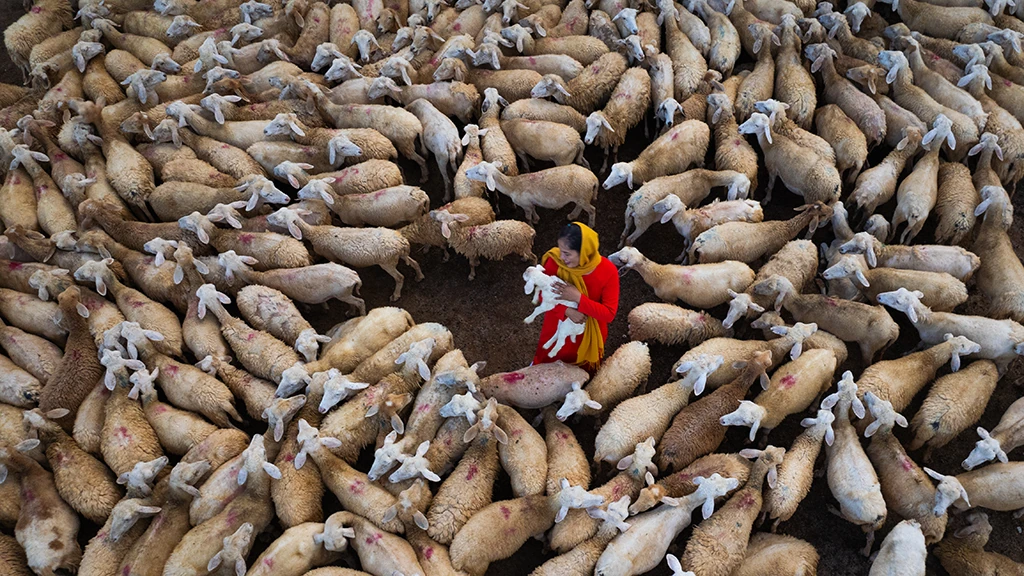
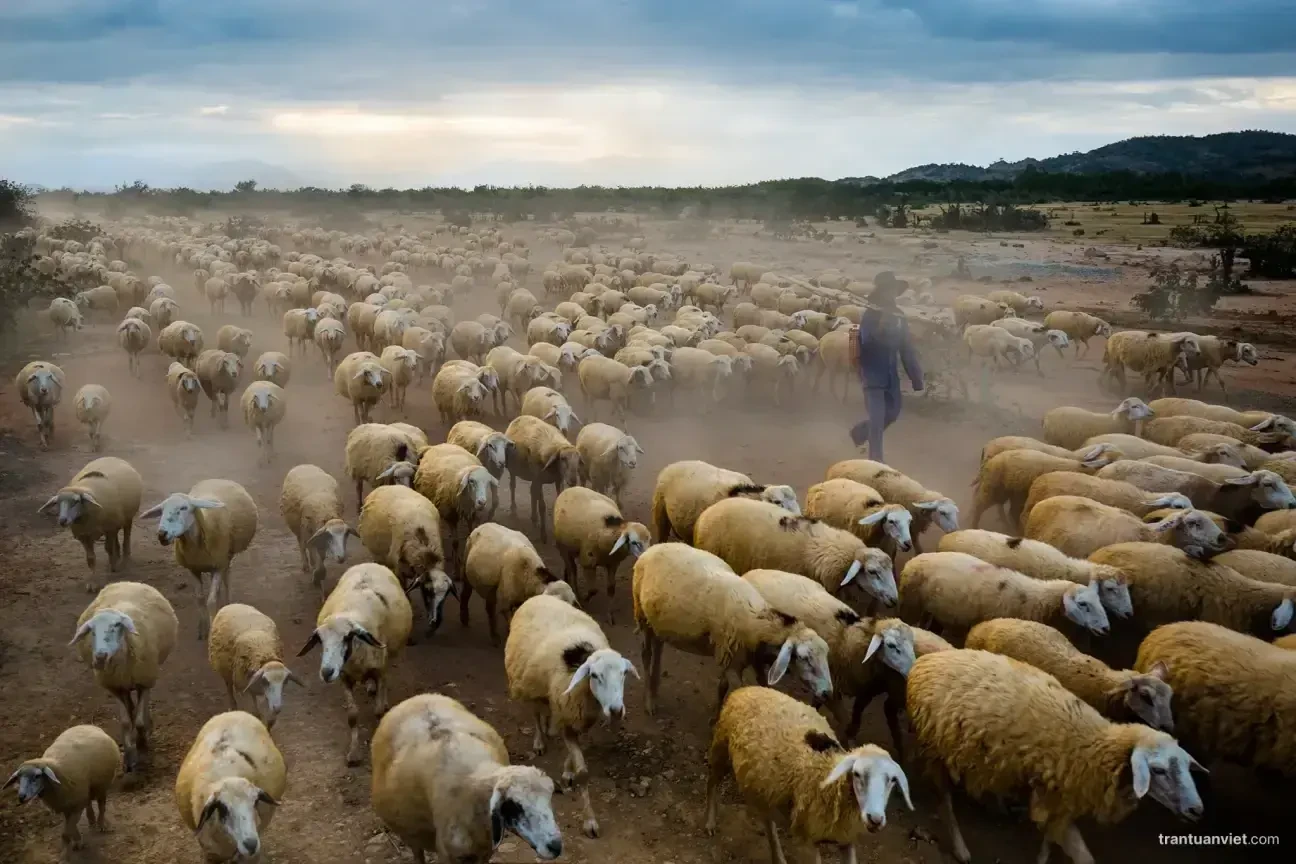
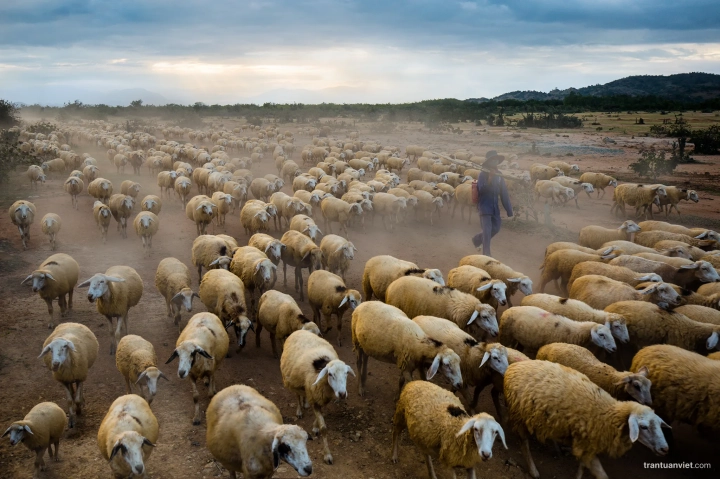
Sheep farming in Ninh Thuan offers a unique window into rural Vietnamese life, presenting photographers with rich opportunities to capture compelling portraits, cultural narratives, and travel imagery. This scene is vibrant year-round, making it accessible for photographers interested in exploring the intersection of traditional livelihoods and the distinctive landscapes of southern Vietnam. Ninh Thuan’s arid climate and open pastures provide a backdrop that contrasts beautifully with the textures and colors of the sheep and the farmers who care for them. According to Tran Tuan Viet, the best approach for photographing sheep farming in this region involves immersing oneself in the daily routines of the shepherds to capture authentic moments that reveal the cultural depth of this practice.
Understanding Sheep Farming as a Photography Subject in Ninh Thuan
Sheep farming in Ninh Thuan is not just about the animals but also about the relationship between the farmers and their environment. The pastoral lifestyle here is deeply connected to the land, and this connection is a critical element for storytelling through photography. Experienced photographers in Vietnam suggest focusing on the human element—portraits of shepherds, their interactions with the sheep, and the tools of their trade—to convey the cultural significance of this scene. Viet’s experience shooting sheep farming has taught him that patience and respect for the subjects are essential to capturing genuine expressions and moments of quiet labor.
Photographers should also pay attention to the seasonal variations in Ninh Thuan, although the scene is accessible year-round. The dry season brings sharper light and clearer skies, which can enhance the textures of the sheep’s wool and the rugged terrain. Conversely, the wet season offers softer light and more vibrant vegetation, adding a different mood and color palette to images. Viet recommends scouting locations early to find vantage points that showcase the expansive grazing fields alongside the daily activities of the farmers.
Compositional Strategies for Sheep Farming Photography
Composition plays a pivotal role in conveying the story of sheep farming in Ninh Thuan. Viet suggests using a combination of wide-angle and telephoto lenses to vary perspectives. Wide-angle lenses allow photographers to capture the vastness of the landscape and the scale of the flock, emphasizing the environment in which the sheep farming takes place. Telephoto lenses, on the other hand, are ideal for intimate portraits and isolating details such as the texture of the sheep’s wool or the weathered hands of the shepherds.
Leading lines created by fences, pathways, or rows of grazing sheep can guide the viewer’s eye through the frame, creating a dynamic composition. Experienced photographers in Vietnam also recommend incorporating foreground elements like tufts of grass or farm tools to add depth and context. Viet’s suggestion for capturing this scene involves framing shepherds in natural light against the backdrop of rolling hills or the open sky to highlight their connection to the land.
Sheep Farming: Capturing Movement and Interaction
Movement is another key visual element in sheep farming photography. Capturing the flock as it moves or the shepherds as they guide the animals can add energy and narrative to images. Viet recommends using a faster shutter speed to freeze motion when photographing running sheep or the shepherd’s gestures. Alternatively, a slower shutter speed with panning techniques can convey a sense of motion and activity. This approach requires practice but can produce striking images that communicate the rhythm of farm life.
Additionally, capturing candid moments of interaction between shepherds and sheep—such as feeding, herding, or resting—adds emotional depth. Viet’s experience emphasizes the importance of blending into the environment to avoid disturbing these natural behaviors, allowing for more authentic and expressive photographs.
Lighting Techniques for Capturing Sheep Farming
Lighting Techniques for Capturing Sheep Farming in Ninh Thuan
Lighting conditions in Ninh Thuan vary significantly throughout the day, and understanding how to use natural light effectively is essential for photographing sheep farming. Tran Tuan Viet recommends shooting during the golden hour—shortly after sunrise or before sunset—when the warm, soft light enhances the textures of the sheep’s wool and the earthy tones of the landscape. This light also creates long shadows that add dimensionality to portraits and environmental shots.
Midday light in Ninh Thuan can be harsh due to the region’s clear skies and dry climate. Viet advises using this time for black-and-white photography or high-contrast images that emphasize shapes and forms. Alternatively, photographers can seek shaded areas or use reflectors to soften shadows on faces and animals. Experienced photographers in Vietnam also suggest experimenting with backlighting to create silhouettes of shepherds and sheep against the bright sky, adding dramatic effect.
Sheep Farming: Managing Exposure and Dynamic Range
One challenge when photographing sheep farming in Ninh Thuan is managing the narrow dynamic range caused by bright sunlight and deep shadows. Viet recommends using spot metering to expose correctly for the main subject, whether it is a shepherd’s face or the sheep’s fleece. Shooting in RAW format is essential to retain maximum detail for post-processing adjustments. Vietnam Photo Tours guides often emphasize the importance of bracketing exposures in this scene to capture a range of tones and ensure flexibility when editing.
Sheep Farming: Equipment and Timing Recommendations
Sheep Farming: Equipment and Settings for Optimal Results
Choosing the right equipment is crucial for capturing the diverse photographic opportunities in sheep farming. Viet recommends a versatile zoom lens ranging from 24-70mm for general shooting and a telephoto lens around 70-200mm for portraits and distant subjects. A sturdy tripod can be helpful for low-light conditions during early morning or late afternoon shoots. Using a polarizing filter can reduce glare from the sun and enhance the colors of the landscape and sheep’s wool.
Camera settings should be adjusted based on the desired effect. For sharp portraits, use a wide aperture (f/2.8 to f/4) to achieve a shallow depth of field that isolates the subject from the background. For landscape shots that include the flock and environment, a smaller aperture (f/8 to f/11) ensures greater depth of field and detail. Viet’s suggestion for capturing this scene involves balancing ISO and shutter speed to maintain image quality while adapting to changing light conditions.
Sheep Farming: Best Months and Timing for Photography in Ninh Thuan
Sheep farming in Ninh Thuan can be photographed year-round, but Viet highlights subtle seasonal differences that affect the mood and lighting. The dry season, from November to April, offers clear skies and crisp light, ideal for sharp, vibrant images. The rainy season, from May to October, brings softer light and greener pastures, which can add freshness and contrast to the scene. Viet recommends planning shoots around early morning or late afternoon to take advantage of the best natural light and to capture shepherds beginning or ending their daily routines.
To truly master this location, consider joining Vietnam Photo Tours for a guided photography experience designed to help photographers capture stunning images at Sheep Farming in Ninh Thuan. With expert guidance, local insights, and hands-on support, you will gain the skills and confidence to create powerful visual stories of this unique Vietnamese cultural landscape.
More Scenes
Boat Harbor
Chams People

Coracle Fishermen
Drying Fish
Similar Photography Genre
Hoi Cake
HMong People