Rice Terraces
Vietnam Rice Terraces photography guide offers expert tips on mastering natural light and timing to capture breathtaking landscapes and vibrant rural scenes.
Rice Terraces in Mu Cang Chai, Vietnam: Photography Guide
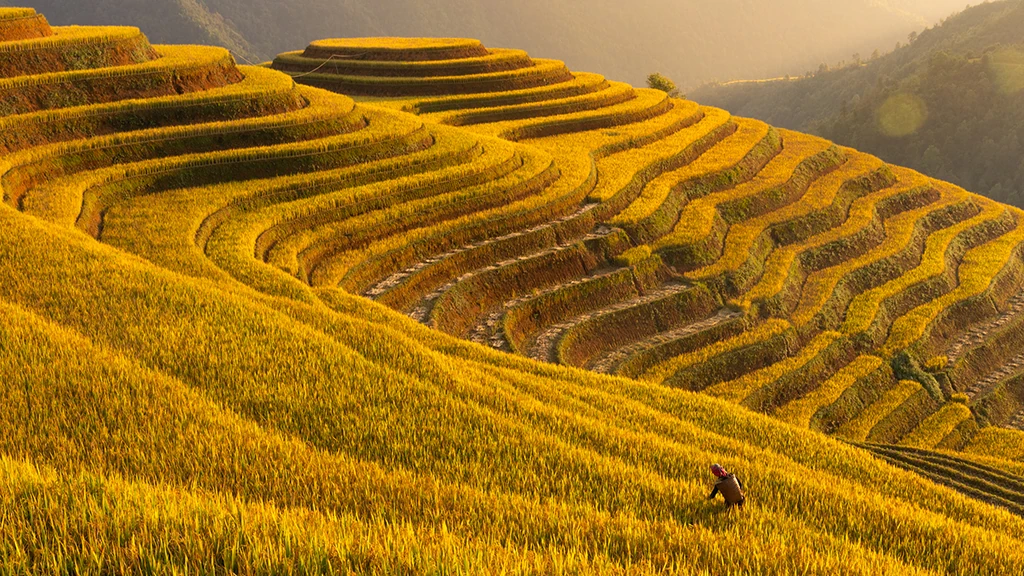
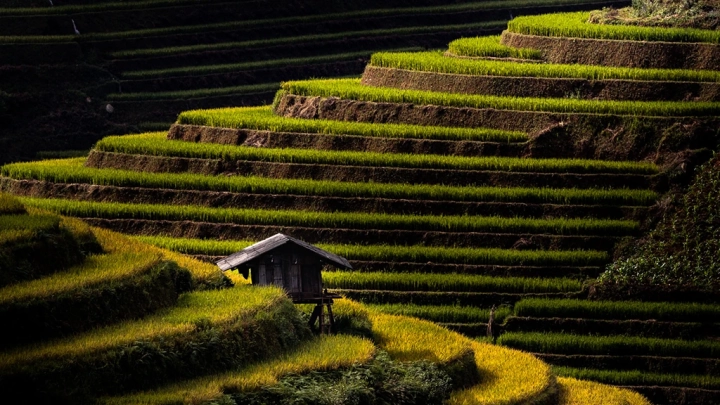
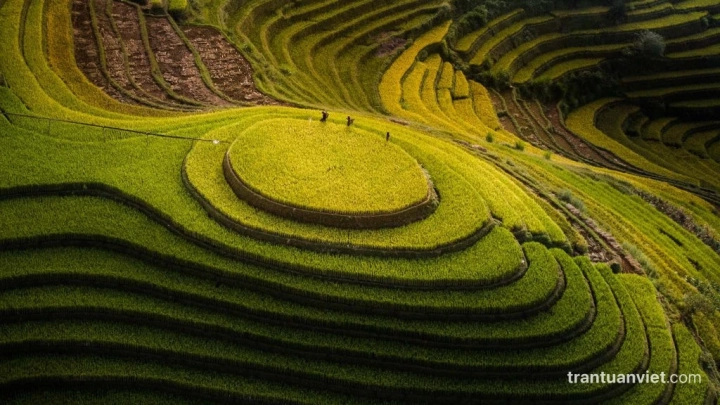
Mu Cang Chai’s Rice Terraces offer one of Vietnam’s most visually striking landscapes, blending natural beauty with cultural heritage. Photographers drawn to landscape, culture, travel, and drone photography will find this location particularly rewarding, especially during the best months to visit—September, October, and November. These months coincide with the harvest season, when the terraces transform into a patchwork of golden hues, creating compelling contrasts and textures that are ideal for capturing with a camera.
Compositional Strategies for Rice Terraces Photography
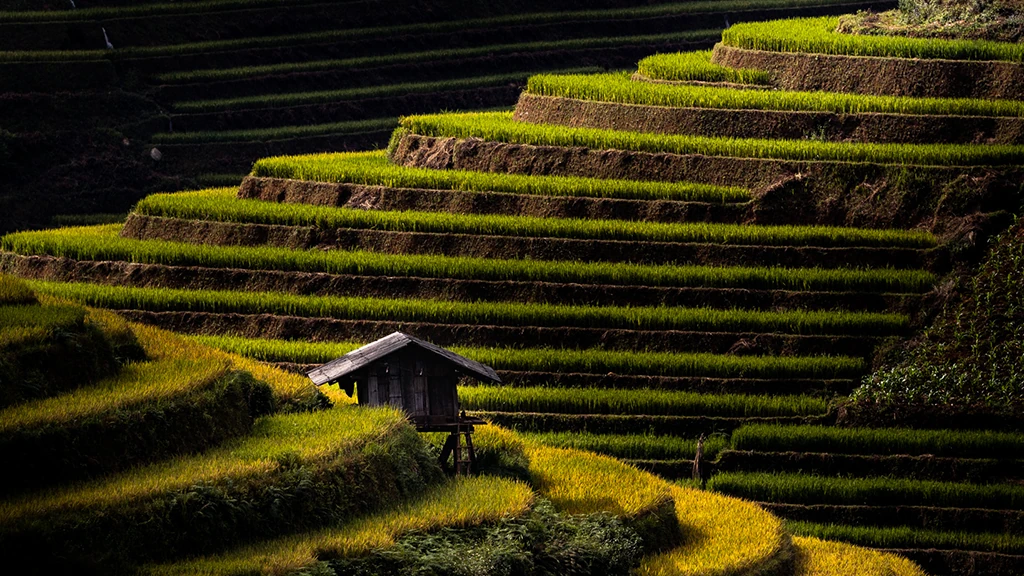
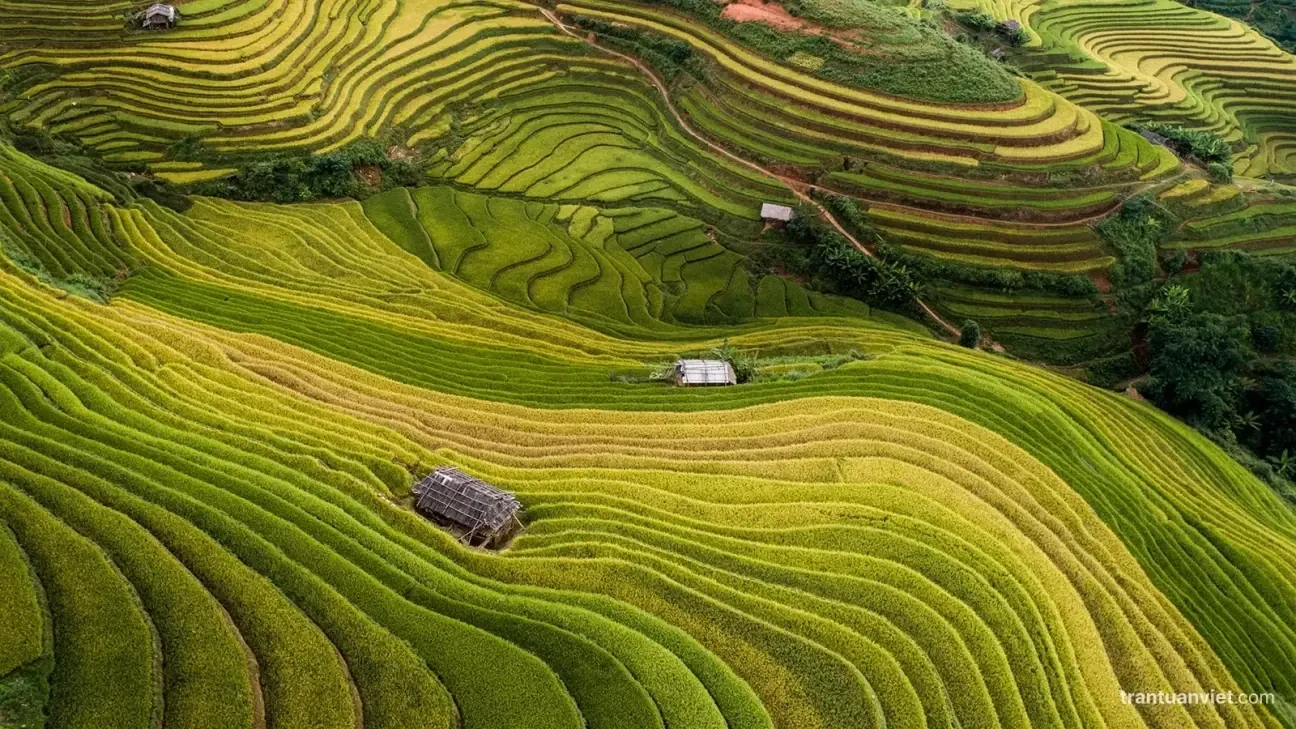
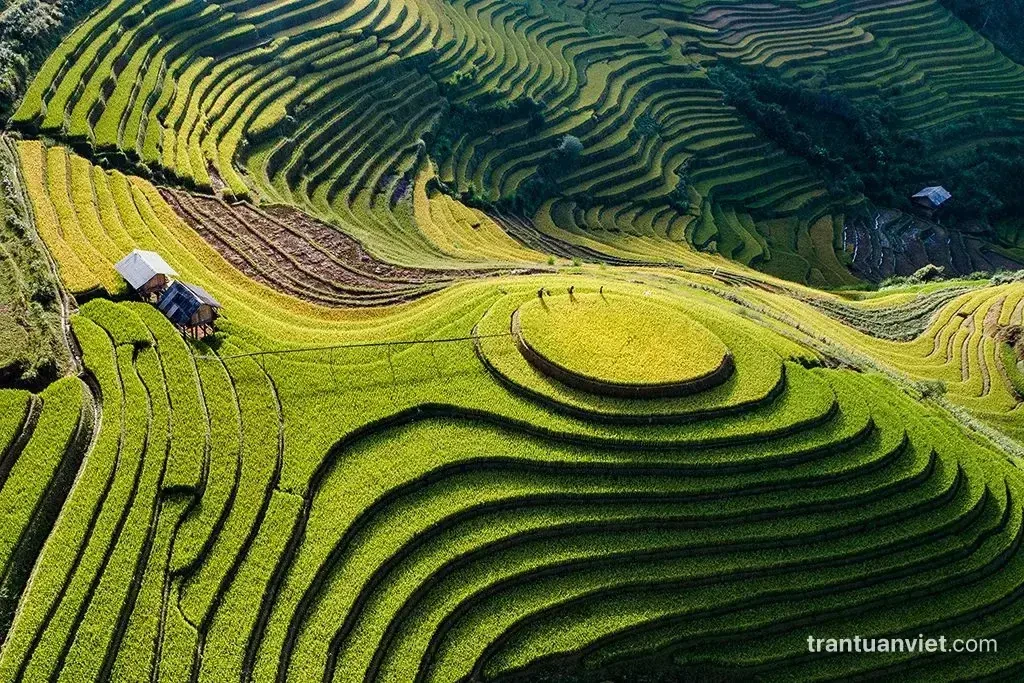
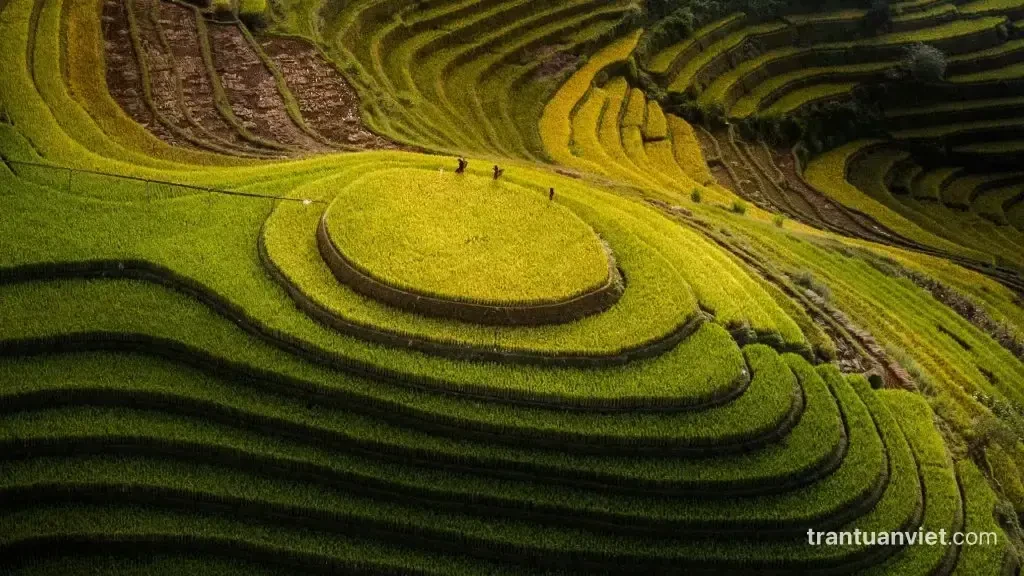
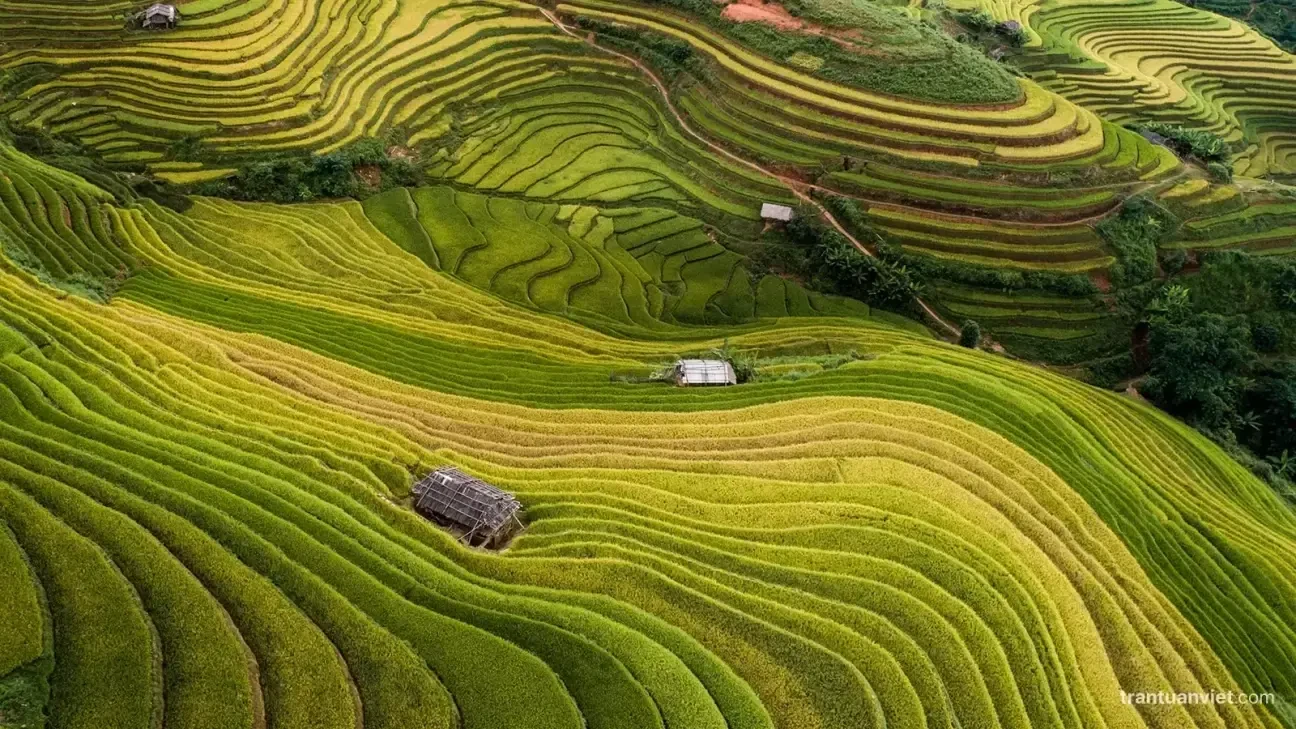
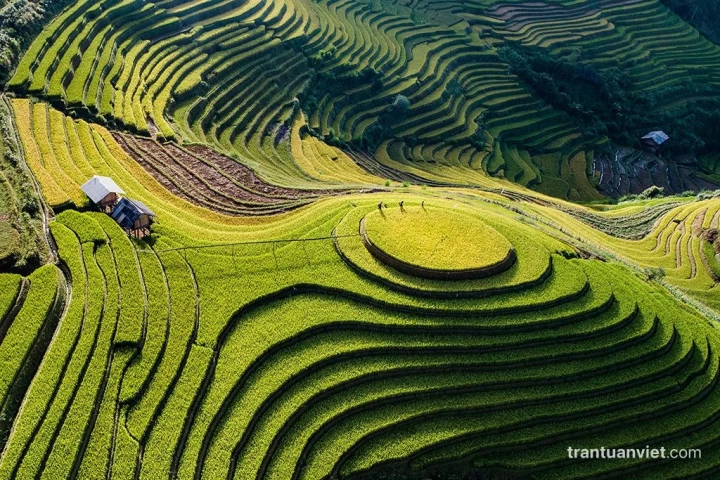
When photographing the Rice Terraces in Mu Cang Chai, composition is a critical element that can elevate your images from ordinary to extraordinary. Viet’s suggestion for capturing this scene involves using the natural curves and lines of the terraces to lead the viewer’s eye through the frame. These sweeping terraces create a dynamic rhythm that can be emphasized by positioning yourself at higher vantage points, often accessible by hiking or with local guides.
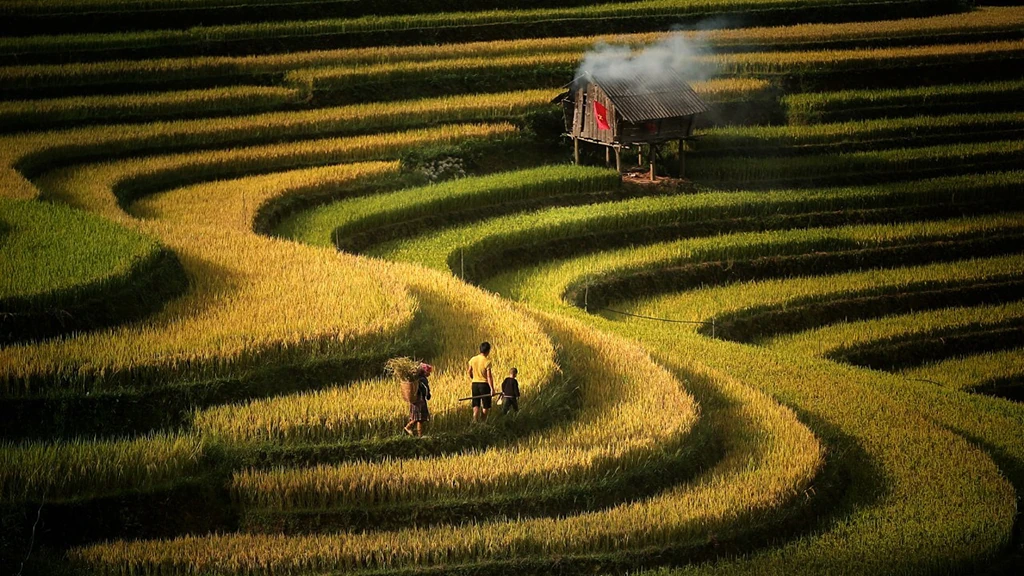
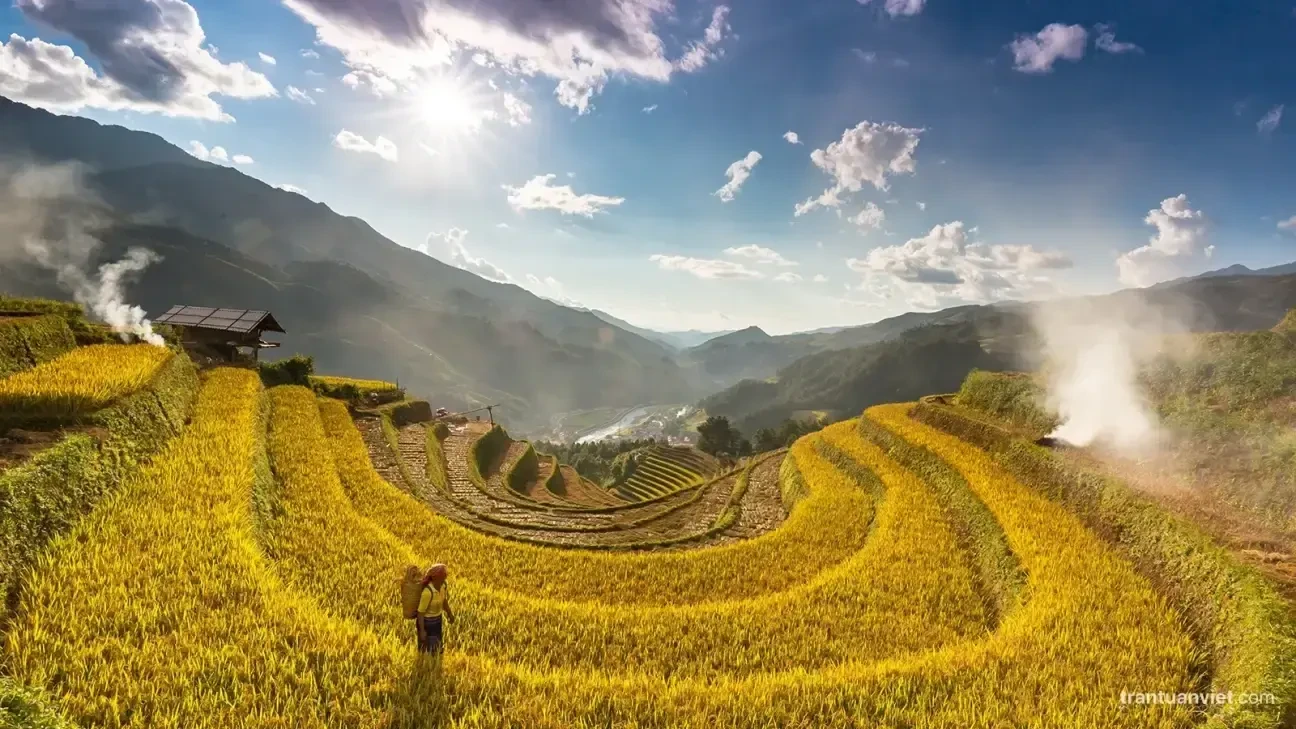
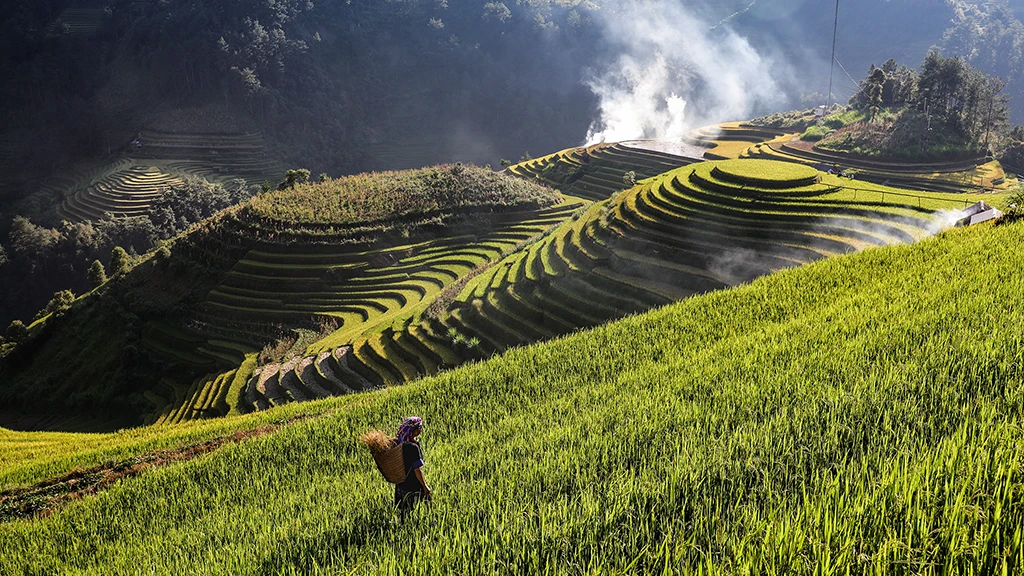
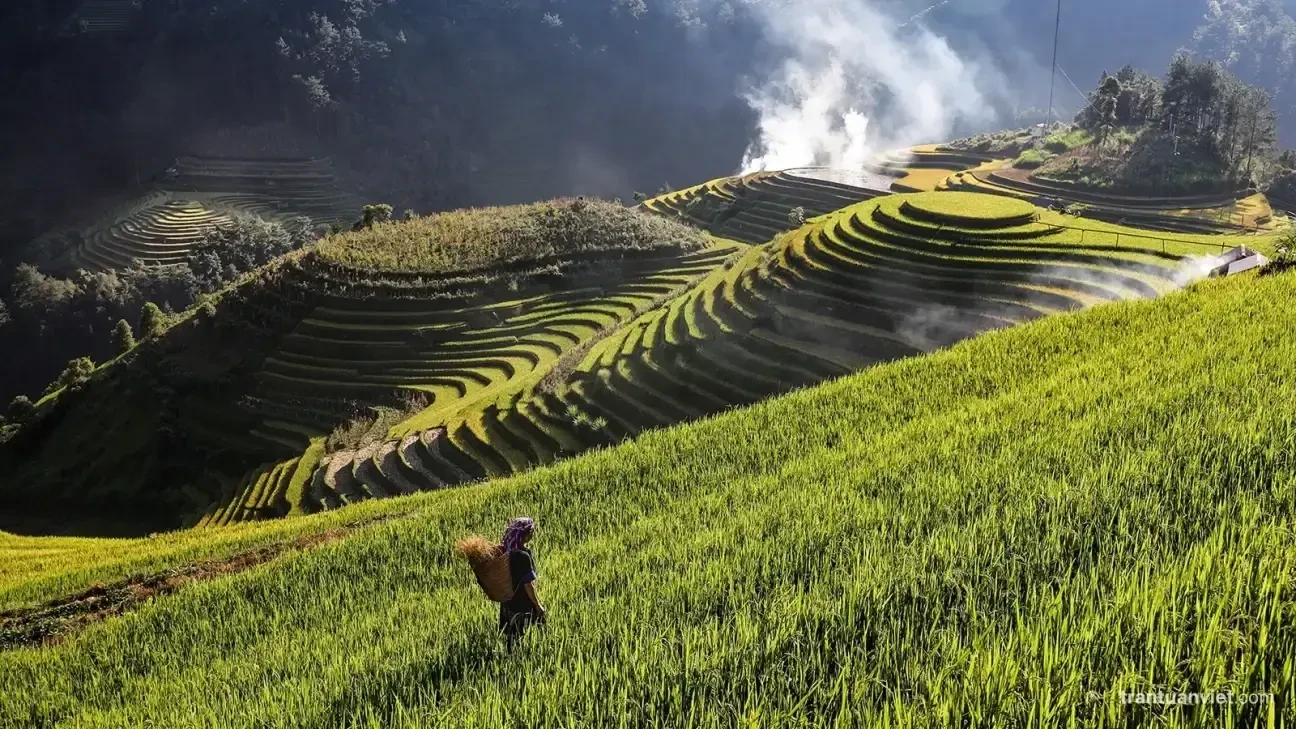
Experienced photographers in Vietnam recommend incorporating local farmers and cultural elements into your compositions to add a human dimension and storytelling aspect. Including figures working the fields or traditional tools enriches the narrative and connects viewers to the cultural context of the terraces. From Viet’s experience, framing these cultural details alongside the vast landscape balances scale and intimacy effectively.
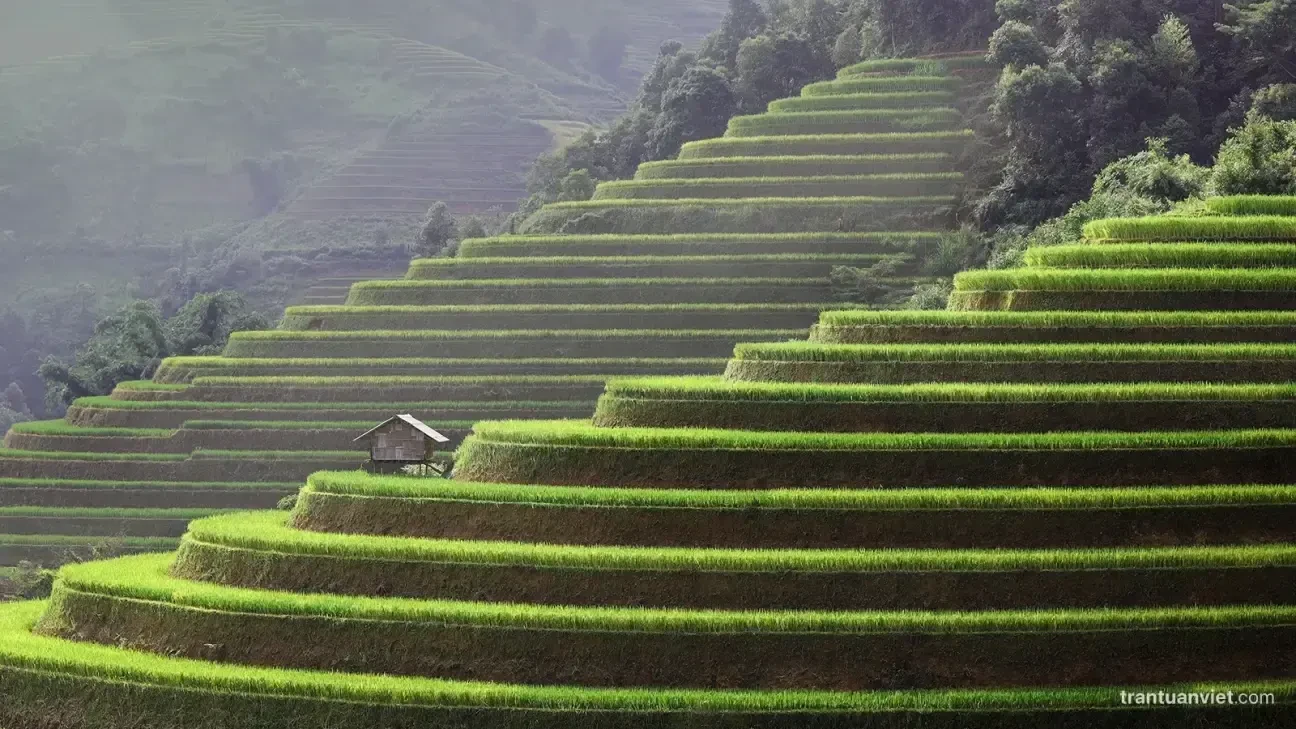
Another compositional tip is to use a wide-angle lens to capture the expansive terraces while also isolating smaller sections with a telephoto lens to highlight intricate patterns and textures. Layering foreground interest, such as water reflections or rice plants, helps create depth and invites viewers into the scene.
Lighting Techniques for Capturing Rice Terraces
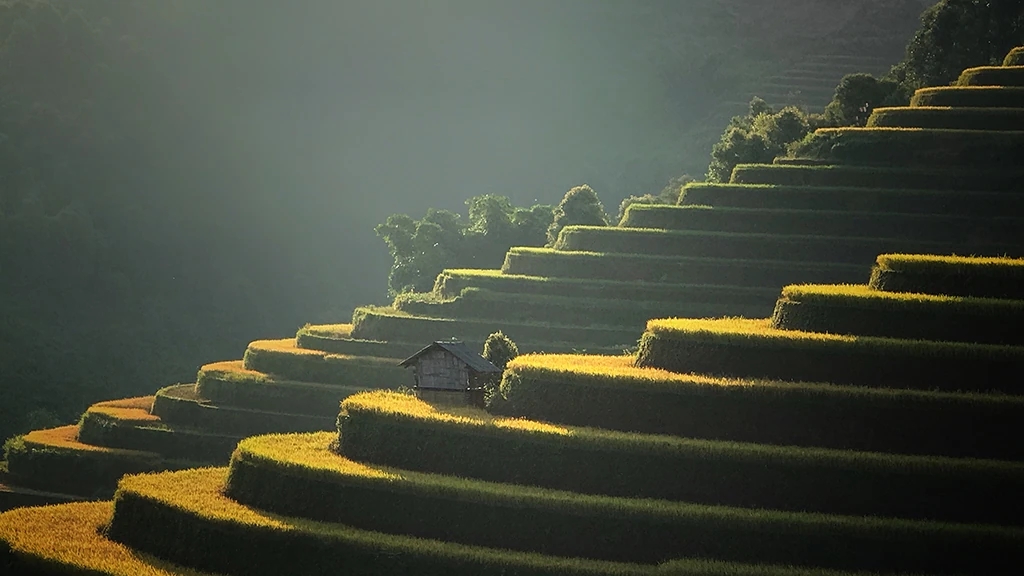
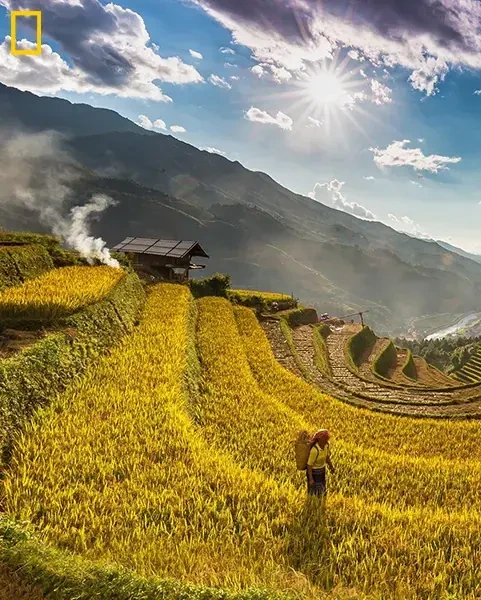
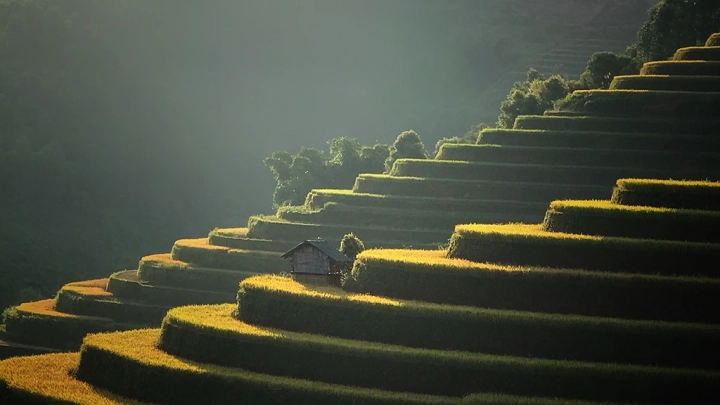
Lighting plays a pivotal role in photographing the Rice Terraces in Mu Cang Chai, especially during the harvest months. Viet recommends shooting during the golden hour—early morning and late afternoon—when the soft, warm light enhances the golden tones of the rice and casts gentle shadows that accentuate the terraces’ contours. This directional light adds dimensionality and mood to your images.
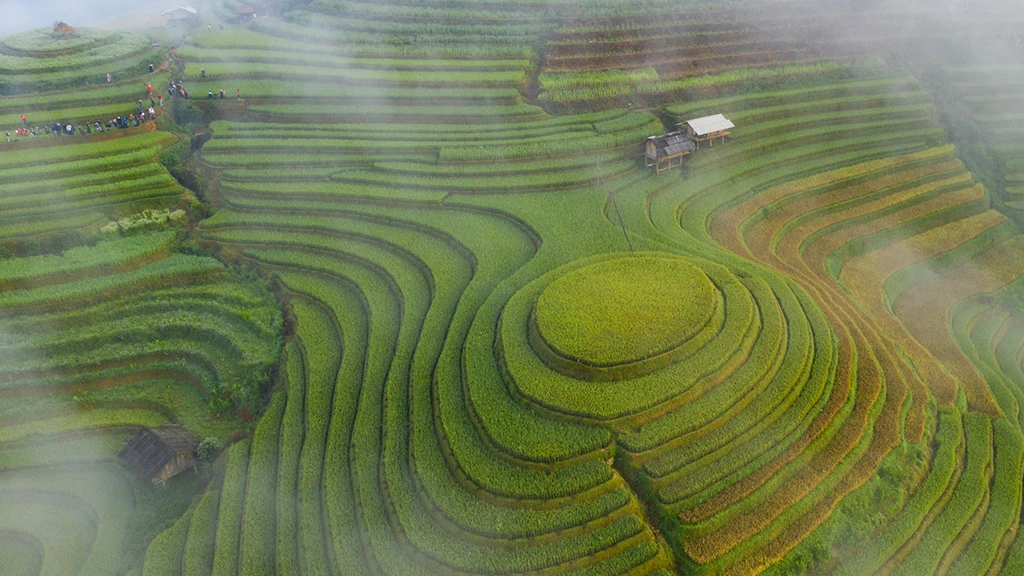
Midday light can be harsh and flatten the terraces’ textures, so it’s best to avoid shooting during this time unless you are focusing on cultural portraits or close-ups where controlled lighting is less critical. Viet’s experience shooting this scene has taught him that early morning mist can add a mystical atmosphere, so arriving before sunrise can yield unique shots with diffused light and atmospheric conditions.
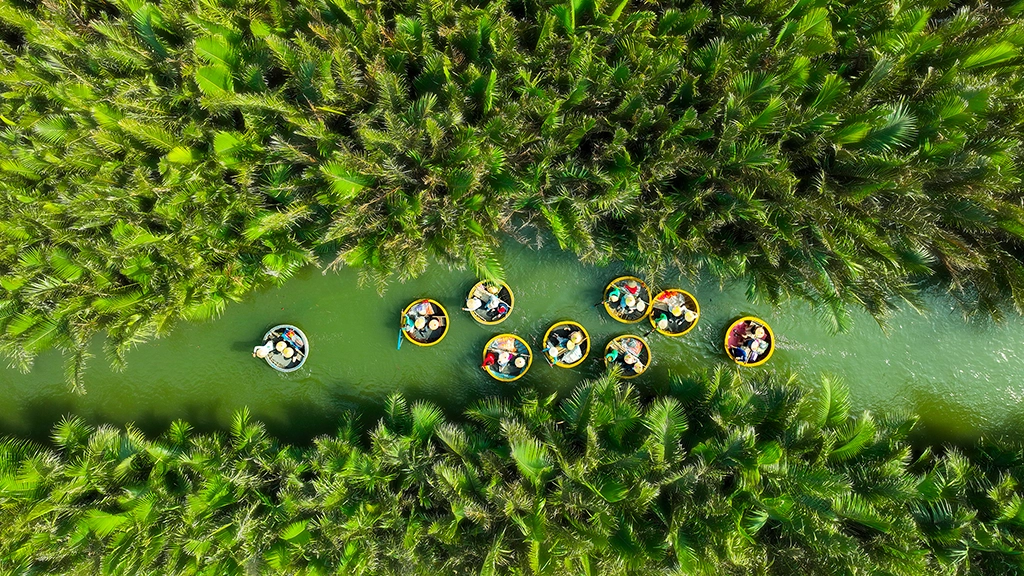
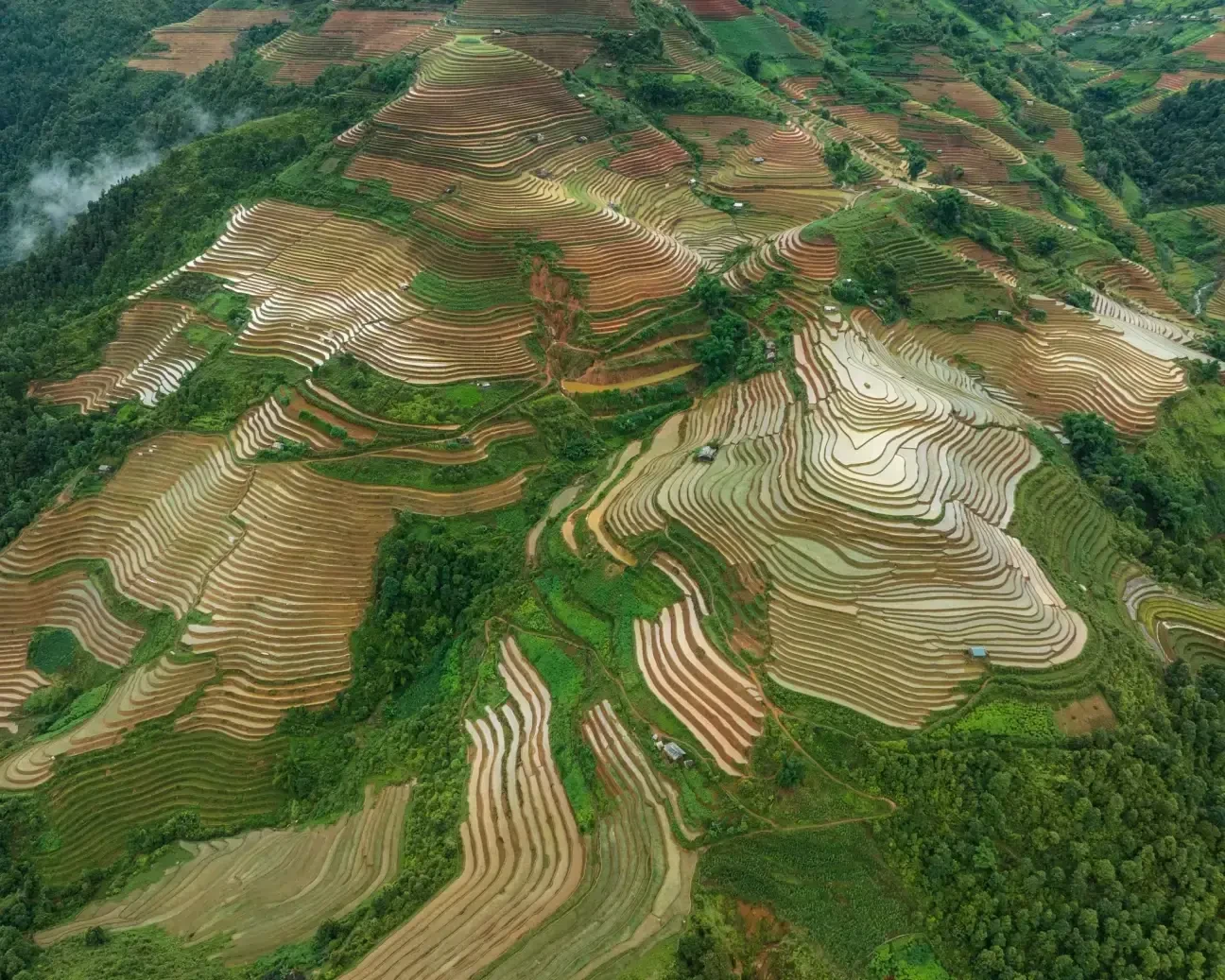
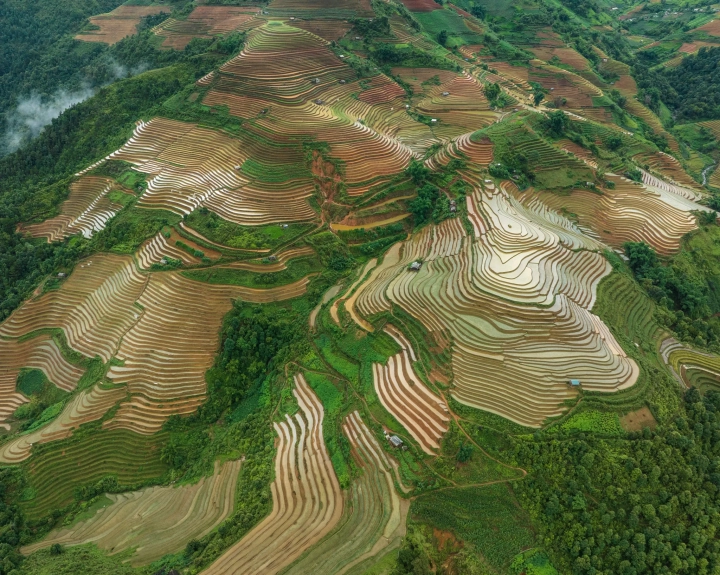
For drone photography, the low-angle light of sunrise or sunset is ideal to emphasize the terraces’ shapes from above. Experienced drone photographers suggest flying during these times to capture the interplay of light and shadow, which brings out the terraces’ three-dimensional form.
Rice Terraces: Equipment and Settings
Choosing the right equipment and camera settings is essential to maximize the visual impact of your Rice Terraces images. Viet recommends using a sturdy tripod for stability, especially when shooting in low light during sunrise or sunset. A wide-angle lens in the 16-35mm range is perfect for capturing the vastness of the terraces, while a 70-200mm telephoto lens allows for isolating details and compressing the landscape layers.
When it comes to camera settings, using a narrow aperture such as f/11 to f/16 ensures a deep depth of field, keeping both foreground and background elements sharp. Since the terraces often have a high dynamic range due to bright skies and shaded areas, Viet recommends bracketing exposures or shooting in RAW format to retain maximum detail for post-processing.
For drone photography, setting the camera to manual mode and adjusting ISO to the lowest possible setting reduces noise and preserves image quality. Experienced photographers in Vietnam suggest flying at altitudes that capture the terraces’ patterns without losing the sense of scale, typically between 50 to 100 meters.
Timing and Seasonal Considerations for Rice Terraces Photography
Understanding the seasonal changes and timing your visit is vital for capturing the Rice Terraces in their most photogenic state. The months of September, October, and November are widely regarded as the best time to photograph this scene in Mu Cang Chai. During this period, the rice is ripe and golden, creating a vibrant palette that contrasts beautifully with the green hills and blue skies.
Seasonal Changes Impacting Rice Terraces Photography
Before the harvest season, the terraces are lush green, offering a different but equally compelling visual experience. Viet’s experience shooting in these months has shown that the green terraces provide a fresh, vibrant look, especially after the rainy season when the water-filled paddies reflect the sky. However, the golden harvest period is preferred for its warm tones and cultural activity.
After the harvest, the terraces turn brown and barren, which can be less appealing for landscape photography but may offer opportunities for abstract patterns and minimalist compositions. Viet recommends planning your trip carefully to align with your desired photographic style and seasonal preferences.
Best Times of Day for Rice Terraces Photography
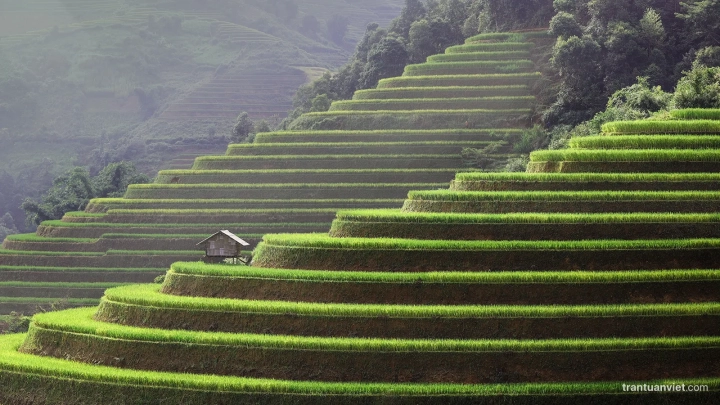
Aside from seasonal timing, the time of day significantly influences the quality of your images. Viet suggests arriving early to capture the soft morning light and potential mist that often lingers in the valleys, adding a dreamy quality to your shots. Late afternoon light is equally valuable, providing warm tones and long shadows that sculpt the terraces’ shapes.
Midday can be challenging due to harsh light and contrast, but it can work well for capturing cultural portraits or close-up details where you can control composition and exposure more precisely. For drone work, sunrise and sunset remain the prime times to exploit the dynamic lighting and shadows that reveal the terraces’ intricate design.
Mu Cang Chai Rice Terraces Photography: Cultural and Travel Insights
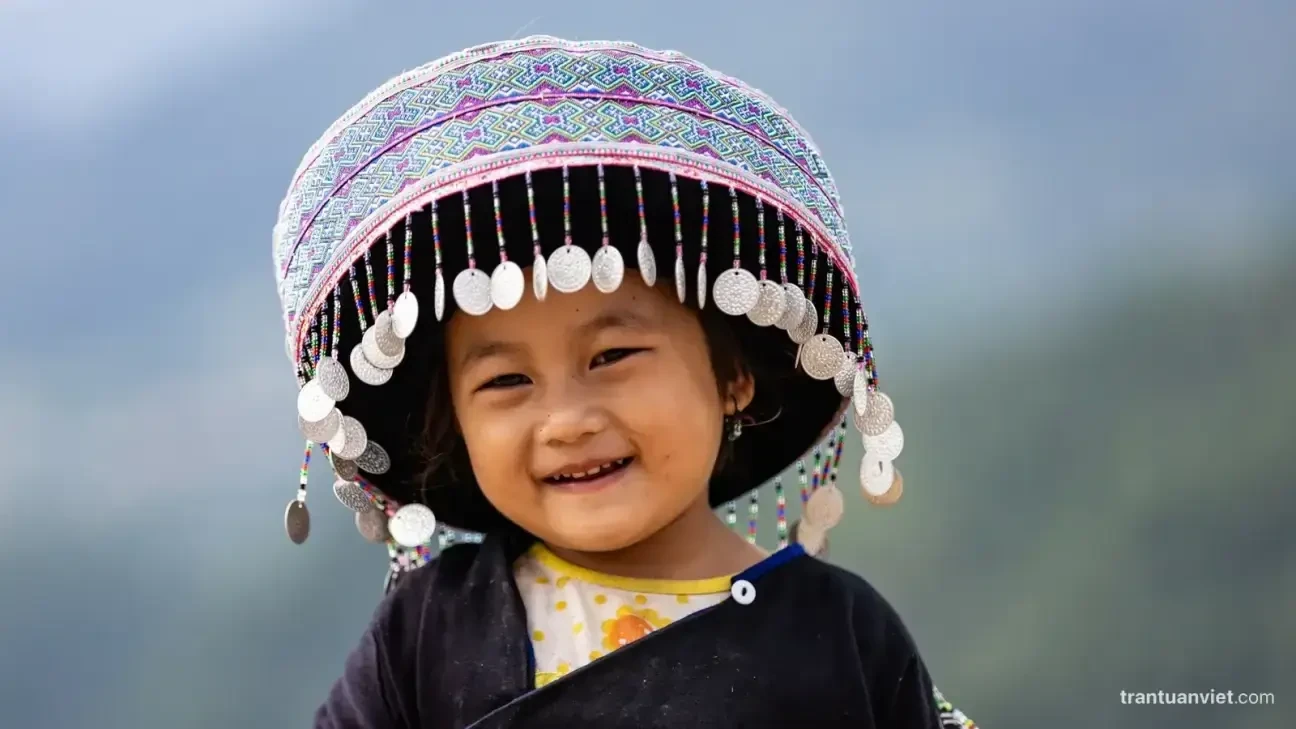
Photographing the Rice Terraces in Mu Cang Chai is not only about landscapes but also about immersing yourself in the local culture and travel experience. Viet’s workshops emphasize the importance of respecting local customs and engaging with the community to capture authentic moments. Including local farmers in traditional attire or documenting their agricultural practices adds depth and context to your portfolio.
Integrating Cultural Elements in Rice Terraces Photography
Viet recommends spending time observing and interacting with the local people to understand their daily routines. This approach allows you to anticipate moments worth capturing, such as planting, harvesting, or traditional ceremonies. Using a moderate telephoto lens helps maintain respectful distance while still capturing intimate portraits and candid scenes.
Travel photographers should also consider the broader landscape context, including nearby villages, mountain backdrops, and winding roads that connect the terraces. These elements enrich the travel narrative and provide additional layers to your images.
Joining Vietnam Photo Tours for Rice Terraces Photography
To truly master the Rice Terraces in Mu Cang Chai, consider joining Vietnam Photo Tours for a guided photography experience designed to help photographers capture stunning images at this location. Vietnam Photo Tours offers expert local knowledge, logistical support, and access to the best vantage points that might be challenging to find independently. From Viet’s experience, having a guide familiar with the terrain and cultural nuances enhances both the photographic results and the overall travel experience.
Ready to capture the full potential of Rice Terraces? Join our Vietnam Photo Tours to experience this location with expert guidance and master your photography.
More Scenes
Bamboo Forest
Corn House
HMong People
Similar Photography Genre
Ha Giang Loop