Reflection Cave
Reflection Cave in Vietnam offers photographers expert guidance on mastering natural light and timing to capture breathtaking underground reflections.
Reflection Cave in Kien Giang, Vietnam: Photography Guide
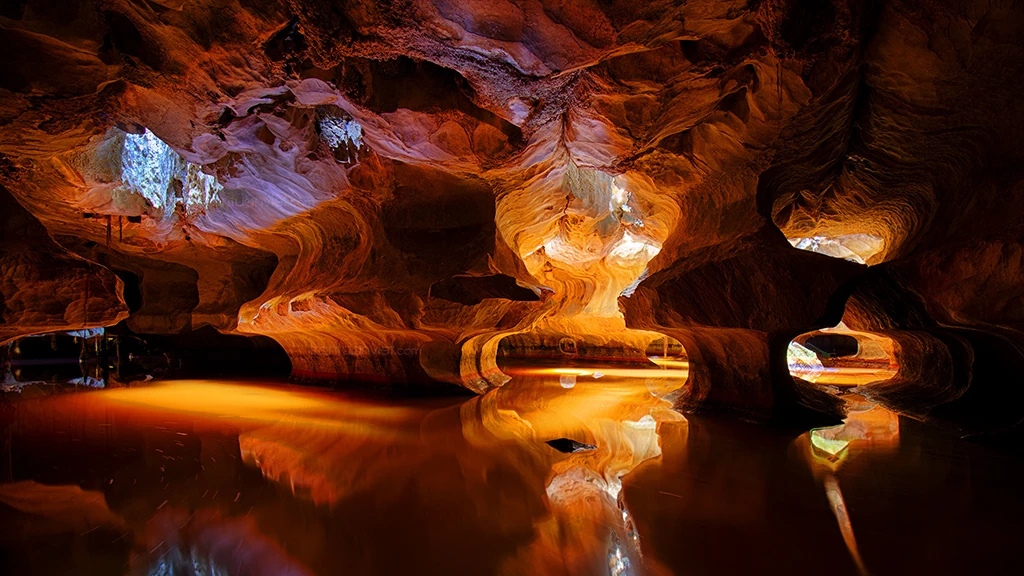
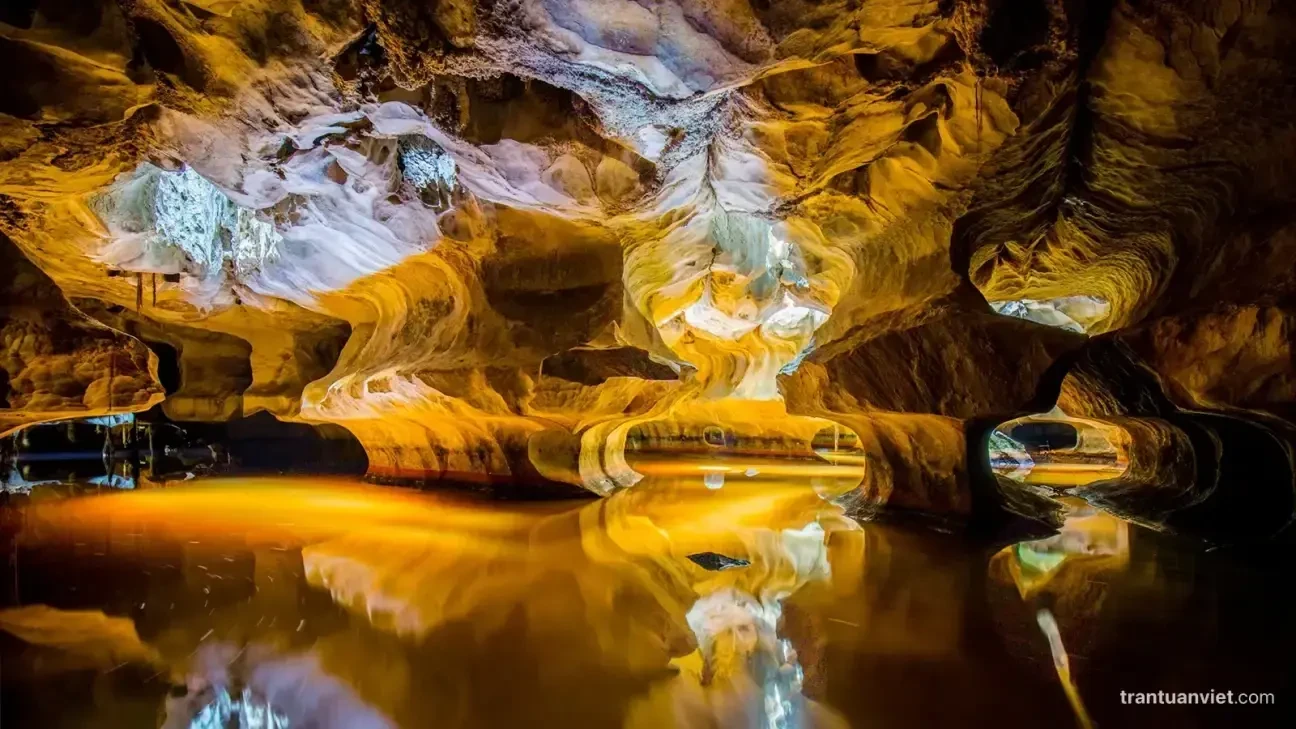
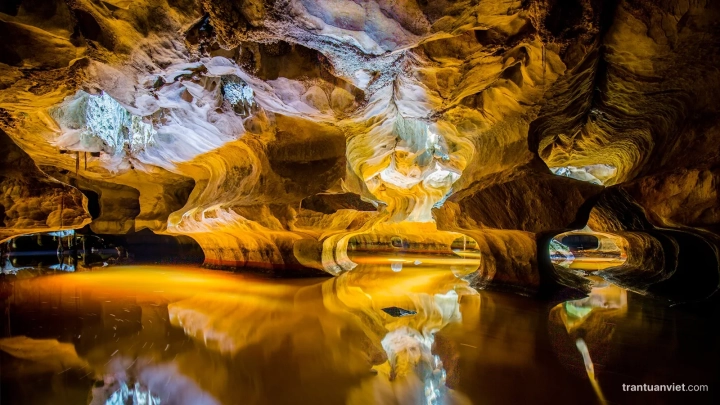
Reflection Cave in Kien Giang offers a unique and visually compelling subject for photographers interested in landscape and travel genres. This natural wonder, known for its still waters and intricate cave formations, provides an exceptional opportunity to explore reflection photography in a tropical Vietnamese setting. The cave’s calm pools create mirror-like surfaces that amplify the surrounding limestone textures and lush greenery, making it a rich canvas for creative composition. According to Tran Tuan Viet, the best approach for this scene is to focus on the interplay between natural light and reflections to capture the cave’s serene atmosphere and intricate details.
Compositional Strategies for Reflection Cave Photography
When photographing Reflection Cave, composition is key to conveying the depth and tranquility of the scene. Viet recommends using a low-angle perspective close to the water’s surface to emphasize the mirror effect and create a strong foreground interest. This technique enhances the symmetry between the cave ceiling and its reflection, producing striking visual balance. Experienced photographers in Vietnam suggest framing the shot to include natural elements such as stalactites, moss-covered rocks, or hanging roots to add texture and context.
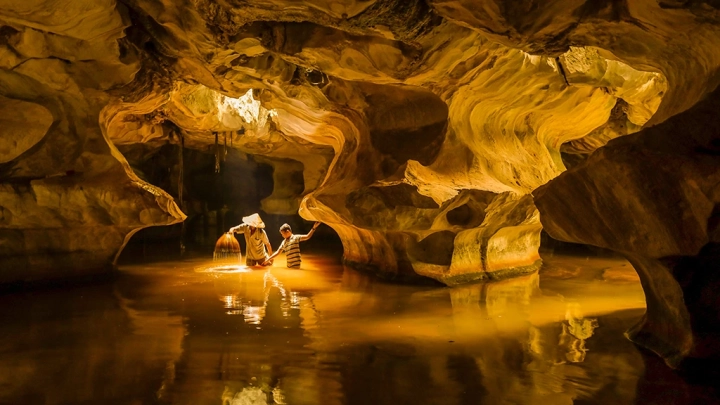
Another effective compositional technique is to use leading lines formed by the cave walls or water edges to draw the viewer’s eye deeper into the frame. Viet’s experience shooting Reflection Cave has taught him that subtle asymmetry can also add dynamic tension, so don’t be afraid to offset the reflection slightly for a more engaging image. Including a human element, such as a local guide or visitor, can provide scale and narrative interest, especially in travel photography.
Lighting Techniques for Capturing Reflection Cave
Lighting conditions inside Reflection Cave vary throughout the day and year, but the location is photogenic year-round. The best months to visit are flexible, as the cave’s interior lighting depends more on the time of day and weather than seasonal changes. Viet recommends shooting during the early morning or late afternoon when soft, diffused sunlight filters into the cave entrance, creating gentle highlights and shadows that enhance the textures without harsh contrasts.
Using a polarizing filter can help manage reflections and glare on the water surface, allowing you to control how much of the cave’s interior or reflection is visible. Viet’s suggestion for capturing this scene involves bracketing exposures to handle the high dynamic range between the dark cave interior and the brighter entrance. Experienced photographers in Vietnam often use long exposures with a tripod to smooth out any ripples on the water, enhancing the reflective quality.
Reflection Cave: Equipment and Settings
For capturing Reflection Cave in Kien Giang, a sturdy tripod is essential due to the low-light conditions inside the cave. Viet recommends using a wide-angle lens to capture the expansive cave interior and its reflections, but also carrying a macro or telephoto lens for detailed shots of textures and formations. A remote shutter release or timer helps avoid camera shake during long exposures.
From Viet’s experience, setting a low ISO (100-200) minimizes noise in the shadow areas, and using aperture values between f/8 and f/16 ensures sufficient depth of field to keep both the cave ceiling and its reflection sharp. Manual focus is often preferable inside the cave to precisely control the focus point, especially in dim conditions where autofocus may struggle. Viet also advises shooting in RAW format to maximize post-processing flexibility, particularly for adjusting shadows and highlights.
Timing and Seasonal Considerations for Reflection Cave Photography
Reflection Cave’s photographic appeal remains consistent throughout the year, but subtle seasonal variations can influence the mood and lighting. During the rainy season, increased water levels can enhance the reflective surfaces but may also introduce movement in the water, requiring faster shutter speeds or multiple exposures to freeze the scene. Viet recommends planning visits around calm weather days to maximize the stillness of the water, which is critical for clean reflections.
Seasonal Light Variations at Reflection Cave
Due to Kien Giang’s tropical climate, the sun’s angle shifts only slightly throughout the year, but the quality of light changes with cloud cover and humidity. Viet’s workshops emphasize the importance of observing how light enters the cave at different times to anticipate the best shooting windows. Overcast days provide soft, even lighting that reduces harsh shadows, while clear days offer dramatic contrasts and vibrant colors in the reflected surfaces.
Experienced photographers in Vietnam suggest arriving early to scout the cave’s interior light patterns and adjust compositions accordingly. Using a handheld light meter can help determine exposure settings in challenging mixed-light environments. Viet’s experience shooting Reflection Cave has shown that patience and timing are crucial to capturing the cave’s full visual potential.
Reflection Cave: Practical Travel and Photography Tips
Accessing Reflection Cave requires some preparation due to its remote location in Kien Giang. Viet recommends traveling with a local guide familiar with the terrain to ensure safe navigation and to discover the best vantage points inside the cave. Vietnam Photo Tours offers guided experiences that combine expert local knowledge with photography instruction, making it easier to focus on creative work without logistical concerns.
When photographing inside the cave, be mindful of moisture and low light conditions that can affect camera gear. Viet advises bringing lens cleaning supplies and protective covers to prevent condensation and dust buildup. Wearing comfortable, non-slip footwear is essential for safely moving around wet and uneven surfaces. Planning for multiple visits at different times of day can yield a diverse portfolio of images showcasing the cave’s changing light and atmosphere.
Join Vietnam Photo Tours to Capture Reflection Cave in Kien Giang
Reflection Cave in Kien Giang is a remarkable subject for photographers seeking to master reflection techniques and capture the essence of Vietnam’s natural beauty. From composition to lighting and equipment choices, the cave offers endless opportunities for creative exploration. Tran Tuan Viet’s insights and practical recommendations provide a valuable foundation for approaching this scene with confidence and skill.
To truly master this location, consider joining Vietnam Photo Tours for a guided photography experience designed to help photographers capture stunning images at Reflection Cave. With expert guidance, local knowledge, and hands-on instruction, you can unlock the full potential of this extraordinary site and elevate your landscape and travel photography to new heights.
More Scenes
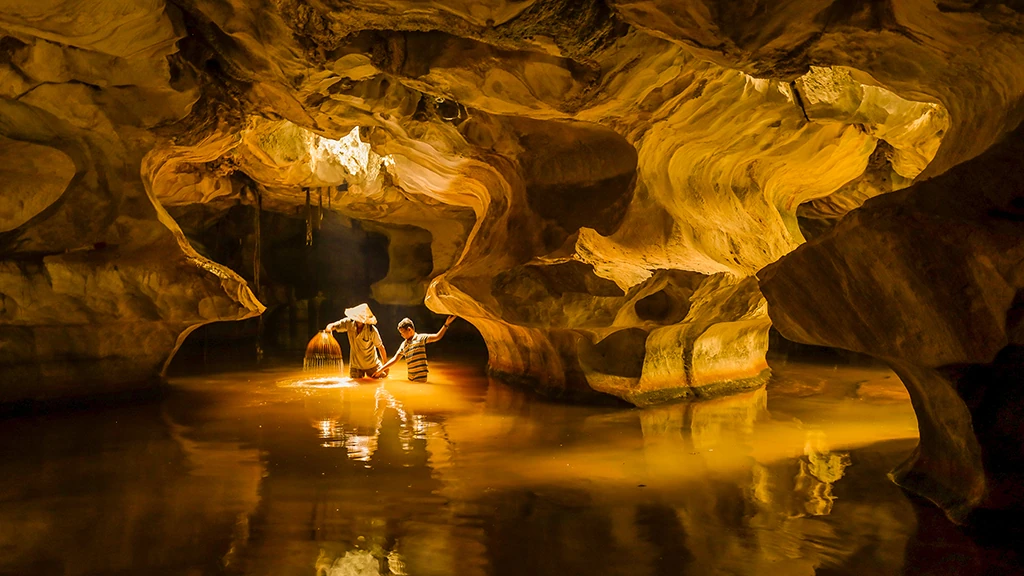
Cave Fishing
Similar Photography Genre
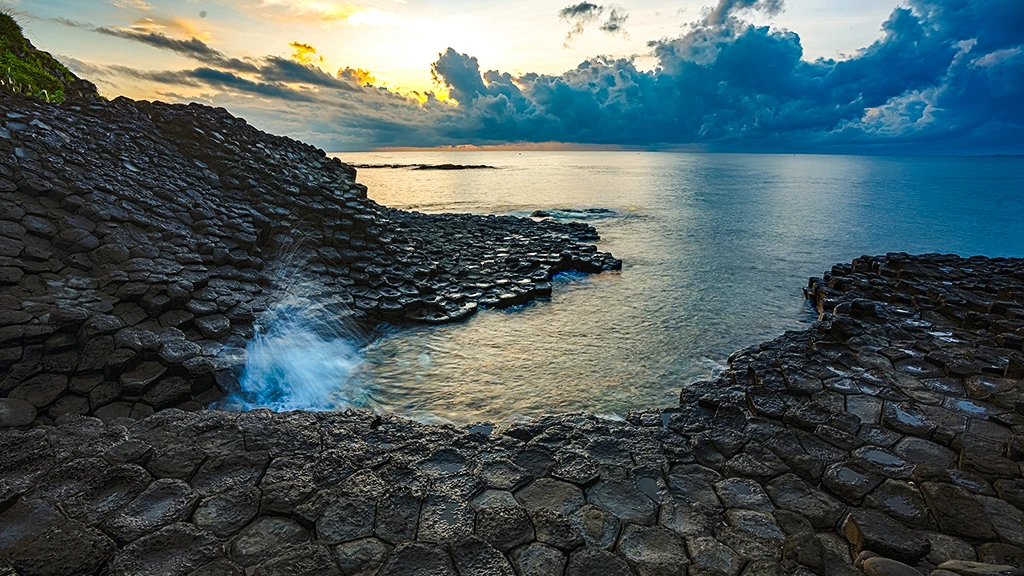
Da Dia Reef