Red-shanked Douc
Vietnam Red-shanked Douc photography guide reveals expert lighting and timing tips to capture vivid wildlife portraits and master natural habitat shots.
Red-shanked Douc in Da Nang, Vietnam: Photography Guide
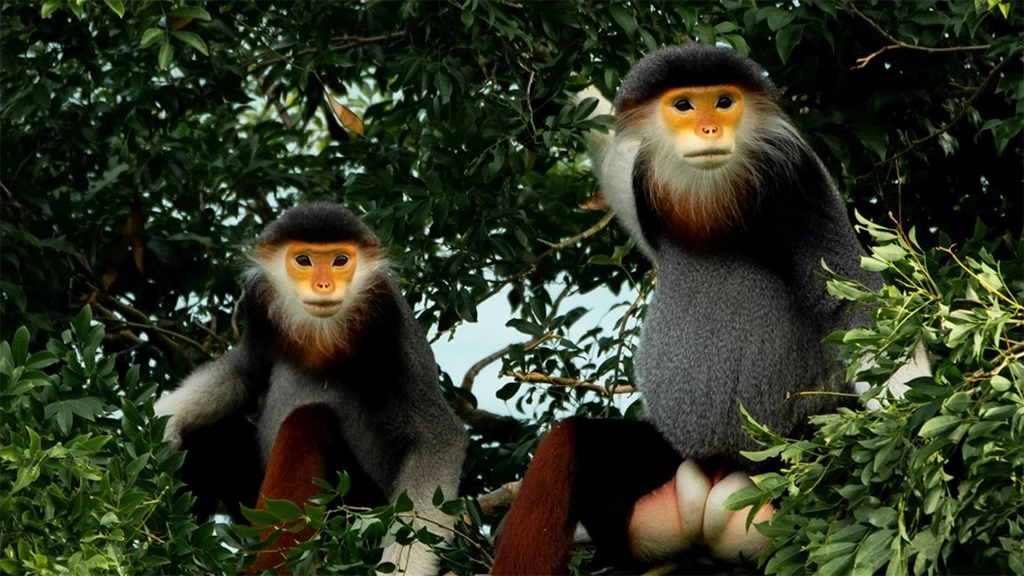
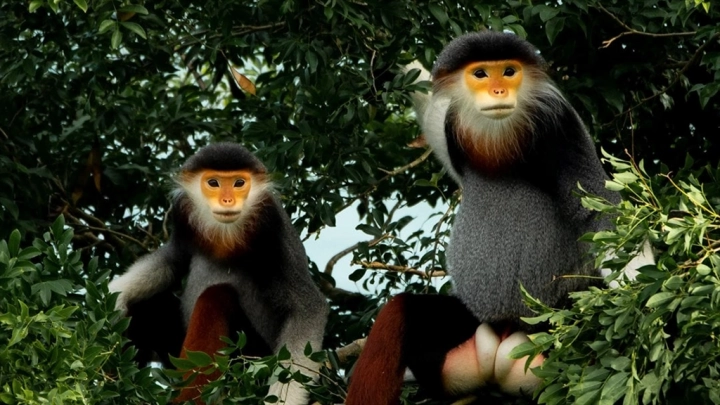
Photographing the Red-shanked Douc in Da Nang offers a unique opportunity to capture one of Vietnam’s most striking and colorful primates in its natural habitat. This species, known for its vivid red legs and expressive face, presents a compelling wildlife subject that demands both technical skill and patience. Da Nang’s lush forests provide a rich backdrop year-round, making it an ideal location for wildlife photographers seeking to master the art of primate photography in Southeast Asia. From composition to lighting and equipment choices, this guide shares practical insights drawn from local expertise and years of experience, including valuable tips from Tran Tuan Viet, a renowned Vietnam wildlife photographer.
Compositional Strategies for Red-shanked Douc Photography
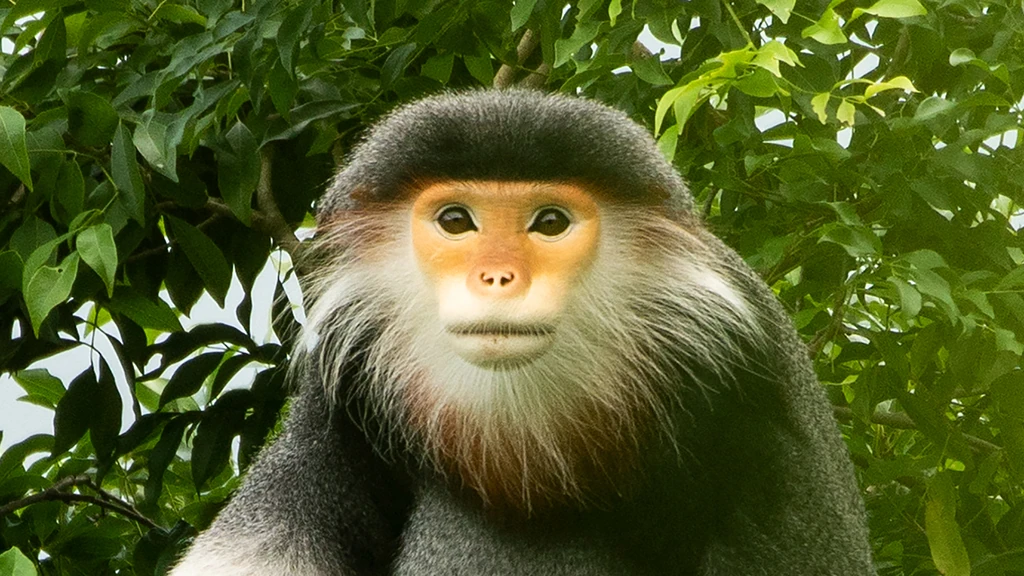
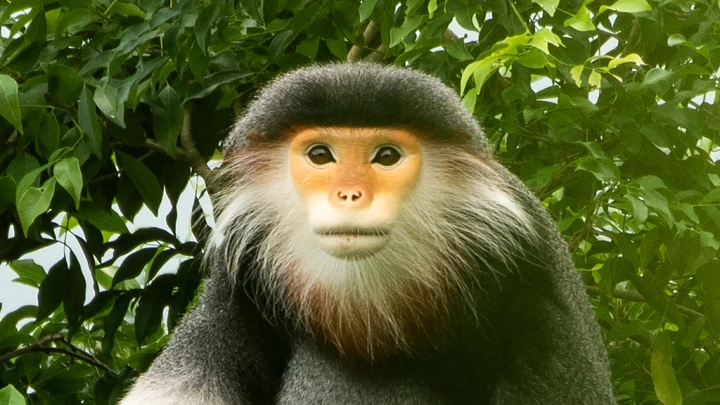
When framing the Red-shanked Douc, composition plays a critical role in conveying the animal’s vibrant personality and environment. Viet recommends focusing on the eyes as a critical element to establish an emotional connection with the viewer. Using a shallow depth of field helps isolate the subject from the dense foliage, emphasizing the douc’s colorful features while softening distracting backgrounds. Experienced photographers in Vietnam suggest positioning yourself at eye level with the douc to create a more intimate and engaging portrait.
Another compositional technique Viet advocates is incorporating elements of the forest environment to add context and depth. Branches, leaves, and dappled light can frame the subject naturally, but care must be taken to avoid clutter that competes with the douc’s vivid colors. Using the rule of thirds to place the douc off-center often results in more dynamic images, especially when the animal is actively moving or interacting with its surroundings. Patience is essential, as the doucs are agile and often move quickly through the canopy.
Lighting Techniques for Capturing Red-shanked Douc
Da Nang’s tropical climate means lighting conditions can vary dramatically throughout the day. Viet’s experience shooting the Red-shanked Douc has taught him that the early morning and late afternoon provide the best natural light for wildlife photography. During these times, the soft, warm light enhances the douc’s vibrant red and orange hues without harsh shadows. Avoid shooting in the harsh midday sun, which can create high contrast scenes that obscure delicate facial details and cause blown highlights.
In the dense forest, light filtering through the canopy creates beautiful spotlighting effects that can highlight the douc’s face or limbs. Viet recommends using a fast lens with a wide aperture to maximize light intake and maintain a fast shutter speed, essential for freezing the douc’s quick movements. Experienced photographers also suggest adjusting ISO carefully to balance noise and exposure, especially in shaded areas where light is limited.
Red-shanked Douc: Equipment and Settings
Choosing the right gear is fundamental to successfully photographing the Red-shanked Douc in Da Nang’s forest environment. Viet recommends a telephoto lens in the 400-600mm range to maintain a respectful distance while capturing detailed close-ups. A lens with image stabilization is highly beneficial due to the often low-light conditions under the canopy. For wider environmental shots, a 70-200mm zoom lens offers versatility without sacrificing image quality.
From Viet’s experience, using a camera with a fast autofocus system is crucial because doucs move unpredictably through the trees. Continuous autofocus mode combined with burst shooting helps capture decisive moments. Settings such as a shutter speed of at least 1/500 second are recommended to freeze motion, paired with an aperture around f/4 to f/5.6 for a balance between depth of field and light. Viet also advises shooting in RAW format to preserve maximum detail and flexibility in post-processing, especially for adjusting shadows and highlights in the forest’s complex lighting.
Timing and Seasonal Considerations for Red-shanked Douc Photography
One of the advantages of photographing the Red-shanked Douc in Da Nang is that the species can be observed year-round. However, Viet points out that certain months offer subtle differences in behavior and environmental conditions that can influence photographic outcomes. The dry season, typically from January to August, provides clearer skies and more consistent light, making it easier to plan shoots. During the rainy season, from September to December, the forest becomes denser and more vibrant, but rain and humidity can challenge equipment and limit shooting windows.
Best Months and Daily Timing for Red-shanked Douc Photography
According to Tran Tuan Viet, mornings between 6:00 and 9:00 am are ideal for capturing the Red-shanked Douc. The animals are most active during this time, and the soft morning light enhances their colorful fur. Late afternoon, from 4:00 to 6:00 pm, also offers excellent lighting conditions and the opportunity to capture the doucs settling down for the evening. Viet recommends avoiding midday hours when the light is harsh and the doucs tend to rest, reducing photographic opportunities.
Seasonal variations in foliage density and weather patterns also affect visibility and composition. Experienced photographers in Vietnam suggest planning multiple visits across different months to capture a range of moods and lighting scenarios. Viet’s suggestion for those seeking dynamic images is to embrace the rainy season’s mist and moisture, which can add atmosphere and dramatic mood to wildlife portraits.
Environmental Challenges and Solutions for Red-shanked Douc Photography
Da Nang’s tropical forests present challenges such as humidity, uneven terrain, and unpredictable animal behavior. Viet’s experience shooting in these conditions highlights the importance of weather-sealed equipment and protective gear for lenses and cameras. Using a lightweight tripod or monopod can aid stability on uneven ground, especially when using heavy telephoto lenses. Viet also recommends carrying microfiber cloths to quickly clean lenses from moisture and dust.
Tracking the Red-shanked Douc requires patience and respect for their natural behavior. Viet advises photographers to move quietly and avoid sudden movements to prevent startling the animals. Utilizing local guides familiar with the doucs’ habits can greatly increase the chances of successful encounters. Vietnam Photo Tours offers expert-led excursions that combine local knowledge with photography expertise, ensuring photographers can focus on capturing compelling images while navigating the forest safely.
Post-Processing and Final Tips for Red-shanked Douc Photography
Post-processing is an essential step to bring out the best in your Red-shanked Douc images. Viet recommends subtle adjustments to enhance color saturation and contrast without losing the natural look of the primate’s fur. Using selective sharpening on the eyes and face can draw attention to the douc’s expressive features. Careful noise reduction is necessary when higher ISO settings were used in low light.
Editing Techniques for Red-shanked Douc Images
According to Viet, maintaining a natural color balance is key to preserving the authenticity of the Red-shanked Douc’s vibrant hues. Avoid over-saturating reds and oranges, which can appear artificial. Instead, use targeted color adjustments to enhance the rich tones while keeping skin textures and fur details intact. Viet’s workshops emphasize the importance of cropping to improve composition post-capture, especially when the subject’s movement results in less-than-perfect framing.
Experienced photographers in Vietnam also suggest creating a series of images that tell a story, capturing the douc’s behavior and interaction with its environment. This approach adds depth and interest beyond single portraits, showcasing the animal’s role within the forest ecosystem.
Ready to capture the full potential of Red-shanked Douc? Join our Vietnam Photo Tours to experience this location with expert guidance and master your photography. With local insights from Tran Tuan Viet and seasoned guides, you will gain access to the best spots and techniques to photograph this extraordinary primate in Da Nang’s stunning forests. Don’t miss the chance to elevate your wildlife photography with hands-on experience in one of Vietnam’s most captivating natural settings.
More Scenes