Raking Clam
Discover expert lighting and timing techniques for capturing Vietnam Raking Clam, a unique photography guide to enhance your visual storytelling skills.
Raking Clam in Quang Ngai, Vietnam: Photography Guide
Raking Clam in Quang Ngai offers a unique window into Vietnam’s coastal culture, blending traditional livelihood with stunning natural landscapes. This scene is a rich subject for photographers interested in culture, travel, and drone photography. The activity of clam raking, often performed by local fishermen along the sandy shores and tidal flats, provides compelling visual narratives that capture both human interaction with nature and the rhythms of daily life. Quang Ngai’s year-round accessibility makes it an ideal destination for photographers seeking to document this authentic coastal tradition under varying light and weather conditions.
Understanding Raking Clam as a Photography Subject
Raking Clam in Quang Ngai is more than just a coastal activity; it is a cultural ritual deeply embedded in the local community. Photographers must appreciate the human element—the skilled hands, the tools, and the expressions of the fishermen—as well as the environmental context. From Viet’s experience, capturing the interaction between the fishermen and the tidal flats requires patience and respect for the pace of their work. This scene offers a dynamic interplay of textures: wet sand, water reflections, and the organic forms of clams and shells. Experienced photographers in Vietnam suggest focusing on these details to create images that tell a story beyond the obvious.
Quang Ngai: Composition Techniques for Raking Clam Photography
Composition is critical when photographing Raking Clam in Quang Ngai. Viet recommends using a combination of wide-angle lenses to capture the expansive coastal environment and telephoto lenses to isolate intimate moments of clam raking. Positioning yourself low to the ground can emphasize the texture of the sand and water, while also highlighting the fishermen’s movements. From Viet’s workshops, a key compositional strategy is to frame the fishermen against the horizon during low tide, using the natural lines created by the tidal pools and rake marks to lead the viewer’s eye through the image.
Another effective technique is to incorporate local elements such as traditional baskets or boats in the background to add cultural context. Viet’s suggestion for capturing this scene involves experimenting with leading lines and negative space to create a balanced composition that conveys both the activity and the vastness of the coastal landscape.
Lighting Techniques for Capturing Raking Clam
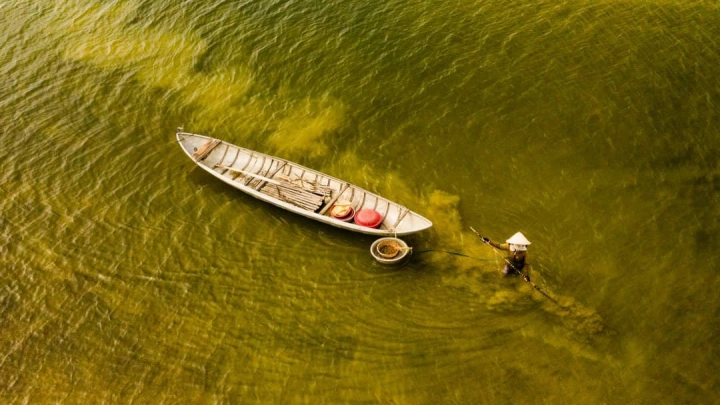
Lighting plays a pivotal role in rendering the mood and texture of Raking Clam in Quang Ngai. The best light often occurs during the golden hours—early morning and late afternoon—when the sun casts warm, soft light that enhances the natural colors of the sand and water. Viet’s experience shooting this scene has taught him that the directional light during these times creates long shadows that add depth and dimension to the photographs.
Overcast days can also be advantageous, providing diffused lighting that reduces harsh shadows and highlights the subtle details of the clam raking process. Tran Tuan Viet recommends using reflectors or fill flash sparingly to maintain the natural ambiance while ensuring the fishermen’s faces and hands are well-lit. For drone photography, shooting during midday when the sun is high can help capture the intricate patterns formed by the raking activity from above, but be mindful of strong contrasts that may require careful exposure adjustments.
Raking Clam Photography Equipment and Settings in Quang Ngai
Raking Clam: Equipment Recommendations
For Raking Clam in Quang Ngai, a versatile camera setup is essential. Viet recommends a DSLR or mirrorless camera with a fast autofocus system to capture the quick, subtle movements of the fishermen. A wide-angle zoom lens (such as 16-35mm) is ideal for environmental shots, while a medium telephoto lens (70-200mm) allows for detailed close-ups without disturbing the subjects.
Using a tripod is beneficial for stability during low light conditions, especially in the early morning or late afternoon. Viet’s suggestion includes carrying a polarizing filter to reduce glare from wet sand and water surfaces, enhancing color saturation and contrast. For drone photography, a drone with a high-resolution camera and good stabilization is crucial to capture the sweeping coastal views and the geometric patterns created by the raking activity.
Raking Clam: Camera Settings and Focus Techniques
Optimal camera settings for Raking Clam photography depend on the lighting and movement involved. Viet advises setting a fast shutter speed (at least 1/500 sec) to freeze the fishermen’s motions, especially when they rake or lift clams. Using a moderate aperture (f/8 to f/11) ensures sufficient depth of field to keep both the foreground and background elements sharp, which is important for storytelling images.
For selective focus shots, a wider aperture (around f/4) can isolate hands or tools, emphasizing the tactile nature of clam raking. Viet’s experience shooting in Quang Ngai highlights the importance of manual focus in low light or when shooting through water spray to maintain precision. Additionally, using continuous autofocus with tracking can help capture spontaneous moments without losing sharpness.
Seasonal and Timing Insights for Raking Clam Photography in Quang Ngai
Best Months and Timing for Raking Clam Photography
One of the advantages of photographing Raking Clam in Quang Ngai is its accessibility year-round. The coastal climate allows for consistent opportunities regardless of season. However, Viet notes that the dry season (from November to April) often provides clearer skies and more predictable lighting conditions, ideal for outdoor photography. The wet season can add dramatic skies and reflective surfaces, but photographers should be prepared for sudden weather changes.
Timing your visit around the tides is crucial. Low tide exposes the tidal flats where clam raking occurs, offering the best access and visual opportunities. Viet recommends checking local tide charts and arriving early to capture the fishermen as they begin their work. The early morning light combined with the quiet atmosphere creates a serene mood that enhances the cultural storytelling aspect of the scene.
Drone Photography Timing for Raking Clam
Drone photography adds a spectacular dimension to capturing Raking Clam in Quang Ngai. Viet advises flying drones during mid-morning or mid-afternoon when the sun is high enough to illuminate the patterns on the tidal flats without harsh shadows. Avoiding midday heat haze improves image clarity. Experienced drone photographers in Vietnam suggest scouting the area beforehand to identify the best vantage points and respecting local regulations and privacy concerns.
Join Vietnam Photo Tours to Capture Raking Clam in Quang Ngai
Raking Clam in Quang Ngai presents a rare opportunity to photograph an authentic cultural practice set against a striking coastal backdrop. From Viet’s insights to the practical techniques shared by experienced photographers, this scene offers endless creative possibilities for those willing to engage deeply with the environment and its people. Whether you prefer intimate close-ups or sweeping aerial views, mastering this subject requires understanding the unique light, composition, and timing that Quang Ngai provides.
To truly master this location, consider joining Vietnam Photo Tours for a guided photography experience designed to help photographers capture stunning images at Quang Ngai. With expert guidance and local knowledge, you will gain access to the best vantage points and learn how to navigate the challenges of this dynamic scene. Ready to capture the full potential of Raking Clam? Join our Vietnam Photo Tours to experience this location with expert guidance and master your photography.
More Scenes
Coconut Forest
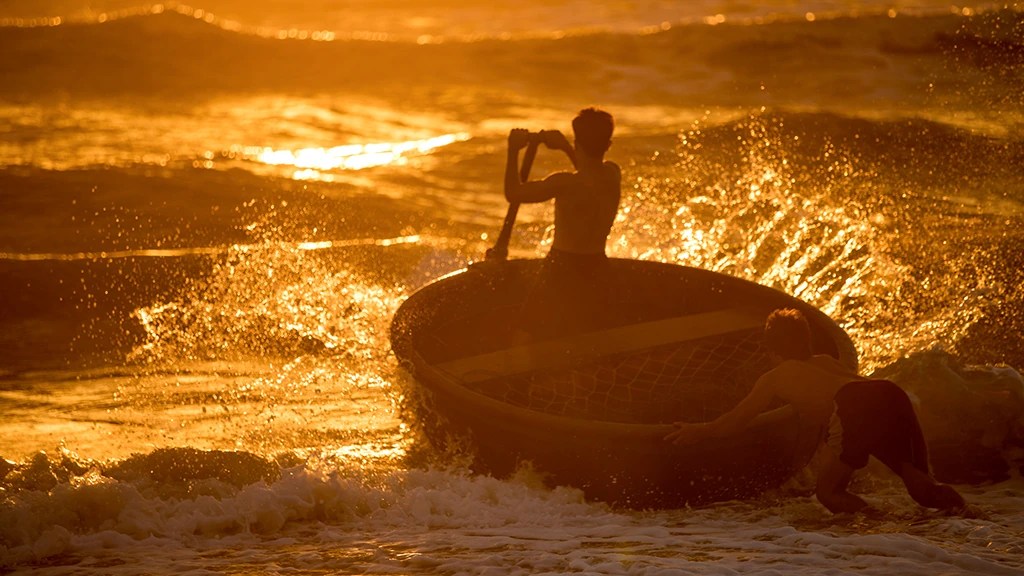
Coracle Fishermen
Similar Photography Genre
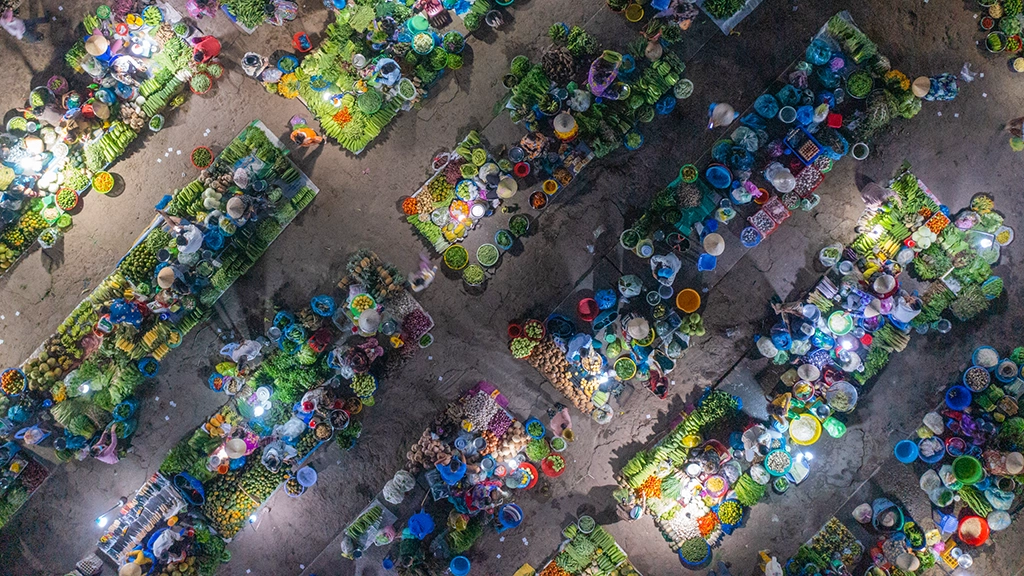
Colorful Market