Pottery Village
Discover Pottery Village, Vietnam: Master captivating lighting and timing for stunning photographic storytelling. Your ultimate visual guide.
Pottery Village in Ha Noi, Vietnam: Photography Guide
The ancient Pottery Village, nestled on the outskirts of Ha Noi, offers a vibrant and tactile photographic experience, brimming with opportunities for compelling portraiture, insightful cultural documentation, and evocative travel imagery. This location, a living testament to traditional Vietnamese craftsmanship, provides a unique window into a world shaped by clay, fire, and skilled hands. Photographers visiting this engaging scene will find a year-round appeal, with each season presenting its own subtle shifts in light and atmosphere, though the dry months generally offer more predictable shooting conditions. The sensory richness of Pottery Village, from the earthy scent of wet clay to the rhythmic thud of mallets shaping pots, provides a fertile ground for visual storytelling.
Ha Noi: Capturing the Essence of Pottery Village
Photographing Pottery Village requires an approach that balances technical proficiency with cultural sensitivity. The core of this location’s appeal lies in its people and their enduring traditions. For portraiture, engaging with the artisans is key. Look for moments of concentration, the pride in a finished piece, or the shared camaraderie among workers. Experienced photographers in Vietnam suggest approaching subjects with respect and a genuine interest, often using a longer lens to capture intimate moments from a slight distance, thereby minimizing intrusion. The interplay of light and shadow on weathered faces and calloused hands tells a powerful story of dedication and heritage.
Portraiture Opportunities in Pottery Village
When focusing on portraits within Pottery Village, consider the natural light filtering through workshop doorways or the diffused light on overcast days. Bright midday sun can be harsh, creating deep shadows and blowing out highlights, especially on pale clay. When such conditions are unavoidable, look for shaded areas or use a diffuser. Tran Tuan Viet recommends using a fast prime lens, such as a 50mm or 85mm, to isolate subjects and create a pleasing background blur (bokeh), drawing the viewer’s eye directly to the artisan's expression and skill. Capturing the texture of the clay on their skin, the intensity of their gaze as they work, or the gentle smile when interacting with a child are all crucial elements for impactful portraits.
Cultural Narratives within Pottery Village
Beyond individual portraits, the broader cultural tapestry of Pottery Village is a rich subject for travel photography. Document the entire process, from the delivery of raw clay to the meticulous firing of kilns and the final display of finished products. Think about capturing the scale of the operation, the communal effort, and the generational knowledge being passed down. Wide-angle lenses can be effective for showcasing the expansive work areas and the density of activity. Conversely, a telephoto lens can isolate specific details – a potter's hands expertly shaping a delicate rim, the intricate patterns on a glazed pot, or the vibrant colors of painted ceramics. The key is to observe and anticipate moments that reveal the essence of this artisanal community.
Compositional Strategies for Pottery Village Photography
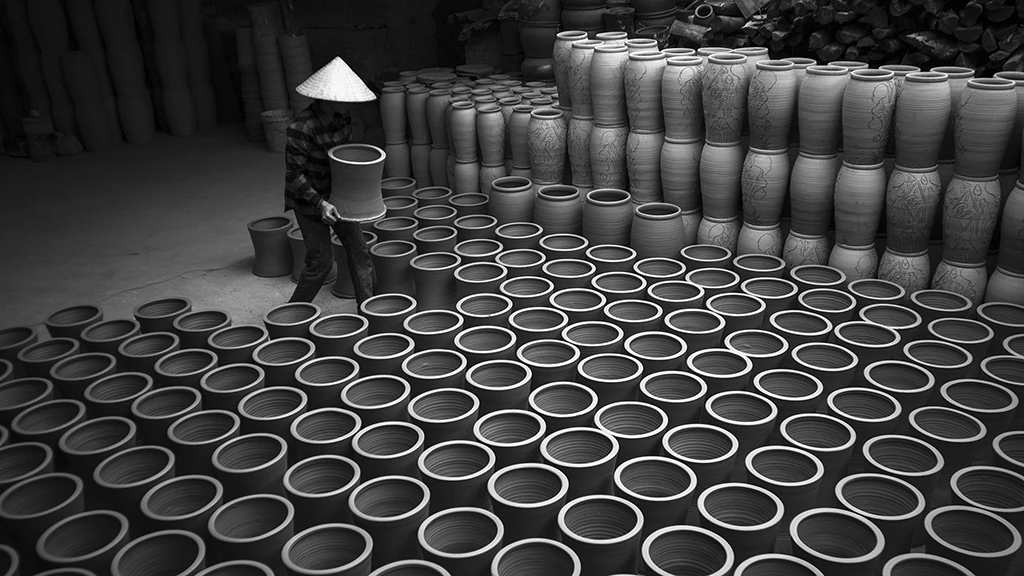
Effective composition is paramount to conveying the story of Pottery Village. Don't just shoot what's in front of you; actively look for visual harmony, contrast, and leading lines. The organic shapes of clay being molded, the geometric patterns of stacked pots, and the human forms interacting with their environment all provide ample opportunities for creative framing. Viet’s suggestion for capturing this scene involves looking for layers of depth. This could mean photographing a potter in the foreground with drying pots in the mid-ground and the silhouette of a kiln against the sky in the background. This layered approach adds a sense of realism and context, drawing the viewer deeper into the frame.
Utilizing Leading Lines and Framing in Pottery Village
The very nature of Pottery Village offers abundant opportunities for using leading lines and natural framing. Rows of drying pots can lead the eye into the scene, the curve of a potter's wheel can act as a circular frame, and doorways or open windows can provide a ready-made frame for capturing interior action. Experienced photographers in Vietnam suggest experimenting with different perspectives – shooting from a low angle to emphasize the monumental scale of some pottery pieces, or from a high vantage point to showcase the organized chaos of the workshops. The dynamic interplay between the raw materials and the finished products is a visual theme that can be explored through thoughtful composition.
The Role of Texture and Detail in Pottery Village Imagery
Texture is a critical element in photographing Pottery Village. The rough, gritty feel of raw clay, the smooth, cool surface of glazed pottery, and the textured patterns of traditional kilns all contribute to the tactile quality of your images. Use your camera’s ability to render detail, particularly with macro or close-up shots, to highlight these textures. Sharp focus on these details can transform an ordinary scene into something extraordinary. Tran Tuan Viet often emphasizes the importance of capturing the “feel” of a place, and in Pottery Village, this translates to showcasing the tangible qualities of clay and its transformation.
Lighting and Technical Considerations for Pottery Village
Mastering the light is crucial for any photographer, and Pottery Village is no exception. While year-round conditions are viable, the quality of light varies significantly. Early mornings and late afternoons, often referred to as the golden hour, provide soft, warm light that enhances colors and creates beautiful, long shadows, adding depth and mood to your images. Overcast days offer diffused, even light, which is excellent for portraits and capturing subtle color variations without harsh highlights or deep shadows – ideal for showcasing the intricate details of glazed pottery. The indoor workshops often present a challenge due to lower light levels and a narrow dynamic range, requiring careful exposure management or the use of higher ISO settings, balanced against potential noise.
Exposure and Color Balance in Pottery Village
When photographing in and around the kilns, be mindful of the extreme contrast between the bright flames and the surrounding shadows. Your camera's metering system might struggle, potentially leading to underexposed shadows or overexposed highlights. Consider using exposure compensation or bracketed exposures if you plan to blend them later in post-processing. For color balance, the earthy tones of clay and the vibrant glazes are usually well-served by a standard daylight white balance, but adjustments might be necessary to accurately capture specific glaze colors or the warm glow from the kilns. Viet recommends always checking your histogram to ensure you are capturing the full tonal range of the scene.
Lens and Camera Settings for Pottery Village
A versatile lens selection is beneficial for Pottery Village. A standard zoom lens (e.g., 24-70mm) provides flexibility for both environmental shots and tighter portraits. For more intimate portraits and to isolate subjects against busy backgrounds, a prime lens (e.g., 50mm or 85mm) is ideal. A wider lens (e.g., 16-35mm) can be useful for capturing the scale of the workshops and the surrounding village. When it comes to camera settings, a general starting point for daylight might be an aperture of f/8 for landscapes to ensure good depth of field, and f/2.8 or wider for portraits to achieve pleasing bokeh. Shutter speeds should be adjusted to achieve correct exposure and freeze motion if necessary. For low-light interior shots, a tripod can be invaluable for achieving sharp images at slower shutter speeds.
The Pottery Village near Ha Noi is a photographer's delight, offering a rich tapestry of human endeavor, ancient traditions, and stunning visual textures. By understanding the interplay of light, composition, and subject matter, and by approaching the artisans with respect and curiosity, you can create truly memorable images. Whether you are drawn to the expressive portraits of the craftspeople, the detailed beauty of their creations, or the vibrant atmosphere of their daily lives, this location provides ample reward. To truly master this location, consider joining Vietnam Photo Tours for a guided photography experience designed to help photographers capture stunning images at Pottery Village.
More Scenes
Ao Dai Model
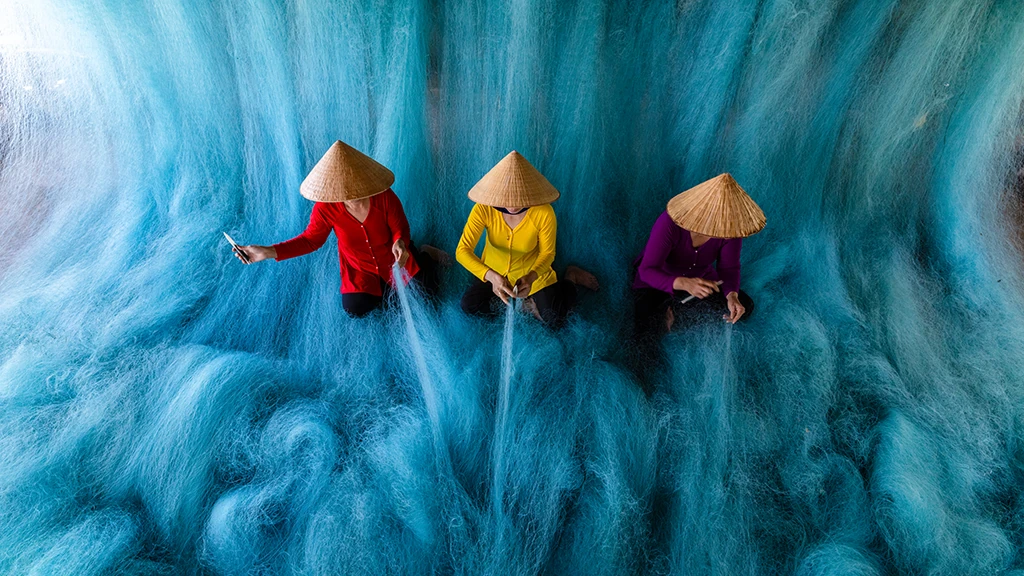
Blue Net
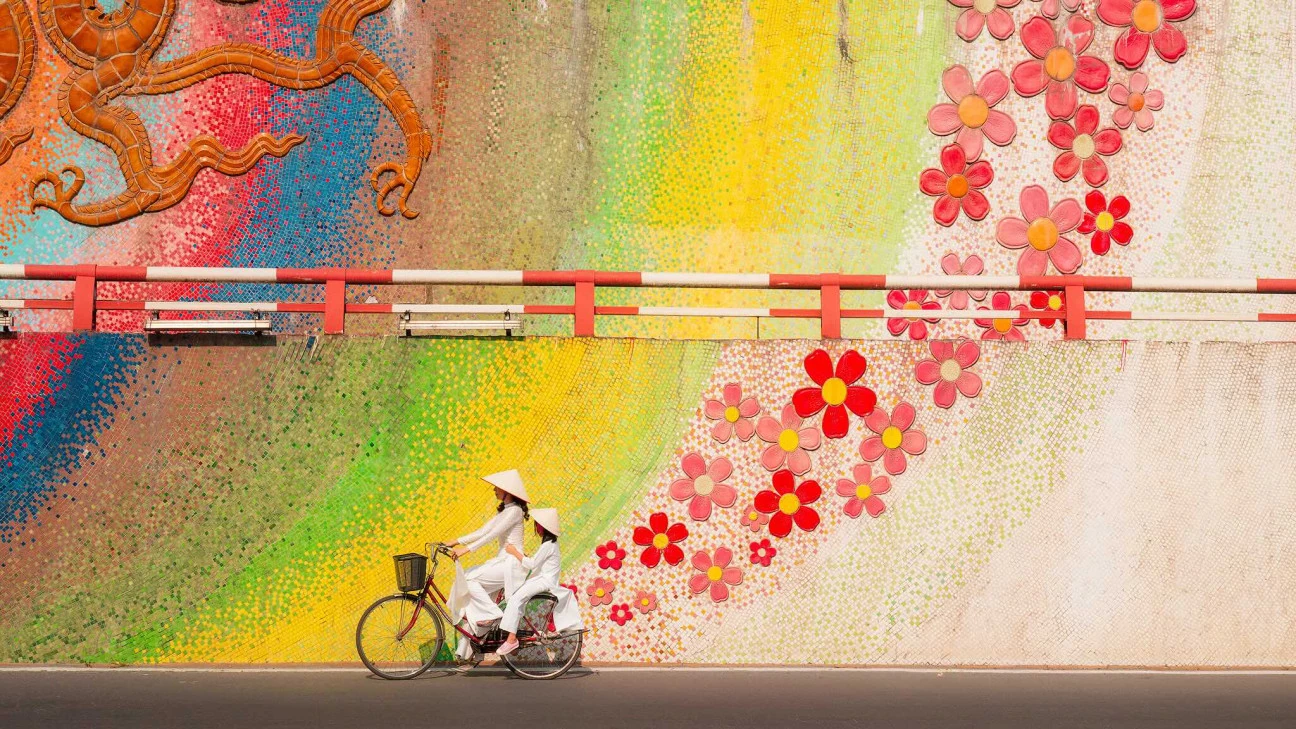
Ceramic Road
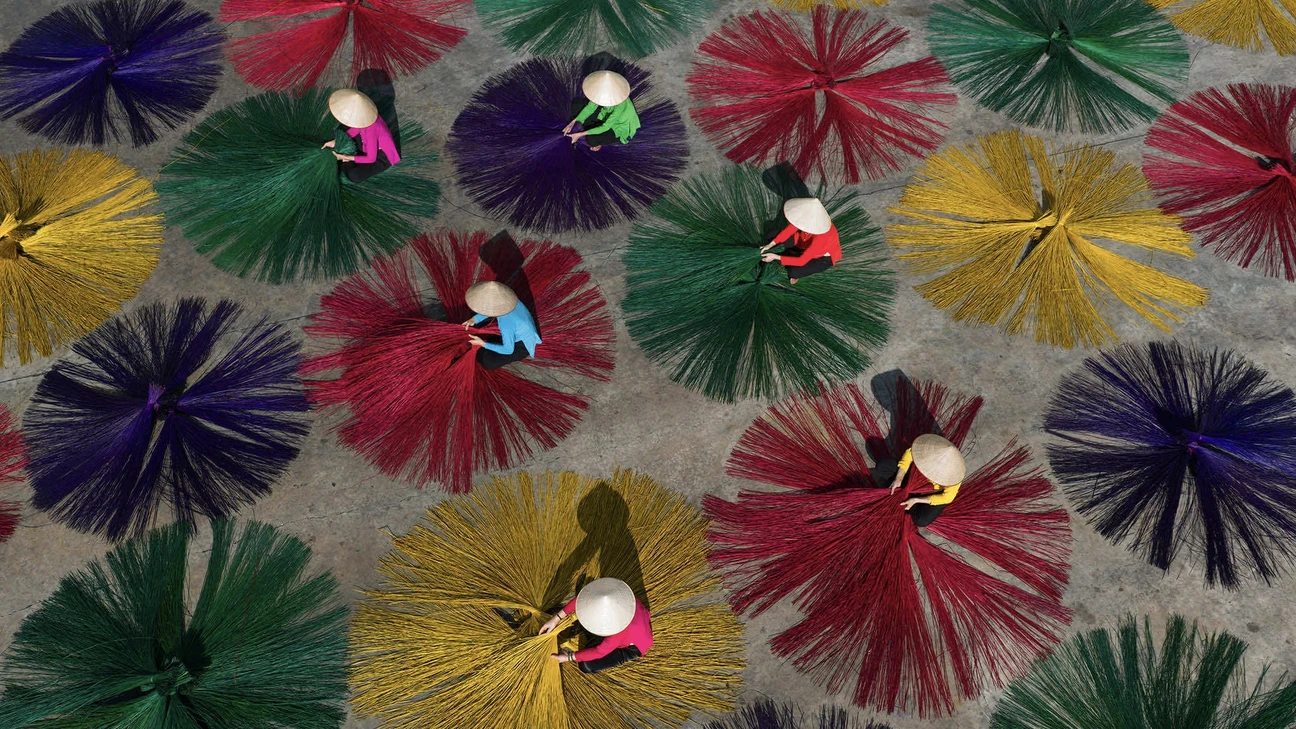
Colorful Sedge
Similar Photography Genre
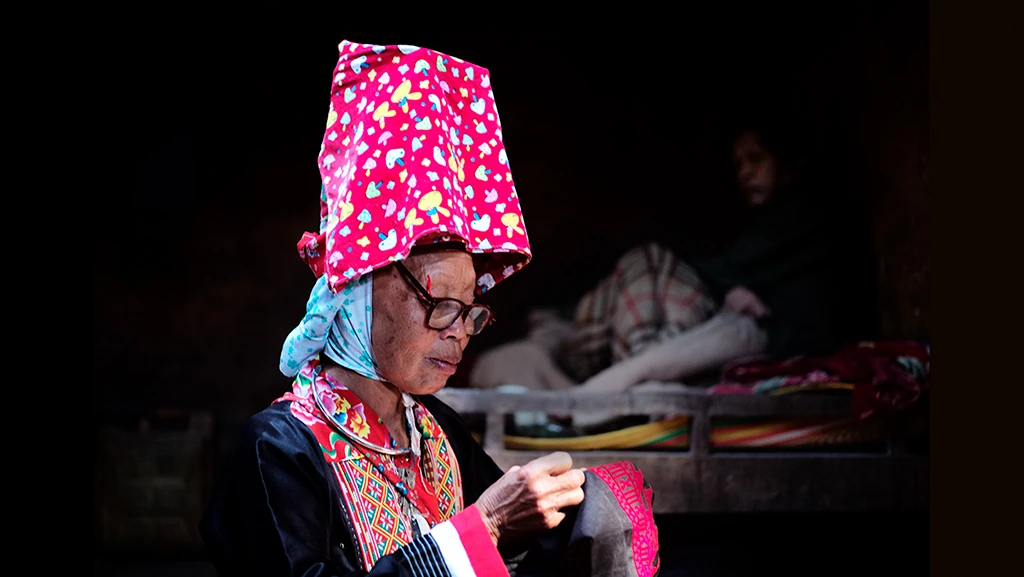
Red Dzao People
Cow Racing