Ma Pi Leng Pass
Master Ma Pi Leng Pass Vietnam photography. Discover dramatic vistas, capture mountain light, and learn unique landscape techniques for your portfolio.
Ma Pi Leng Pass in Ha Giang, Vietnam: Photography Guide
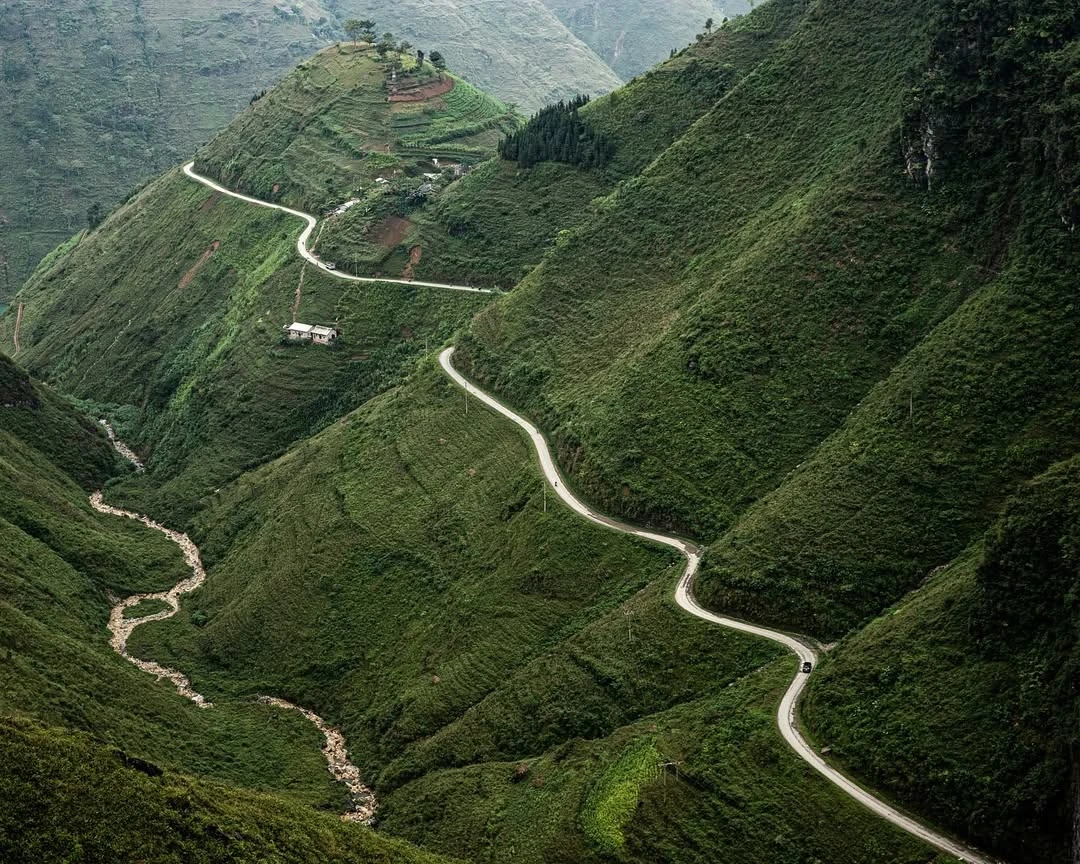
Ma Pi Leng Pass, often hailed as the "King of Passes" in Vietnam, offers an unparalleled photographic playground for those seeking dramatic landscapes and an immersive travel experience. Perched high in the northern province of Ha Giang, this breathtaking stretch of road winds precariously along the side of a sheer cliff, revealing the majestic Nho Que River snaking through a deep canyon below. Capturing the essence of Ma Pi Leng Pass requires a blend of technical skill, an understanding of light, and a deep appreciation for the raw, untamed beauty of Vietnam's highlands. This guide delves into practical techniques for landscape, travel, and drone photography, drawing on the insights of seasoned photographers who have navigated these iconic vistas.
Ha Giang: Mastering the Grandeur of Ma Pi Leng Pass
The sheer scale of Ma Pi Leng Pass is what immediately strikes any photographer. The sweeping vistas, the immense depth of the canyon, and the serpentine ribbon of road demand thoughtful composition. This location is visually rewarding year-round, each season offering its own unique palette and atmosphere. While the dramatic cliffs and the vibrant green of the Nho Que River are constants, the quality of light and atmospheric conditions can drastically alter the mood. Understanding these nuances is key to creating compelling images.
Compositional Strategies for Ma Pi Leng Pass Photography
When composing your shots at Ma Pi Leng Pass, consider the fundamental principles of landscape photography but adapt them to the unique context. The vastness of the scene can be overwhelming, so finding a strong focal point is crucial. Look for the winding road itself as a leading line, drawing the viewer's eye into the image and emphasizing the scale. The Nho Que River, with its distinctive turquoise hue, often serves as a perfect anchor. Tran Tuan Viet, a celebrated Vietnamese photographer, often emphasizes the importance of scale in his work, suggesting that including a human element or a distant vehicle can dramatically enhance the sense of immense space at Ma Pi Leng Pass. When shooting from the roadside viewpoints, experiment with different vantage points. Sometimes, a slightly elevated position reveals more of the canyon's depth, while a lower angle can make the cliffs appear even more imposing. For travel photography, capturing the local life against this dramatic backdrop adds a layer of human interest. Look for opportunities to photograph Hmong people or local vendors with their wares, juxtaposing their daily routines with the epic landscape.
Drone Photography Opportunities at Ma Pi Leng Pass
Drone photography unlocks a whole new dimension for capturing Ma Pi Leng Pass. From an aerial perspective, the true magnificence of the canyon and the river's path becomes apparent. The winding road, so dominant from ground level, transforms into an intricate pattern when viewed from above. When flying your drone, aim for the "golden hour" – the period shortly after sunrise or before sunset. The soft, warm light dramatically sculpts the mountains and adds a beautiful glow to the landscape. Viet recommends utilizing the drone to capture the full sweep of the pass, emphasizing the dramatic curves and the contrast between the rugged mountains and the tranquil river. Be mindful of wind conditions, which can be significant at these altitudes. Always prioritize safety and adhere to local drone regulations. Experiment with different altitudes and angles; a low-altitude pass can emphasize the river's texture, while a higher perspective showcases the entire geological formation.
Lighting and Atmospheric Conditions at Ma Pi Leng Pass
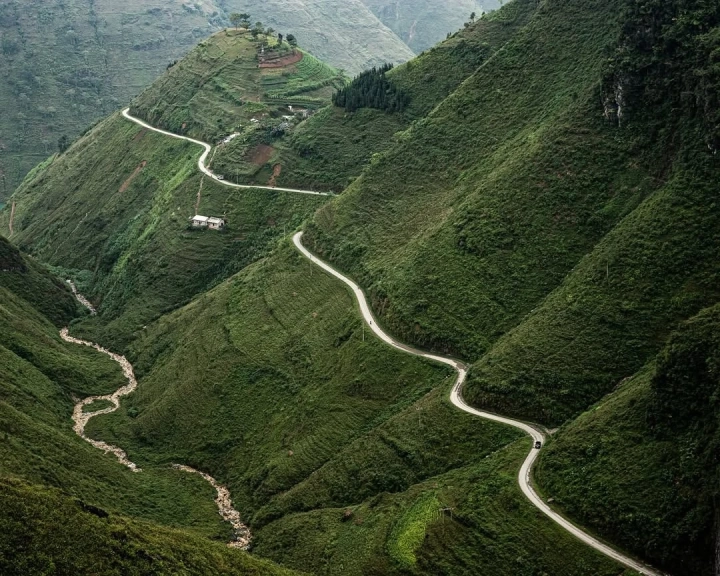
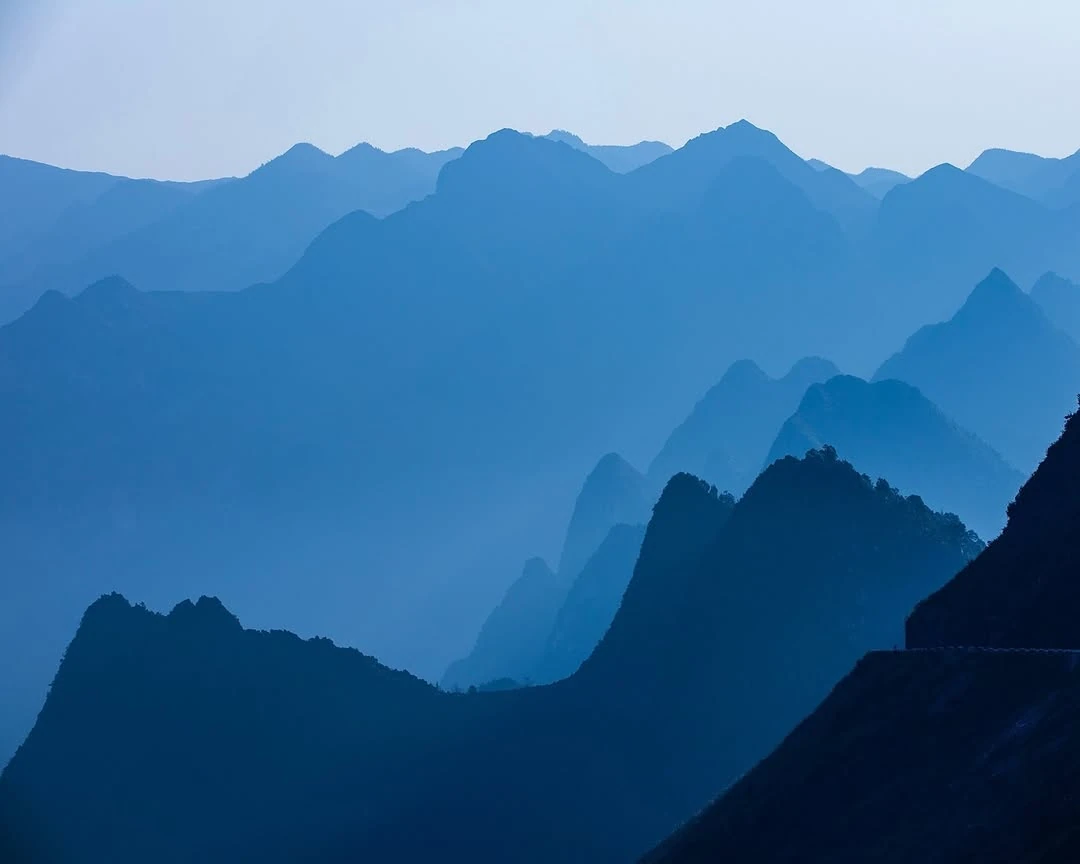
The quality of light is arguably the most significant factor in elevating Ma Pi Leng Pass photography from good to extraordinary. Midday sun, while bright, can often result in flat lighting and a loss of detail in the shadows due to the high contrast of the canyon. The best times to shoot are undoubtedly during the golden hour and the blue hour. The low-angle sunlight of the golden hour brings out the texture in the mountain slopes and casts long, dramatic shadows, revealing the rugged topography. The blue hour, just before sunrise and after sunset, bathes the landscape in a soft, ethereal glow, creating a serene and mystical atmosphere, particularly effective for drone shots capturing the vastness. Experienced photographers in Vietnam also suggest that overcast or misty conditions can lend a moody and atmospheric quality to Ma Pi Leng Pass. These conditions can soften the light, reduce the harsh contrast, and create a sense of mystery, especially when shooting drone footage or close-ups of the mountain textures. Understanding the dynamic range challenges presented by the bright skies and deep shadows is critical; using graduated neutral density filters or bracketed exposures for HDR can help manage this.
Capturing Ma Pi Leng Pass in Diverse Weather
While sunshine is often desired, don't underestimate the photographic potential of less-than-perfect weather. During the rainy season, lingering mist and clouds can create dramatic scenes. The mountains appear softer, and the greens of the vegetation become more saturated. Viet has shared that capturing scenes during or just after rain can offer unique opportunities for dramatic skies and reflective surfaces, adding depth and mood. Fog rolling through the canyon can create a sense of isolation and mystery, turning the familiar landscape into something entirely new and captivating. For travel shots, capturing locals navigating the pass in varying weather conditions adds an authentic narrative to your portfolio.
Equipment and Technical Considerations for Ma Pi Leng Pass
For landscape photography, a wide-angle lens is almost indispensable to capture the grandeur of Ma Pi Leng Pass. A focal length around 16-35mm on a full-frame camera will allow you to encompass the vastness of the canyon and the winding road. A telephoto lens can also be useful for isolating details, such as distant mountain peaks or specific sections of the road. For travel photography, a versatile zoom lens, like a 24-70mm, offers flexibility. For drone enthusiasts, a good quality camera with excellent low-light performance is beneficial, especially for shooting during the blue hour. A sturdy tripod is essential for sharp, detailed landscape shots, particularly in low light conditions. When it comes to camera settings, mastering exposure is key. The bright sky against the shadowed canyon can easily lead to blown-out highlights or crushed blacks. Experienced photographers in Vietnam often recommend using a camera's histogram to ensure you are capturing the full dynamic range of the scene. Shooting in RAW format is also highly recommended, as it provides the most flexibility for post-processing to recover details in both the highlights and shadows.
Ma Pi Leng Pass: Navigating Exposure Challenges
The extreme contrast at Ma Pi Leng Pass is a constant challenge. A common technique, championed by many photography educators, is to shoot multiple exposures and blend them in post-production to create an HDR (High Dynamic Range) image. This allows you to retain detail in both the bright sky and the dark canyon depths. Alternatively, a graduated neutral density (GND) filter can be placed over your lens to darken the sky, balancing the exposure. For drone photography, explore the camera's built-in HDR modes, which can often produce excellent results in-camera. Experimenting with exposure compensation is also a vital skill. Sometimes, slightly underexposing the scene can help preserve highlight detail in the sky, which can then be recovered during editing.
Best Times for Photography at Ma Pi Leng Pass
Ma Pi Leng Pass is a location that rewards year-round visits, offering distinct photographic opportunities across the seasons. However, the optimal times for dramatic light and clear views are typically during the dry season, which runs from October to April. During these months, the skies are often clear, and the light can be exceptionally crisp. The period around the Lunar New Year (Tet), usually in January or February, can be particularly vibrant with cultural activities, adding an extra layer to travel photography. The shoulder seasons, like September and May, often provide a good balance of pleasant weather and fewer crowds. While the rainy season (June to September) can present challenging weather, it also offers lush green landscapes and the potential for dramatic, moody shots with mist and fog. Viet suggests that for the most iconic, clear vistas of the pass, the dry season from autumn through spring is ideal, but he also notes the unique atmospheric beauty that rain and mist can bring. Regardless of when you visit, dawn and dusk will always provide the most photogenic light.
Ready to capture the full potential of Ma Pi Leng Pass? Join our Vietnam Photo Tours to experience this location with expert guidance and master your photography.
More Scenes
Ha Giang Loop
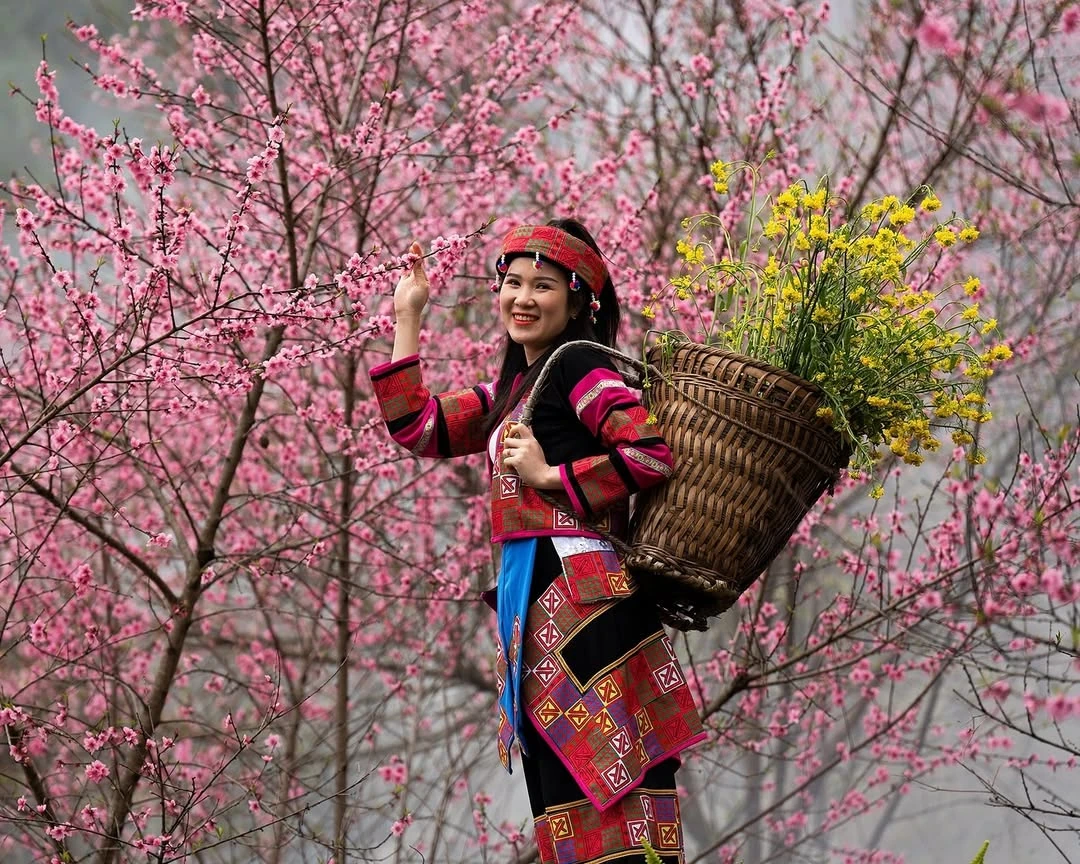
Ha Giang Spring
Similar Photography Genre
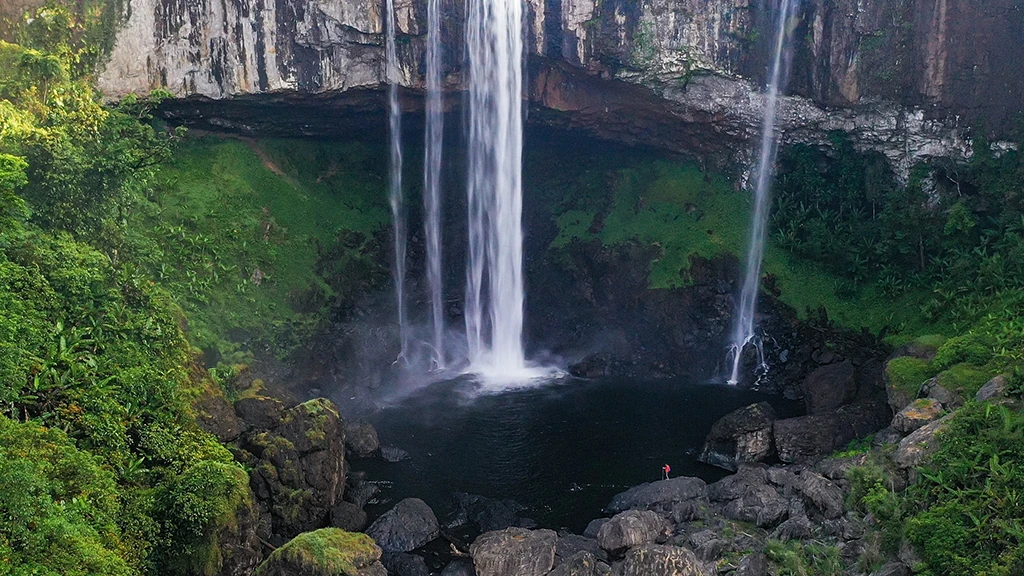
K50 Waterfall
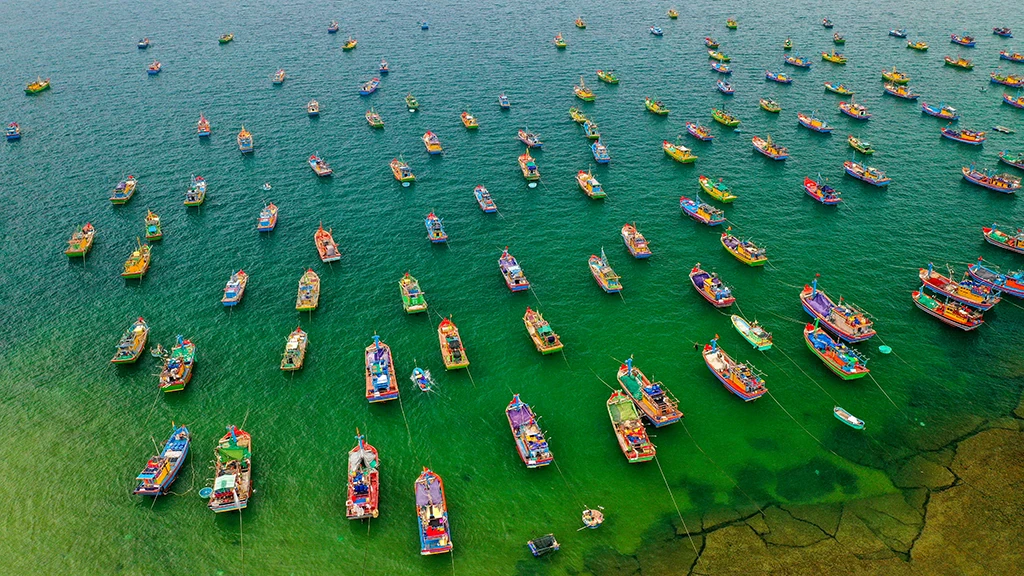
Boat Harbor