Lake Thac Ba
Master Lake Thac Ba photography in Vietnam. Discover tranquil island vistas, capture serene waters, and master unique lighting for stunning shots.
Lake Thac Ba in Yen Bai, Vietnam: Photography Guide
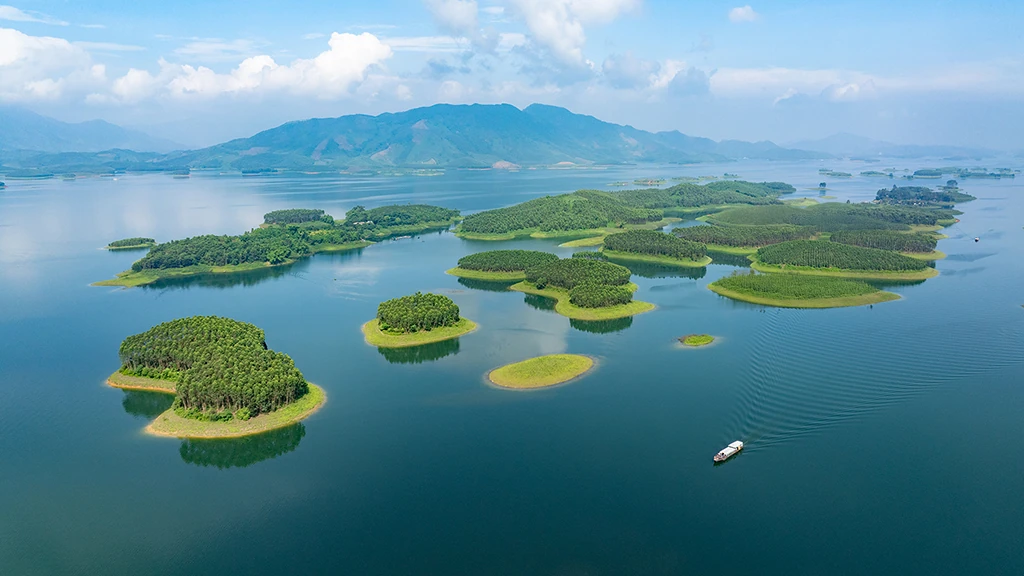
Lake Thac Ba, nestled in the picturesque Yen Bai province, offers photographers an unparalleled opportunity to capture the serene beauty of Vietnam's natural landscapes. As one of the largest artificial lakes in the country, its vast expanse of shimmering water, dotted with hundreds of verdant karst islands, creates a constantly evolving canvas. This guide delves into the specific photographic techniques and insights needed to master capturing Lake Thac Ba, catering to landscape, travel, and drone photography enthusiasts. The beauty of Lake Thac Ba is accessible year-round, with each season offering distinct moods and light conditions.
Yen Bai: Capturing the Essence of Lake Thac Ba
Photographing Lake Thac Ba in Yen Bai requires a blend of technical skill and an intimate understanding of the local environment. The scale of the lake, coupled with the often dramatic interplay of light and shadow on its islands, presents a unique challenge and reward for photographers. Experienced photographers in Vietnam suggest that embracing the dynamic weather patterns is key to unlocking the most compelling imagery.
Landscape Photography at Lake Thac Ba
For landscape photographers, the primary goal is to convey the immense scale and tranquil atmosphere of Lake Thac Ba. Using a wide-angle lens is often the first step to encompass the sweeping vistas. However, don't be afraid to switch to a mid-range zoom to isolate interesting island formations or the patterns created by the water. Look for leading lines, such as the paths of traditional wooden boats or the contours of the shoreline, to guide the viewer's eye into the scene. Early mornings and late afternoons provide the most forgiving and flattering light. The golden hour, just after sunrise and before sunset, bathes the water and islands in a warm, soft glow, accentuating textures and adding depth. Overcast days can also be advantageous, diffusing harsh light and allowing for more even exposures, especially when capturing the lush green foliage of the islands.
Travel Photography Embracing Lake Thac Ba
Travel photography at Lake Thac Ba is about telling stories and capturing the human element within this stunning natural setting. Focus on the local life that thrives around the lake – the fishermen in their boats, the villagers on the shores, and the distinctive wooden vessels that traverse the water. A prime lens in the 35mm or 50mm range is excellent for creating intimate portraits and capturing candid moments with a pleasing shallow depth of field. Look for opportunities to frame your shots using the natural elements of the landscape, such as silhouetting a boat against the rising sun or capturing a local dwelling nestled amongst the trees on an island. The key is to be patient and observant, waiting for those authentic interactions that reveal the soul of the place. Tran Tuan Viet recommends engaging with the local communities respectfully; often, the most profound photographic moments arise from these genuine connections.
Drone Photography Perspectives of Lake Thac Ba
Drone photography opens up a breathtaking new dimension for Lake Thac Ba. From above, the true scale of the lake and its archipelago of islands becomes apparent. Experiment with different altitudes and angles to showcase the intricate patterns of the water, the winding boat paths, and the juxtaposition of human activity against the vast natural landscape. Shooting during the blue hour, the period just before sunrise or after sunset when the sky has a deep blue hue, can create magical aerial compositions with the soft ambient light. Viet's suggestion for drone operators is to always prioritize safety and local regulations while seeking out unique perspectives that traditional ground-level photography cannot achieve. Capturing the vastness of Lake Thac Ba from above, with its myriad of islands, requires careful planning to balance the sky, water, and land elements for a harmonious composition. Pay attention to the reflections on the water’s surface, which can add a layer of complexity and visual interest to your aerial shots.
Mastering Light and Exposure at Lake Thac Ba
The lighting conditions at Lake Thac Ba can be dynamic and challenging. The water reflects light intensely, and the islands can create deep shadows, leading to a narrow dynamic range. When shooting landscapes, consider using an ND grad filter to balance the exposure between the bright sky and the darker landmasses. For travel photography, understanding how light falls on faces and scenes is crucial for creating impactful images. Viet shares that learning to read the light is a critical element of great photography; he often advises his students to pay close attention to how light defines form and mood, especially in Vietnam's tropical climate. For drone photography, be mindful of the sun's position to avoid lens flare and to create dramatic shadows and highlights. Shooting in RAW format is essential, as it provides the maximum flexibility for post-processing to recover details in both the highlights and shadows, which is particularly useful when dealing with the high contrast environments found at Lake Thac Ba.
Compositional Strategies for Lake Thac Ba Photography
Effective composition is vital for transforming a beautiful scene into a compelling photograph. When photographing Lake Thac Ba, consider the rule of thirds, but also explore more dynamic approaches. The islands themselves can act as natural framing devices, with foreground elements on one side leading the eye towards a focal point. Look for symmetry in the reflections on the water, especially during calm periods. Viet has found that incorporating the small, traditional wooden boats into the frame adds a sense of scale and narrative to the landscape. When using a drone, don't just shoot from directly overhead; explore oblique angles that reveal the three-dimensionality of the islands and the texture of the water. Incorporating foreground interest, even if it's just the texture of the lake’s surface or a few rocks, can significantly enhance the depth and impact of your shots.
The year-round accessibility of Lake Thac Ba means that photographers can visit at any time, but understanding seasonal nuances can further elevate your work. The dry season (typically November to April) often offers clearer skies and calmer waters, ideal for sharp landscape shots and smooth reflections. The rainy season (May to October), while bringing potential for dramatic storms and moody skies, also enhances the lushness of the islands and can create dramatic, atmospheric conditions. Experienced photographers in Vietnam suggest embracing the weather, not fighting it, as the most memorable images often come from unexpected conditions. To truly master the unique visual opportunities presented by Lake Thac Ba, consider joining Vietnam Photo Tours for a guided photography experience designed to help photographers capture stunning images at this remarkable Yen Bai location.
Similar Photography Genre
Foggy Mountains
Tea Pickers