Lake Ta Dung
Discover Lake Ta Dung Vietnam: Your guide to capturing serene waters, unique light, and stunning island vistas for breathtaking photography.
Lake Ta Dung in Dak Nong, Vietnam: Photography Guide
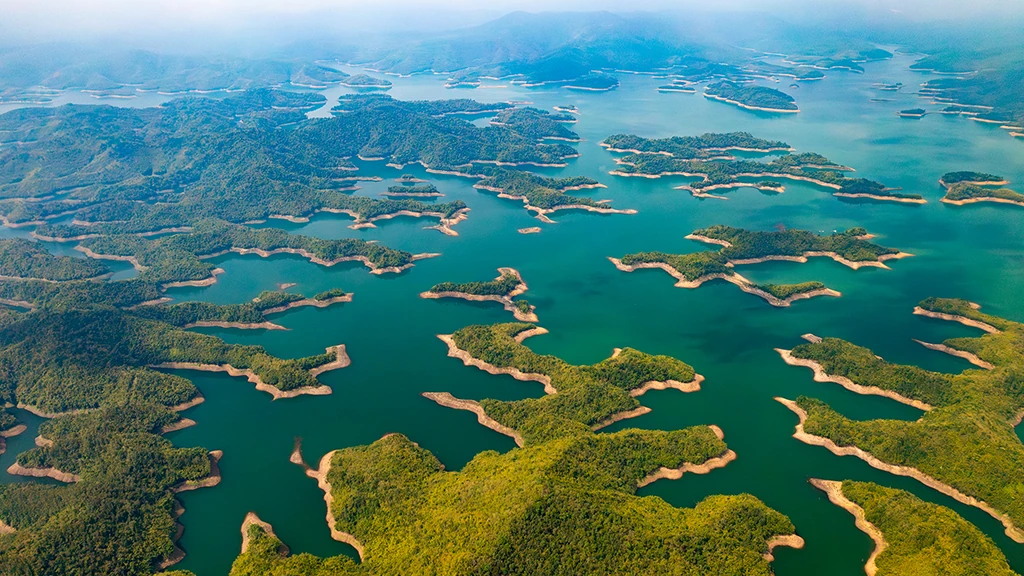
Lake Ta Dung, nestled within the breathtaking landscapes of Dak Nong province, offers photographers a unique and captivating subject. Often referred to as Vietnam's "Ha Long Bay on land," this expansive reservoir, dotted with numerous islands and surrounded by verdant, rolling hills, provides a constantly shifting panorama ideal for landscape, travel, and drone photography. The beauty of Lake Ta Dung is its year-round appeal; while each season brings its own character, the fundamental visual drama remains consistent, making it an accessible yet rewarding destination for photographers at any time.
Dak Nong: Capturing the Essence of Lake Ta Dung
The essence of Lake Ta Dung lies in its interplay of water, land, and sky, a composition that demands careful observation and thoughtful execution from the photographer. Dak Nong province itself is known for its rugged beauty and its significant agricultural presence, particularly coffee and pepper plantations, which often form a textured backdrop to the lake's serene waters. Understanding the local environment, including the atmospheric conditions, is paramount. For instance, experienced photographers in Vietnam often emphasize the importance of embracing the haze that can settle over the landscape, especially in the mornings or after rain, as it can lend a painterly, ethereal quality to images.
Compositional Strategies for Lake Ta Dung Photography
Photographing Lake Ta Dung is an exercise in composition, where the arrangement of elements creates emotional impact and visual interest. When approaching the lake, whether from the shore or from an elevated viewpoint, actively seek out leading lines formed by the shore, boat wakes, or the natural contours of the islands. The numerous islets, each a miniature ecosystem, can serve as focal points or framing devices. Drone photography opens up incredible perspectives, allowing for sweeping vistas that reveal the full scale and intricate pattern of the lake and its islands. Tran Tuan Viet, whose stunning landscape work has captured the heart of Vietnam, often stresses the importance of finding a unique vantage point that tells a story. He suggests looking for opportunities to incorporate local life, such as fishing boats or stilt houses, to add a human element and a sense of place to your Lake Ta Dung images.
When composing, consider the rule of thirds, placing key elements along the intersecting lines. However, don't be afraid to experiment with symmetry, especially when the water is calm and reflective, mirroring the islands and sky. The sheer scale of Lake Ta Dung can be a challenge; a wide-angle lens is often a photographer's best friend for capturing the grandeur, but don't overlook the telephoto lens for isolating specific islands or distant mountain ranges, creating a sense of depth and mystery. For travel photography, focus on the interactions between people and this stunning environment, whether it's a local fisherman casting a net or a family enjoying the lakeside.
Lighting and Atmospheric Conditions at Lake Ta Dung
The quality of light is a critical element in photographing any landscape, and Lake Ta Dung is no exception. The early morning and late afternoon, commonly known as the golden hour, offer the most dramatic and flattering light. Sunrise can paint the sky with soft hues and cast long shadows across the water, highlighting the topography of the islands. Sunset provides a similar opportunity, often bathing the scene in warm, rich tones. However, Viet's experience photographing Vietnam's diverse landscapes reveals that even midday light can be managed effectively.
Capturing Lake Ta Dung in Different Light
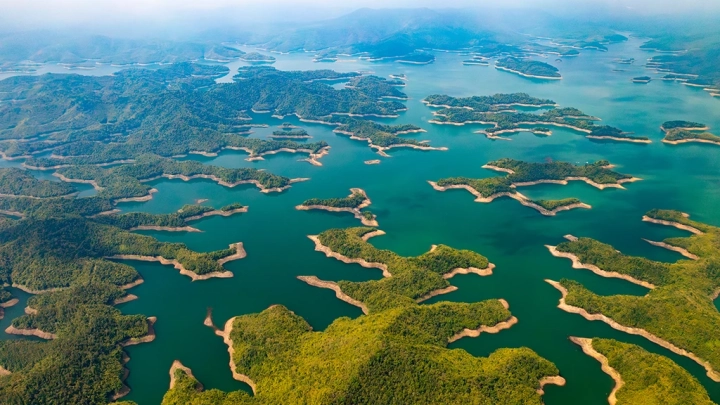
While the golden hour is a classic choice, understanding how to work with other lighting conditions is key to unlocking Lake Ta Dung's full potential. Overcast skies can diffuse light, reducing contrast and offering a softer, more muted palette, which can be perfect for emphasizing subtle textures and colors. This can be particularly beneficial for drone shots where a consistent, even light is desired. For landscape photographers, dealing with the narrow dynamic range between the bright sky and darker landmasses often requires bracketed exposures for HDR processing or the skillful use of a graduated neutral density filter. Tran Tuan Viet recommends patience; sometimes, waiting for a specific cloud formation or the sun to break through can transform an otherwise ordinary scene into something extraordinary.
The rainy season, while potentially presenting challenges with visibility, also brings a unique atmosphere. Lush greenery is intensified, and mist can shroud the islands, creating an incredibly moody and evocative scene, especially from a drone's elevated perspective. This is where embracing the natural conditions, rather than fighting them, can lead to truly distinctive images. Experienced photographers in Vietnam know that unpredictable weather can often yield the most compelling photographic opportunities, turning a simple lake scene into a dramatic narrative.
Drone Photography Perspectives of Lake Ta Dung
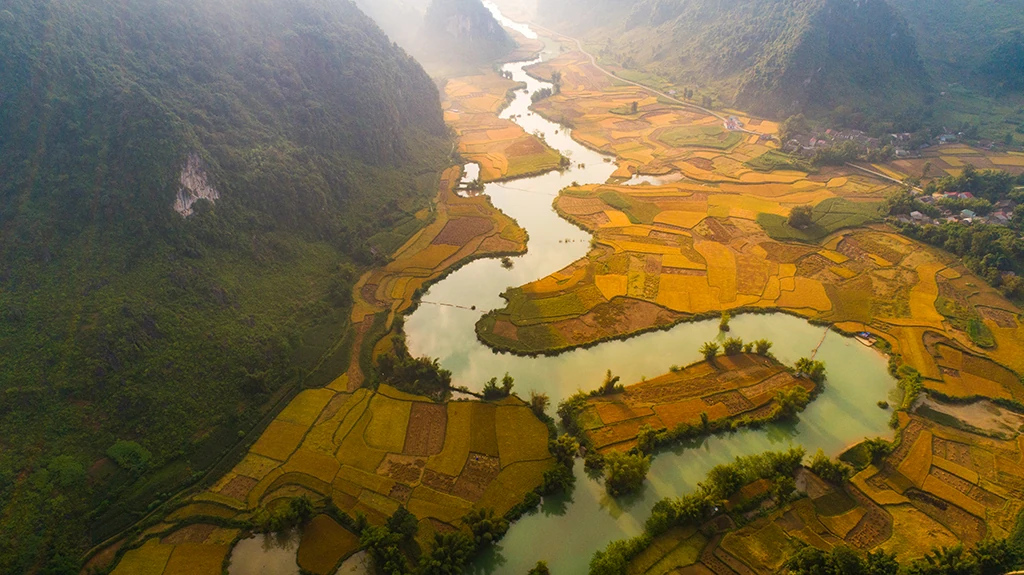
Drone photography elevates the visual storytelling of Lake Ta Dung to a new level. The ability to hover above the water and survey the vast expanse allows for compositions that are simply impossible from ground level. Capturing the intricate network of islands, the winding waterways, and the scale of the reservoir against the backdrop of Dak Nong's highlands becomes seamless. When flying a drone, consider the patterns that emerge from above – the way the islands cluster, the trails left by boats, and the textures of the water's surface.
Maximizing Drone Imagery of Lake Ta Dung
Viet suggests experimenting with different altitudes and flight paths to discover the most compelling perspectives. A lower altitude might capture more detail on the islands or the immediate surroundings, while a higher vantage point provides a sweeping, abstract view of the lake's geometry. Pay attention to the time of day; dawn and dusk from the air can be spectacular, with the sun's low angle casting long shadows and illuminating the landscape from above. For drone pilots, understanding wind conditions is also crucial, especially in an area known for its mountainous terrain, which can create unpredictable gusts. Ensuring your drone shots tell a story, perhaps by following a boat or highlighting the contrast between water and land, will make them far more engaging.
It is also worth noting the unique agricultural landscape surrounding Lake Ta Dung. Drone footage can effectively showcase the patchwork of coffee farms and other plantations that define the Dak Nong region, adding a layer of context to the natural beauty of the lake. This integration of natural and agricultural elements is a hallmark of many stunning travel and landscape photographs from Vietnam.
Essential Gear and Settings for Lake Ta Dung
To effectively capture Lake Ta Dung, a thoughtful selection of gear and understanding of settings is beneficial. For landscape and travel photography, a versatile setup including a good quality DSLR or mirrorless camera, a range of lenses (wide-angle for vistas, a telephoto for details), a sturdy tripod for low-light conditions, and extra batteries are essential. For drone photography, a reliable drone with a good camera, sufficient memory cards, and a portable charger are paramount.
Technical Considerations for Lake Ta Dung
When shooting, especially during the golden hour or in lower light conditions, using a tripod and a relatively low ISO (e.g., ISO 100-400) will help maintain image quality and sharpness. Aperture settings will vary depending on your desired depth of field; a smaller aperture (e.g., f/8 to f/11) is typical for landscapes to ensure front-to-back sharpness. When photographing the water, a longer exposure can create a silky, blurred effect, which looks particularly stunning with the numerous islands and varied shorelines. This requires a tripod and often neutral density filters to achieve the desired shutter speed in brighter conditions.
For drone operations, ensure you understand local regulations and fly responsibly. Camera settings on the drone should be optimized for the available light; shooting in RAW format is highly recommended to allow for maximum flexibility in post-processing, especially when dealing with the variable light conditions encountered at Lake Ta Dung. Experienced photographers like Tran Tuan Viet often emphasize that mastering your gear and understanding its limitations allows you to focus on the creative aspects of composition and light.
Ready to capture the full potential of Lake Ta Dung? Join our Vietnam Photo Tours to experience this location with expert guidance and master your photography.
Similar Photography Genre
Flower Fields
Winding River