Lagoons
Discover Vietnam's Hue Lagoons: A photographer's guide to capturing serene waters, unique light play, and tranquil beauty for stunning shots.
Photography Guide of Lagoons in Hue, Vietnam
The serene and captivating Lagoons of Hue offer photographers a unique opportunity to capture the essence of Vietnam’s coastal landscapes. These expansive waterways, often veiled in mist and teeming with local life, present a dynamic subject for landscape, travel, and drone photography. Unlike the dramatic mountains or bustling cities, Hue’s Lagoons invite a slower, more contemplative approach, focusing on light, atmosphere, and the subtle interplay between nature and human activity. Experienced photographers in Vietnam often speak of the almost meditative quality of shooting these locations, where patience is rewarded with exceptional light and evocative scenes.
Photography Techniques for Hue Lagoons
Capturing the full beauty of the Lagoons requires an understanding of the specific environmental conditions and photographic opportunities present in Hue. The year-round accessibility of these locations means there's always a compelling visual narrative to uncover, though certain times of day and weather patterns can dramatically enhance your images.
Compositional Strategies for Lagoons Photography
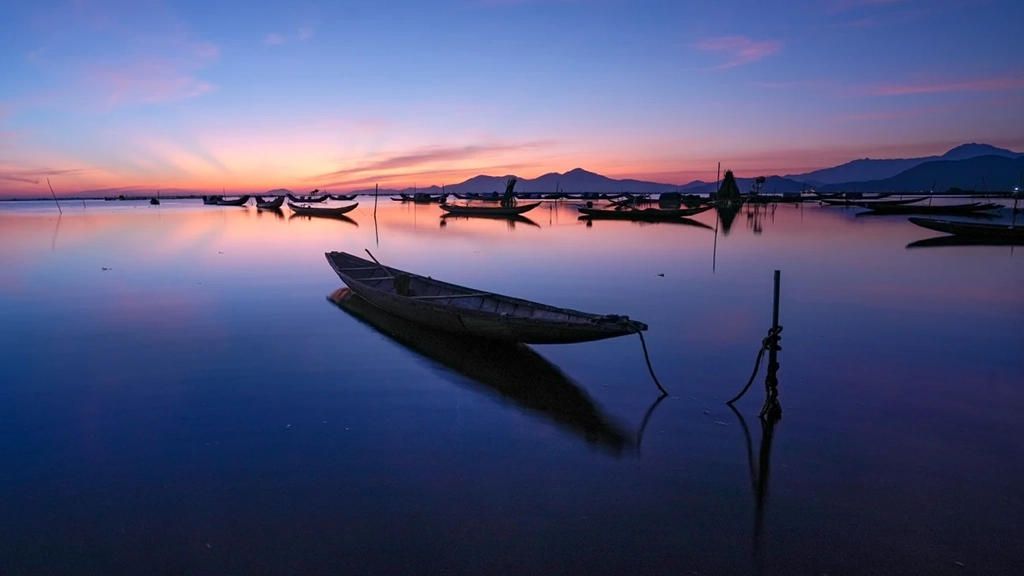
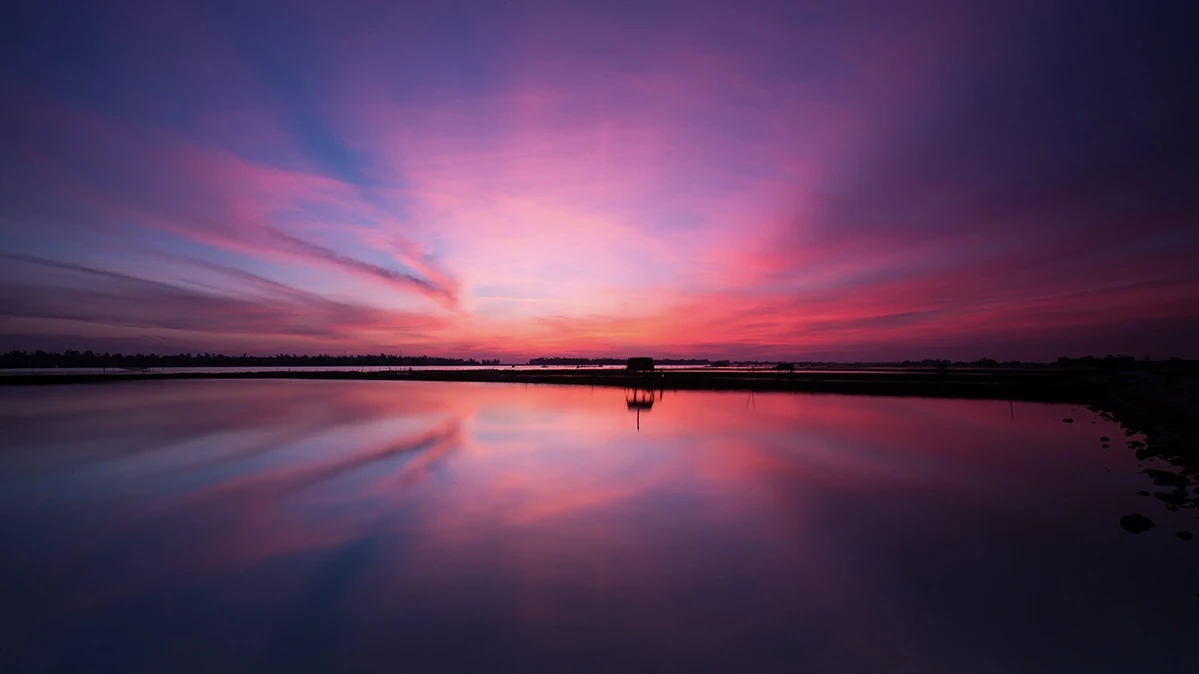
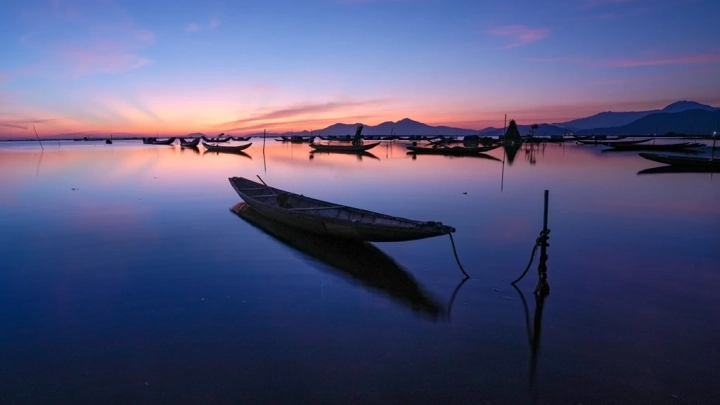
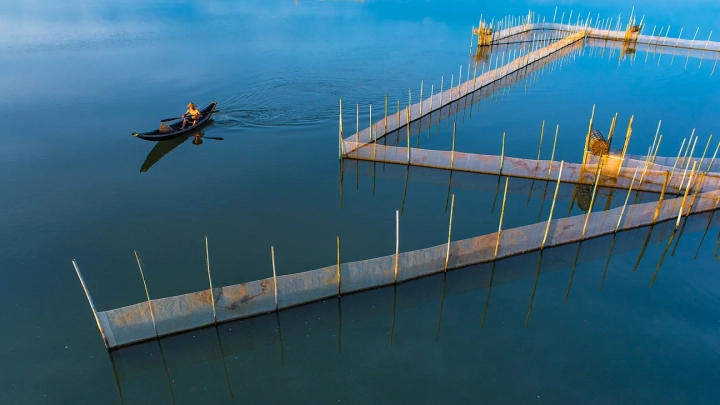
When composing your shots, consider the vastness of the Lagoons and the elements that break up the expanse. Look for leading lines formed by fishing boats, stilt houses, or the gentle curves of the shoreline. Reflections play a critical role in lagoon photography; the still water often mirrors the sky, boats, and surrounding vegetation, creating symmetrical and visually striking compositions. Drone photography excels here, offering sweeping aerial perspectives that reveal the intricate patterns of the waterways and the surrounding landscape. Tran Tuan Viet, a renowned Vietnamese landscape photographer, often emphasizes the importance of negative space in his work, and this is particularly relevant for the expansive skies and calm waters of the Lagoons. He suggests allowing the scene to breathe, using open areas to draw the viewer’s eye towards the subject.
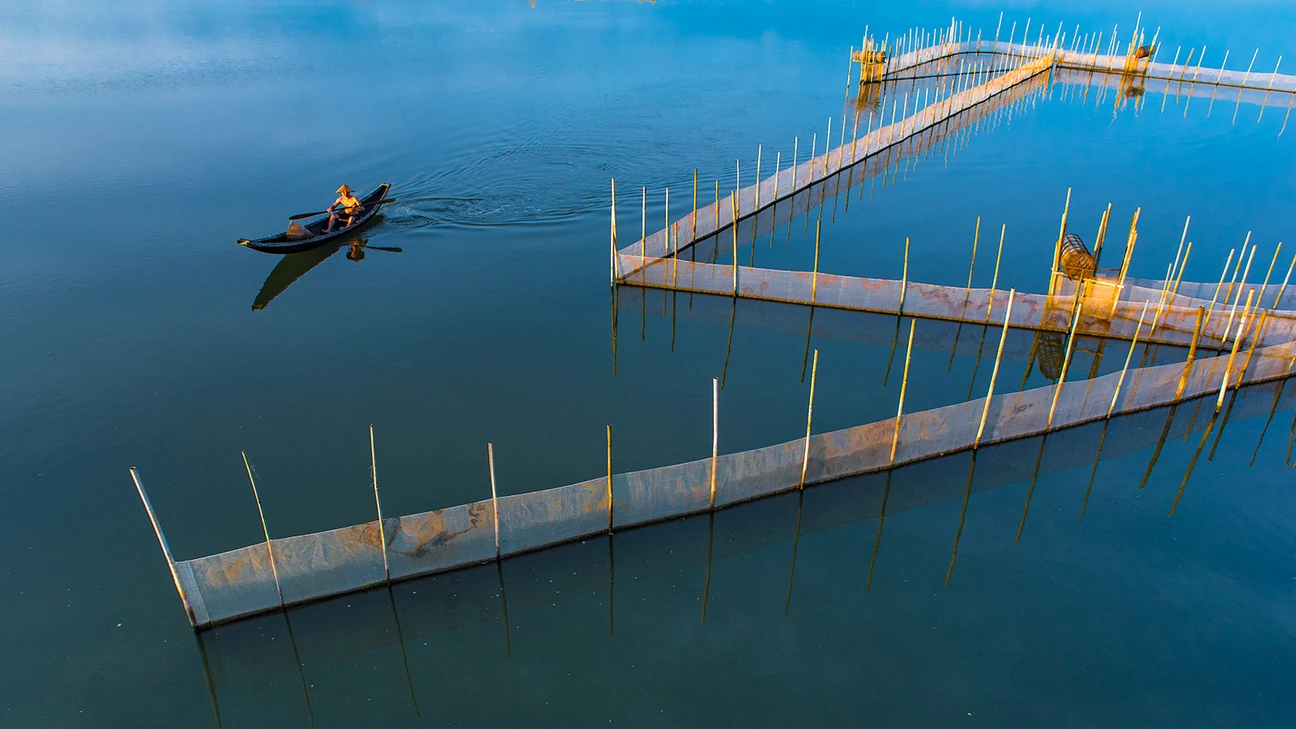
For travel photography, focus on the human element. Fishermen casting nets, women paddling small sampans, and the daily routines unfolding along the water's edge provide intimate glimpses into local life. These moments, when captured with intention, add a layer of storytelling to your landscape images. When shooting from the ground, experiment with foreground elements – reeds, water plants, or a solitary boat – to add depth and context. Viet recommends using a lower camera angle when possible to emphasize the reflections and the interaction between the water and the sky.
Lighting Techniques for Capturing Lagoons
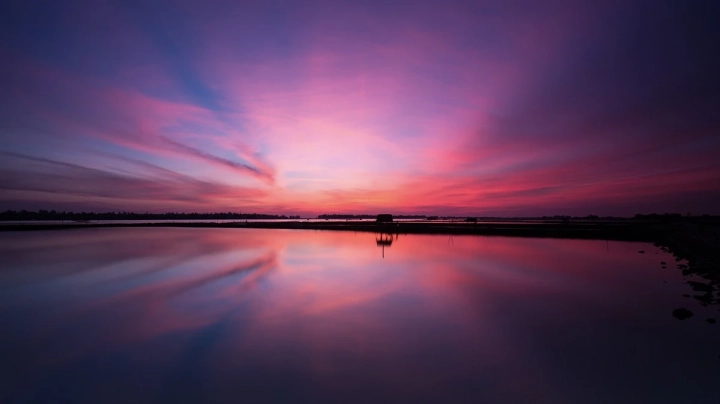
The light in Hue can be beautifully diffuse and atmospheric, especially during the early morning and late afternoon. The golden hour, just after sunrise and before sunset, bathes the Lagoons in warm, soft light, enhancing colors and creating long, dramatic shadows. This is the ideal time for capturing the serene beauty of the water and the sky. Mist is also a frequent visitor, particularly in the cooler months, and it can add an ethereal, painterly quality to your photographs. Embrace the mist; it softens the scene and creates a sense of mystery, making your images more evocative. Experienced photographers in Vietnam often seek out foggy mornings for this very reason. When shooting during the day, especially with a drone, be mindful of harsh midday sun, which can lead to blown-out highlights and a narrow dynamic range. Consider using a polarizing filter to cut down glare on the water and deepen the blues of the sky.
Tran Tuan Viet suggests embracing the weather, as it often dictates the mood of the scene. "Don't be afraid of a little rain or mist," Viet has shared, "these conditions often create the most memorable and unique images at the Lagoons." He also advises photographers to bracket their exposures when dealing with high contrast scenes, particularly at sunrise or sunset, to ensure they capture detail in both the highlights and shadows. This technique is invaluable for scenes with a wide range of light, from the bright sky to the dark waters.
Drone Photography Opportunities in Hue Lagoons
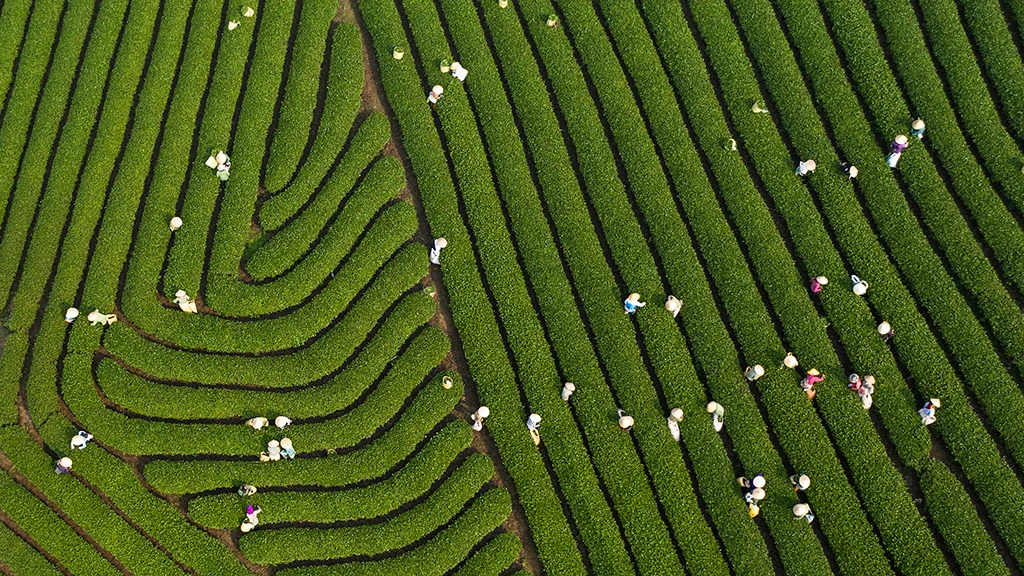
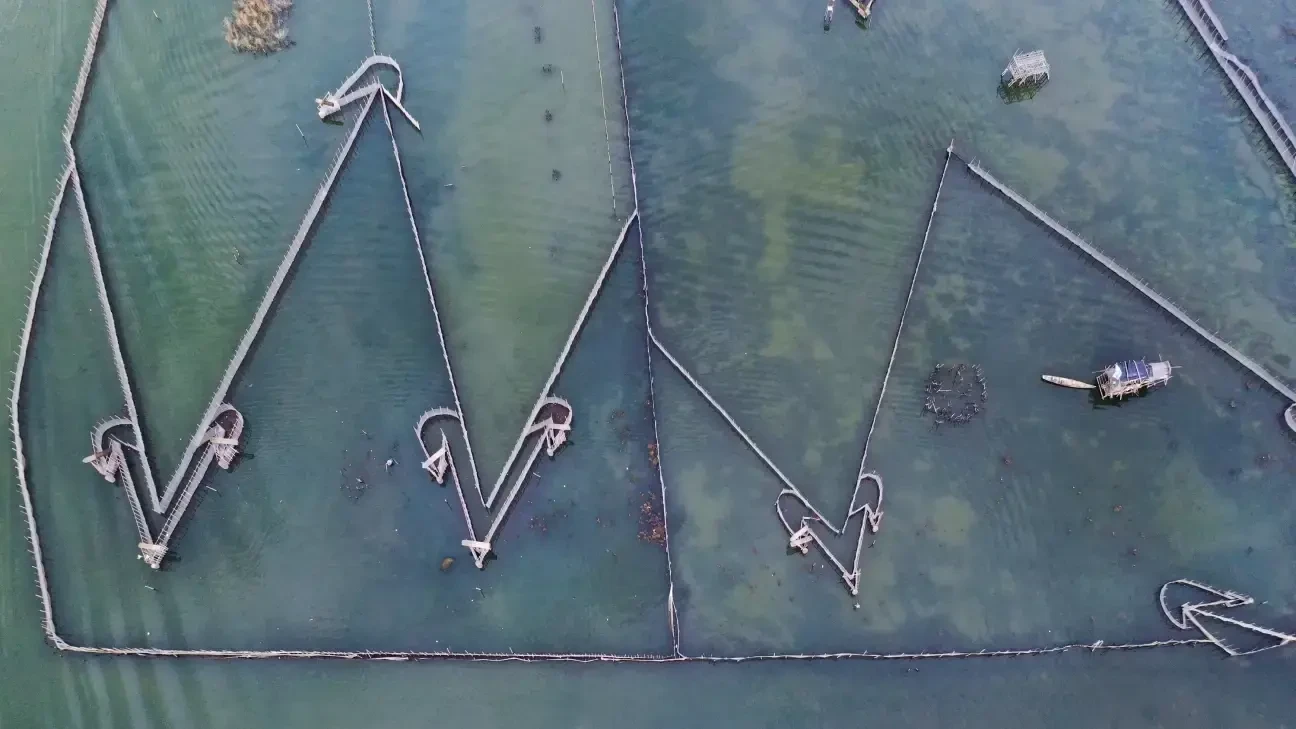
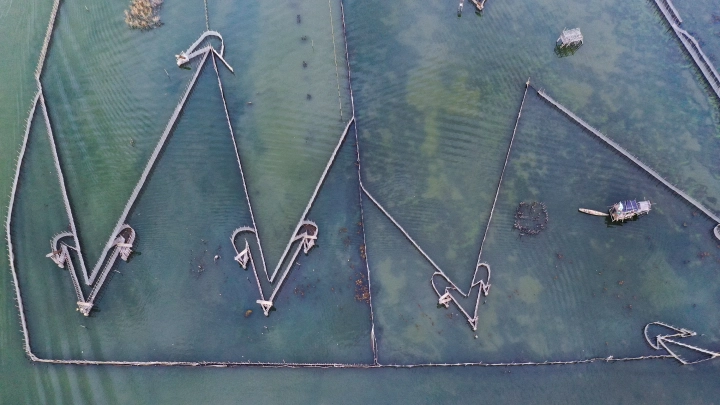
Drone photography unlocks a new dimension for capturing the Lagoons. From an aerial perspective, the intricate network of waterways, the patterns of aquaculture farms, and the spread of coastal vegetation become apparent. Use your drone to scout locations and identify compelling compositions that are not visible from ground level. The ability to fly higher allows you to frame the entire Lagoon system, showcasing its scale and relationship with the surrounding land. Consider flying at different altitudes and angles to create a variety of images, from sweeping vistas to more detailed shots of specific features like floating markets or fishing villages.
Capturing Movement and Life with Drone Photography
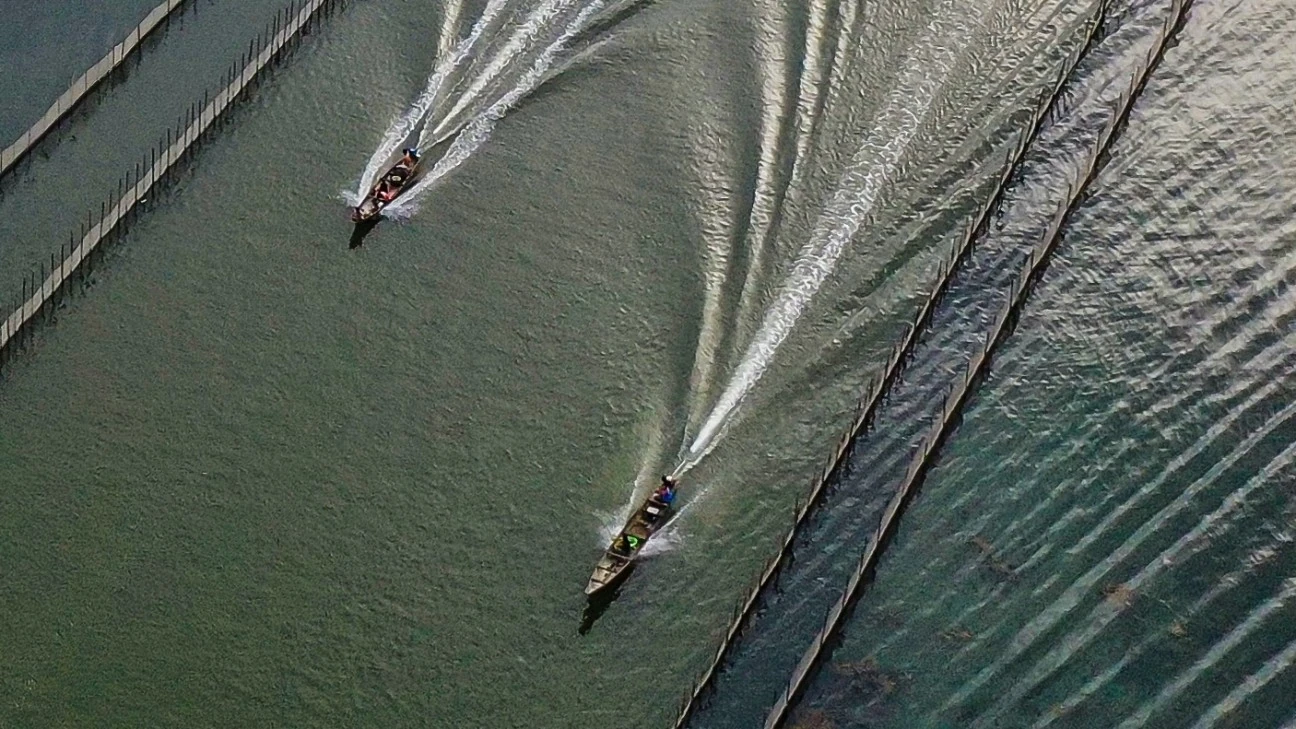
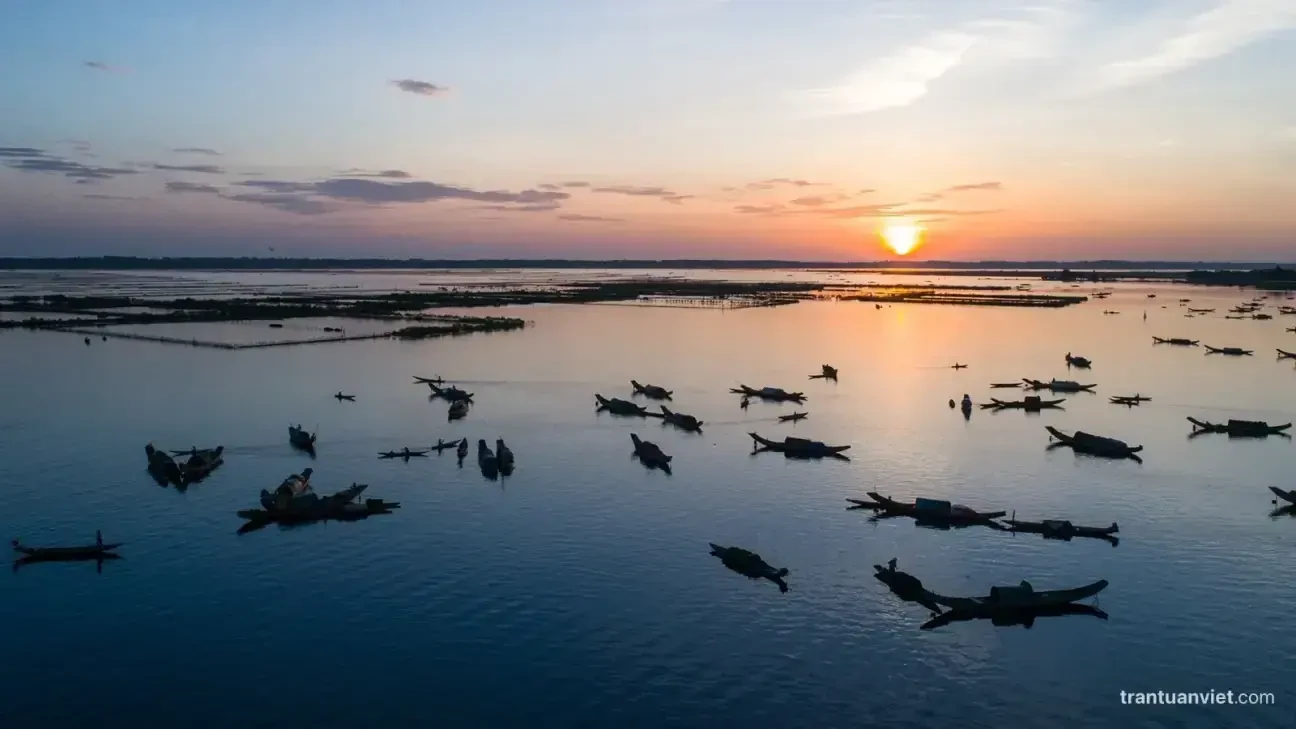
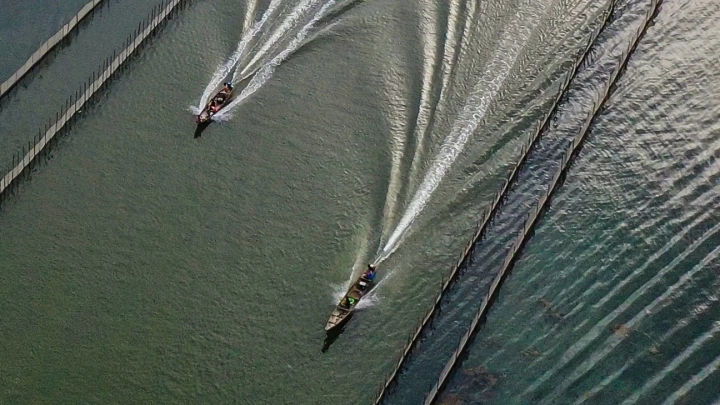
When using a drone, look for opportunities to capture movement. The slow, deliberate movements of fishing boats, the trails left by sampans, or the patterns of birds in flight can add dynamism to your aerial shots. Viet's experience photographing Vietnam’s diverse landscapes highlights the power of capturing natural and human movement. He emphasizes that even subtle motion can bring a static scene to life. For drone photography, consider using a shutter speed that allows for some motion blur in the water or on moving objects to convey a sense of time and activity. Experiment with flying your drone at different times of day to see how the light transforms the scene from above. Dawn and dusk offer particularly beautiful light for drone photography, casting long shadows and warm tones across the water.
Year-Round Beauty and Practical Considerations
The Lagoons of Hue are a photographer’s dream year-round. While each season offers its unique charm, the coastal location means they are rarely inaccessible due to weather. The rainy season (roughly September to January) can bring dramatic skies and lush, vibrant greenery, though it also requires careful attention to weather conditions and waterproof gear. The dry season offers clearer skies and calmer waters, ideal for reflections and extended shooting periods. It's important to pack versatile lenses, from a wide-angle for grand vistas to a telephoto for isolating details of local life or distant landscapes. A sturdy tripod is also essential for low-light conditions and achieving sharp images, especially when using slower shutter speeds to capture the water's movement or during misty mornings.
Vietnam Photo Tours offers expertly guided expeditions to these and other stunning locations across Vietnam. Our tours are designed to help you master landscape and travel photography techniques in real-world conditions, with guidance from experienced professionals who know the best spots and times to shoot. You’ll learn to interpret light, compose impactful images, and utilize your equipment to its full potential, all while immersing yourself in the rich culture of Vietnam. Learning from local experts ensures you capture authentic and compelling imagery, avoiding generic travel snapshots.
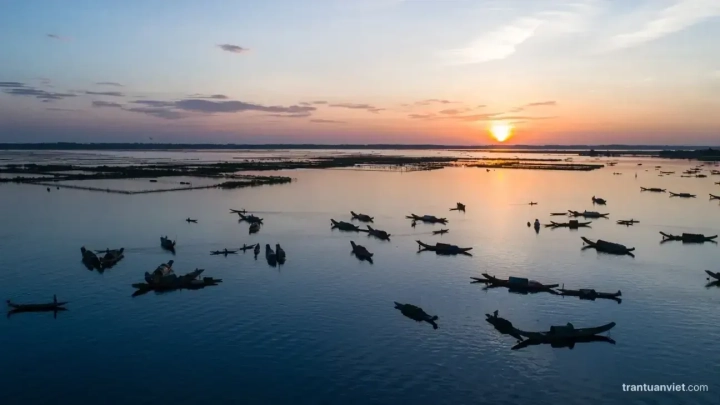
To truly master this location, consider joining Vietnam Photo Tours for a guided photography experience designed to help photographers capture stunning images at Hue’s Lagoons. Our tours provide unparalleled access and expert insight, ensuring you come away with a portfolio of breathtaking images and a deeper understanding of photography in Vietnam.
More Scenes
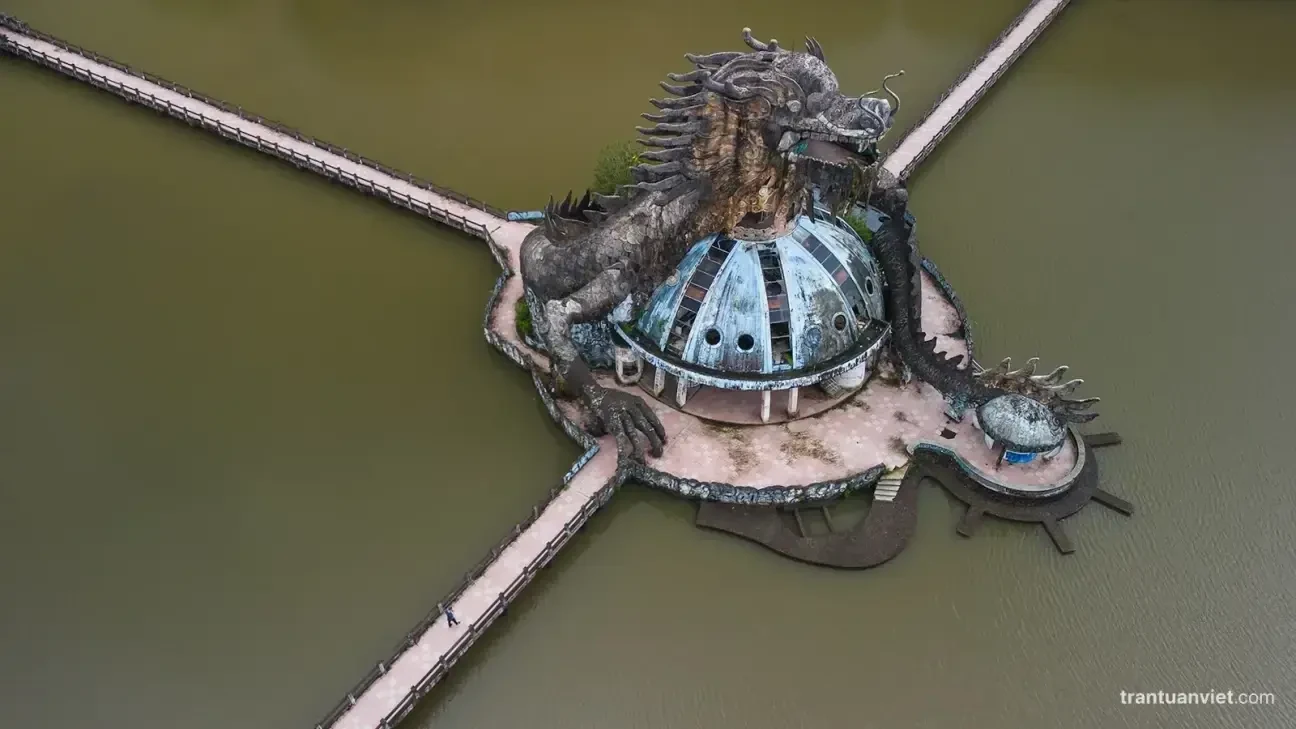
Abandoned Park
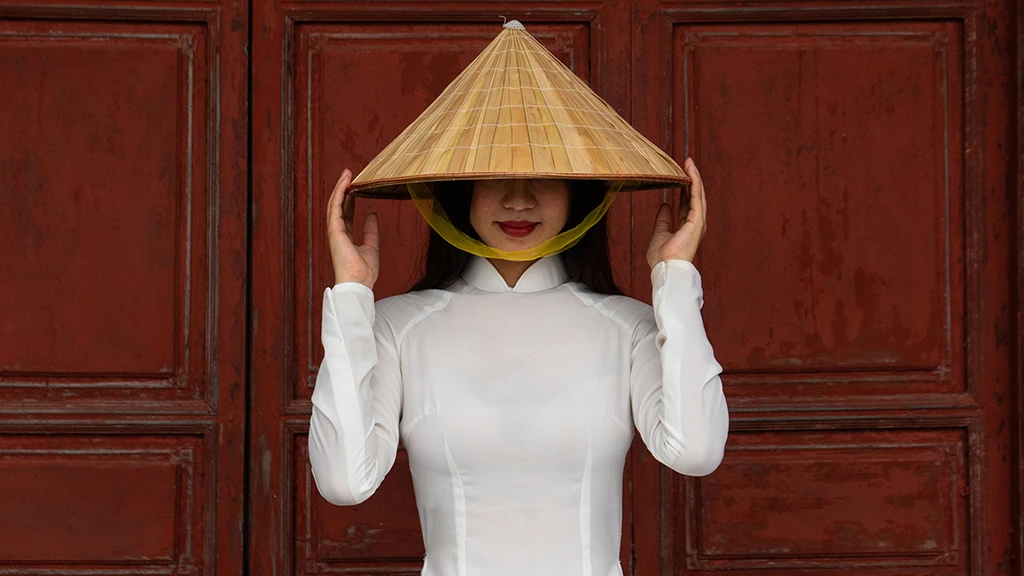
Ao Dai Model
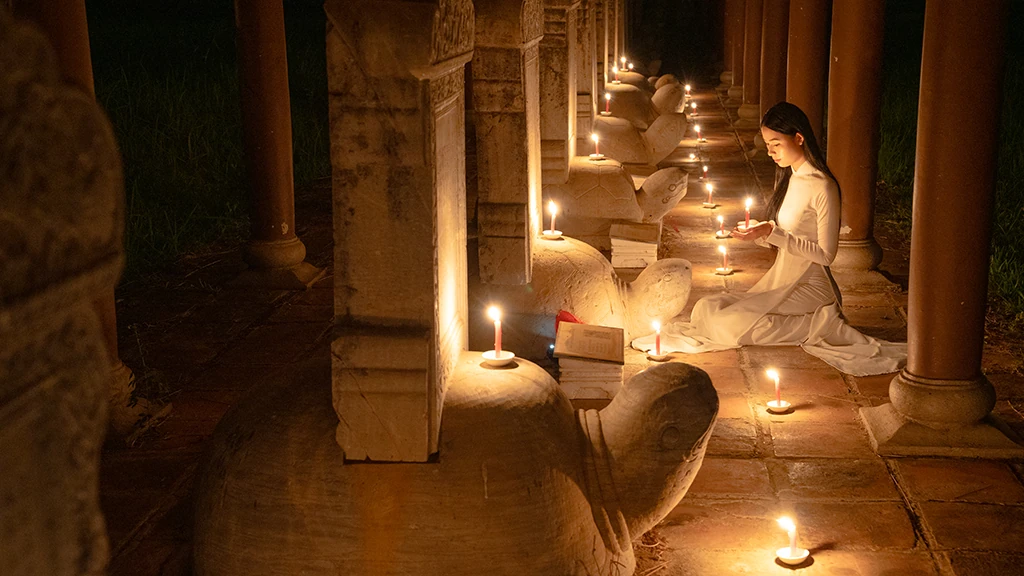
Candle Prayer
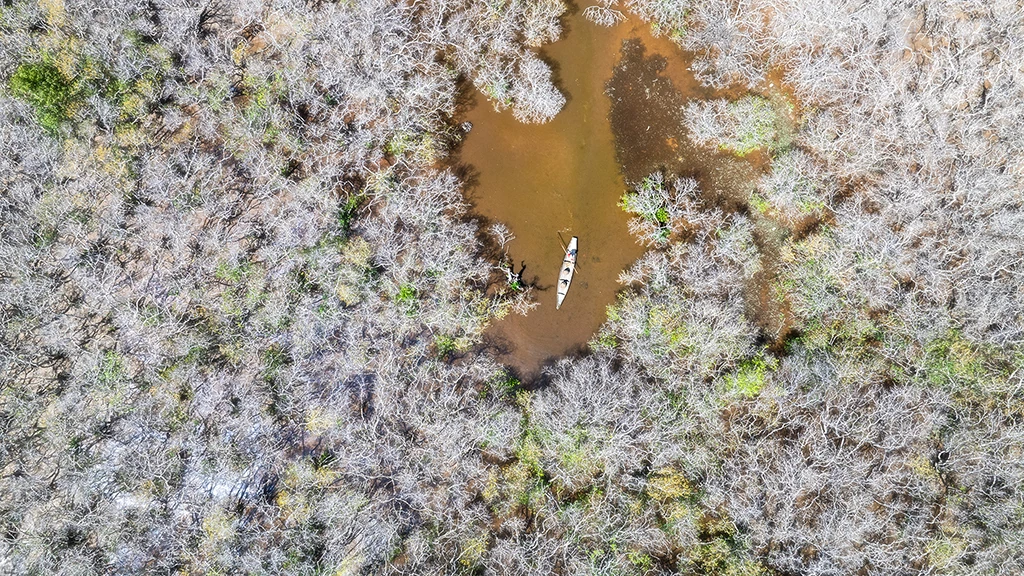
Cha Forest
Similar Photography Genre
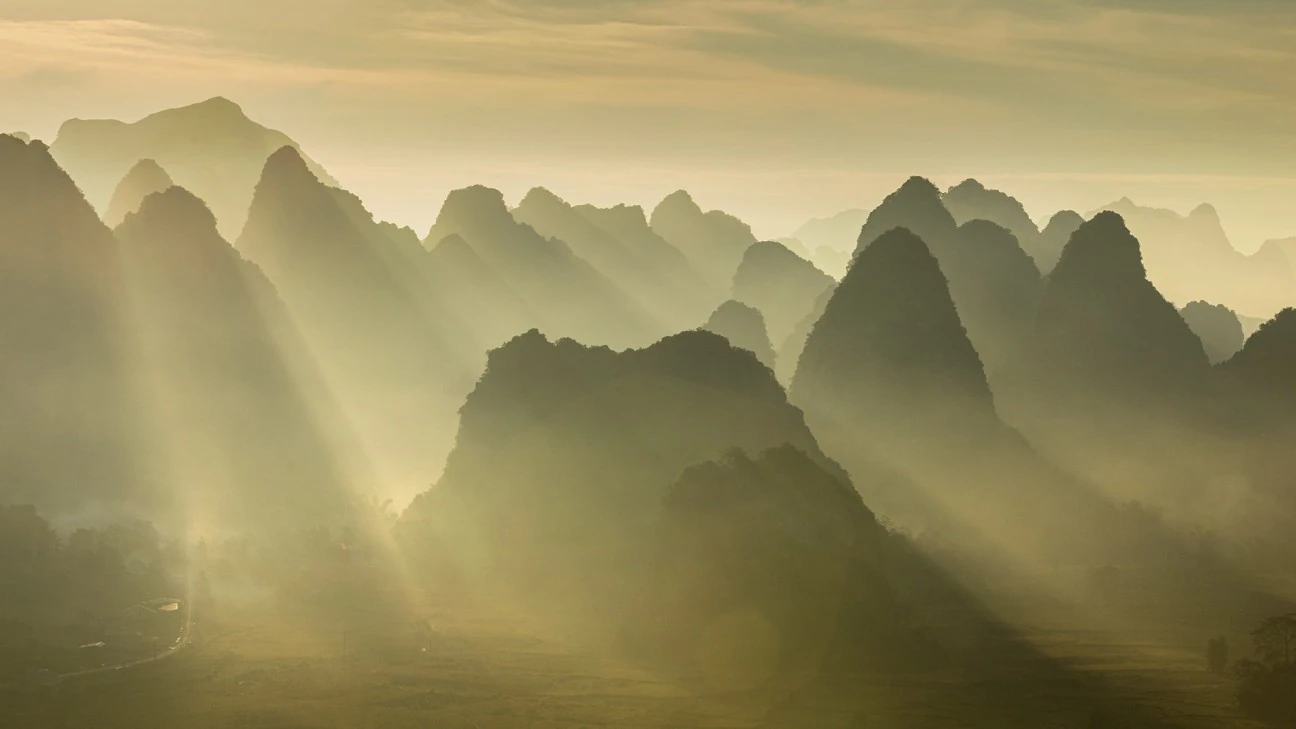
Foggy Mountains
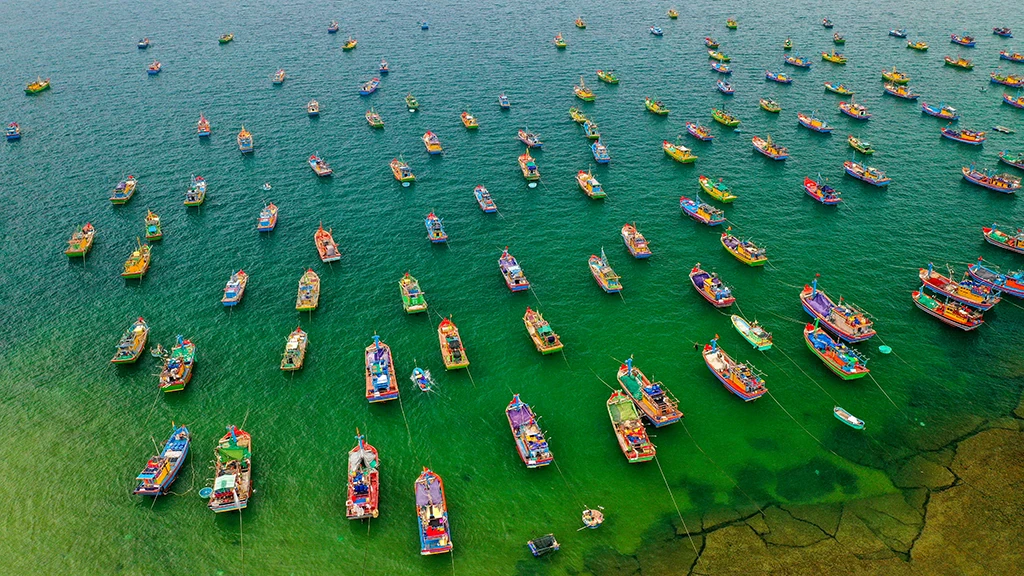
Boat Harbor