K50 Waterfall
Unlock K50 Waterfall Vietnam photography: Master misty cascades, vibrant jungle light, and raw nature for breathtaking visual stories.
K50 Waterfall in Gia Lai, Vietnam: Photography Guide
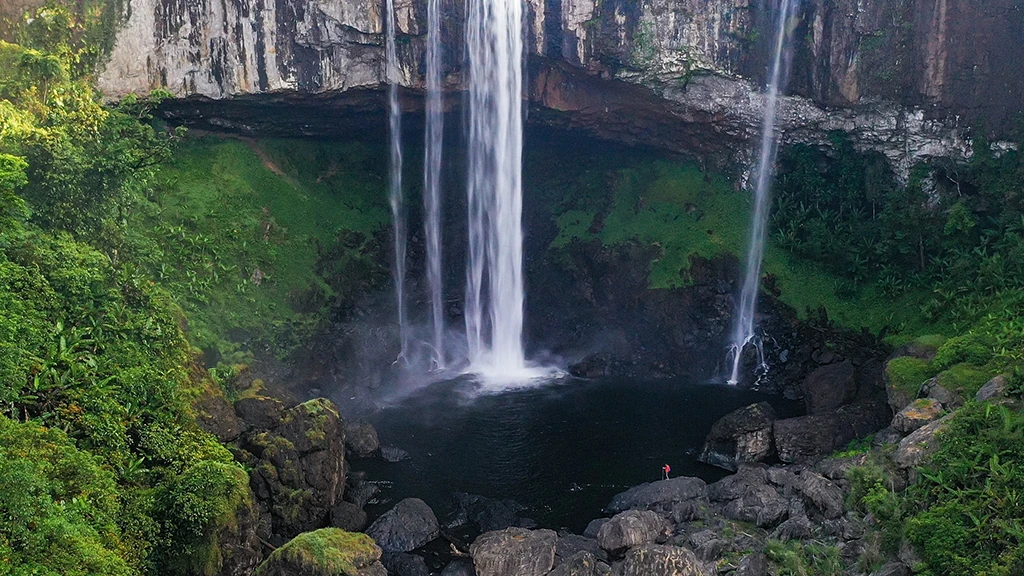
The K50 Waterfall, nestled in the verdant highlands of Gia Lai province, presents an exhilarating photographic opportunity for those seeking to capture the raw power and serene beauty of Vietnam's natural landscapes. This magnificent cascade, often referred to as the 'Queen of the Central Highlands', offers a dynamic subject that can be approached from various angles and with different photographic genres in mind. Whether you are a landscape enthusiast, a travel photographer documenting the journey, or a drone pilot seeking aerial perspectives, K50 Waterfall provides a wealth of visual narratives.
Gia Lai's unique topography contributes to the dramatic setting of K50 Waterfall. The surrounding dense forests and rolling hills create a natural amphitheater that enhances the waterfall's grandeur. Photographers will find that the water itself, whether a raging torrent or a gentle flow depending on the season, offers endless possibilities for creative expression. Capturing the ethereal mist, the polished rocks, and the vibrant greenery requires a keen eye for detail and an understanding of how to manipulate light and motion.
Gia Lai: Photography Techniques for K50 Waterfall
Photographing K50 Waterfall demands a strategic approach to composition, lighting, and technique. The sheer scale of the waterfall can be daunting, but by breaking it down into elements, photographers can create compelling images. The year-round accessibility of K50 Waterfall means that no matter when you visit, there will be distinct photographic opportunities, though seasonal variations in water volume and surrounding foliage will significantly alter the scene.
Compositional Strategies for K50 Waterfall Photography
When approaching K50 Waterfall, consider the classic landscape compositional rules and adapt them to the unique environment. The rule of thirds can be applied by placing the main cascade or a prominent rock formation along the intersecting lines. However, don't be afraid to experiment with leading lines, such as the flow of the river or the contours of the rocks, to guide the viewer's eye into the frame. For a sense of scale, including a human element (perhaps a fellow traveler on a guided tour) can be highly effective, but ensure it doesn't detract from the waterfall itself. Experienced photographers in Vietnam often suggest looking for framing elements in the natural environment, such as overhanging branches or rock formations, to add depth and context to K50 Waterfall.
Vietnamese photographer Tran Tuan Viet often emphasizes the importance of finding unique perspectives. He suggests that sometimes the most striking images come from looking up, capturing the water plunging down, or from a low angle that exaggerates the height and power of the falls. For travel photography, focusing on the journey to K50 Waterfall – the winding paths, the local flora and fauna, and the anticipation – adds a narrative layer to the visual story. Exploring different focal lengths is also key; a wide-angle lens can capture the vastness of the scene, while a telephoto lens can isolate details of the cascading water or distant rock faces.
Lighting Techniques for K50 Waterfall
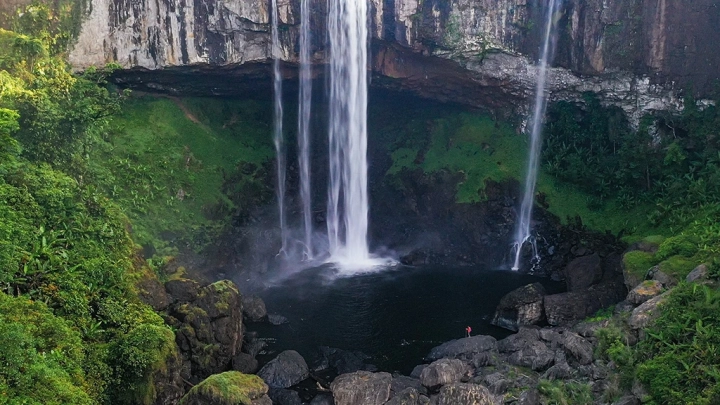
Light is perhaps the most critical element when photographing any waterfall. The best times to shoot are often during the early morning or late afternoon, when the sun is lower in the sky, casting a softer, warmer light. This avoids the harsh midday sun, which can blow out highlights and create deep shadows, especially challenging with the high contrast of water against dark rocks. The mist generated by the waterfall can beautifully diffuse light, creating a painterly effect. According to Tran Tuan Viet, shooting with the sun behind you can illuminate the water spray, creating a luminous quality. Alternatively, backlighting can create dramatic rim lighting on the water and surrounding foliage, particularly during the golden hour.
For capturing the silky smooth effect of moving water, a slow shutter speed is essential. This typically requires a tripod to maintain a sharp image. Experiment with shutter speeds ranging from 1/4 second to several seconds, depending on the desired level of motion blur. Using an ND (Neutral Density) filter can be invaluable, allowing you to achieve these long exposures even in brighter conditions without overexposing the image. This technique is a hallmark of successful waterfall photography and is something Viet often demonstrates in his workshops.
Travel and Drone Photography at K50 Waterfall
The journey to K50 Waterfall itself is an integral part of the travel photography experience. The surrounding landscape of Gia Lai offers opportunities to capture the rural charm of Vietnam, the local way of life, and the transition from populated areas to pristine nature. Look for moments that tell a story – perhaps local villagers tending their crops or the unique vegetation of the highlands. These elements add context and depth to your collection of images from K50 Waterfall.
Drone Photography Perspectives
For drone photographers, K50 Waterfall is a dream come true. An aerial perspective reveals the immense scale and the intricate patterns of the water flow as it descends. Imagine capturing the entire amphitheater, the winding path leading to the falls, and the vast expanse of the Gia Lai landscape stretching out below. When flying, maintain a safe distance from the waterfall and be mindful of the powerful downdrafts that can occur. Viet suggests using a drone to capture the "before and after" effect – the serene pool at the top and the dramatic plunge below, or the perspective of the water carving its path through the landscape.
When operating a drone, safety and ethical considerations are paramount. Always fly in accordance with local regulations and avoid disturbing wildlife or natural habitats. The best light for drone shots at K50 Waterfall is similar to ground-level photography – early morning or late afternoon. Consider using creative drone movements, such as a slow reveal or a vertical descent, to add dynamism to your footage. The contrast between the smooth, flowing water and the textured terrain below is a recurring theme that drone photography excels at capturing.
Equipment and Settings for K50 Waterfall
A sturdy tripod is a non-negotiable piece of equipment for K50 Waterfall photography, especially when aiming for long exposures. A remote shutter release or the camera's self-timer will minimize camera shake. For lenses, a versatile zoom lens, such as a 24-70mm, is excellent for capturing both wide vistas and more intimate details. A wide-angle lens (14-24mm) is superb for emphasizing the grandeur and scale of the waterfall and its surroundings. For drone photography, ensure you have sufficient battery power, as cold or misty conditions can reduce battery life. Remember to bring protective gear for your camera and lenses, such as rain covers, as the mist from K50 Waterfall can be persistent. Understanding your camera's dynamic range capabilities is also important; shooting in RAW format will give you the most flexibility in post-processing to recover details in both the highlights of the water spray and the shadows of the rocks.
When it comes to settings, for capturing the iconic silky water effect, aim for an aperture between f/8 and f/16 for good depth of field. Shutter speeds will vary greatly, from 1/2 second to 30 seconds or longer with ND filters. ISO should be kept as low as possible, typically ISO 100 or 200, to minimize noise. For drone photography, consider using manual mode to have greater control over exposure. Tran Tuan Viet's advice on settings often leans towards prioritizing capture flexibility; he recommends shooting in RAW format and bracketing exposures when dealing with high-contrast scenes like waterfalls to ensure you don't lose critical detail.
Ready to capture the full potential of K50 Waterfall? Join our Vietnam Photo Tours to experience this spectacular location with expert guidance and master your photography in the stunning landscapes of Gia Lai.
Similar Photography Genre
Tea Plantation
Boat Harbor