Imperial City
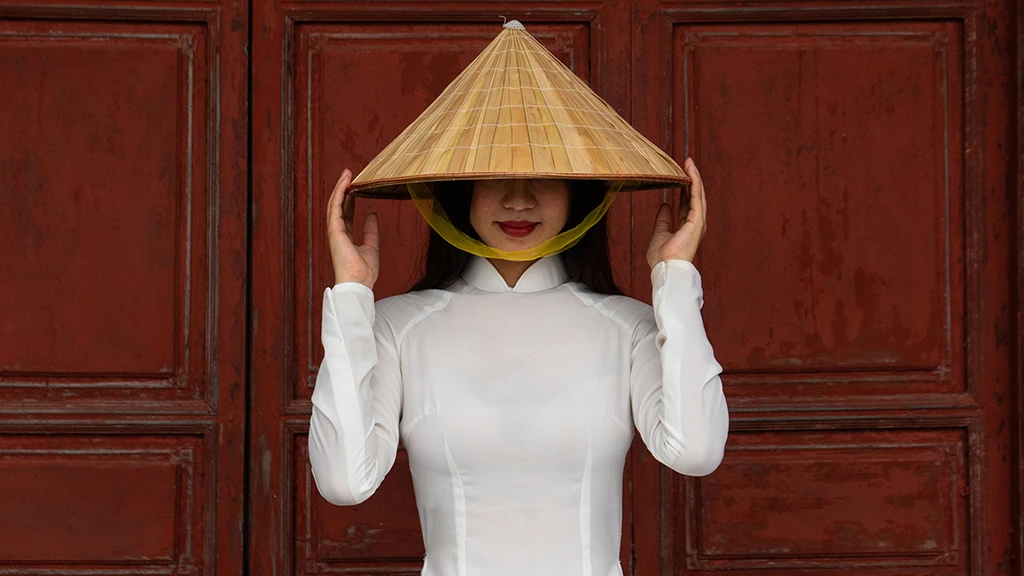
Ao Dai Model in Imperial City Vietnam: Master the art of capturing imperial grandeur, cultural elegance, and timeless Vietnamese heritage through your lens.
Ao Dai Model in Imperial City in Hue, Vietnam: Photography Guide
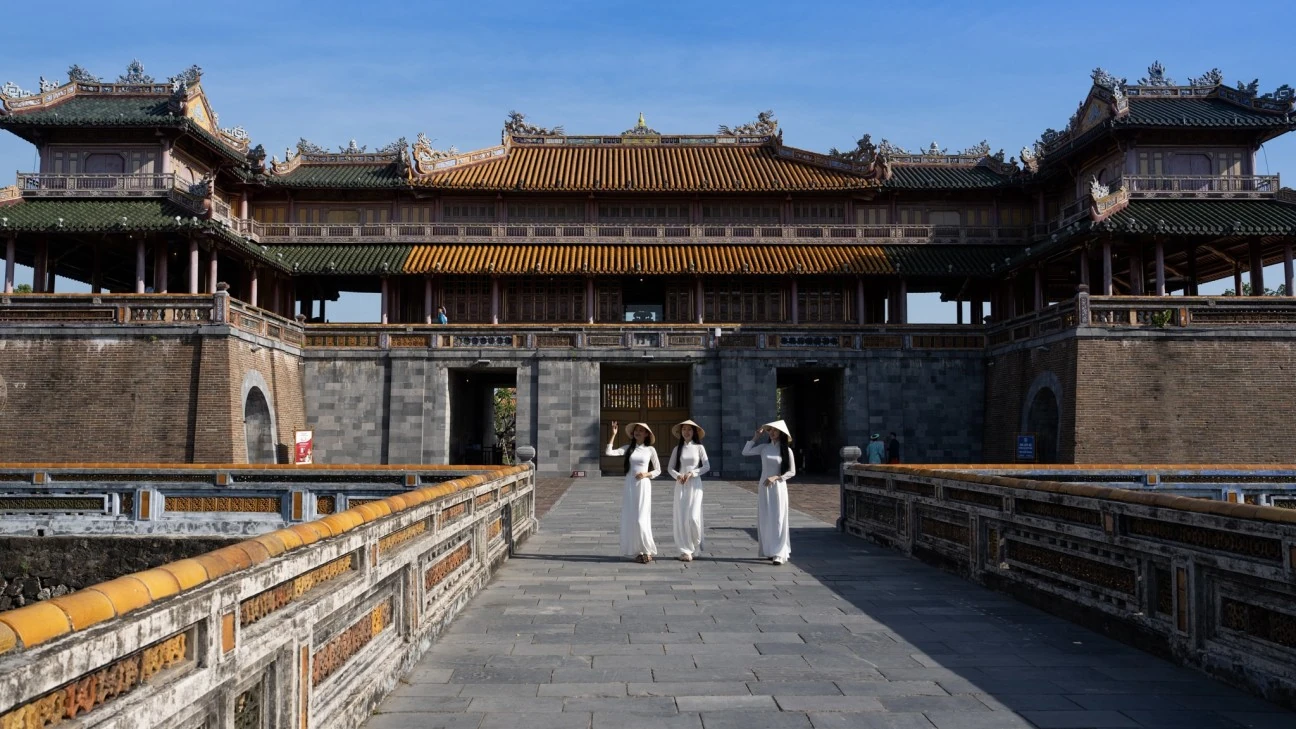
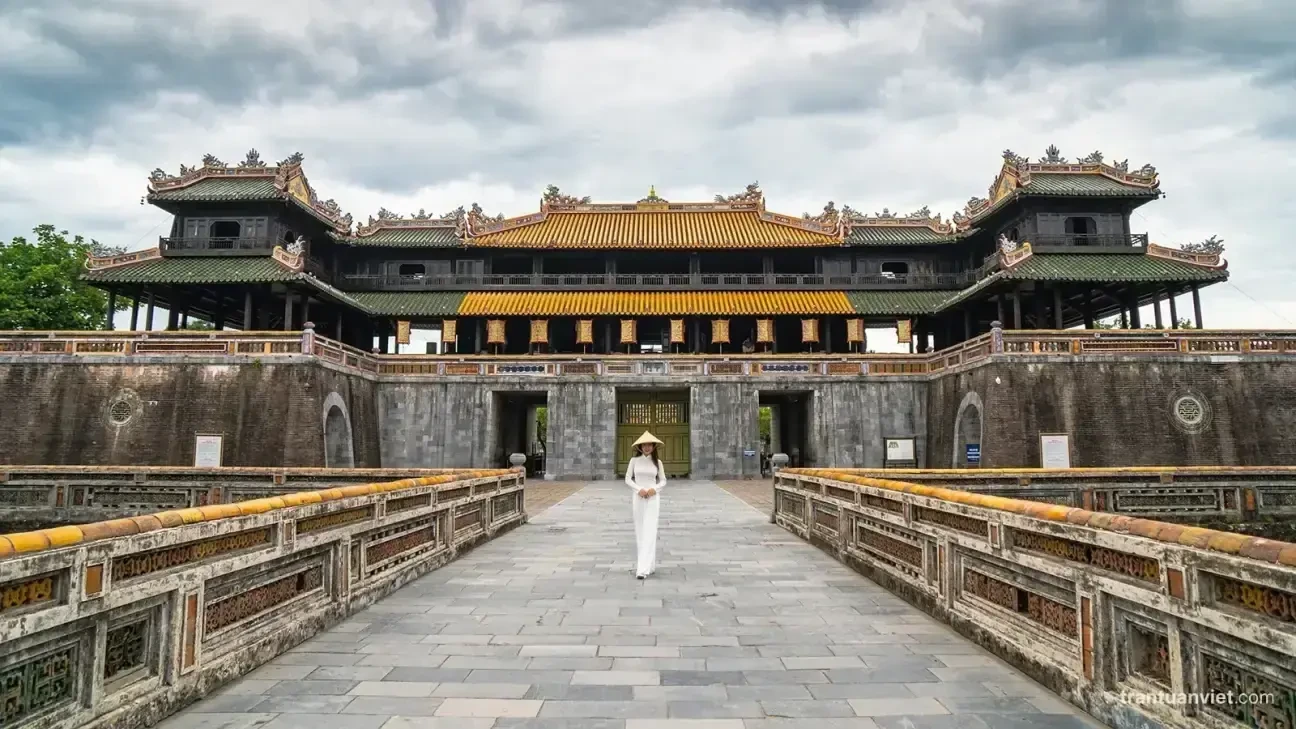
Hue, Vietnam, a city steeped in history and imperial grandeur, offers a uniquely evocative backdrop for capturing compelling imagery. Among its most iconic visual opportunities is the Ao Dai Model in Imperial City. This scene blends the elegance of traditional Vietnamese attire with the monumental architecture of the ancient citadel, creating a powerful juxtaposition of culture and history. Photographers seeking to immerse themselves in the soul of Vietnam will find this location a treasure trove of visual narratives. The Imperial City, with its moats, ancient walls, and ornate palaces, provides a dramatic stage for the flowing lines and vibrant colors of the Ao Dai. Capturing the Ao Dai Model in Imperial City is not merely about documenting a scene; it’s about weaving a story that resonates with tradition, beauty, and the enduring spirit of Vietnam.
Hue: Photography Techniques for Ao Dai Model in Imperial City
Photographing the Ao Dai Model in Imperial City in Hue requires a thoughtful approach that considers both the subject and its environment. The grandeur of the Citadel demands respect, and framing the elegant Ao Dai within its historical context is paramount. The year-round accessibility of Hue means this scene can be captured at any time, but understanding how light and weather interact with the location will significantly elevate your results. Experienced photographers in Vietnam often emphasize the importance of patience and observation, allowing the scene to unfold naturally.
Compositional Strategies for Ao Dai Model in Imperial City Photography
When composing shots of the Ao Dai Model in Imperial City, consider how to balance the human element with the architectural magnificence. Leading lines are abundant within the Citadel; the long, straight pathways, the curves of the moat, or the receding walls of buildings can all guide the viewer's eye towards the model. Using a wider aperture can help isolate the model against the complex backgrounds, creating a beautiful bokeh that softens the ancient stone. Conversely, a narrower aperture can ensure more of the Citadel's grandeur is in focus, emphasizing the historical context. Tran Tuan Viet, a renowned Vietnamese photographer, often advises integrating the surrounding architecture as a supporting character, not just a backdrop. This means actively looking for elements within the Imperial City that complement the colors or textures of the Ao Dai, or that create a sense of depth and scale. Think about framing the model through ancient doorways or archways, using the architecture to create a natural vignette.
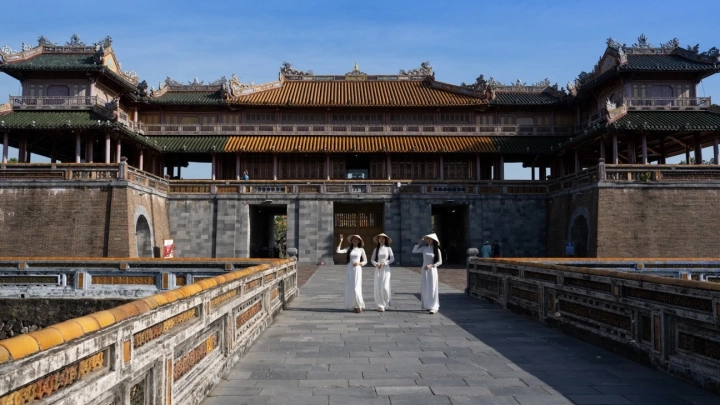
Lighting Techniques for Capturing Ao Dai Model in Imperial City
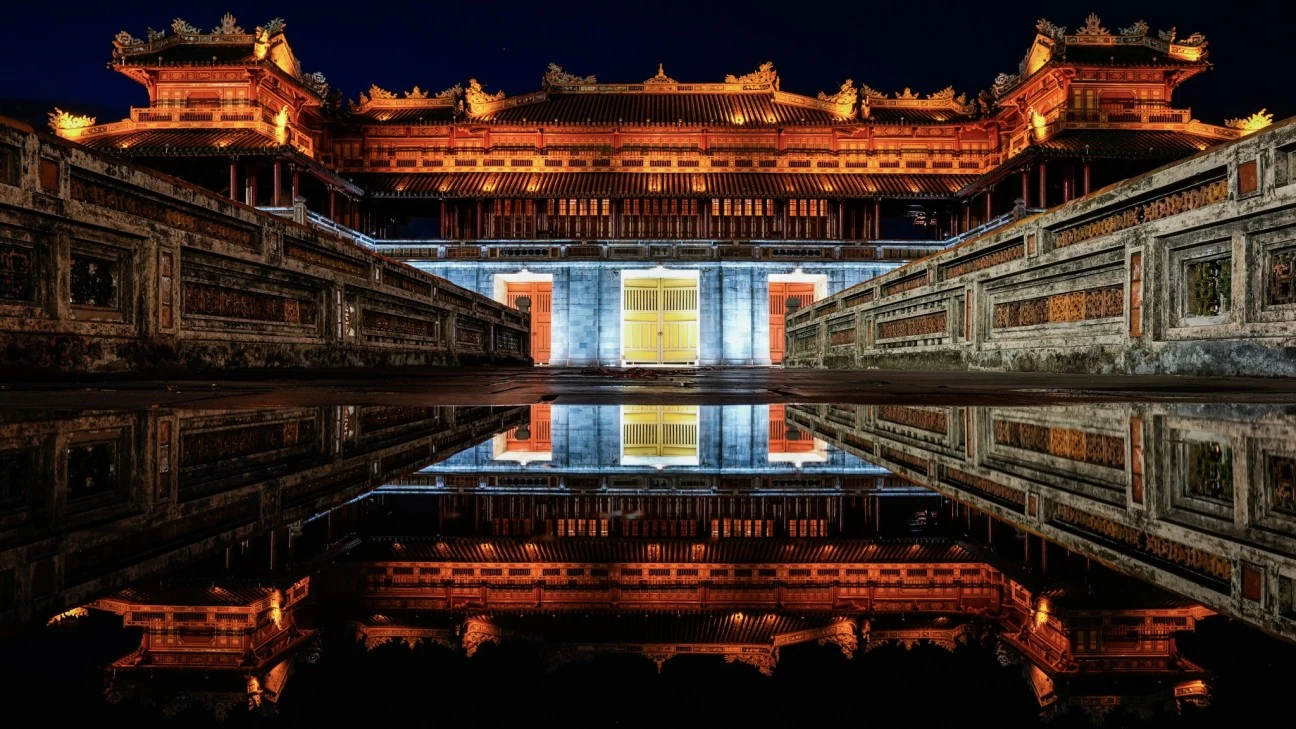
The light in Hue can be as much a character as the model and the Citadel. While the scene is accessible year-round, understanding the nuances of light throughout the day is crucial. The golden hour – the period shortly after sunrise and before sunset – offers soft, warm light that can beautifully illuminate the Ao Dai and cast long, dramatic shadows across the ancient structures, enhancing the sense of history and depth. Midday sun can be harsh, creating high contrast and potentially blowing out highlights on the white Ao Dai or creating unflattering shadows on the model's face. If shooting in midday light, consider using a reflector to bounce light back onto the model or seeking shaded areas within the Citadel, which can provide a softer, more diffused light. The subtle, overcast light often found during the rainy season can also be advantageous, offering a more even illumination and richer colors. Viet's suggestion for capturing this scene involves looking for how the light interacts with the textures of the ancient stone, creating a sense of age and permanence.
Camera Settings and Equipment for Ao Dai Model in Imperial City
The specific camera settings and equipment you choose will significantly impact the final image when photographing the Ao Dai Model in Imperial City. Flexibility is key, as the lighting conditions and compositional opportunities can change rapidly.
Optimal Lens Choices for the Imperial City
A versatile zoom lens, such as a 24-70mm or 24-105mm, is often recommended for this scene. It allows you to capture both wide-angle environmental shots that include the grandeur of the Imperial City and tighter shots that focus on the elegance of the Ao Dai and the model. For more dramatic compositions that emphasize the scale of the architecture, a 16-35mm wide-angle lens can be extremely effective. Conversely, if you want to isolate the details of the Ao Dai or capture candid moments of the model interacting with the environment, a prime lens like a 50mm or 85mm with a wide aperture can be invaluable for achieving beautiful background blur and flattering portraits. According to Viet's experience, carrying a couple of prime lenses allows for greater creative control and can often yield sharper results than a zoom lens in challenging light.
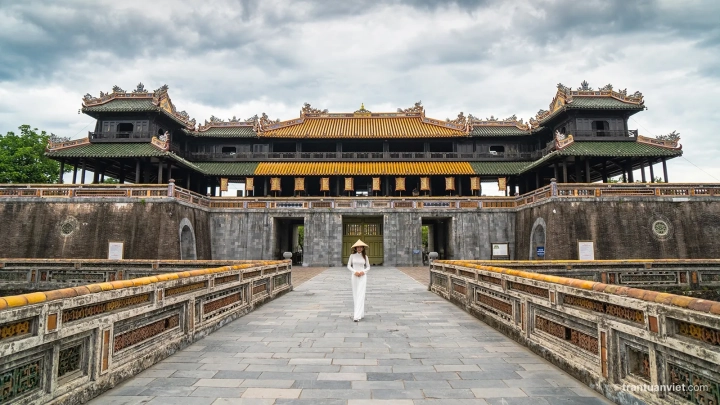
Exposure and Focus Strategies
When dealing with the contrast between the bright Ao Dai and the often darker, textured stone of the Imperial City, achieving a balanced exposure can be challenging. Shooting in RAW format is highly recommended, as it provides the greatest flexibility in post-processing to recover details in both the highlights and shadows. Using your camera's metering modes thoughtfully is essential; spot metering on the model's face can ensure proper facial exposure, but be prepared to adjust exposure compensation to avoid blowing out the white of the Ao Dai. Alternatively, using evaluative or matrix metering and then carefully adjusting in post-production is a common approach. For focus, autofocus with single-point selection is generally best for precise control, especially when focusing on the model's eyes. If the lighting is low or the background is complex, manually focusing might be necessary to ensure sharpness.
Capturing the Essence of Ao Dai Model in Imperial City Year-Round
The beauty of photographing the Ao Dai Model in Imperial City is that Hue's climate permits this experience throughout the year. Each season brings its own character. The dry season (roughly February to August) generally offers more predictable sunny days, perfect for vibrant shots. However, the humidity can be high. The wet season (September to January) might present fewer crowds and a softer, more diffused light, ideal for capturing subtle tones and dramatic skies, though rain can interrupt shooting. Tran Tuan Viet often points out that even with challenging weather, opportunities for stunning photography abound. The key is adaptability and embracing the conditions. The rich greens of the encroaching vegetation during the wet season can add a beautiful contrast to the terracotta and gold of the Imperial City, and the vibrant colors of the Ao Dai.
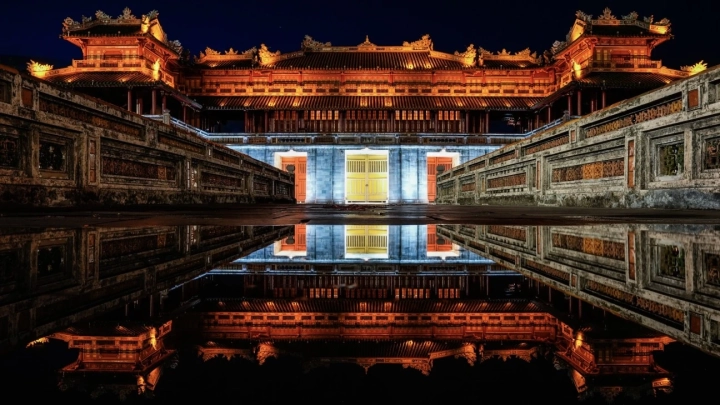
Post-Processing and Storytelling
Post-processing plays a vital role in bringing out the best in your Ao Dai Model in Imperial City photographs. Enhancing colors, adjusting contrast, and ensuring a pleasing tonal range are crucial. The aim is to maintain the natural beauty of the scene while adding a touch of artistic interpretation. Look to subtly boost the saturation of the Ao Dai, while ensuring the textures and historical feel of the Imperial City are preserved. Consider using local adjustments to selectively brighten or darken areas, drawing attention to key elements. The story you tell with your images is as important as the technical execution. Think about the narrative you want to convey: the grace of tradition, the enduring power of history, or the interplay between the modern and the ancient. Each shot should contribute to this larger visual story.
Ready to capture the full potential of Ao Dai Model in Imperial City? Join our Vietnam Photo Tours to experience this location with expert guidance and master your photography.
More Scenes
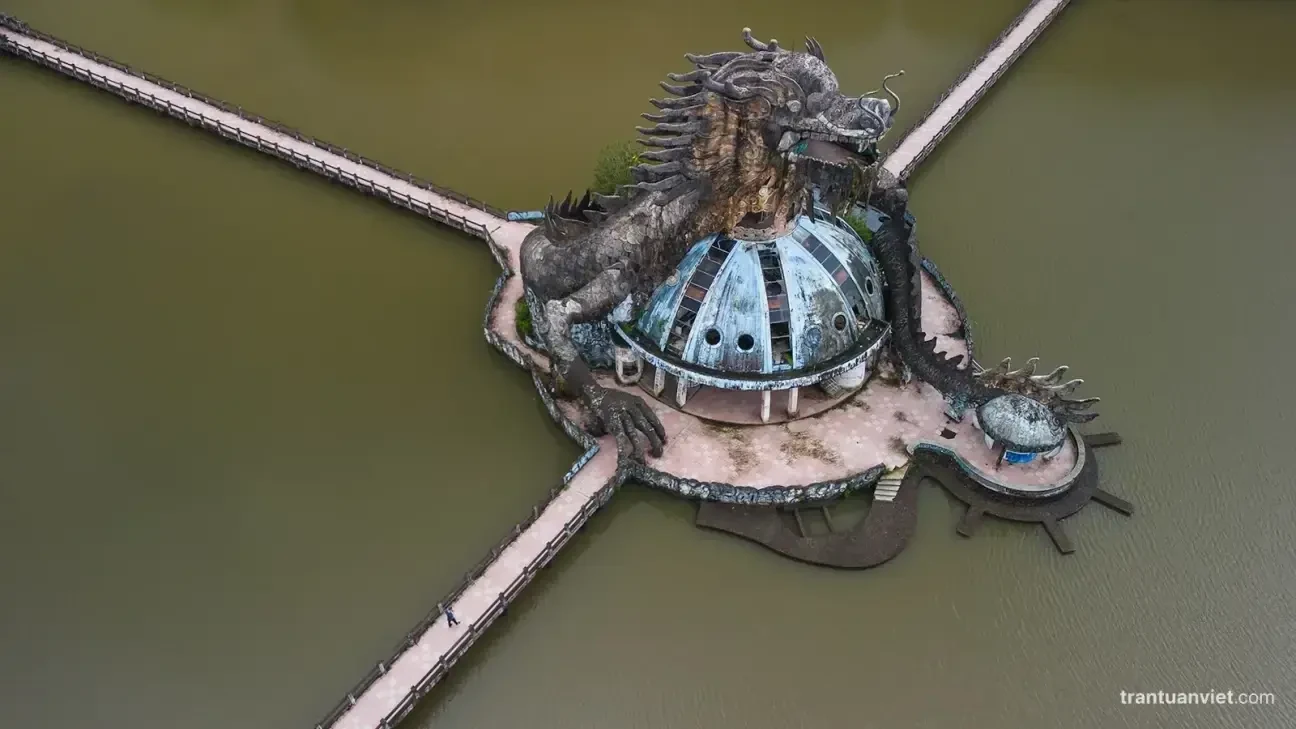
Abandoned Park
Ao Dai Model
Candle Prayer
Cha Forest
Similar Photography Genre
Cha Forest
Ba Den Mountain