Hoi Cake
Vietnam's Hoi Cake photography guide: How to master vibrant traditions, unique street scenes, and capture authentic cultural moments of Hoi Cake production.
Hoi Cake in Binh Thuan, Vietnam: Photography Guide
The making of Hoi Cake in Binh Thuan offers a visually rich and culturally significant subject for photographers exploring Vietnam. This traditional delicacy, often prepared and enjoyed by local communities, presents a fantastic opportunity to blend portraiture, cultural storytelling, and travel photography into a cohesive and compelling visual narrative. Binh Thuan, known for its diverse landscapes ranging from arid coastal plains to lush agricultural areas, provides a unique backdrop for this culinary tradition. The year-round accessibility means photographers can engage with this subject at any time, though understanding local rhythms and the specific atmospheric conditions will greatly enhance your imagery.
Binh Thuan: Capturing the Essence of Hoi Cake
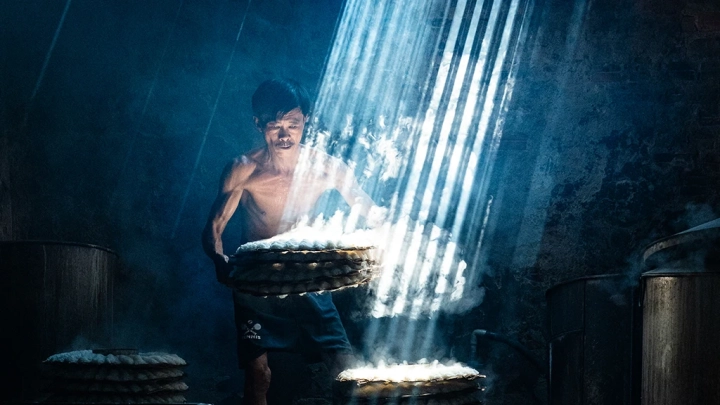
Hoi Cake is more than just a food item; it's a tangible representation of local life, heritage, and community in Binh Thuan. The process of making it often involves communal effort, passed down through generations, making it a subject ripe for documentary and cultural photography. From the meticulous preparation of ingredients to the final presentation, each step offers distinct photographic potential. The visual elements are diverse: the textures of the raw ingredients, the skilled hands of the preparers, the steam rising from cooking pots, and the delighted expressions of those enjoying the finished product. Experienced photographers in Vietnam often emphasize capturing the human element, and Hoi Cake preparation is an ideal scenario for this.
Portraiture and Cultural Immersion with Hoi Cake
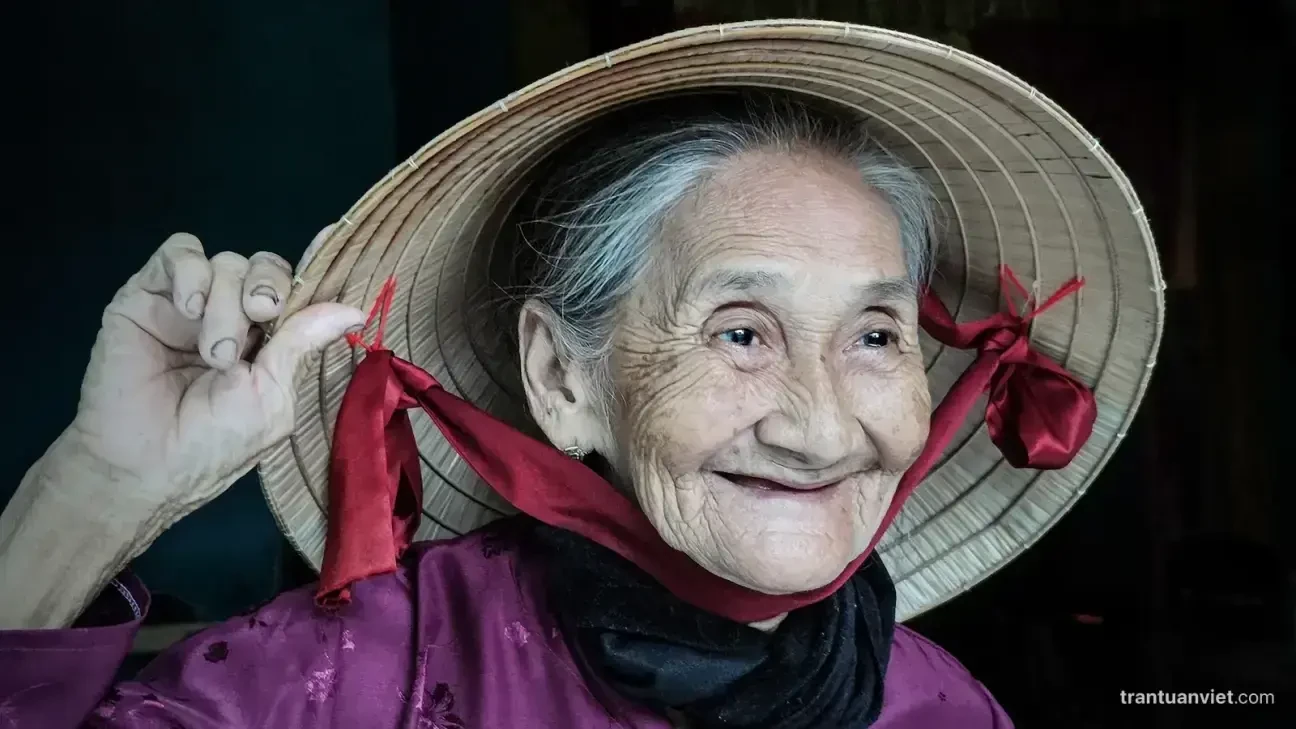
When approaching Hoi Cake for portraiture, focus on the individuals involved in its creation. Look for expressions of concentration, pride, or joy. The skilled hands of an elder meticulously shaping the dough, the determined gaze of a younger person learning the craft, or the communal laughter during preparation are all powerful storytelling moments. Aim for a shallow depth of field to isolate your subject and draw the viewer’s eye, using a prime lens like a 50mm or 85mm to create beautiful bokeh. Consider shooting during the golden hour, either early morning or late afternoon, to capture warm, flattering light that enhances skin tones and adds a sense of atmosphere. Tran Tuan Viet often advises photographers to build rapport with their subjects; taking a moment to understand the process and share a smile can lead to more authentic and intimate portraits.
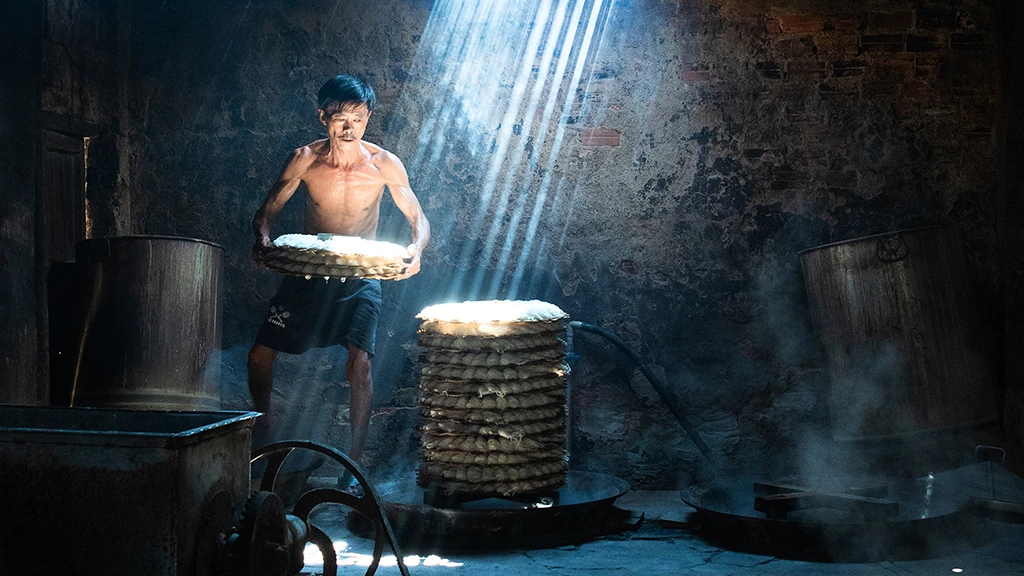
For a deeper cultural immersion, document the entire process from start to finish. This could involve capturing the gathering of ingredients, the mixing of the batter, the cooking methods (often steaming or frying), and the serving of the Hoi Cake. Think about creating a visual story arc. Use a variety of focal lengths – a wider lens to show the context of the preparation within its environment, and a telephoto lens to isolate details and expressions. The candid moments are often the most potent. The hustle and bustle of a family kitchen or a small village gathering during Hoi Cake preparation can be incredibly dynamic. Viet recommends observing the interactions between people; these unspoken connections are often the heart of compelling cultural photography.
Compositional Techniques for Hoi Cake
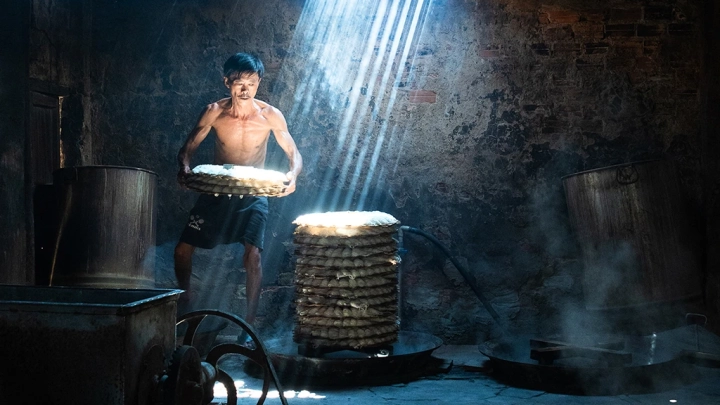
When framing your shots of Hoi Cake, consider the interplay of textures, colors, and shapes. The ingredients themselves can be visually interesting: the pale, soft dough, the dark filling (often made with ingredients like shrimp, pork, or sweet beans), and the vibrant garnishes. Look for patterns and repetition, especially in the arrangement of the cakes before cooking or in the stacks of finished products. Traditional Vietnamese cooking often emphasizes harmony and balance, which can be translated visually through careful composition. Experiment with different perspectives: shoot from above to capture the arrangement of the food, or get down low to emphasize the scale of the preparation area.
Detail and Context in Hoi Cake Photography
To highlight the intricate details of Hoi Cake, a macro lens or a standard zoom lens used for close-ups can be invaluable. Focus on the textures of the steamed dough, the glistening filling, or the fresh herbs used as garnish. Capturing these close-ups adds a sensory dimension to your images, allowing viewers to almost taste and smell the dish. Conversely, pull back with a wider lens to show the wider context of Hoi Cake preparation. This might include the cooking vessels, the surrounding environment of the kitchen or outdoor cooking space, and the people engaged in the activity. This blend of detail and context creates a richer, more informative photographic story. As Viet shares in his photography workshops, the juxtaposition of close-up details with wider contextual shots can create a powerful narrative flow.
Lighting and Environmental Considerations in Binh Thuan
Binh Thuan's climate can present unique lighting challenges and opportunities. While the region is generally sunny, midday light can be harsh, leading to blown-out highlights and deep shadows, creating a narrow dynamic range. To combat this, consider shooting indoors where light might be more diffused, or embrace the harsh light for dramatic effect by positioning your subjects carefully. Early morning and late afternoon offer the most photogenic light, with softer, warmer tones that are ideal for food and portrait photography. If shooting outdoors, look for natural diffusers like awnings or large trees that can soften the sun's intensity.
Hoi Cake Photography in Natural and Artificial Light
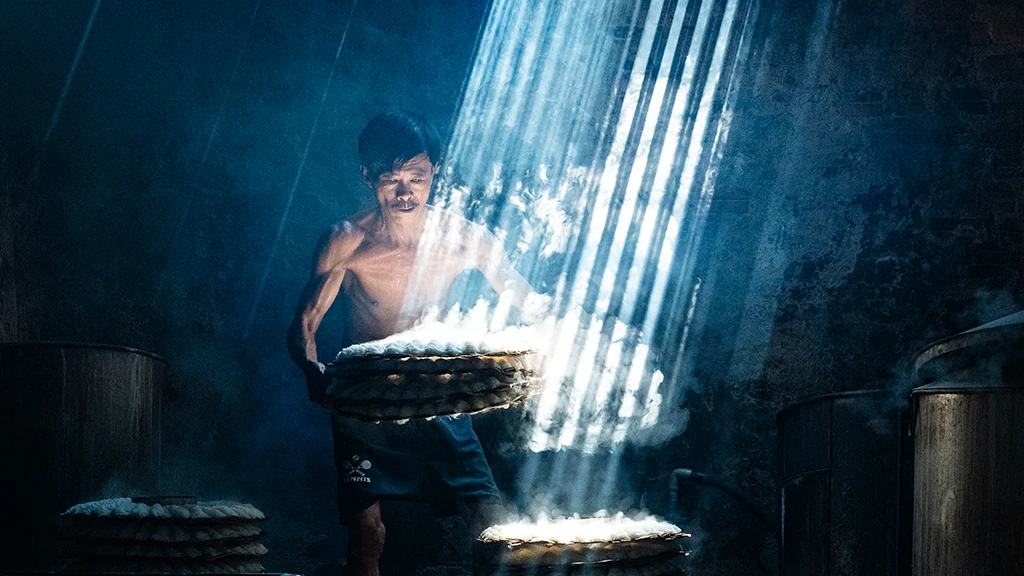
When photographing Hoi Cake, whether it’s being prepared or served, understanding how light interacts with the food is crucial. For steamed Hoi Cake, the translucence of the wrapper and the moistness of the filling catch light beautifully. For fried versions, the crispiness and golden-brown color are accentuated by directional light. If working with artificial light sources, such as in a small eatery, try to diffuse them to avoid harsh reflections. Experienced photographers in Vietnam often suggest using available light as much as possible, as it tends to feel more natural and authentic. Tran Tuan Viet recommends looking for windows or open doorways to utilize natural light, even when shooting indoors, as this provides a soft, flattering illumination for both food and people.
Equipment and Settings for Hoi Cake Photography
For capturing Hoi Cake, a versatile kit is recommended. A DSLR or mirrorless camera with good low-light performance is beneficial, especially if you plan to photograph preparations in dimly lit kitchens. Lenses that offer both sharpness and good bokeh are key. A standard zoom lens (e.g., 24-70mm) provides flexibility, while a prime lens (e.g., 50mm f/1.8 or 85mm f/1.8) is excellent for portraits and isolating details with beautiful background blur. For macro shots of textures and ingredients, a dedicated macro lens or a macro filter can be very useful. Tripods are essential for steady shots in low light and for ensuring sharp images when working with slower shutter speeds.
Camera Settings for Hoi Cake Shots
When shooting Hoi Cake, the specific settings will depend on the lighting and desired effect. For portraits of the people making the cake, aim for a wide aperture (f/2.8 or wider) to achieve a shallow depth of field and isolate your subject. Shutter speed should be fast enough to freeze motion, especially if people are actively working, typically 1/125s or faster. For capturing the food itself, you might opt for a slightly smaller aperture (f/5.6-f/8) to ensure more of the cake is in focus, depending on the angle. In low light, don't shy away from increasing your ISO, but be mindful of noise. Shooting in RAW format is crucial, as it provides the maximum flexibility for post-processing, allowing you to recover details in highlights and shadows.
The year-round nature of Hoi Cake preparation in Binh Thuan means that opportunities abound regardless of the season. While there might be slight variations in humidity or rainfall, the core tradition remains constant, offering photographers a stable subject. The key is to be observant, patient, and respectful of the local culture. By understanding the nuances of light, composition, and human interaction, you can create truly evocative images of this delightful Vietnamese scene. To truly master this location, consider joining Vietnam Photo Tours for a guided photography experience designed to help photographers capture stunning images at Hoi Cake preparation sites.
More Scenes
Boat Harbor
Chams People
Coracle Fishermen
Drying Fish
Similar Photography Genre
Pottery Village
HMong People