HMong People
Capture HMong People Vietnam: Master their vibrant culture, unique traditions, and stunning landscapes for unforgettable photography insights.
HMong People in Mu Cang Chai, Vietnam: Photography Guide
Mu Cang Chai, a breathtaking landscape in the northern highlands of Vietnam, is renowned for its dramatic rice terraces that cascade down the mountainsides. While the terraces themselves are a visual spectacle, the true heart of this region for photographers lies in its people, particularly the vibrant HMong community. Capturing authentic portraits and cultural moments of the HMong people in Mu Cang Chai requires a blend of technical skill, cultural sensitivity, and a deep appreciation for the visual narratives woven into their daily lives. This guide offers practical advice for photographers aiming to document the HMong people, their traditions, and their connection to this extraordinary landscape.
The HMong people are integral to the identity of Mu Cang Chai. Their resilience, distinct cultural practices, and beautiful traditional attire offer unparalleled opportunities for portraiture and cultural documentation. The year-round accessibility of the region means that the HMong people are always present, though specific photographic opportunities might shift with the agricultural cycles and weather patterns. Regardless of the season, the opportunity to connect with and photograph the HMong people is consistently rewarding, making Mu Cang Chai a destination that photographers can visit at any time of the year with confidence.
Mu Cang Chai: Photography Techniques
Photographing the HMong people in Mu Cang Chai offers a rich tapestry of visual stories. Beyond the iconic terraces, focusing on the individuals and their way of life can yield profoundly moving images. The key is to approach the subjects with respect and patience, allowing genuine moments to unfold rather than forcing them.
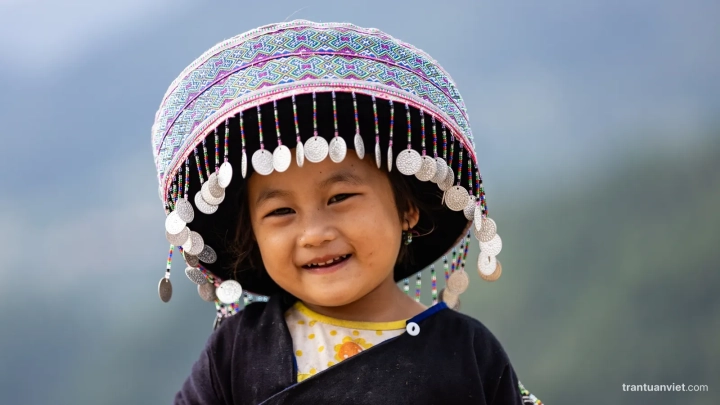
Portraiture of the HMong People
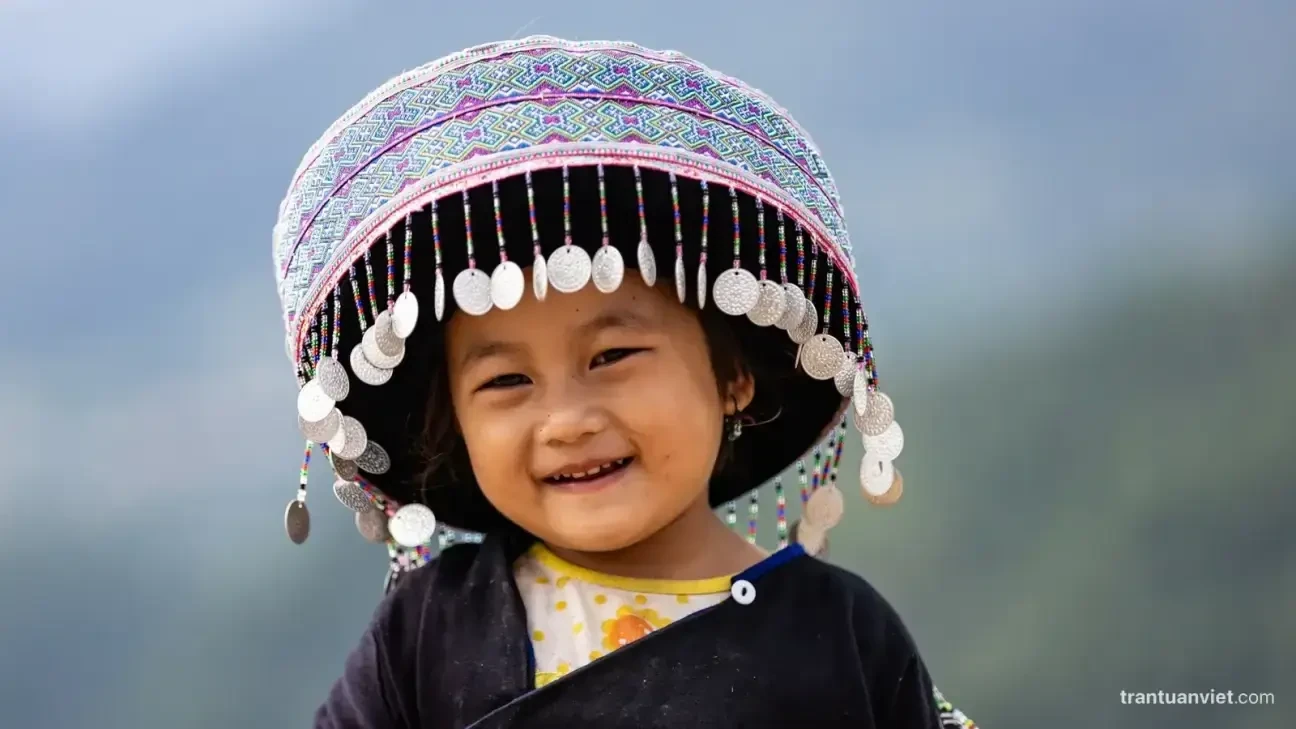
When engaging in portrait photography of the HMong people, understanding light is paramount. The harsh midday sun can be unforgiving, casting strong shadows and washing out colors. Experienced photographers in Vietnam often advise seeking out open shade, such as beneath the eaves of a traditional house or on the shaded side of a hillside, to achieve softer, more flattering light. The golden hour, just after sunrise and before sunset, provides a magical, warm glow that enhances skin tones and creates a dreamy atmosphere. Tran Tuan Viet recommends using this soft, directional light to highlight the textures in their traditional clothing and the character etched on their faces.
When composing portraits, consider the background. While the stunning rice terraces are a natural backdrop, sometimes a simpler, uncluttered background can help your subject stand out. This might involve focusing on the weathered textures of a wooden house or the natural elements of the mountainous terrain. Forcing a shallow depth of field using a wide aperture (f/1.8 to f/2.8) on a prime lens can effectively isolate the subject from their surroundings, drawing the viewer's eye directly to their expression and attire. Always seek permission before taking portraits; a smile and a gesture can go a long way, even without a shared language.
Capturing HMong Culture and Daily Life
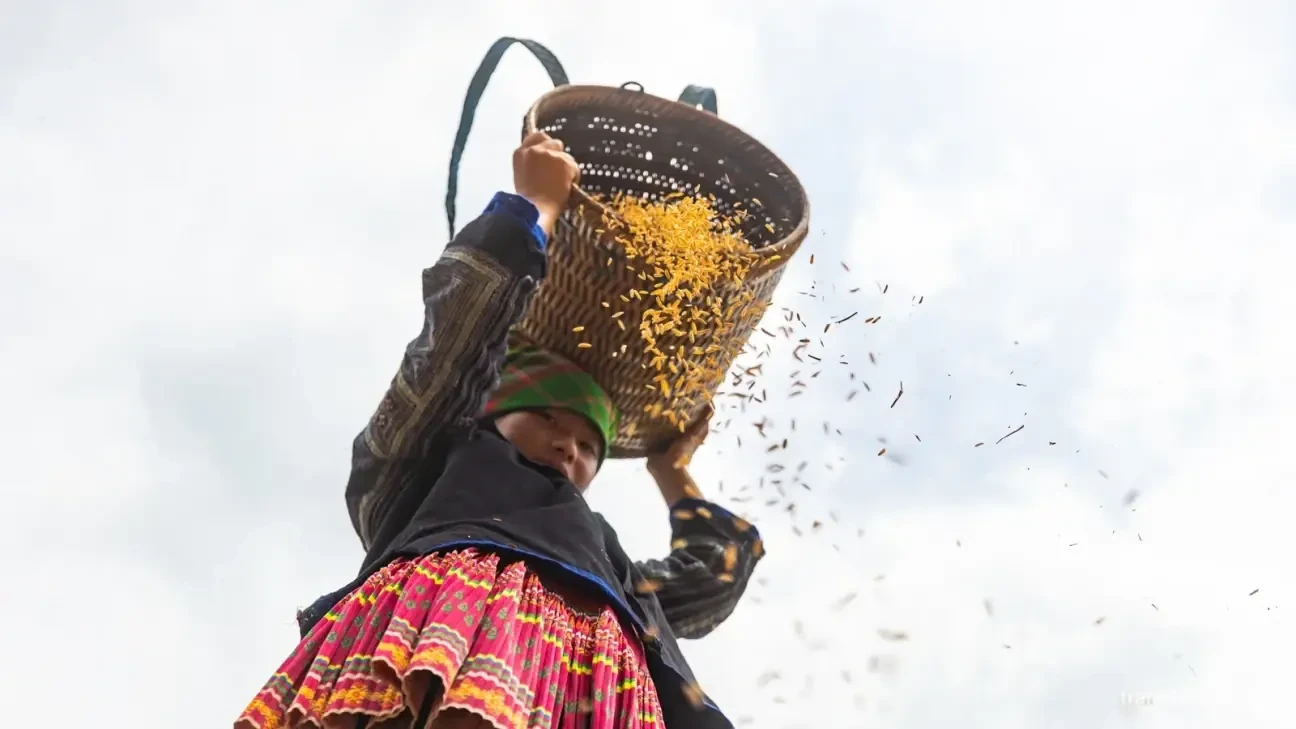
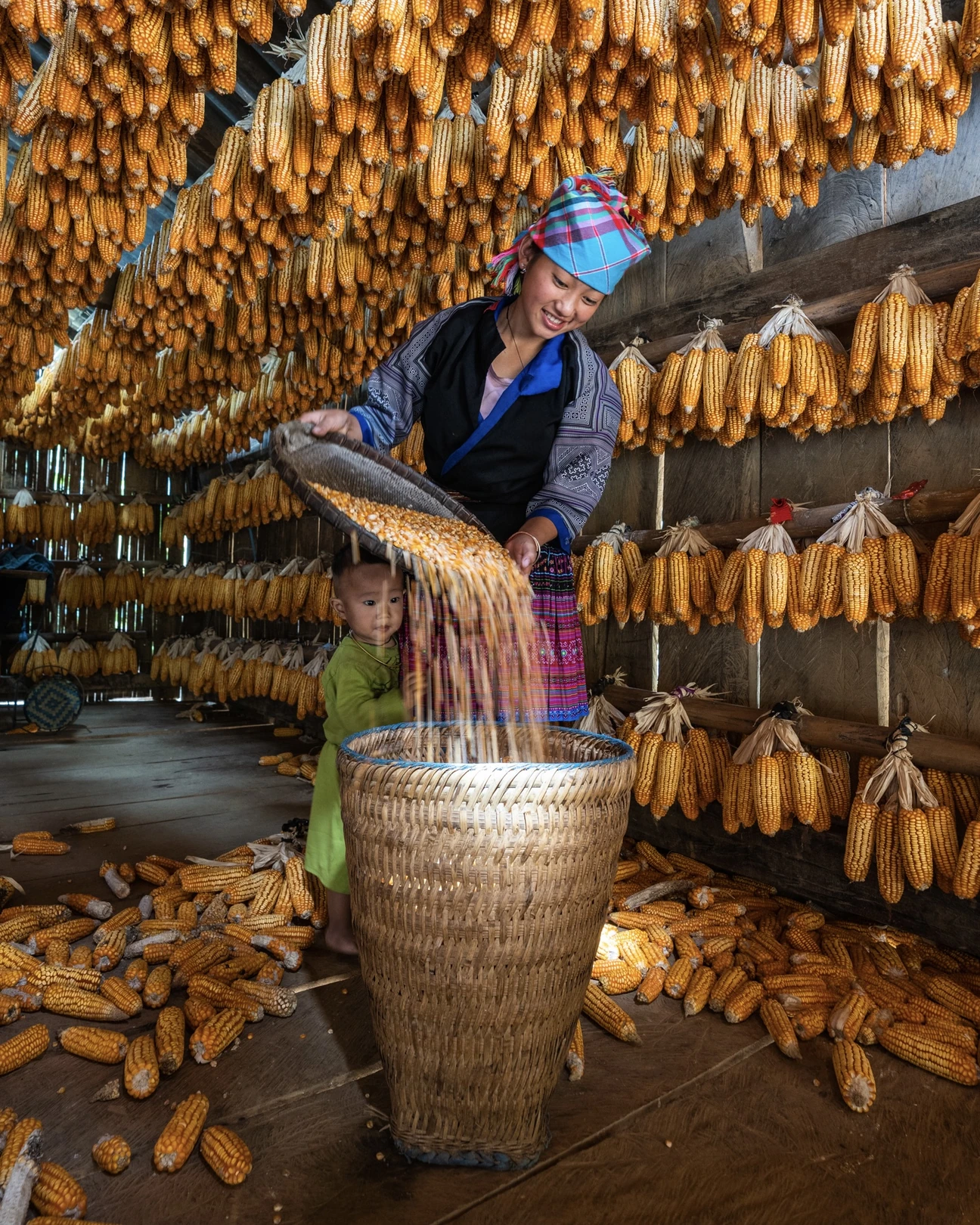
Beyond posed portraits, documenting the HMong people’s daily activities offers a deeper insight into their culture. This includes observing them at work in the rice paddies, preparing meals, or engaging in community gatherings. These candid moments are often the most powerful. Approach these scenes with a longer lens (70-200mm or similar) to maintain a respectful distance while still capturing intimate details. This allows you to be an unobtrusive observer, capturing the authenticity of their actions and interactions.
The vibrant colours of HMong traditional clothing, often adorned with intricate embroidery and silver jewelry, are a significant visual element. When photographing cultural events or everyday scenes, pay attention to these details. Viet's suggestion for capturing these details involves getting down to their level or finding slightly elevated vantage points to tell a more complete story. For instance, photographing a woman tending to her crafts at home might involve capturing her hands busy with needlework, with the rich patterns of her skirt providing a colourful anchor in the frame. This is where careful attention to detail and an understanding of visual storytelling become critical elements.
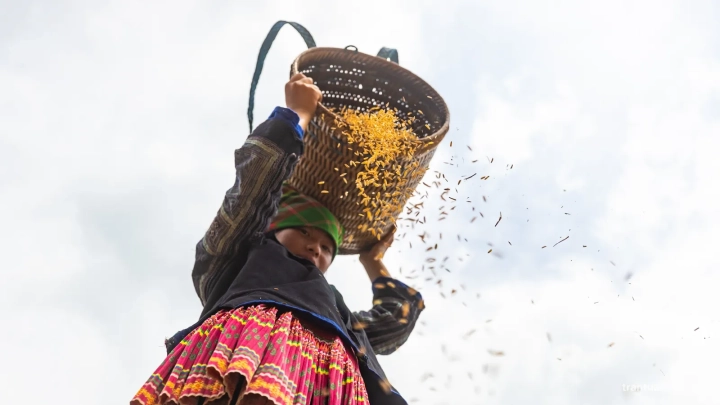
Environmental Portraits in Mu Cang Chai
The true magic of Mu Cang Chai lies in the synergy between the HMong people and their environment. Environmental portraits, which place your subject within their natural or working habitat, are incredibly effective here. Imagine a HMong farmer standing amidst the lush green or golden hues of the rice terraces, their weathered hands resting on their tools. To capture this effectively, consider a wider aperture to gently blur the background, ensuring the person remains the focal point, or conversely, a slightly smaller aperture to incorporate the grandeur of the terraces as a contextual element.
Tran Tuan Viet emphasizes that these environmental portraits are where the essence of HMong life in Mu Cang Chai truly shines. He recommends using the natural lines and shapes of the terraces to lead the viewer's eye towards the subject. This often involves walking around to find the best angles that incorporate both the human element and the magnificent landscape. The challenge here is often the wide dynamic range between the bright sky and the shadowed areas of the terraces or the subject, requiring careful exposure bracketing or an understanding of HDR techniques for those who wish to capture maximum detail in both highlights and shadows.
Camera Settings and Equipment for HMong People
When photographing the HMong people and their environment in Mu Cang Chai, selecting the right gear and settings can significantly enhance your results. The variable light conditions and the need to capture both grand landscapes and intimate portraits mean a versatile setup is ideal.
Lens Selection and Focus Techniques
A prime lens in the 35mm or 50mm range is excellent for candid shots and portraits, offering beautiful bokeh and good low-light performance. For more environmental portraits and to capture the sweeping vistas alongside the people, a versatile zoom lens like a 24-70mm or 70-200mm is invaluable. The latter is particularly useful for maintaining a respectful distance, especially in crowded market settings or during cultural ceremonies. For focusing, autofocus is generally sufficient, but understanding manual focus can be beneficial for precise control, particularly in low light or when working with static subjects. Don't underestimate the power of selective focus to draw attention to compelling facial expressions or intricate details of traditional dress.
Exposure and White Balance Considerations
Mu Cang Chai's light can be dramatic, with strong contrasts. Learning to manage exposure is key. Shooting in RAW format provides the most flexibility in post-processing to recover details from shadows and highlights. Consider using a handheld light meter or your camera's histogram to accurately judge exposures, especially when dealing with the intense sunlight reflecting off the rice paddies. For white balance, while auto white balance (AWB) often performs well, manually setting it to "Daylight" or "Cloudy" can yield more consistent results, especially when the light changes rapidly. Alternatively, shooting in RAW allows you to fine-tune white balance in post-production, ensuring the true colors of the HMong attire and the landscape are preserved.
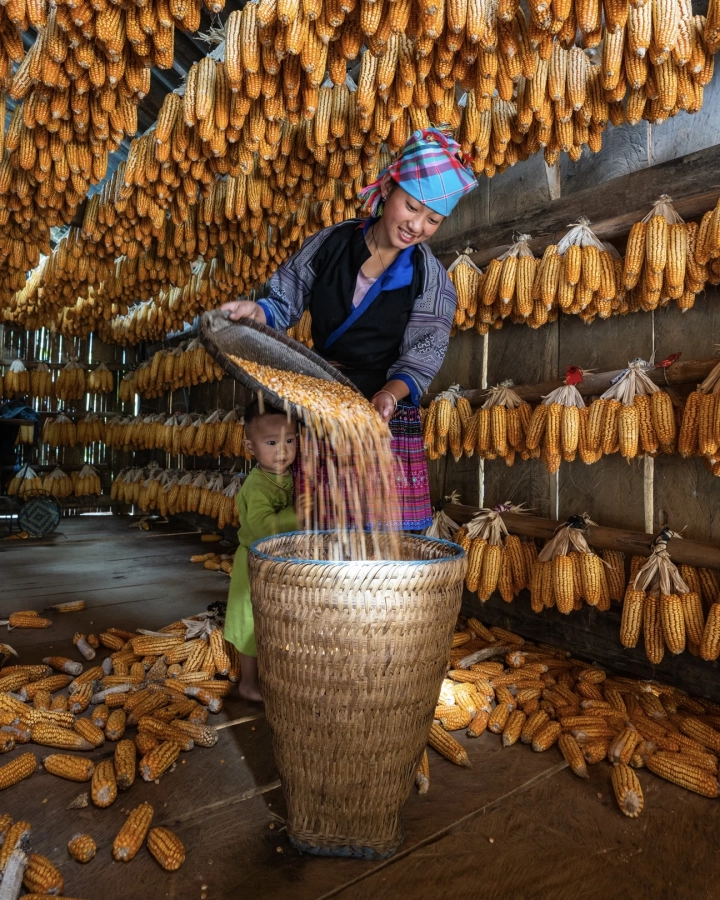
Experienced photographers in Vietnam often suggest being prepared for unpredictable weather. Rain showers can occur year-round, so having a waterproof camera cover is a wise precaution. This also allows you to continue shooting even when others might seek shelter, often leading to unique and moody atmospheric shots. The HMong people are accustomed to the rhythms of nature, and rain often highlights the reflective qualities of the terraces, creating even more compelling visual opportunities.
To truly master the art of capturing the HMong people and the breathtaking landscapes of Mu Cang Chai, consider joining a guided photography expedition. Vietnam Photo Tours offers specialized tours designed to provide photographers with intimate access and expert guidance. These tours are curated to ensure you have the best opportunities to connect with local communities and understand the nuances of photographing in such a culturally rich and visually stunning environment.
Ready to capture the full potential of HMong People in Mu Cang Chai? Join our Vietnam Photo Tours to experience this location with expert guidance and master your photography.
More Scenes
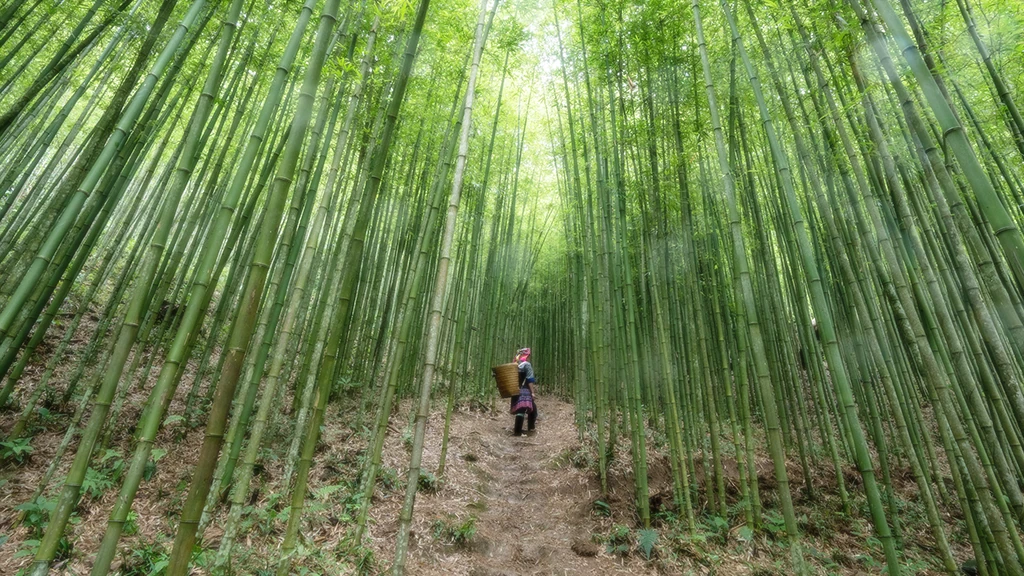
Bamboo Forest
Corn House
Rice Terraces
Similar Photography Genre
Paper Flower
Sheep Farming