Ha Giang Spring
Spring in Ha Giang, Vietnam: Discover unparalleled photographic opportunities capturing ethereal light, rich culture, and breathtaking vistas.
Ha Giang Spring in Ha Giang, Vietnam: Photography Guide
Ha Giang province, situated in the northernmost reaches of Vietnam, transforms into a photographer's paradise during its brief but spectacular spring. This period, specifically around March, ushers in a wave of vibrant colors and dynamic cultural scenes that beckon photographers of all genres. The rugged, karst landscape, often draped in mist, provides a dramatic canvas for the delicate blossoms of peach and plum trees, while the resilient local ethnic minority communities are in full swing, celebrating the end of winter and the promise of a new agricultural cycle. Capturing Ha Giang Spring requires a blend of landscape, portrait, and cultural photography techniques, adapted to the unique conditions of this remote and breathtaking region.
Landscape Photography Opportunities in Ha Giang Spring
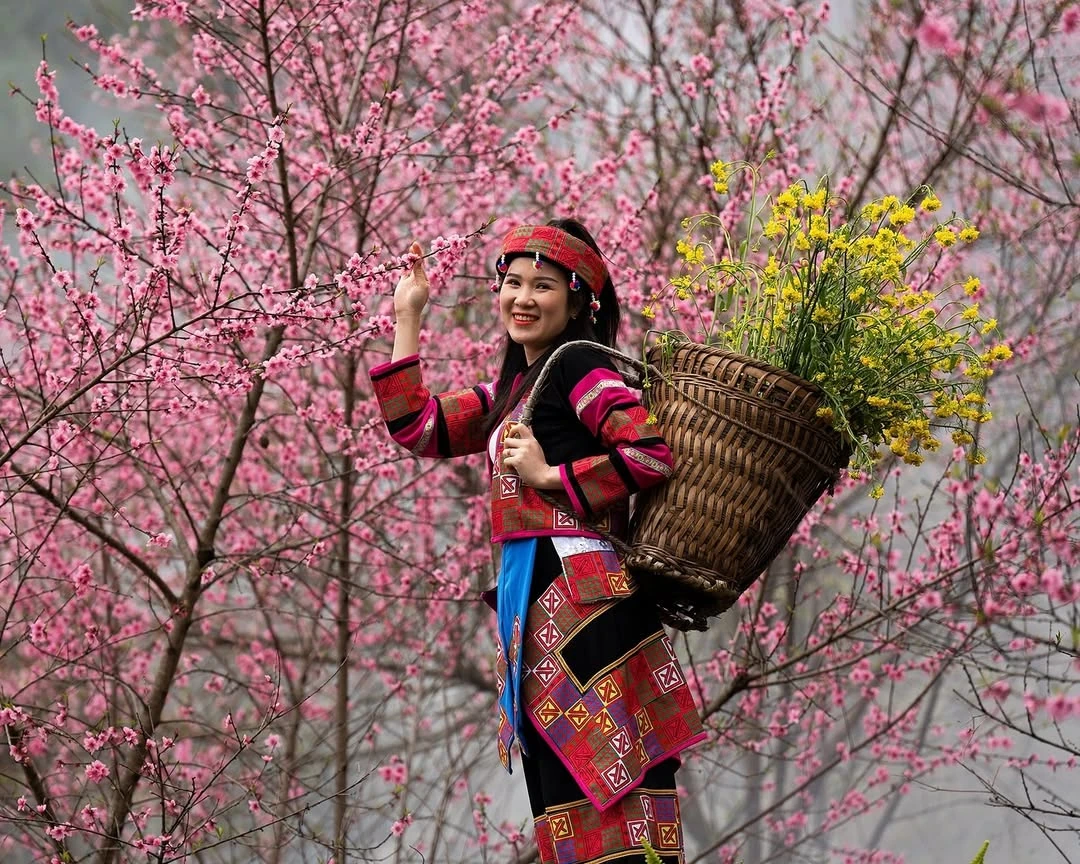
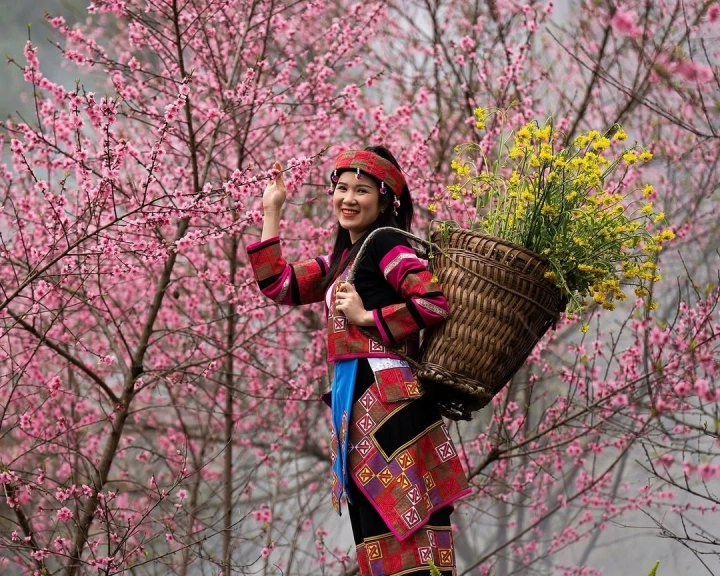
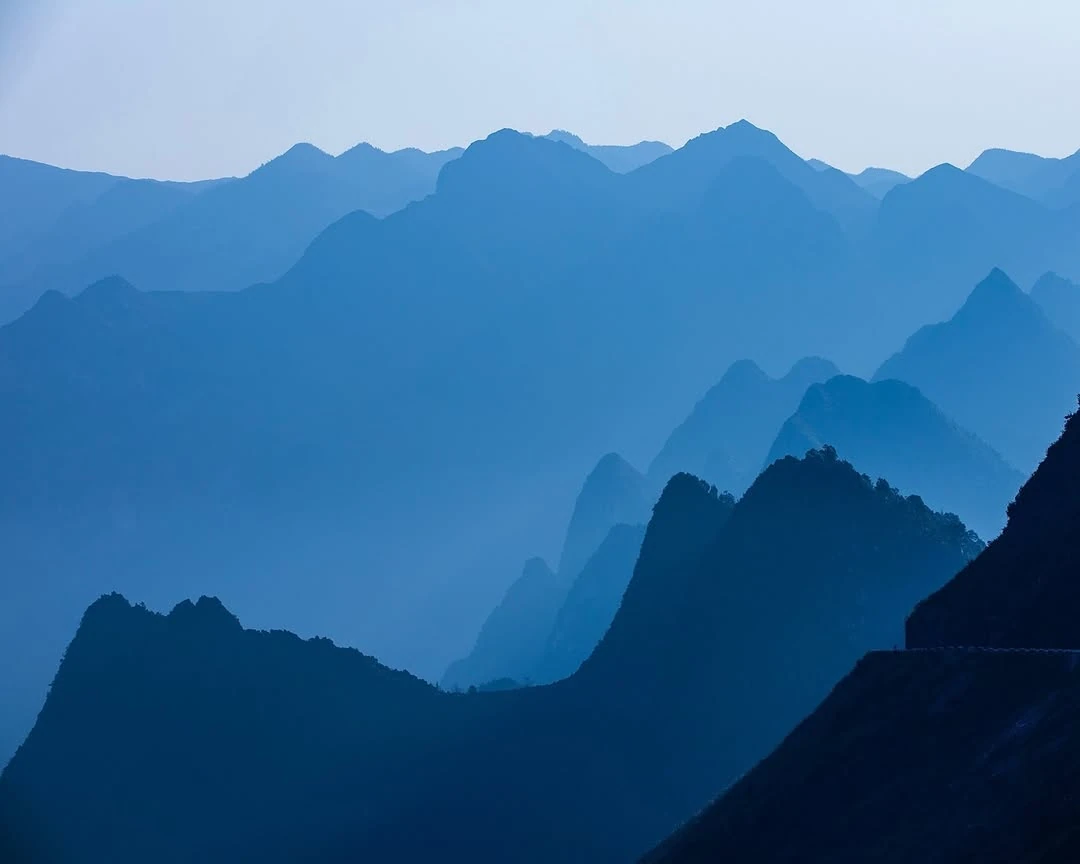
The dramatic topography of Ha Giang is its most striking feature. During spring, the rolling hills and steep valleys are punctuated by bursts of pastel pink and white from flowering trees. The key to photographing this grandeur is understanding perspective and light. The iconic Ma Pi Leng Pass, for instance, offers sweeping vistas that demand a wide-angle lens to encompass the sheer scale. However, don't overlook intimate landscape details. Look for frames within frames – the silhouette of a flowering tree against a distant mountain range, or the contrast of a single, vibrant bloom against the mist-laden valleys. Experienced photographers in Vietnam suggest that the interplay of light and shadow is particularly pronounced. The low-angle sun of early morning and late afternoon, often diffused by spring mists, creates a soft, ethereal light that beautifully renders the textures of the landscape and the delicate petals of the flowers.
Compositional Strategies for Ha Giang Spring Landscapes
When composing your Ha Giang Spring landscape shots, consider leading lines formed by the winding roads, rivers, or terraced fields. These elements guide the viewer's eye through the image, adding depth and context. The presence of local life – a farmer tending to their fields, a child walking home – can add a crucial human element and scale to vast landscapes, transforming a beautiful vista into a compelling narrative. Tran Tuan Viet recommends looking for moments where the natural beauty of the landscape intersects with the daily lives of the people. This can create powerful, evocative images that resonate deeply.
Portrait and Cultural Photography in Ha Giang Spring
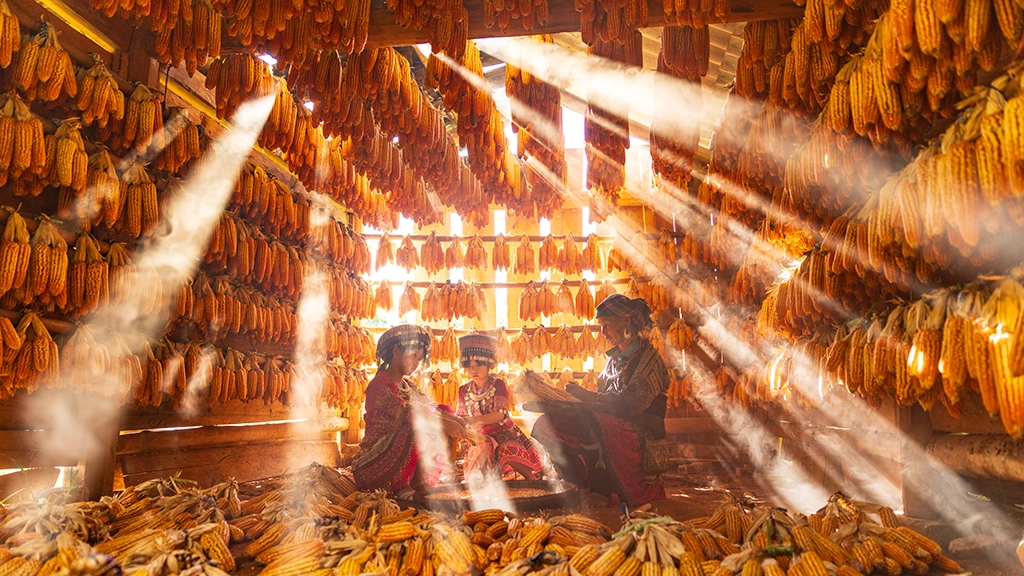
Ha Giang is home to numerous ethnic minority groups, including the Hmong, Dao, Tay, and Nung peoples. Spring is a time of renewed activity, with vibrant traditional clothing often on display for local festivals and market days. These events offer unparalleled opportunities for authentic cultural and portrait photography. The challenge here is to capture genuine moments with respect and sensitivity. A telephoto lens is invaluable for discreetly capturing candid interactions and expressions without intruding on the subjects. When photographing portraits directly, soft, diffused light is your ally, especially mid-day when the sun can be harsh. Look for shaded doorways, covered markets, or overcast skies.
Capturing the Spirit of Ha Giang Spring People
Viet's suggestion for capturing the spirit of the people involves patience and observation. He emphasizes the importance of building rapport, even if through smiles and gestures, before raising your camera. Look for storytelling moments: hands engaged in traditional crafts, faces etched with the wisdom of the mountains, children playing amidst the blossoms. The vibrant colors of their traditional attire – deep indigos, rich reds, and intricate embroidery – create a stunning contrast against the natural spring palette. When shooting portraits, aim for eye contact and a connection with your subject. This is where the magic happens. According to Tran Tuan Viet, the most impactful portraits are often those that reveal the subject's personality and their connection to their environment.
Technical Considerations for Ha Giang Spring
The spring weather in Ha Giang can be unpredictable, with periods of sunshine, mist, and occasional light rain. This variability can be both a challenge and an opportunity. Mist, for instance, can create atmospheric landscapes with a reduced dynamic range, which can be easier to manage with a standard camera. However, it also means keeping your equipment protected. A good rain cover for your camera and lens is essential. For landscapes, a tripod is highly recommended to ensure sharp images, especially in low light or when using longer exposures to capture the movement of clouds or water. When photographing portraits in changing light, using a reflector can help fill in shadows and add a flattering catchlight to the eyes.
Camera Settings for Ha Giang Spring
For general landscape photography, aperture priority mode (Av or A) is often useful, allowing you to control depth of field while the camera selects an appropriate shutter speed. Aim for smaller apertures (f/8 to f/16) to maximize depth of field and ensure sharpness from foreground to background. When photographing portraits, especially in challenging light, manual mode (M) can give you complete control. Using a wider aperture (f/2.8 to f/4) can help isolate your subject with a pleasingly blurred background (bokeh). For cultural scenes with fast-moving action, a faster shutter speed (1/250s or higher) is crucial to freeze motion. Viet recommends experimenting with ISO settings; while higher ISOs can introduce noise, modern cameras handle them much better than in the past, and sometimes the trade-off for a sharp, well-exposed image is worth it. Always shoot in RAW format to give yourself the maximum flexibility in post-processing, especially when dealing with the subtle color shifts and dynamic range challenges of Ha Giang.
Maximizing Your Ha Giang Spring Photography Experience
Timing is everything in Ha Giang. March is generally considered the sweet spot for spring blossoms, but the exact timing can vary slightly year to year based on weather patterns. Early mornings and late afternoons, the periods of golden hour and blue hour, offer the most dramatic and flattering light for both landscapes and portraits. The famous terraced rice fields, though not yet planted in March, are still visually interesting with their intricate patterns and earthy tones, providing a unique contrast to the blooming trees. Understanding the local markets – which days they occur in which villages – is also key to capturing vibrant cultural scenes. Many photographers find that engaging with local guides can unlock hidden gems and cultural experiences not found in standard guidebooks. Joining a guided tour, such as those offered by Vietnam Photo Tours, can provide invaluable local knowledge and logistical support, allowing you to focus entirely on your photography.
Ha Giang Spring presents a rare confluence of natural beauty and vibrant culture, offering a rich tapestry of photographic opportunities. From the majestic mountain vistas adorned with ephemeral blossoms to the deeply expressive faces of its people, this region demands skillful composition, sensitive portraiture, and an understanding of its unique light. By preparing with the right gear, mastering your camera settings, and embracing the spirit of exploration, you can capture truly unforgettable images. Ready to experience the full splendor of Ha Giang Spring and hone your photographic vision? Consider joining our expertly guided photography tours with Vietnam Photo Tours to unlock the photographic potential of this extraordinary Vietnamese landscape.
More Scenes
Ha Giang Loop
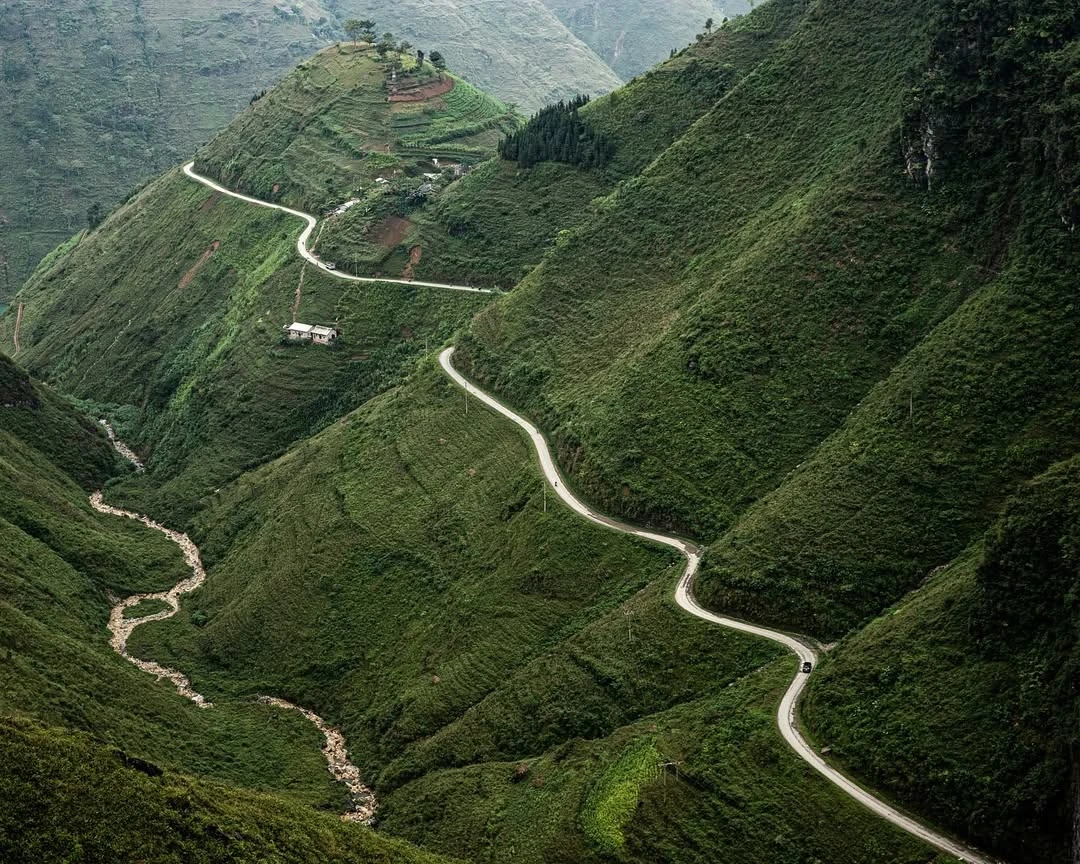
Ma Pi Leng Pass
Similar Photography Genre