Ha Giang Loop
Ha Giang Loop Vietnam photography guide: Master dramatic mountain light, capture ethnic cultures, and discover epic vistas for stunning shots.
Ha Giang Loop in Ha Giang, Vietnam: Photography Guide
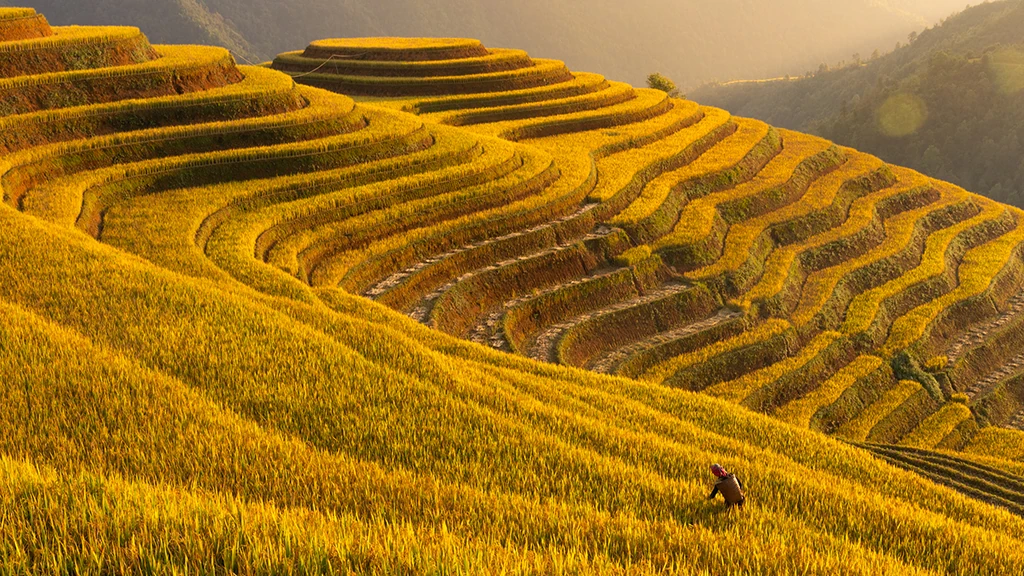
The Ha Giang Loop, a legendary motorcycling route in Vietnam's northernmost province of Ha Giang, is a visual symphony for photographers. This dramatic landscape, characterized by soaring karst peaks, plunging valleys, and terraced rice paddies that cascade down impossibly steep slopes, offers an unparalleled opportunity to capture the raw beauty of Vietnam. Beyond the breathtaking scenery, the region is steeped in the rich cultures of ethnic minority communities, providing a profound human element to any photographic narrative. While the landscape is visually stunning year-round, understanding its nuances can elevate your imagery from good to truly exceptional.
Mastering the Ha Giang Loop Landscape
Photographing the Ha Giang Loop requires a keen eye for scale, light, and composition. The sheer verticality of the landscape, with winding roads clinging precariously to mountain sides, demands a strategic approach to framing. Consider using a wide-angle lens to convey the immense scale of the valleys and mountain ranges, allowing viewers to feel immersed in the vastness. Conversely, a telephoto lens can be invaluable for isolating distant villages, unique rock formations, or individual layers of terraced fields, creating a sense of depth and compression.
Compositional Strategies for Ha Giang Loop Photography
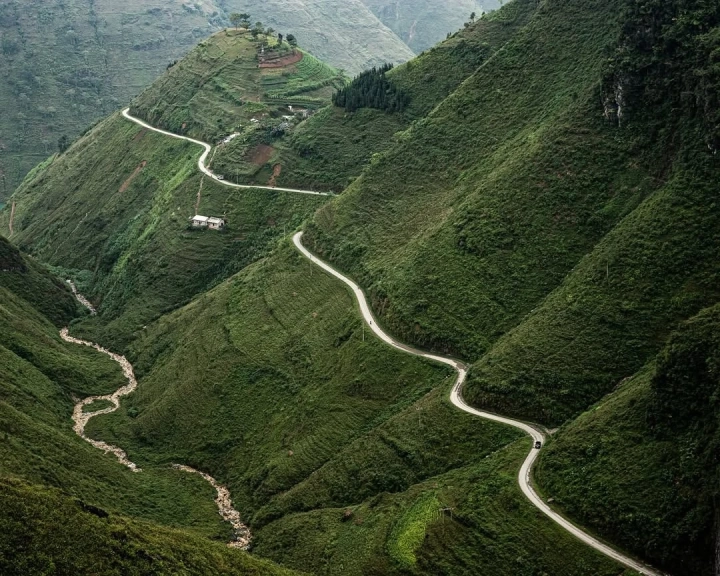
One of the most effective compositional tools in Ha Giang is the use of leading lines. The serpentine roads, the meandering rivers, and the distinct patterns of the rice terraces all serve as natural lines that guide the viewer's eye into the frame. Look for opportunities to place these lines strategically, drawing attention to key elements within the scene. From years of photographing Vietnam, Viet has found that incorporating the winding roads into the foreground, leading towards distant peaks, creates a powerful sense of journey and exploration. When shooting from elevated viewpoints, look for triangular compositions, using foreground elements like rocks or a lone tree to anchor the shot and frame the expansive vista beyond.
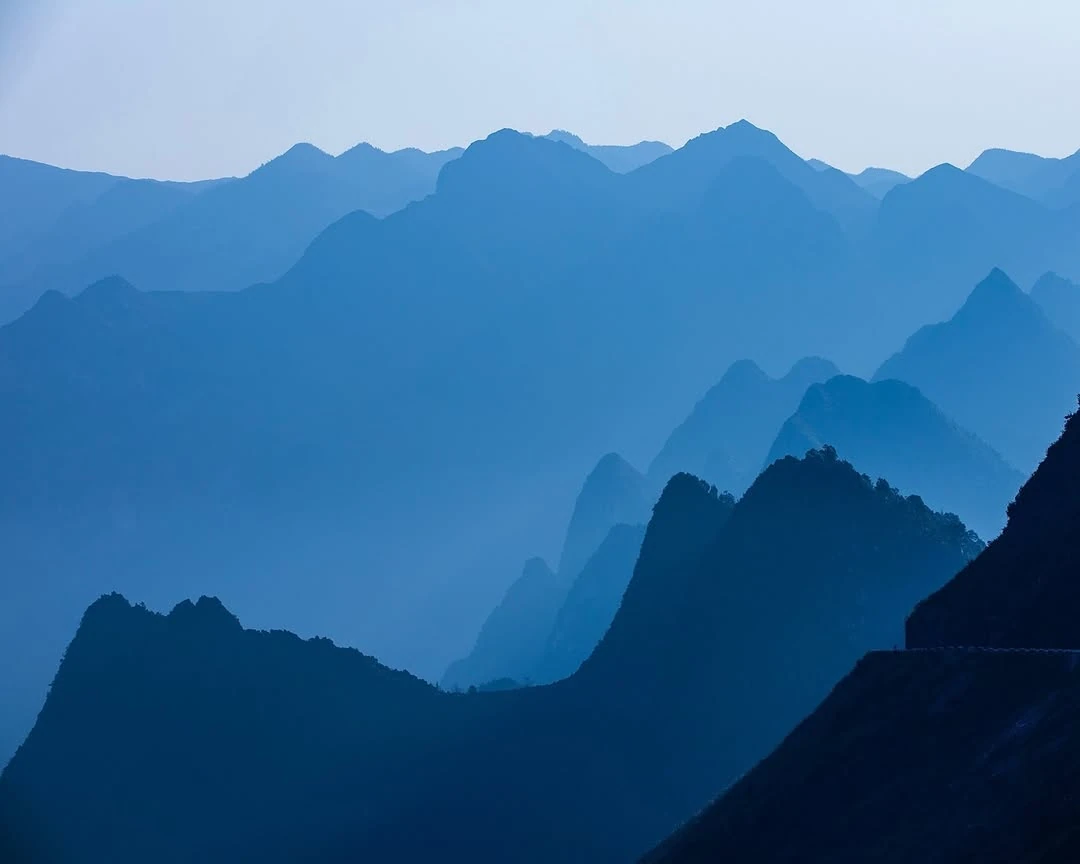
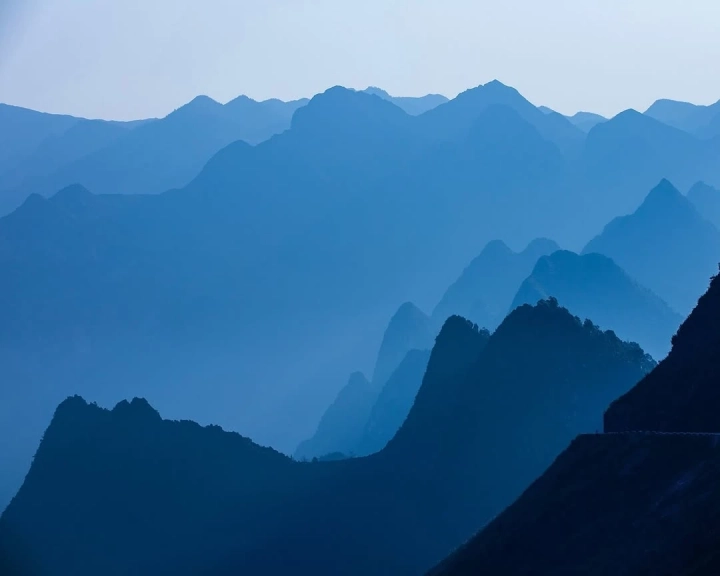
The iconic karst formations, such as the Dong Van Karst Plateau Geopark, offer unique photographic challenges and rewards. Their jagged silhouettes against the sky can be dramatic, especially during dawn and dusk. Experiment with shooting them from various angles; sometimes a lower perspective can emphasize their imposing nature, while a higher vantage point can reveal the intricate patterns of human cultivation carved into their sides.
Lighting Techniques for Capturing Ha Giang Loop
The quality of light in Ha Giang can dramatically alter the mood and impact of your photographs. The golden hour, both at sunrise and sunset, is your best friend here. The warm, directional light bathes the limestone peaks in a soft glow, accentuates the texture of the rice terraces, and can create a painterly effect. Early morning mist, often present in the valleys, can add an ethereal quality, softening the landscape and adding a sense of mystery. Tran Tuan Viet recommends embracing these atmospheric conditions; he often suggests waiting for the mist to burn off slightly, revealing the layers of the landscape rather than obscuring them completely. This allows for a beautiful interplay of light, shadow, and diffused sunlight.
Midday sun, while often harsh, can also be used effectively. If shooting midday landscapes, look for strong contrast and sharp shadows that define the rugged terrain. It's also during these brighter periods that you can best capture the vibrant greens of the rice paddies, provided your camera's dynamic range can handle the contrast. Be mindful of blowing out highlights in the sky or losing detail in the shadows; a graduated neutral density (GND) filter can be invaluable for balancing these extreme light conditions.
Cultural Encounters and Human Stories
The cultural tapestry of Ha Giang is as captivating as its landscapes. The region is home to diverse ethnic minority groups, including the Hmong, Dao, Tay, and Nung people, each with their unique traditions, clothing, and ways of life. Engaging respectfully with the local communities offers invaluable photographic opportunities. Look for portraits that tell a story, capturing the weathered faces, the intricate patterns of traditional dress, and the daily routines of village life. A prime lens, like a 50mm or 85mm, is excellent for environmental portraits, allowing you to isolate your subject while still including contextual elements of their surroundings.
Capturing the Spirit of Ha Giang Loop Communities
When photographing people, always seek permission first. A smile and a few basic Vietnamese phrases can go a long way. Viet's suggestion for capturing authentic cultural moments often involves being patient and unobtrusive. Rather than actively directing subjects, he advises photographers to observe and anticipate moments of genuine interaction. Think about the textures of traditional fabrics, the vibrant colors of market stalls, and the expressions of people engaged in their daily tasks. The children playing, the elders sharing stories, and the farmers tending their fields all contribute to a compelling narrative.
Market days, particularly in towns like Dong Van or Meo Vac, are a photographer's dream. They burst with activity, color, and sound. This is where you can capture the energy of daily life, the diverse ethnic groups coming together, and the vibrant produce and handicrafts on display. Be prepared for a potentially high-contrast environment with strong directional light, so mastering your exposure settings is key.
Drone Photography Perspectives
The Ha Giang Loop is a drone photographer's paradise. The aerial perspective unlocks entirely new ways to appreciate the grandeur of the landscape. From above, the scale of the terraced rice paddies becomes even more astonishing, revealing intricate geometric patterns that are impossible to discern from the ground. The winding roads appear as delicate threads weaving through the dramatic topography. Viet often emphasizes the unique storytelling potential of drone footage for the Ha Giang Loop, highlighting how it can showcase the dramatic relationship between human endeavor and the formidable natural environment.
Ethical Drone Operation in Ha Giang Loop
When flying drones in Ha Giang, it's crucial to be aware of local regulations and fly responsibly. Always maintain visual line of sight with your drone, avoid flying over populated areas without permission, and be mindful of privacy concerns when capturing images of people. The best times for drone photography often mirror the best times for landscape photography – early morning and late afternoon, when the light is soft and directional, creating beautiful shadows and highlighting the textures of the terrain. Experiment with different altitudes and angles to find the most compelling compositions, transforming the familiar landscape into something extraordinary.
Practical Photography Tips for Ha Giang Loop
The Ha Giang Loop is accessible year-round, with each season offering distinct photographic opportunities. The dry season (October to April) generally offers clearer skies and cooler temperatures, ideal for long treks and capturing distant vistas. The green season (May to September) brings lush vegetation, vibrant rice paddies, and a higher chance of dramatic, moody skies due to rainfall. Experienced photographers in Vietnam suggest that while the dry season offers predictable light, the rainy season can present the most visually dramatic and unique opportunities, with dramatic clouds and vibrant, saturated colors after a shower.
When it comes to gear, versatility is key. A sturdy tripod is essential for landscape shots, especially in low light conditions. Consider a camera with good high ISO performance for capturing atmospheric shots in the evenings or during misty mornings. A reliable camera bag is also a must, given the uneven terrain. Pack extra batteries and memory cards, as you'll likely be shooting more than you anticipate. Learning to manually adjust your white balance is also beneficial, especially when dealing with the varied light conditions and the distinct colors of the landscape and local attire.
Ready to capture the full potential of the Ha Giang Loop? Join our Vietnam Photo Tours to experience this location with expert guidance and master your photography.
More Scenes
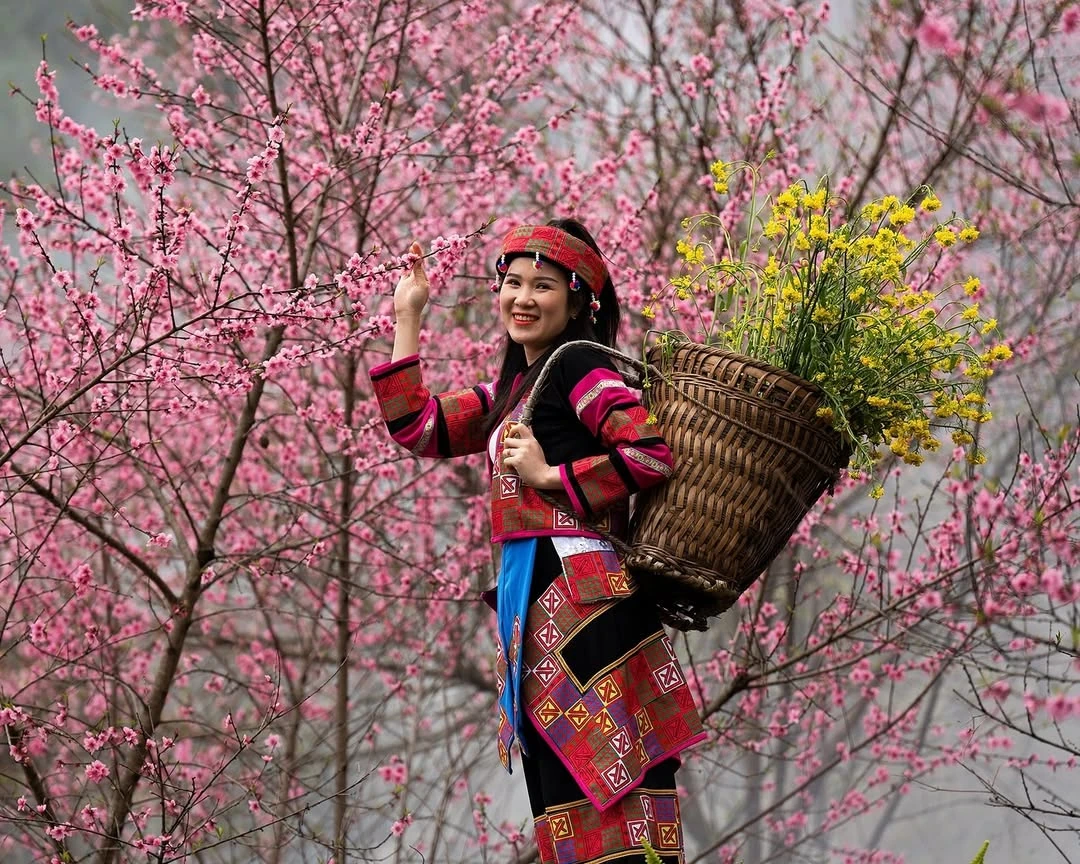
Ha Giang Spring
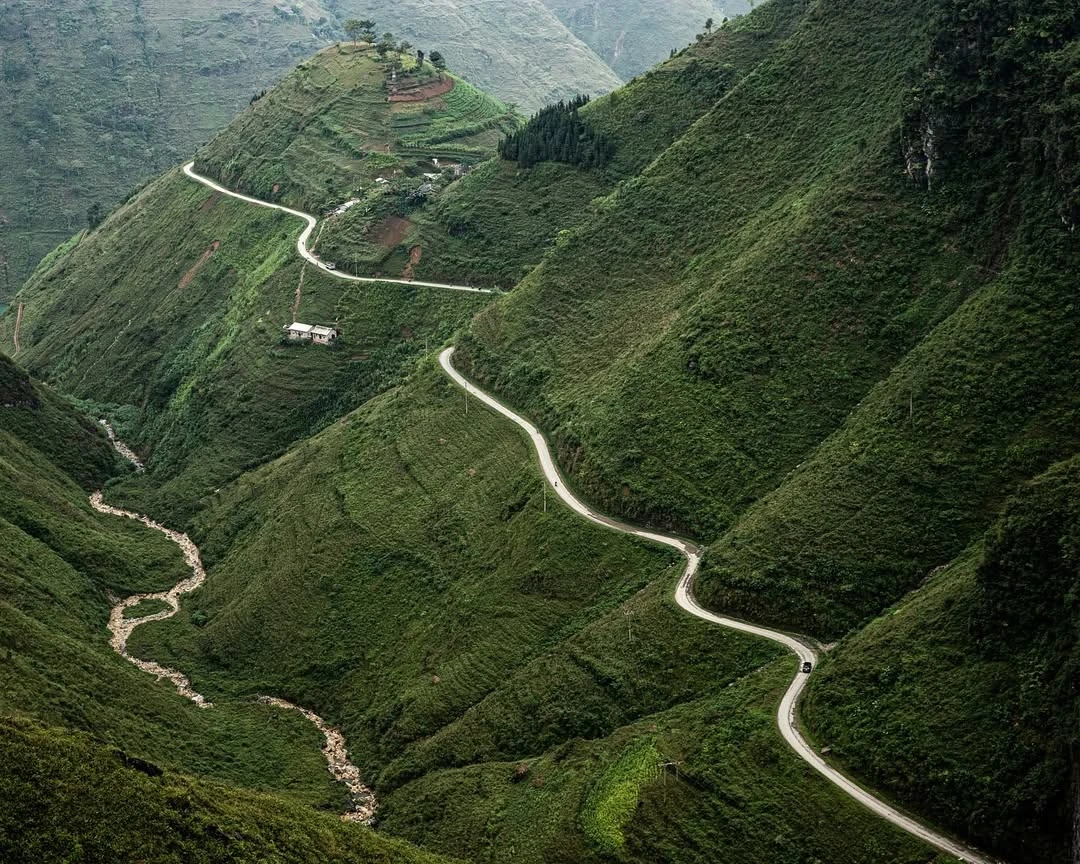
Ma Pi Leng Pass
Similar Photography Genre
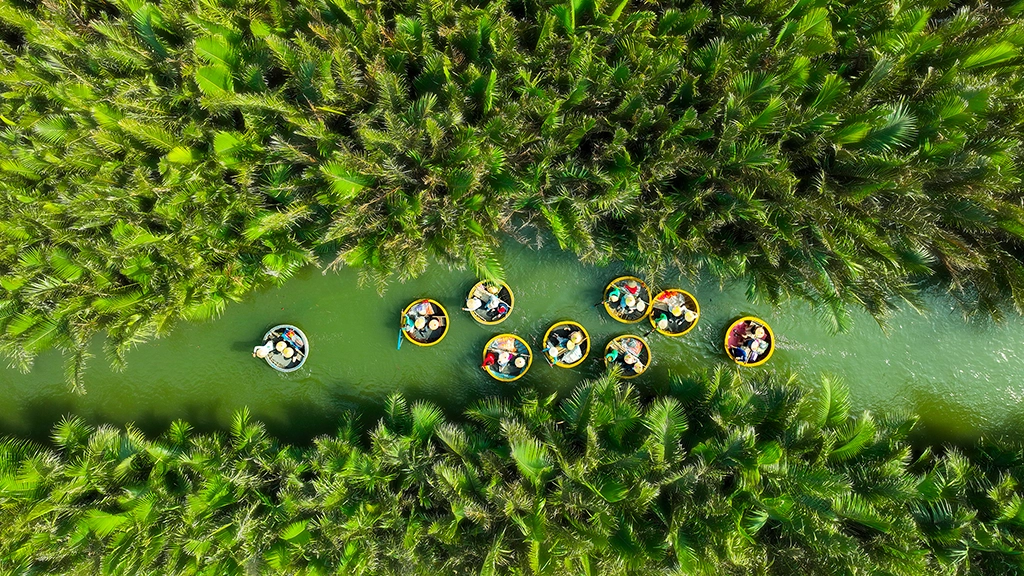
Coconut Forest