Green Net
Master Green Net Vietnam photography. Uncover unique composition, timing, and light for breathtaking visual stories with Vietnam Photo Tours.
Green Net in Ha Noi, Vietnam: Photography Guide
Vietnam, a land of vibrant culture and breathtaking landscapes, offers photographers an endless array of visual stories. Within the bustling heart of Ha Noi lies a unique and often overlooked subject: Green Net. This scene, characterized by the intricate patterns of fishing nets, often adorned with moss or drying fish, presents a compelling opportunity for both cultural and travel photography. The year-round accessibility of this subject, from the humid summers to the cooler, drier winters, means photographers can explore its textures and stories at any time, though each season offers its own unique light and atmospheric conditions.
Capturing the Essence of Green Net
Photographing Green Net in Ha Noi requires an understanding of the local context and a keen eye for detail. These nets are not just functional tools; they are an integral part of the daily lives of many who reside near the city's lakes and rivers, and their presence tells a story of tradition, resilience, and connection to water. Experienced photographers in Vietnam often emphasize the importance of observing the rhythm of daily life surrounding these nets, looking for moments of interaction between people and their craft.
Understanding Green Net as a Photography Subject in Ha Noi
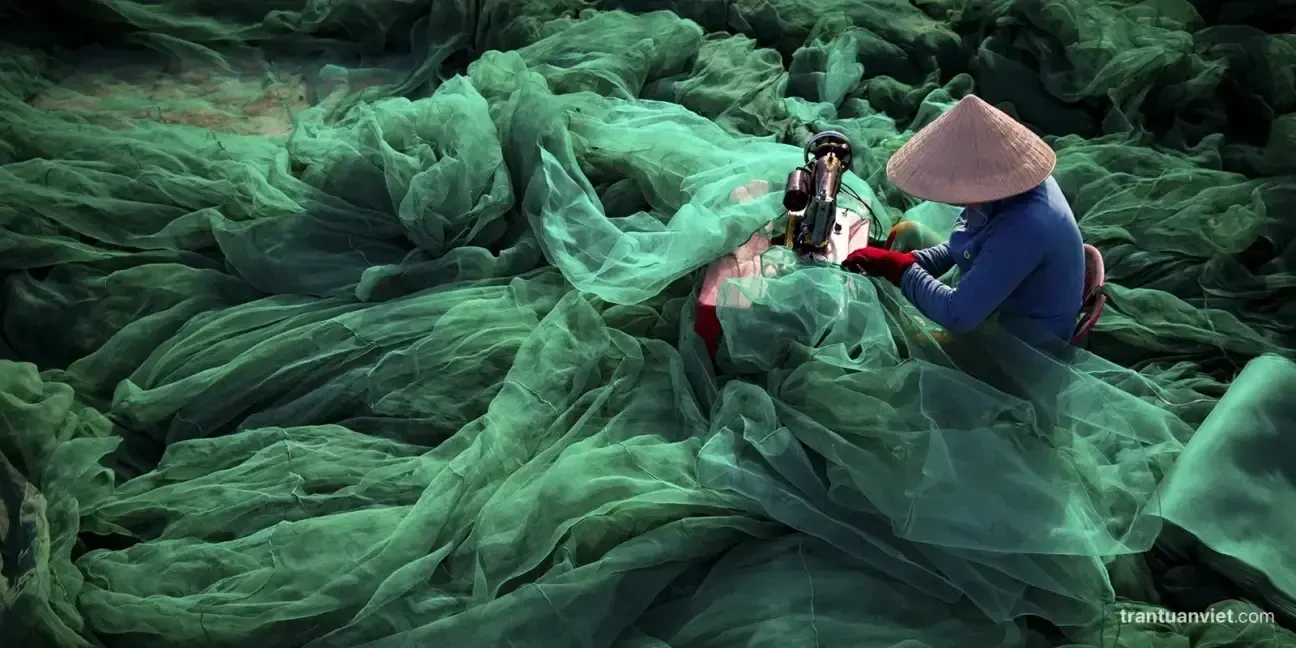
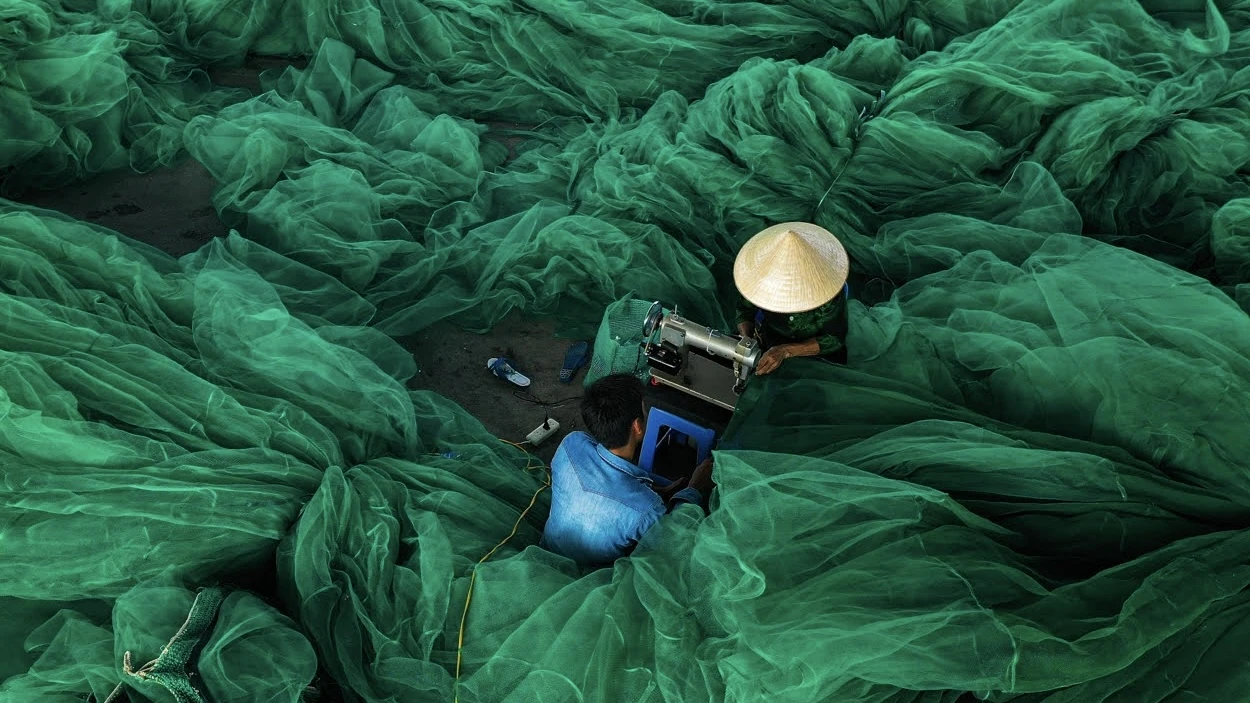
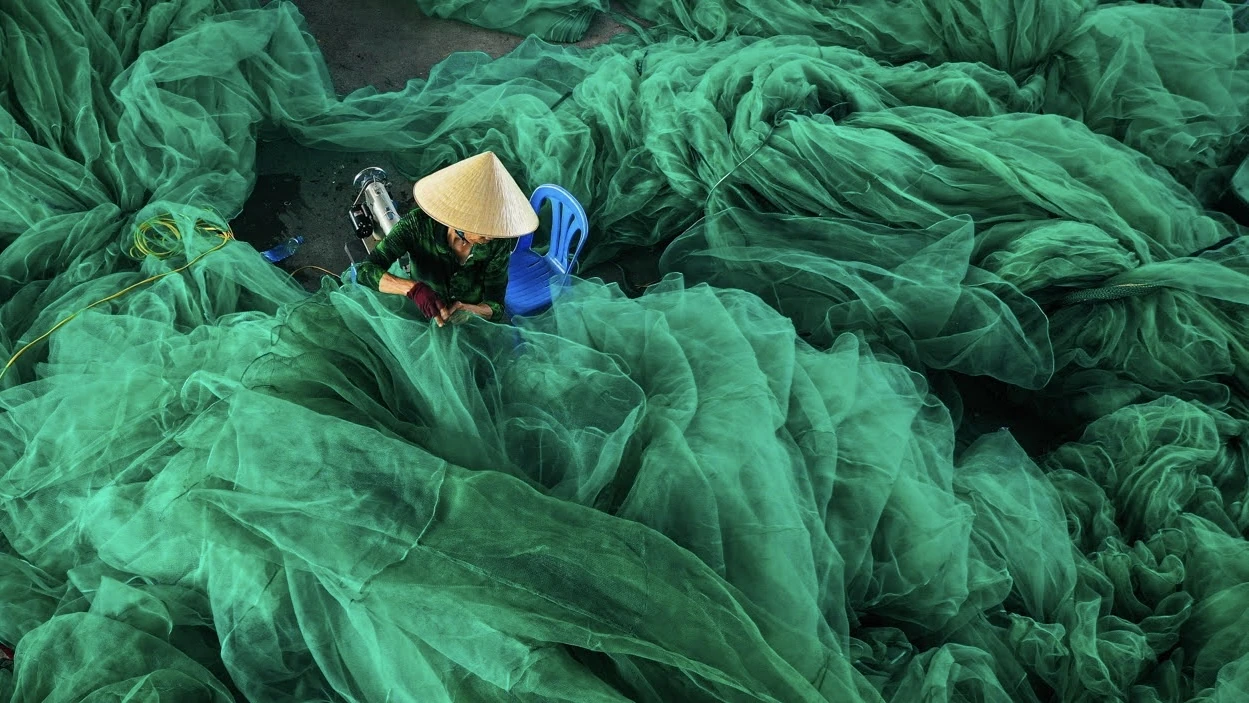
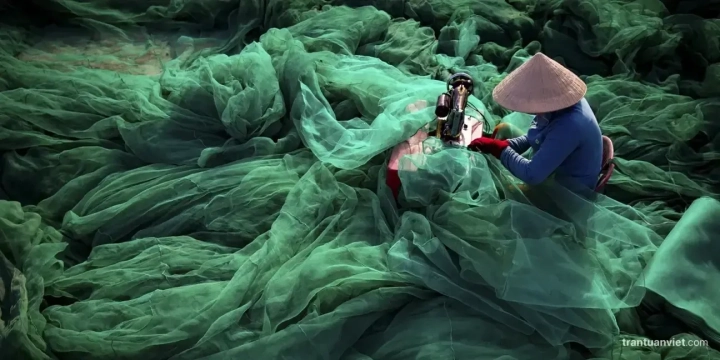
The visual appeal of Green Net lies in its textural complexity and the interplay of light and shadow across its woven surfaces. Often, these nets are left to dry on the banks of West Lake or other smaller bodies of water, accumulating a beautiful patina of moss and salt residue that adds layers of visual interest. The colors can range from deep earthy greens and browns to brighter, sun-bleached tones, depending on the age and use of the net. The repetition of patterns, the subtle variations in weave, and the potential for inclusion of local life make Green Net a surprisingly rich photographic subject.
The Role of the Environment in Green Net Photography
Ha Noi's environment plays a crucial role in shaping the appearance of Green Net. The humidity, especially during the summer months, can create a soft, diffused light that accentuates textures and adds a dreamlike quality. Conversely, the clearer skies of the dry season, particularly in winter, can produce sharper light and more defined shadows, highlighting the structural integrity of the nets. Understanding these environmental factors allows photographers to anticipate how the nets will appear and to plan their shooting times accordingly.
Compositional Strategies for Green Net
Mastering the composition of Green Net in Ha Noi involves looking beyond the obvious and finding compelling ways to frame this everyday scene. The key is to transform the mundane into the magnificent through thoughtful arrangement of elements within the frame.
Finding Abstract Patterns in Green Net
One of the most rewarding approaches to photographing Green Net is to focus on its abstract qualities. Look for repeating geometric patterns in the weave of the net. Experiment with tight crops that emphasize these textures, turning the net into an abstract study of lines and forms. Using a lens with good macro capabilities can reveal intricate details invisible to the naked eye, such as dew drops clinging to the threads or the granular texture of dried mud. Close-up photography can elevate the humble fishing net into a work of art.
Incorporating Local Life into Green Net Compositions
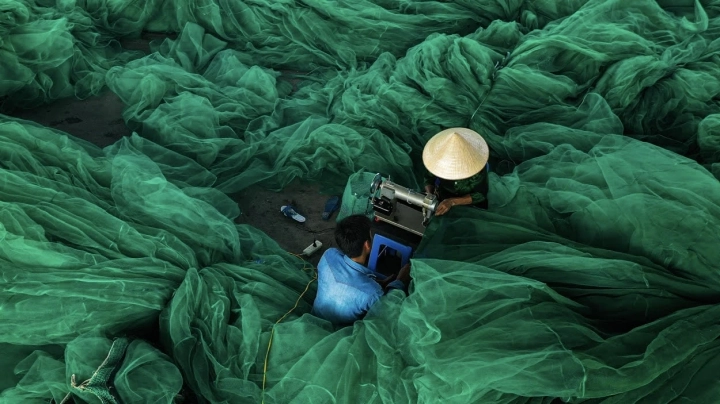
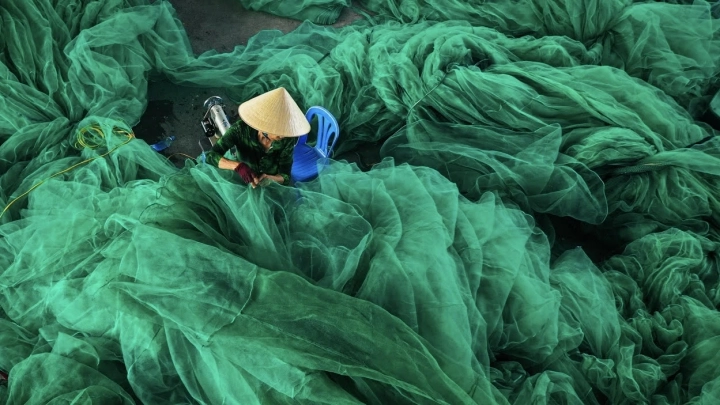
While abstract patterns are compelling, experienced photographers know that the human element adds invaluable narrative depth. Tran Tuan Viet, a renowned Vietnamese photographer, often stresses the importance of capturing the story behind the subject. For Green Net, this means observing fishermen mending their nets, laying them out to dry, or interacting with their tools. Try to include these figures subtly in the background or as a focal point, showing their connection to this vital aspect of their livelihood. Environmental portraits that include the nets as a significant element can be incredibly powerful.
Utilizing Leading Lines and Negative Space
The natural lines formed by the ropes and knots of the nets can act as leading lines, guiding the viewer's eye through the image. Consider how the nets are arranged on the ground or suspended; these arrangements can create dynamic diagonals or sweeping curves. Don't shy away from negative space. Sometimes, the vastness of the sky or the quiet expanse of water beside the nets can provide a beautiful contrast, making the detailed texture of the Green Net stand out even more. Viet's suggestion for capturing this scene often involves finding moments where the subject interacts with its surroundings, creating a sense of place.
Lighting Techniques for Capturing Green Net
The lighting conditions in Ha Noi can dramatically alter the mood and impact of Green Net photographs. Understanding how to work with available light is paramount.
The Magic of Soft, Diffused Light
During the early morning or late afternoon, when the sun is at an angle, the light is softer and more flattering. This is particularly true on hazy or overcast days, which are common in Ha Noi for much of the year. Diffused light gently illuminates the textures of the nets without creating harsh shadows, revealing the subtle variations in color and the intricate details of the weave. This type of light is ideal for emphasizing the organic, moss-covered elements of the nets. Experienced photographers in Vietnam suggest that overcast days can actually be a blessing for textural subjects like Green Net.
Harnessing the Power of Golden Hour
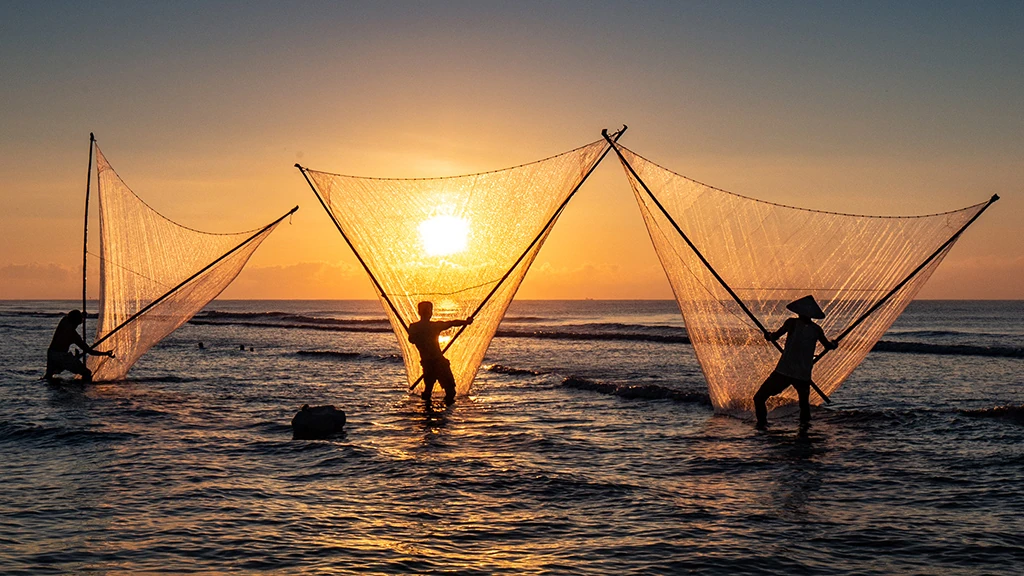
The golden hour, the period shortly after sunrise and before sunset, offers a warm, directional light that can transform Green Net. The low angle of the sun casts long shadows, adding depth and dimension to the woven patterns. The warm tones of the light can enhance the earthy colors of the nets, making them glow. If you are fortunate enough to photograph Green Net during golden hour, be prepared to work quickly. Viet recommends using this light to create dramatic silhouettes or to highlight the texture of the nets with a side-lighting effect.
Dealing with Challenging Light Conditions
Midday sun in Ha Noi can be harsh, creating strong contrasts and blowing out highlights, which is a common challenge when photographing subjects with a narrow dynamic range like textured nets. In these situations, it's often best to look for shaded areas or to focus on abstract compositions where the harsh light might create interesting graphic elements. Alternatively, experiment with shooting through translucent parts of the net or use a polarizing filter to manage reflections and deepen colors. If shooting in very bright conditions, photographers might consider underexposing slightly and recovering details in post-processing.
Green Net: Equipment and Settings
While Green Net can be photographed with almost any camera, certain equipment and settings can significantly enhance your results.
Lens Choices for Green Net
A versatile lens that offers both a decent wide-angle capability and a moderate telephoto reach is ideal. A 24-70mm or similar zoom lens allows you to capture the wider context of the nets within their environment, as well as to zoom in on intricate details. For truly abstract or macro shots, a dedicated macro lens or extension tubes will allow you to get extremely close and capture the finest textures. A prime lens in the 50mm range can also be excellent for its sharpness and ability to isolate subjects.
Camera Settings for Detail and Depth
When focusing on the textures of Green Net, a relatively small aperture, such as f/8 to f/11, is often beneficial. This aperture range provides a good depth of field, ensuring that the intricate patterns of the net are sharp from front to back. If you are aiming for a more abstract or artistic look, consider using a wider aperture like f/2.8 or f/4 to create a shallow depth of field, blurring the background and making the sharpest part of the net stand out. For exposure, use your camera's metering modes carefully, and don't hesitate to use exposure compensation to prevent highlights from being blown out or shadows from being too dark. Shooting in RAW format is highly recommended, as it provides the most flexibility for post-processing, allowing you to recover detail in challenging lighting situations.
To truly master this location and capture the full potential of Green Net in Ha Noi, consider joining Vietnam Photo Tours for a guided photography experience designed to help photographers capture stunning images at this unique cultural intersection.
More Scenes
Ao Dai Model
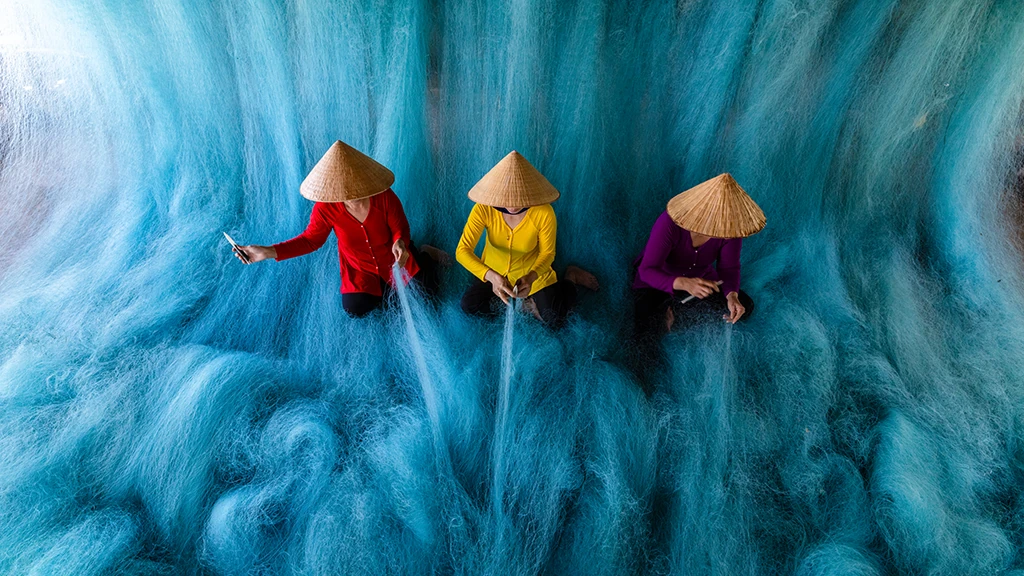
Blue Net
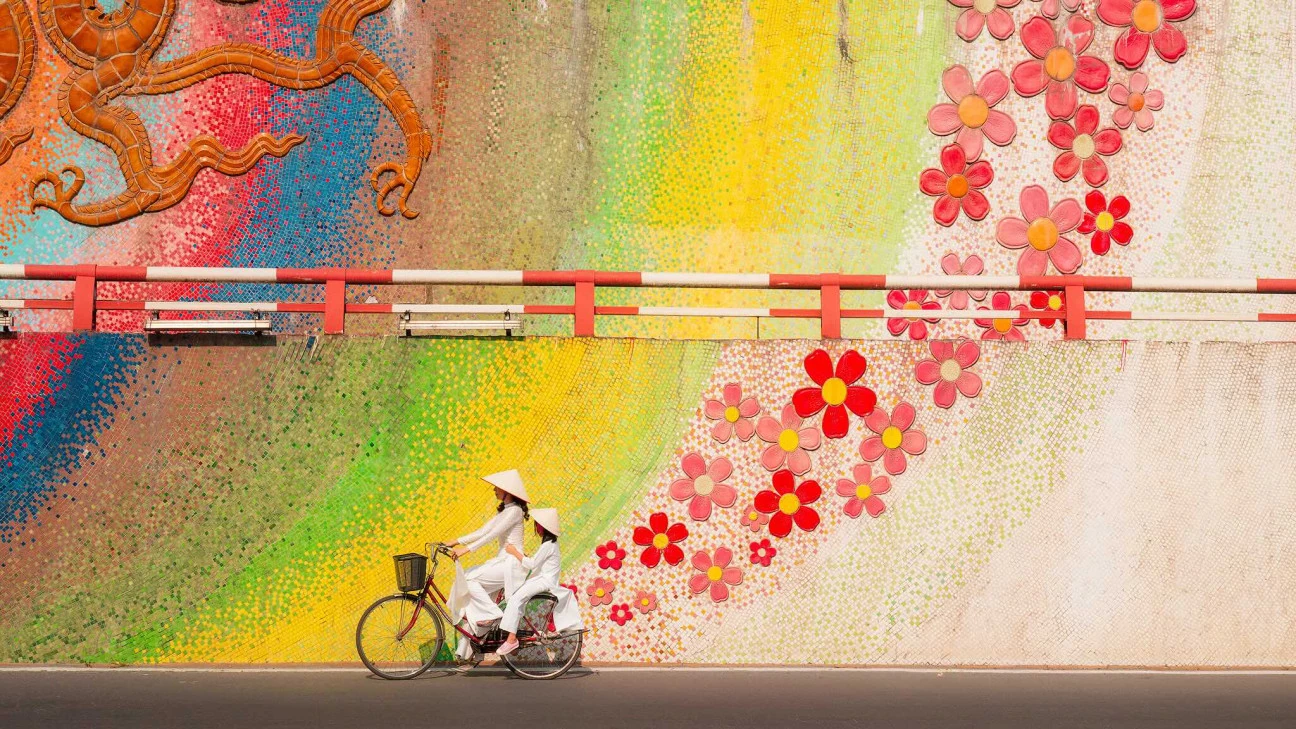
Ceramic Road
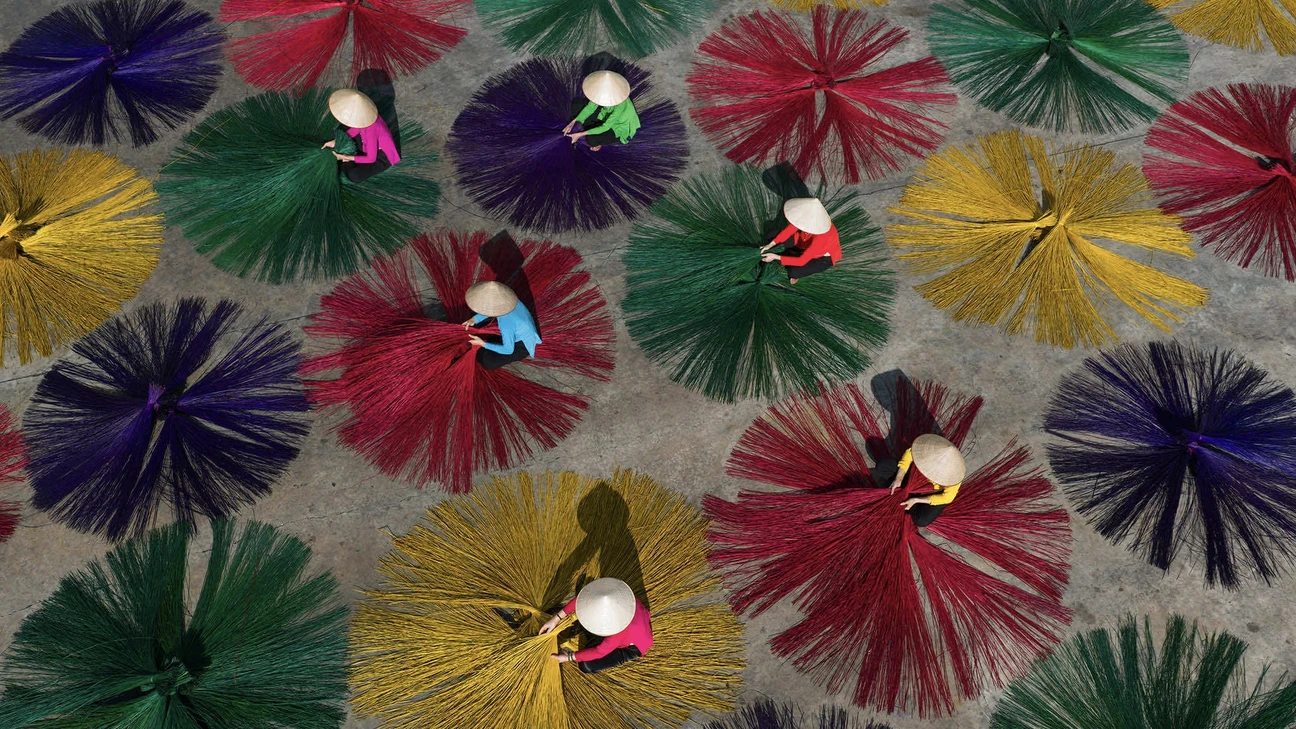
Colorful Sedge
Similar Photography Genre
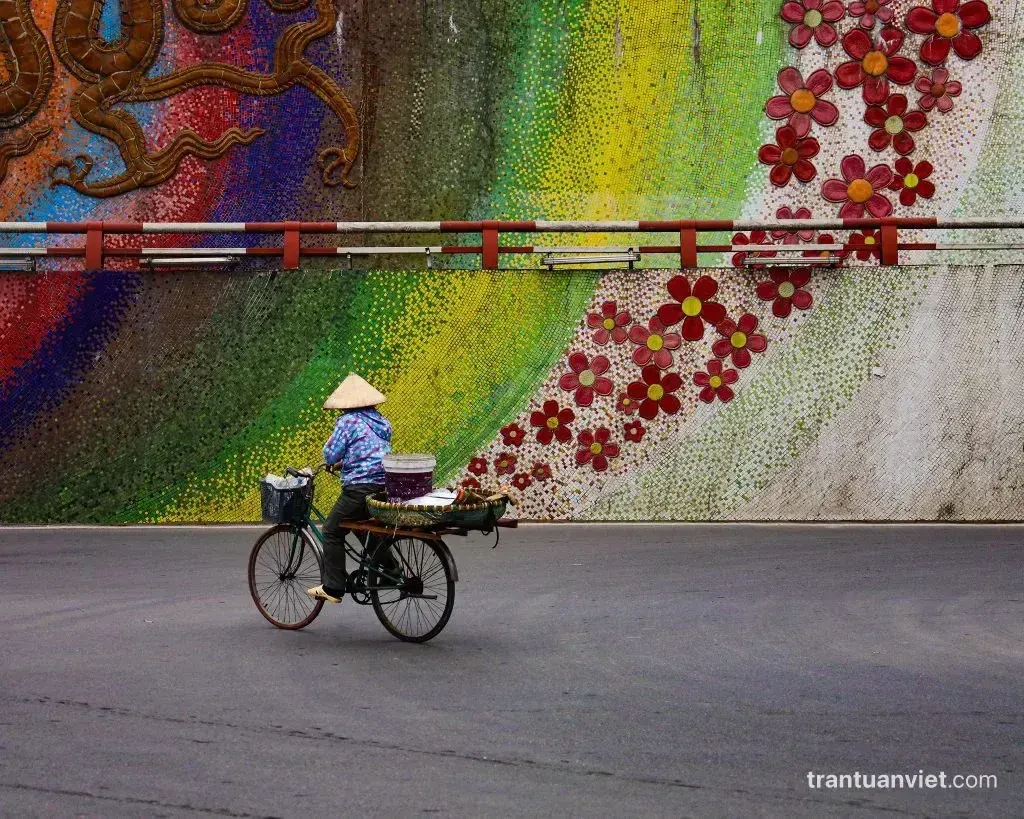
Street Vendor
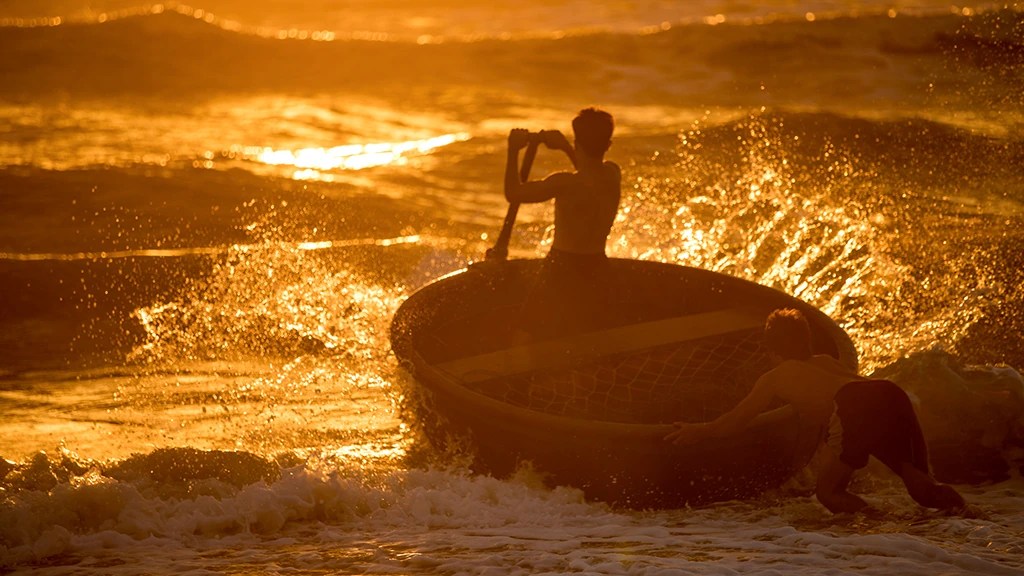
Coracle Fishermen