Grass Fields
Vietnam Grass Fields: Photography guide for composition, light, and storytelling. Learn essential techniques for capturing this stunning Vietnamese landscape.
Hoi An Grass Fields: Mastering Light and Landscape
The seemingly simple expanse of grass fields surrounding Hoi An offers a surprisingly rich canvas for photographers. Far from being monotonous, these emerald and golden carpets, especially those near the Thu Bon River and stretching towards the coast, provide a dynamic interplay of light, texture, and local life that can elevate landscape, travel, and even conceptual photography. Understanding the nuances of this environment, from the ever-changing Vietnamese light to the subtle presence of local activity, is key to unlocking its full photographic potential. Experienced photographers in Vietnam often highlight the importance of patience and observation here; the scene is alive, constantly shifting with the sun and the rhythm of rural existence.
Capturing the Essence of Hoi An Grass Fields
One of the most compelling aspects of the Hoi An Grass Fields is their versatility throughout the year. While many associate Vietnam with specific seasons, these fields maintain a captivating beauty irrespective of the weather. During the dry season, from January to August, the grasses often take on a golden hue, especially in the late afternoon sun, creating a visually stunning effect that photographers can exploit. The wet season, from September to December, brings a lush, vibrant green that can be equally dramatic, often enhanced by dramatic, brooding skies. This year-round appeal means there's always a unique opportunity waiting, making it a consistently rewarding location for those who join tours like those offered by Vietnam Photo Tours.
Landscape and Travel Photography Techniques
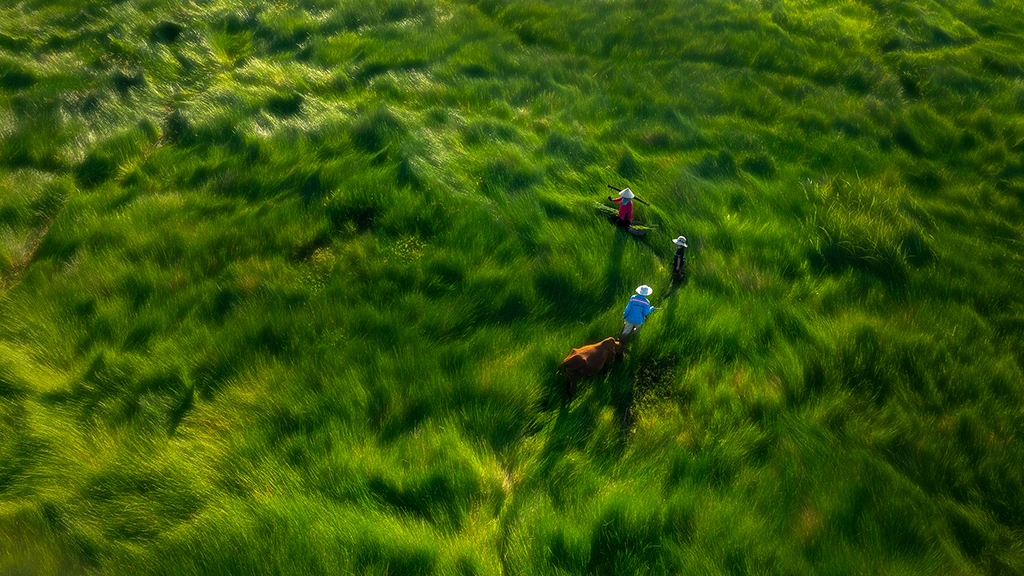
For landscape photographers, the expansive nature of the grass fields presents both opportunities and challenges. The key is to find a compelling foreground and use leading lines to draw the viewer's eye into the scene. This could involve a lone palm tree, a winding irrigation ditch, or even a small herd of water buffalo traversing the expanse. Using a wide-angle lens is often beneficial to capture the grandeur of the landscape, but don't overlook the power of a telephoto lens to isolate details – perhaps a farmer tending their crops or the distant silhouette of the ancient town of Hoi An. Lighting is paramount; the early morning and late afternoon, often referred to as the golden hour, provide the most flattering light, casting long shadows and bathing the scene in a warm, diffused glow. Tran Tuan Viet, a celebrated Vietnamese photographer, consistently emphasizes the importance of light, suggesting that understanding its direction and quality is more critical than any gear. He often advises photographers to “wait for the light, don’t fight it.” For travel photography, the human element is indispensable. Look for opportunities to capture the daily lives of the locals – farmers in conical hats working the fields, children playing, or fishermen returning with their catch. These moments add narrative and authenticity to your images.
Drone Photography: A New Perspective
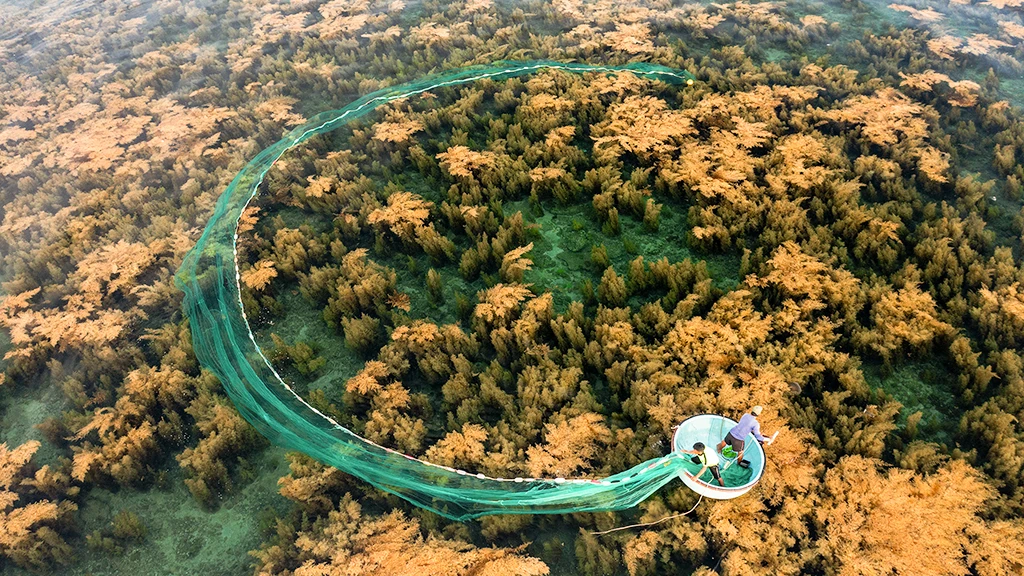
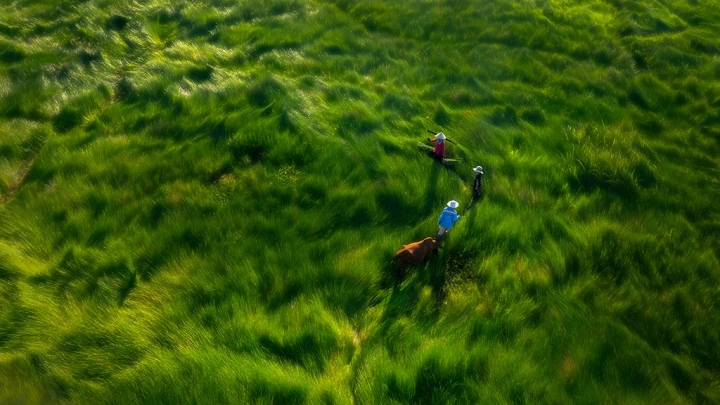
The vastness of the Hoi An Grass Fields makes them an ideal subject for drone photography. From above, the patterns and textures of the fields become dramatically apparent. The intricate network of irrigation channels, the geometric shapes of cultivated plots, and the way the green and gold hues blend together create abstract and visually striking compositions. Experienced drone pilots know that the best time for aerial shots is often during the softer light of early morning or late afternoon, which minimizes harsh shadows and accentuates the contours of the land. Consider looking for formations that are unique from this vantage point – perhaps the circular patterns of flooded fields or the winding paths of local routes. Viet's suggestion for drone photography often includes flying at different altitudes to discover varied perspectives; what looks interesting from 50 feet might be entirely different and more compelling from 150 feet. He believes that understanding the relationship between the drone’s viewpoint and the subject matter is a critical element in creating impactful aerial imagery.
Conceptual Photography in the Fields
Beyond traditional landscape and travel shots, the Hoi An Grass Fields offer a fertile ground for conceptual photography. The sheer simplicity and natural beauty can be used to explore themes of nature, labor, solitude, or the passage of time. Think about using the long grasses to frame a subject, creating a sense of mystery or introspection. Or, experiment with minimalistic compositions that highlight the stark beauty of a single tree against the vastness of the fields, perhaps during a dramatic sunset. The subtle textures and the way light plays on the individual blades of grass can be explored up close, revealing intricate details that speak to larger ideas. From Viet's experience, conceptual work in such environments thrives on creating an emotional connection with the viewer. He notes that “sometimes the most powerful images are born from the simplest of scenes, when you add a layer of emotion or a question for the viewer to ponder.” This can involve subtle use of motion blur to convey movement or stillness, or carefully chosen color palettes to evoke specific moods.
Technical Considerations for Hoi An Grass Fields
When photographing in the Hoi An Grass Fields, especially during the wetter months, be mindful of the humidity and potential for rain. Protecting your gear is essential. For landscape shots, a tripod is highly recommended to achieve sharp images in low light conditions and to enable the use of longer exposures, which can smooth out water in irrigation channels or create ethereal motion blur with moving subjects like water buffalo. When shooting during the day, the sun can be intense, leading to high contrast scenes with a narrow dynamic range. Techniques like bracketing your exposures and using HDR (High Dynamic Range) can be invaluable. Alternatively, embracing the contrast with intentional underexposure to preserve highlights can create a more dramatic mood. Viet recommends that photographers in Vietnam learn to work with the challenging light, rather than against it. He often talks about using the mid-day sun creatively to create strong graphic elements and silhouettes, which can be particularly effective in the open expanse of the fields. For portraiture within the landscape, consider using a shallow depth of field to isolate your subject against the textured background, employing a technique like selective focus to draw attention to the human element.
The year-round accessibility of the Hoi An Grass Fields means photographers can revisit them multiple times and discover new compositions with each visit. Whether you're drawn to the sweeping vistas of the landscape genre, the authentic moments of travel photography, the evocative potential of conceptual work, or the unique perspectives offered by drone technology, these fields offer endless creative possibilities. The experienced eye can find beauty and stories in every corner, enhanced by understanding the local conditions and the subtle rhythms of rural Vietnamese life. Ready to capture the full potential of Hoi An Grass Fields? Join our Vietnam Photo Tours to experience this location with expert guidance and master your photography.
More Scenes
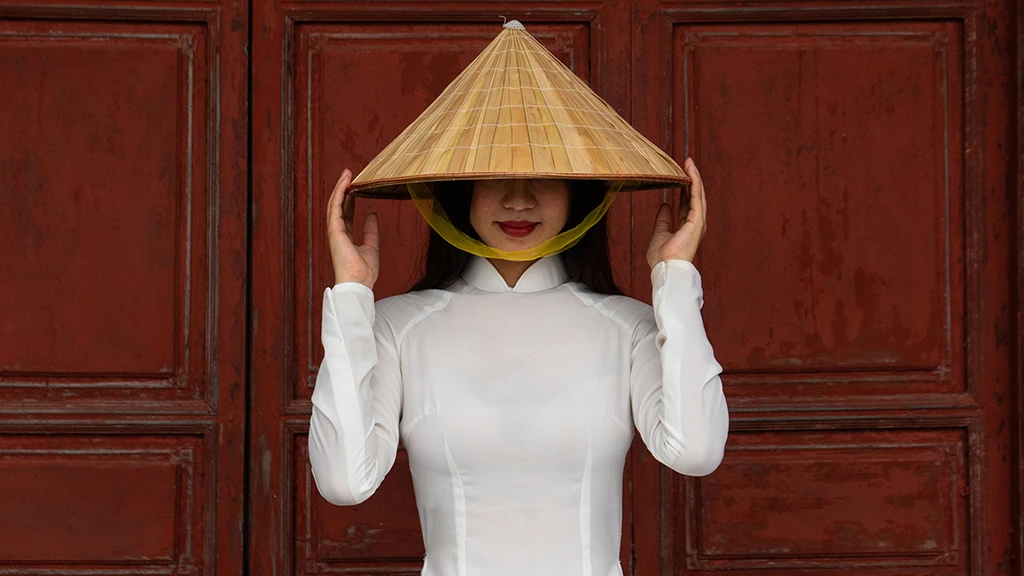
Ao Dai Model
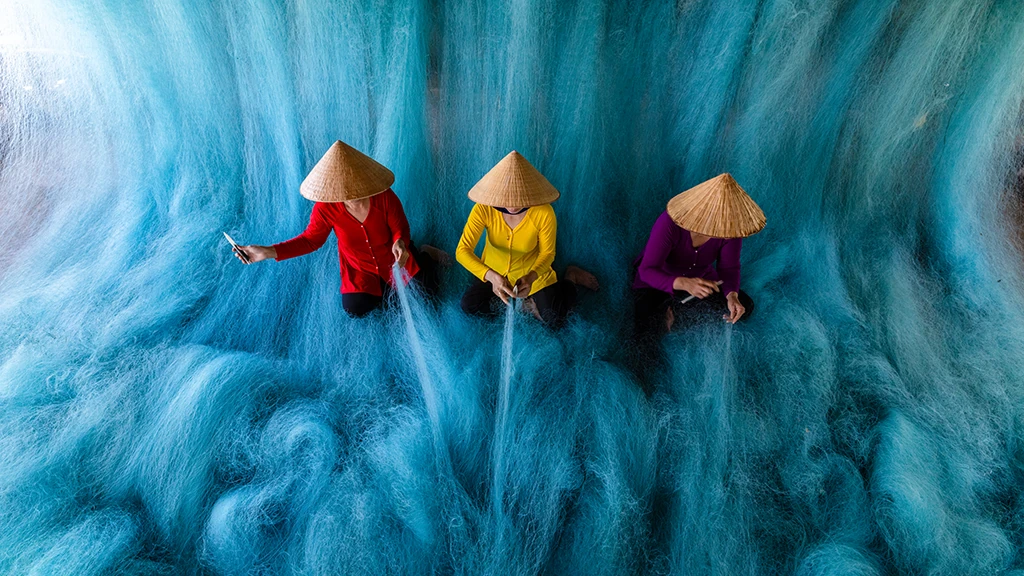
Blue Net
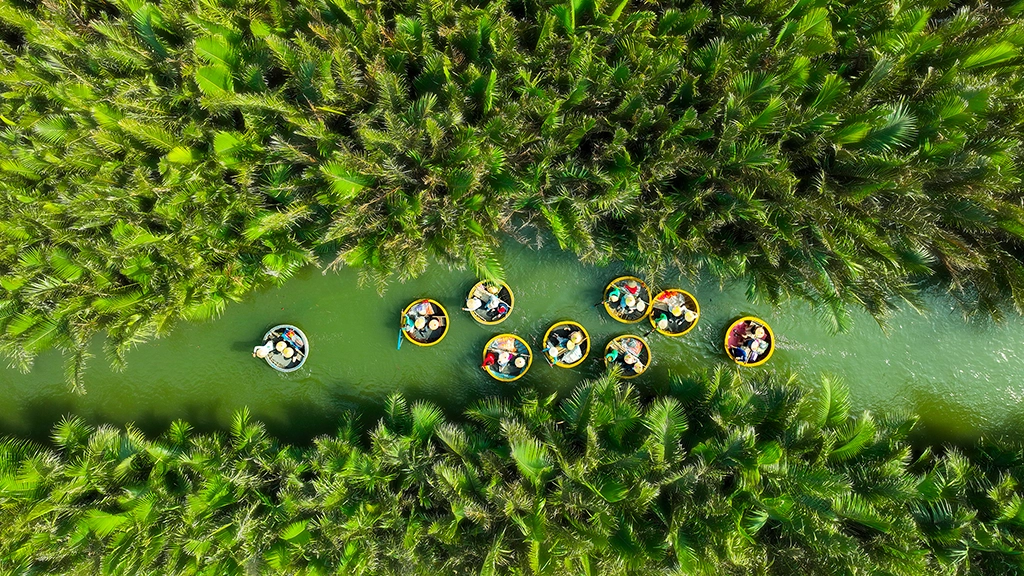
Coconut Forest
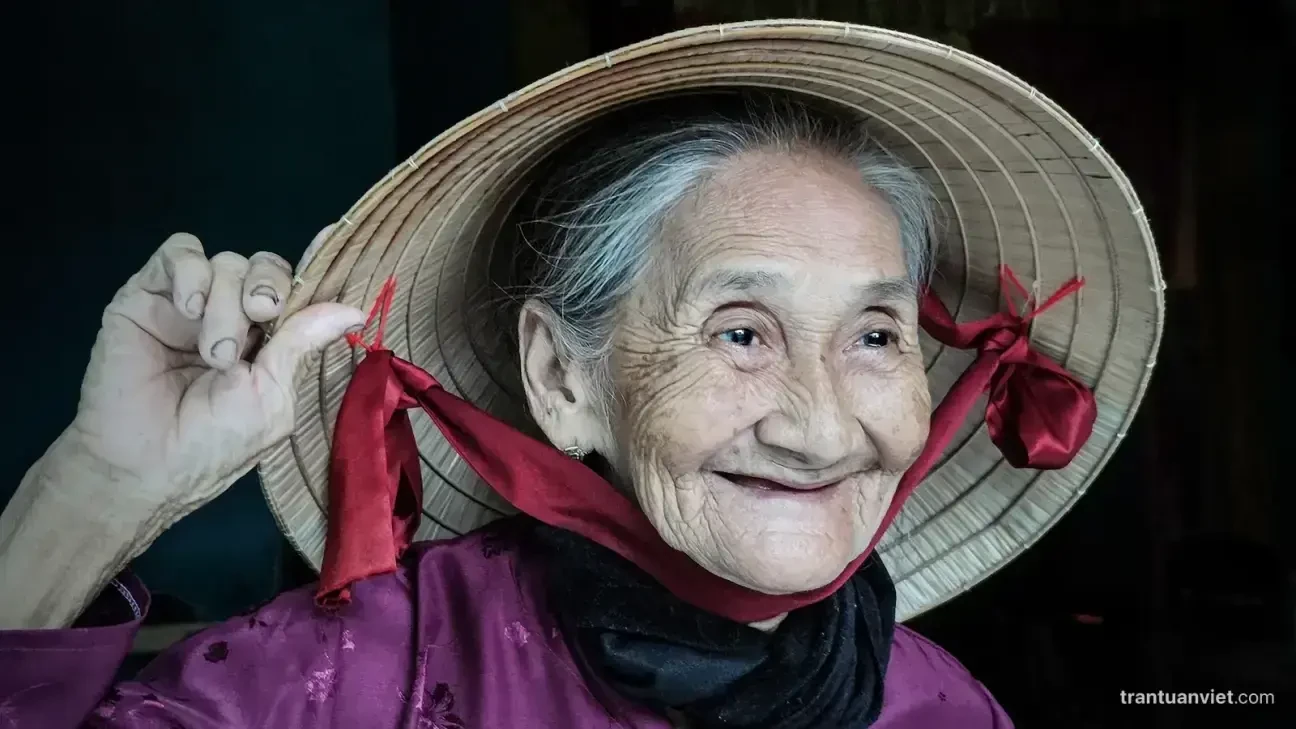
Elder Portraits
Similar Photography Genre
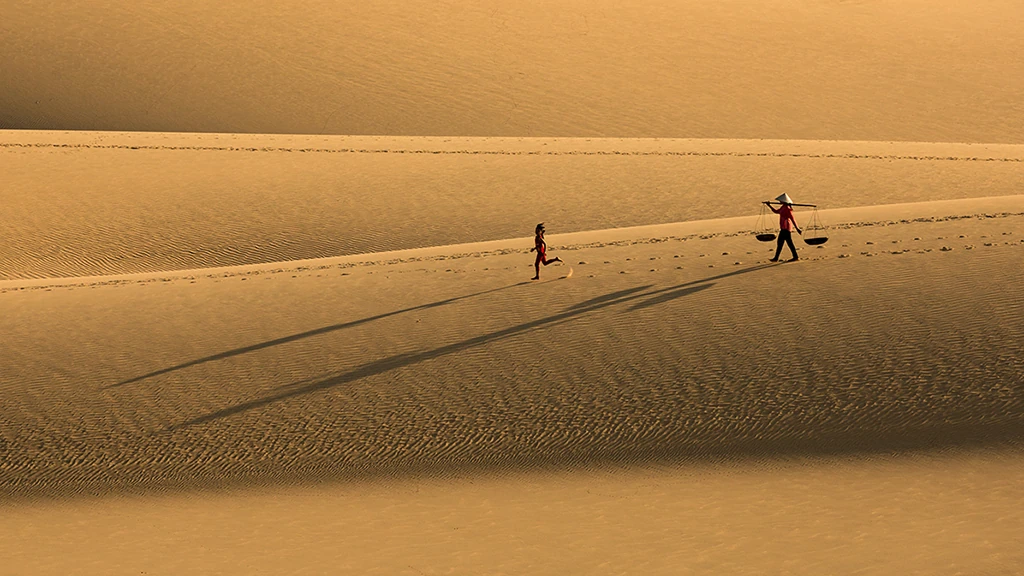
Sand Dunes
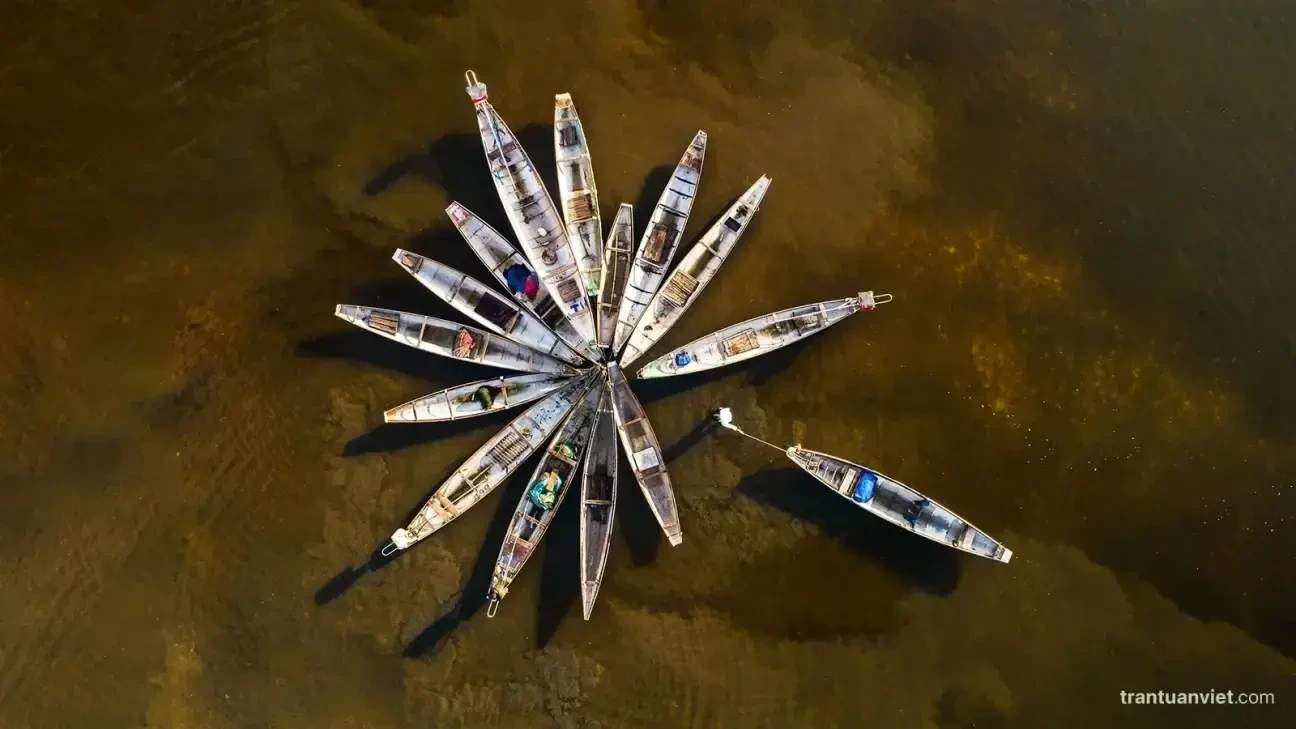
Flower Boat