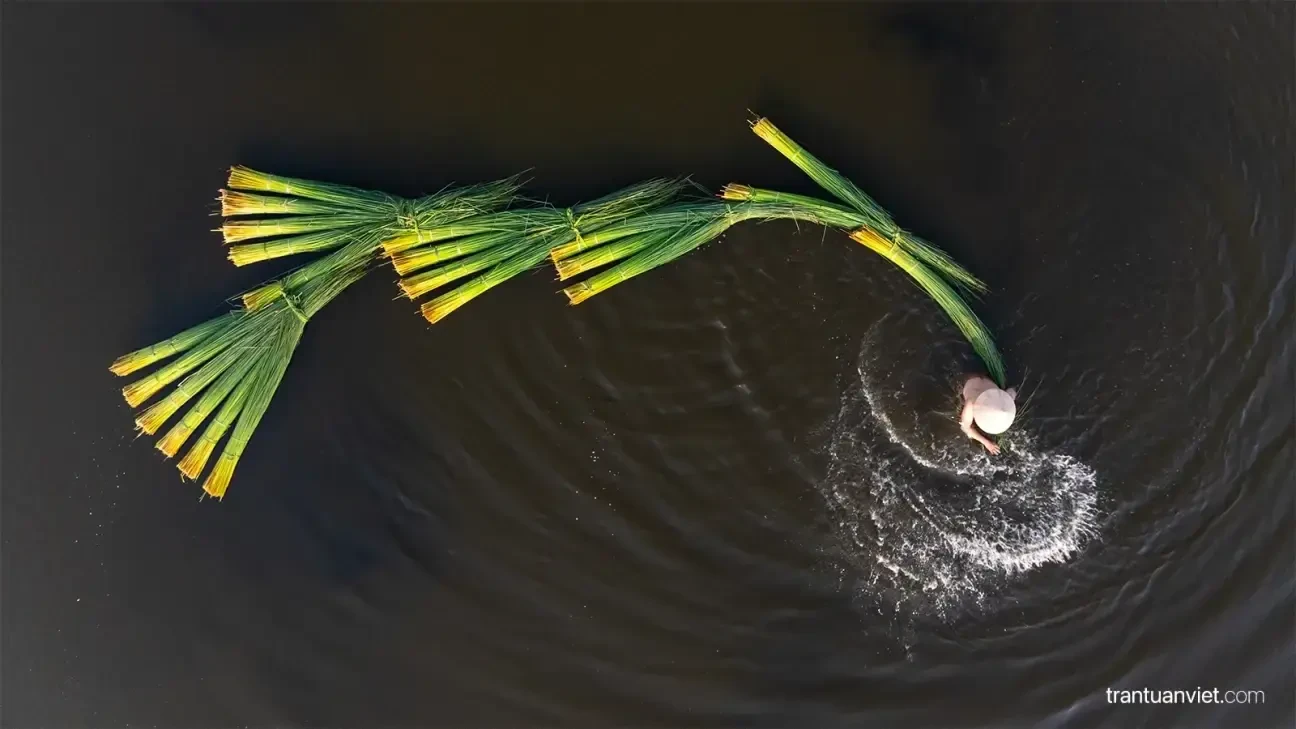
Grass Farmer
Capture Vietnam Grass Farmer scenes. Golden light, vibrant subjects, and timeless moments await photographers. Perfect for documentary and portraiture.
Capturing the Essence of the Grass Farmer in Long An
The verdant landscapes of Long An province offer a unique window into Vietnam's agricultural heart. Among its most compelling subjects is the Grass Farmer, a figure whose life is intrinsically tied to the rhythms of the land. This scene, while seemingly simple, presents a rich tapestry for photographers, inviting exploration through portraiture, travel narratives, conceptual storytelling, and even drone perspectives. The beauty of Grass Farmer is its year-round accessibility; while specific light conditions and atmospheric effects may vary, the fundamental essence remains consistent, offering ample opportunity for stunning imagery regardless of the season.
Portraiture and Travel Storytelling
When approaching the Grass Farmer for portraiture, the key lies in connecting with the individual and understanding their relationship with their work. The golden hours, both morning and late afternoon, cast a soft, warm light that is incredibly flattering. Look for the subtle lines etched by a life lived outdoors, the gentle calluses on hands that tend the crops, and the quiet dignity in their gaze. Experienced photographers in Vietnam often emphasize the importance of gaining trust; a few shared words, perhaps with the help of a local guide, can transform a posed shot into an authentic interaction. Consider using a medium telephoto lens, around 85mm on a full-frame sensor, to isolate your subject and create a pleasing background blur, ensuring the focus remains on the farmer's story. The textures of the harvested grass, the worn fabric of their clothing, and the ever-present humidity of the Mekong Delta environment all contribute to a compelling travel narrative.
Vietnamese photographers are masters of capturing the spirit of their people, and when photographing the Grass Farmer, a similar approach is recommended. Tran Tuan Viet, for instance, often speaks about the power of observation and patience. He suggests that the most impactful portraits are not rushed but are born from moments of genuine interaction. This means being prepared to wait, to observe the subtle nuances of daily life, and to let the subject be themselves. For travel photography, wide-angle lenses can be employed to showcase the vastness of the fields, placing the farmer within their expansive environment, thereby emphasizing the scale of their labor and the beauty of the rural Vietnamese landscape.
Compositional Techniques for the Fields
Compositionally, the fields of grass themselves offer a wealth of possibilities. Leading lines, formed by rows of harvested grass or pathways, can draw the viewer’s eye into the frame and towards the farmer. Experiment with shooting from a low angle to emphasize the height of the grass and the stature of the individual, or from a slightly elevated position to gain a broader perspective of the farming operation. The interplay of light and shadow is also a critical element. On overcast days, the light is diffused, offering a soft, even illumination perfect for capturing detail without harsh shadows. However, on brighter days, the contrast can be dramatic, creating opportunities for powerful, graphic images if managed carefully. Understanding the narrow dynamic range of certain camera sensors is crucial here; bracket your exposures if necessary to capture the full tonal range.
Conceptual and Drone Photography of Grass Farmers
Beyond traditional portraiture and travel documentation, the Grass Farmer theme lends itself beautifully to conceptual photography. Think about themes of cyclical life, the connection to nature, sustainability, or the passing down of traditions. A conceptual approach might involve abstracting the forms of the grass, using strong graphic compositions, or incorporating symbolic elements. For example, a single strand of grass illuminated by a shaft of light can represent resilience or the individual’s connection to the larger ecosystem.
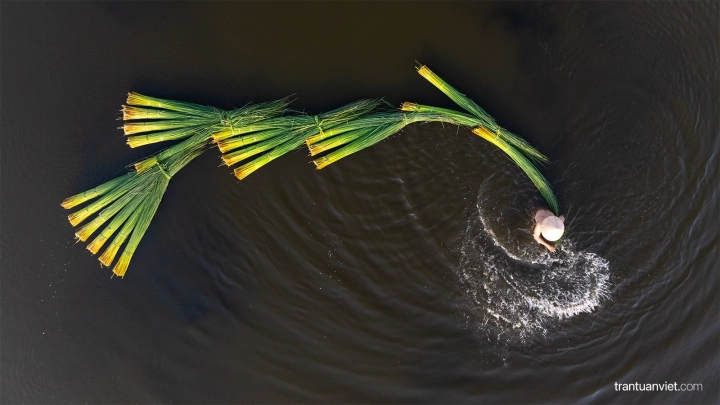
Drone photography unlocks an entirely new dimension for capturing the Grass Farmer scene in Long An. From above, the patterns of the fields, the movement of the farmers, and the overall expanse of the agricultural landscape become breathtakingly apparent. This perspective allows for the creation of abstract patterns, highlighting the geometric beauty of human intervention in nature. Consider patterns of harvested grass, the winding paths through the fields, or the way the land meets the waterways of the Mekong Delta. Drone shots can reveal the sheer scale of the farming operations, offering a sense of awe and appreciation for the hard work involved. It's also an excellent way to showcase the broader environment in which the Grass Farmer operates, providing context that ground-level shots might miss. Tran Tuan Viet has often emphasized that embracing new technologies like drones can open up fresh creative avenues, allowing photographers to tell stories from perspectives previously unimaginable. His advice is to always consider how the aerial view can complement ground-based imagery, creating a more comprehensive and impactful visual narrative.
Technical Considerations for Drone and Ground Shots
For drone photography, mastering flight planning and understanding local regulations are paramount. Aim for consistent lighting conditions to avoid distracting shifts in exposure. When shooting from the ground, especially during the wet season, be prepared for humidity and potential rain; a good rain cover for your camera gear is essential. For both drone and ground photography, a versatile lens like a 24-70mm is often invaluable, offering flexibility for both wider landscape shots and tighter portraits. When the light is challenging, such as during midday sun, employing a polarizing filter can significantly improve sky contrast and reduce glare on grassy surfaces, enhancing the overall visual impact.
Experienced photographers in Vietnam often advocate for shooting in RAW format to retain maximum flexibility in post-processing, particularly when dealing with the nuanced light of the Vietnamese countryside. This is especially true for Grass Farmer scenes where subtle shifts in color and tone can dramatically affect the mood. Viet’s suggestion for capturing the essence of the Grass Farmer is to be adaptable; sometimes the most iconic shots emerge from unexpected moments, so staying open and observant is key. He also recommends utilizing the natural textures and patterns of the grass itself as compositional elements. Whether it’s the smooth curves of wind-swept blades or the sharp lines of freshly cut bundles, these details can add depth and interest to your images.
The year-round availability of the Grass Farmer subject is a significant advantage, allowing photographers to revisit the location and explore different atmospheric conditions. The subtle variations in light and color brought by the changing seasons, even if not dramatic, can offer new interpretations of this enduring scene. For instance, the lushness after the rains can create a different feel than the slightly drier, sun-baked look of other times. This consistent yet subtly changing subject matter makes it an ideal focus for extended photographic projects or for those seeking to build a comprehensive portfolio of Vietnamese rural life.
Ready to capture the full potential of the Grass Farmer? Join our Vietnam Photo Tours to experience this location with expert guidance and master your photography.