Foggy Mountains
Photograph epic Foggy Mountains in Vietnam. Master atmospheric light & dramatic compositions for stunning landscape shots. Perfect for photographers.
Cao Bang: Mastering the Foggy Mountains
The northern reaches of Vietnam offer a visual spectacle that photographers dream of, and Cao Bang province stands as a testament to this. When the mists roll in, transforming the rugged karst landscape into an ethereal dreamscape, you've entered the realm of the Foggy Mountains. This is a location that truly tests and rewards photographers, pushing them to consider light, atmosphere, and composition in entirely new ways. While the landscape here is dramatic year-round, understanding the nuances of its misty moods is key to unlocking its full photographic potential. Vietnam Photo Tours offers guided expeditions designed to help you capture these fleeting moments with expert insight.
Cao Bang: Landscape and Travel Photography Techniques
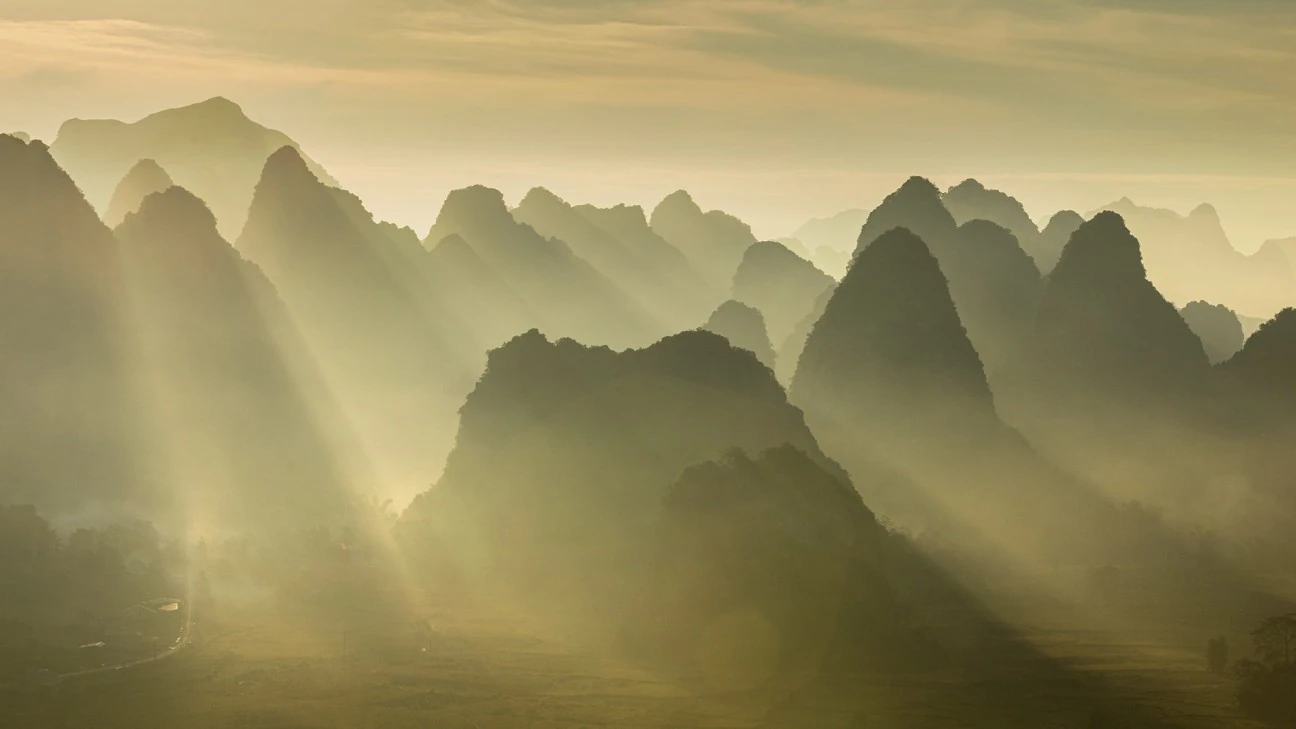
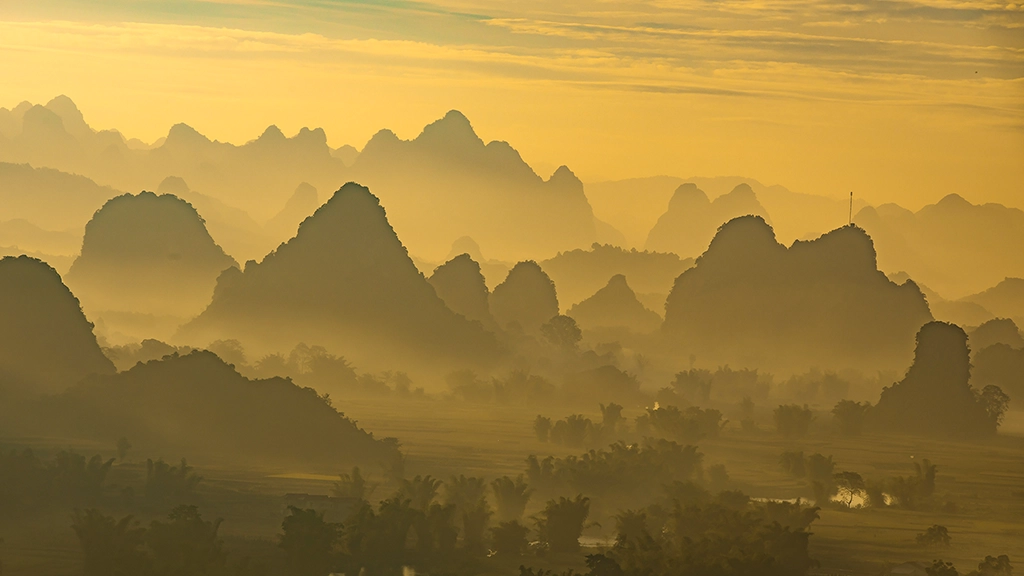
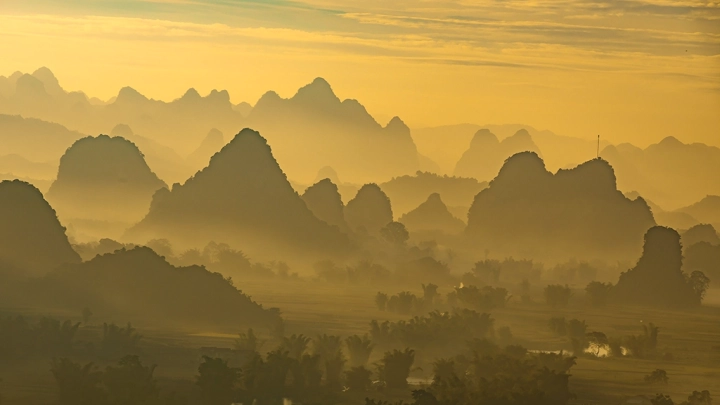
Photographing the Foggy Mountains in Cao Bang is an exercise in embracing atmospheric conditions. The thick fog can act as a natural diffuser, softening harsh light and creating a painterly quality. This is particularly effective for large-scale landscape shots where the fog obscures distant details, emphasizing the layered forms of the mountains and valleys. A wide-angle lens is often your best friend here, allowing you to encompass vast swathes of this dramatic scenery and convey a sense of scale. Pay close attention to the subtle gradations of tone and color that emerge through the mist. The key is not to fight the fog, but to use it as a compositional element.
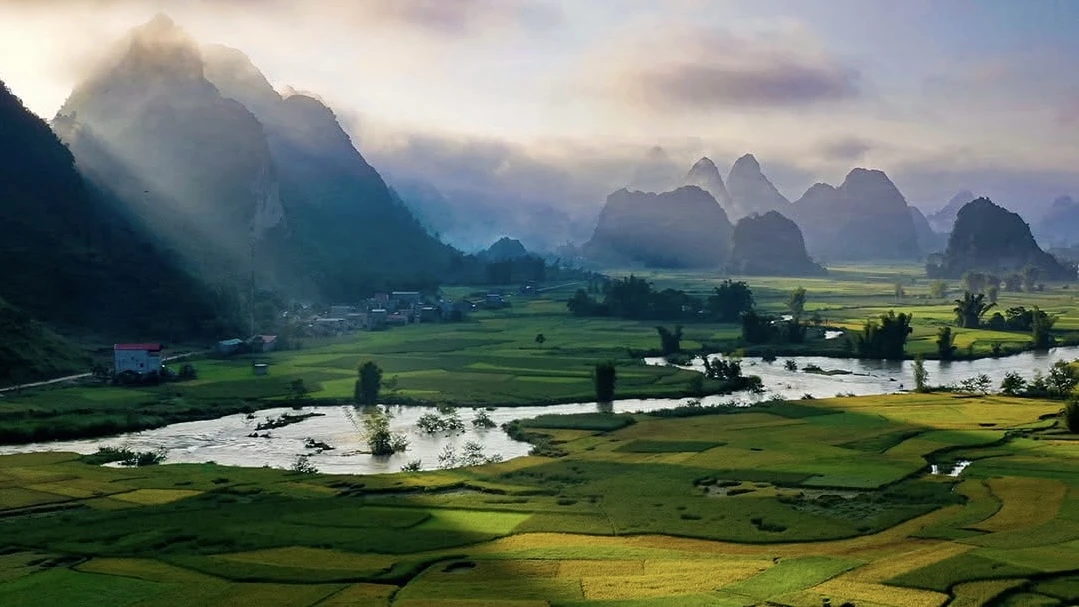
When planning your shots, consider that the fog’s density can vary significantly throughout the day. Early mornings often bring the thickest fog, creating an almost monochromatic scene. As the sun rises, pockets of light can break through, illuminating specific peaks or valleys and adding a magical quality. This is where patience and observation become paramount. Don't be afraid to move around and experiment with different vantage points. Experienced photographers in Vietnam often advocate for finding leading lines – riverbeds, winding roads, or terraced fields – that can guide the viewer's eye through the misty expanse.
Travel photography in this region goes hand-in-hand with the landscape. Look for opportunities to incorporate local life into your scenes. A lone farmer tending to their fields, a small village nestled in a valley, or a winding path trodden by locals can add a narrative layer to your images. The fog can lend a sense of mystery and timelessness to these human elements, making them feel almost like apparitions within the landscape. When working with people, always approach with respect and seek permission before taking close-up portraits, especially in more remote villages.
Compositional Strategies for Misty Vistas
Composition in the Foggy Mountains demands a focus on simplifying the scene. The fog naturally reduces visual clutter, but it can also create a sense of sameness if not handled carefully. Try framing your shots with a clear foreground element, such as a distinct rock formation, a gnarled tree, or a weathered fence post. This provides a point of reference and anchors the viewer in the scene. Negative space becomes incredibly important; the vast expanses of mist can be used to your advantage to create a minimalist aesthetic. Tran Tuan Viet, a renowned Vietnamese photographer, emphasizes the power of silhouette in such conditions. He suggests that often, the most impactful images come from capturing the dark shapes of mountains against a brighter, fog-filled sky, allowing the viewer's imagination to fill in the missing details.
Experiment with different focal lengths. While wide-angles are essential for capturing the grandeur, a telephoto lens can be used to compress the layers of mountains, making them appear closer and more imposing, especially when peeking through the mist. This technique can create a powerful sense of depth and scale that might not be apparent at first glance. The goal is to isolate interesting shapes and forms within the fog. Look for textures revealed by the diffused light, such as the ruggedness of rock faces or the gentle curves of hills.
Exposure Challenges and Solutions
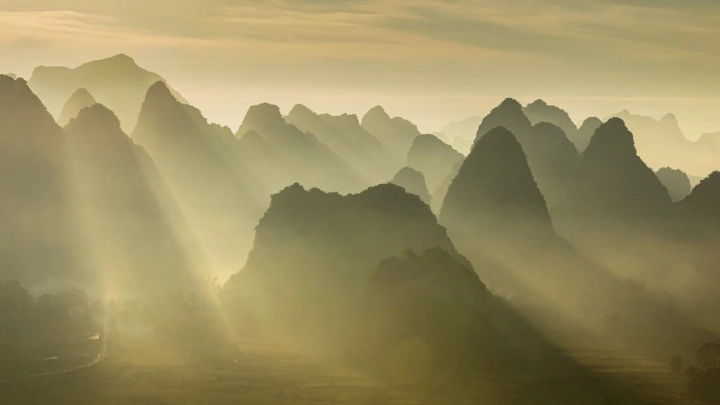
The Foggy Mountains present a unique challenge for exposure due to the narrow dynamic range of misty scenes. The difference between the brightest and darkest parts of your image can be minimal, leading to flat or blown-out photographs if not managed correctly. Shooting in RAW format is absolutely crucial. This gives you the maximum flexibility in post-processing to recover detail in highlights and shadows. Use your histogram as a guide; aim for a balanced exposure, but be prepared to adjust in editing. Sometimes, you might intentionally underexpose slightly to preserve detail in the brighter areas of the fog, which can be recovered later.
Consider using a graduated neutral density (GND) filter. While less common for extreme fog, a soft-edge GND can help balance the exposure if there are brighter areas of sky or illuminated mountain tops that threaten to overexpose. However, often the most effective approach is to embrace the soft light and rely on your camera's metering capabilities, understanding that post-processing will be a significant part of the workflow. Viet’s experience highlights that trying to over-correct a foggy scene can often result in an unnatural look. He recommends a lighter touch in editing, allowing the natural mood of the fog to dominate.
Cao Bang: Drone Photography Perspectives
Drone photography opens up an entirely new dimension for capturing the Foggy Mountains. From above, you can truly appreciate the vastness of the karst formations and how they emerge from the sea of clouds. Flying in fog requires caution; always maintain visual line of sight and be aware of potential moisture affecting your drone. The best time to fly is often when the fog is not excessively dense, allowing for clear views of the peaks and valleys without completely obscuring the landscape.
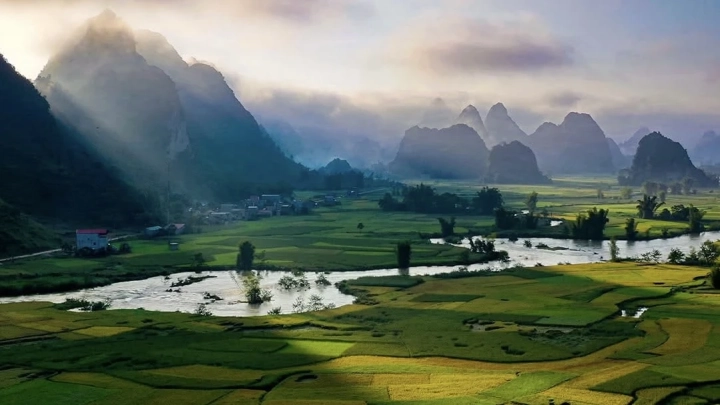
Using a drone, you can achieve breathtaking aerial landscapes that are impossible from the ground. Imagine flying between towering limestone pillars shrouded in mist, or soaring over a valley where only the tips of the mountains are visible. This perspective can create incredibly dramatic and surreal images. According to Tran Tuan Viet, when using a drone, look for patterns and textures that are only visible from above, such as the intricate networks of rivers or the geometric shapes of agricultural land disappearing into the haze. He suggests tilting the camera to a 45-degree angle, rather than straight down, to retain a sense of depth and dimension in your aerial shots.
When composing drone shots, consider how the fog interacts with the land. The way it clings to the mountainsides, fills the valleys, or drifts across the sky creates ever-changing compositions. Look for areas where light is breaking through, creating shafts of illumination that highlight specific features. The drone allows you to isolate these moments of light and shadow with precision. Remember to keep your drone flights relatively short in dense fog to minimize moisture exposure and battery drain.
Best Times and Conditions for Cao Bang's Foggy Mountains
The beauty of Cao Bang's Foggy Mountains is that they can be compelling year-round. However, each season offers a slightly different character. The dry season (roughly October to April) often sees clearer skies and more predictable fog, particularly in the early mornings. This is when you can get those classic, misty valley shots. The rainy season (May to September) brings more humidity and potentially more persistent fog, but also lusher greenery and dramatic thunderstorms that can add incredible atmosphere, especially if captured as the fog begins to lift after a downpour.
The most critical factor is the time of day. Dawn is undoubtedly king. The cool, humid air of the night condenses as the sun begins to warm the earth, creating the thickest, most dramatic fog. This is often when photographers witness the most magical light. However, don't discount late afternoons. As the sun begins to set, it can cast a warm, ethereal glow through thinner patches of fog, creating beautiful soft light. Golden hour and blue hour can be particularly enchanting, with the mist diffusing the soft light and creating a dreamy, pastel palette. Be prepared for fluctuating temperatures; even in warmer months, mountain fog can make it feel cool, so layering clothing is essential.
Ultimately, the Foggy Mountains are a photographer’s playground that rewards flexibility and a willingness to embrace the elements. Whether you’re aiming for sweeping landscapes, intimate travel portraits, or dramatic aerial views, Cao Bang offers endless opportunities. Ready to capture the full potential of the Foggy Mountains? Join our Vietnam Photo Tours to experience this location with expert guidance and master your photography.
More Scenes
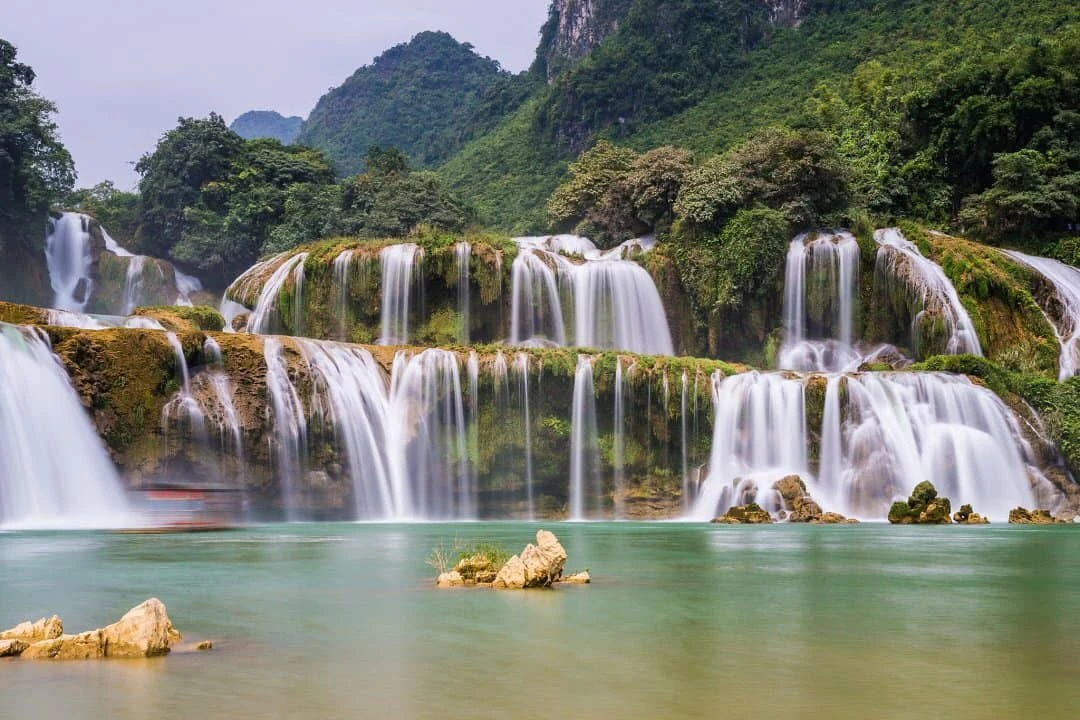
Ban Gioc Waterfall
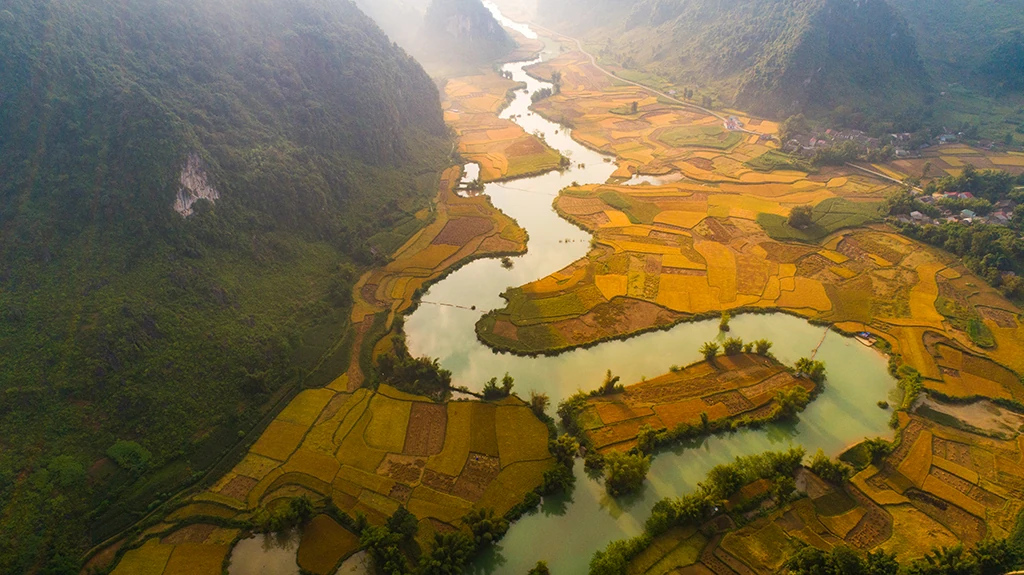
Winding River
Similar Photography Genre
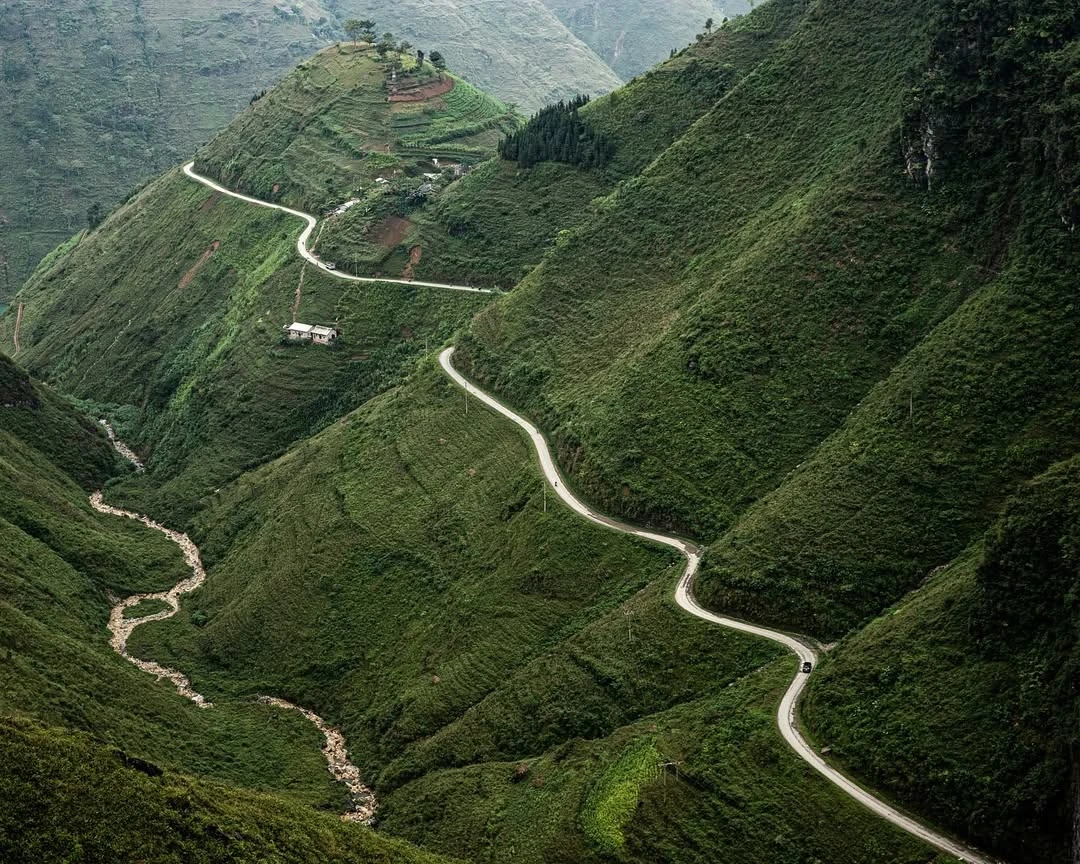
Ma Pi Leng Pass
Winding River