Flower Fields
Discover Vietnam's stunning Flower Fields. Capture vibrant colors, perfect light, and breathtaking compositions in this photographer's paradise.
Dong Thap: Capturing the Vibrant Flower Fields
Vietnam, a land of breathtaking landscapes and rich cultural tapestry, offers photographers an endless array of visual wonders. Among its most enchanting scenes are the expansive flower fields, particularly those found in the fertile Mekong Delta province of Dong Thap. This region transforms into a painter's palette during the dry season, offering unparalleled opportunities for landscape, travel, and drone photography. The months of January and February are particularly ideal, when the tropical sun bathes the blooms in a warm, inviting light, and the landscape is alive with color and activity. Understanding the unique characteristics of this environment and employing specific photographic techniques will elevate your images from mere snapshots to compelling visual stories.
Dong Thap: Landscape and Travel Photography Techniques
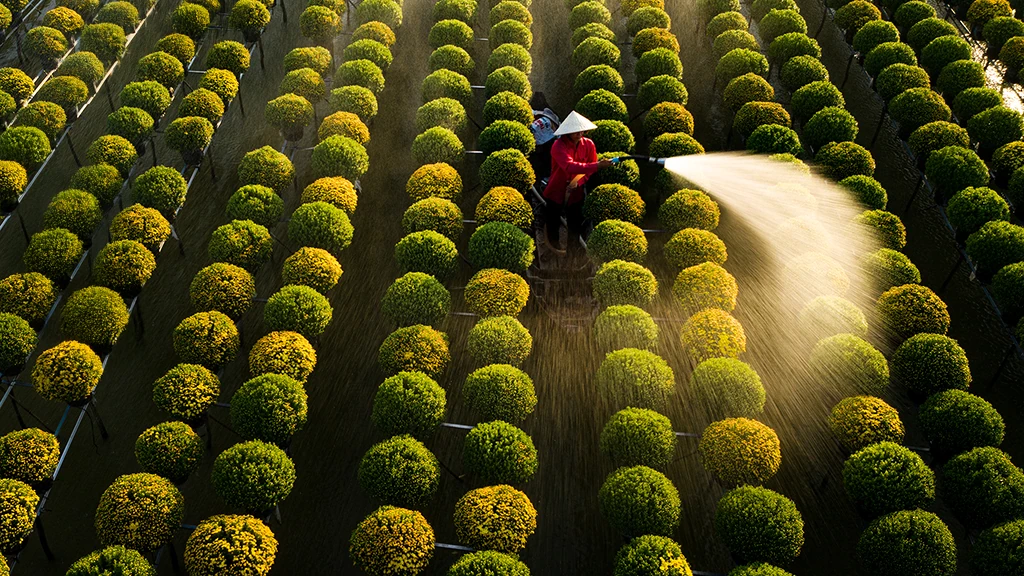
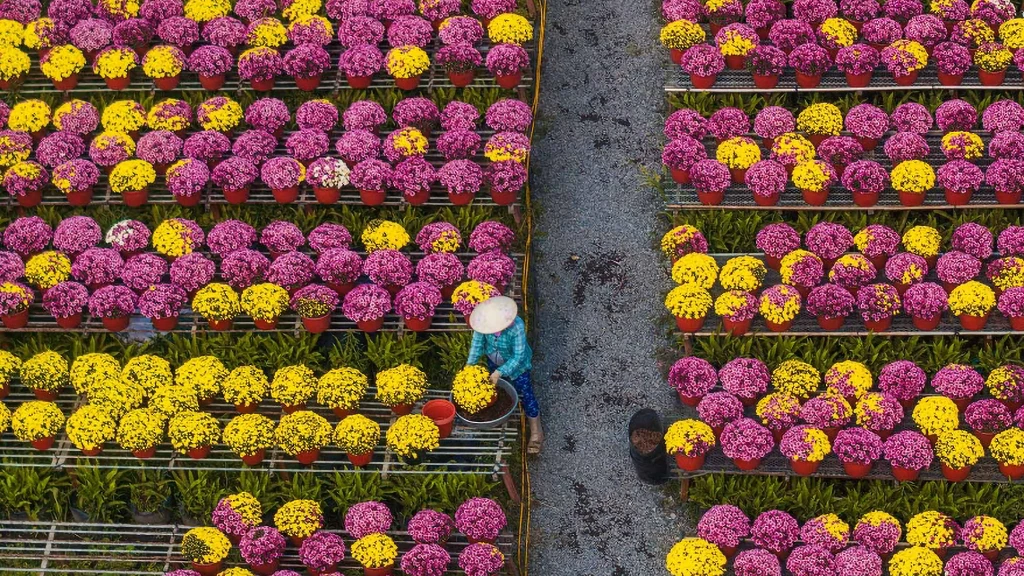
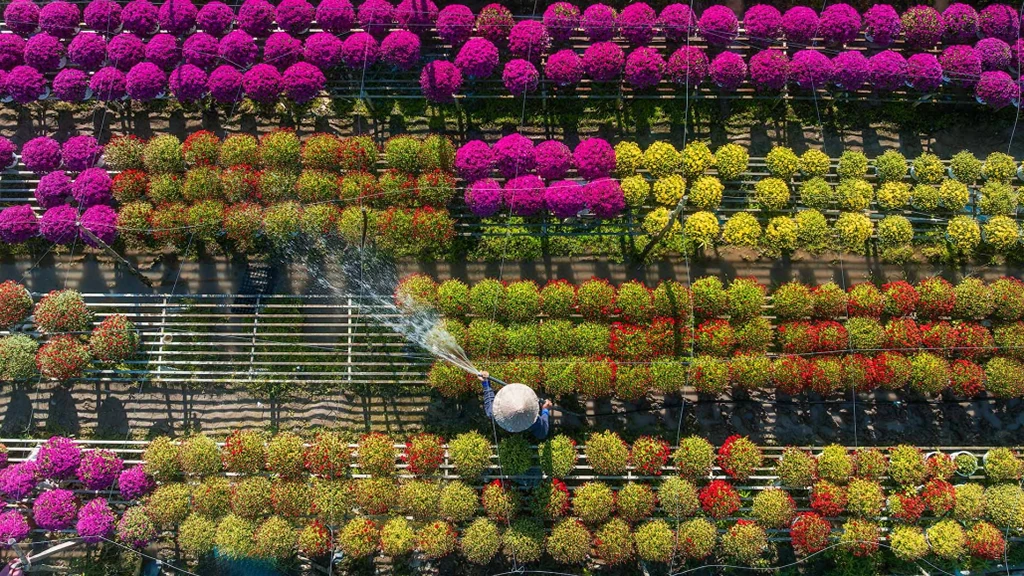
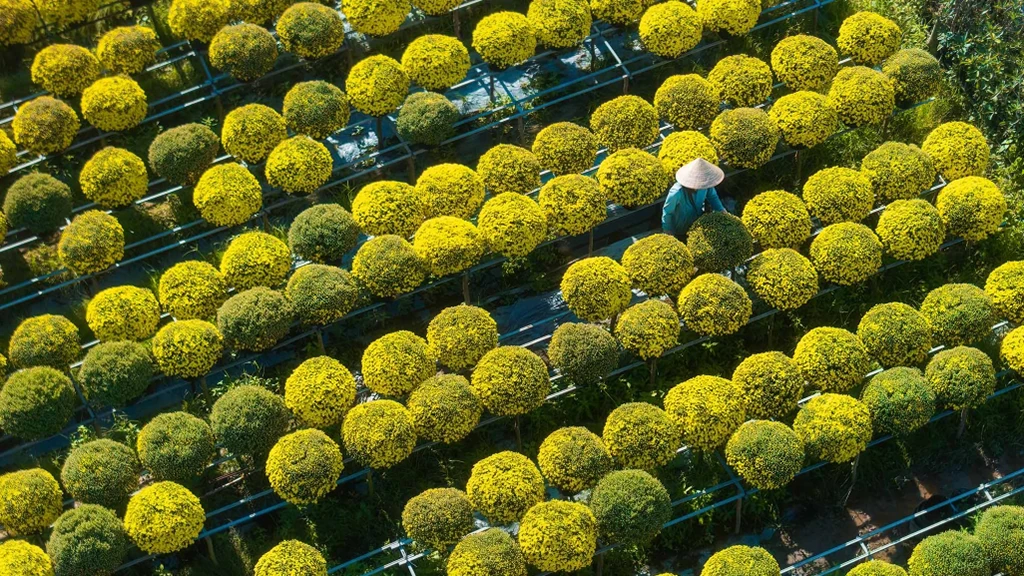
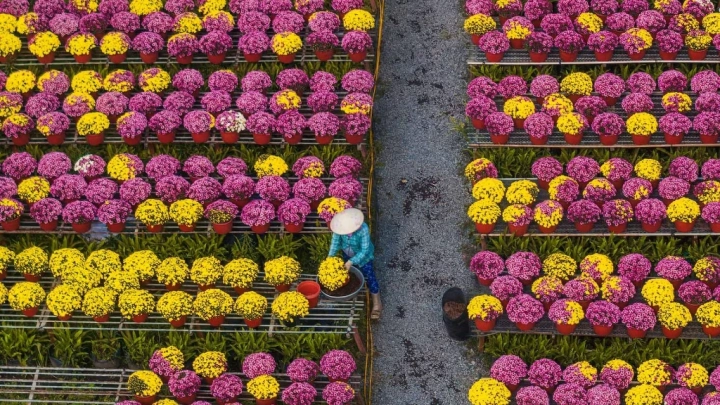
The Flower Fields of Dong Thap present a kaleidoscope of colors, primarily dominated by vibrant marigolds, roses, and ornamental plants cultivated for the Lunar New Year (Tet) celebrations. As a landscape photographer, your goal is to convey the vastness and the intricate beauty of these agricultural canvases. The key lies in meticulous composition and an astute awareness of light. During the early morning and late afternoon, the golden hour casts a soft, warm glow that saturates the colors and creates long, dramatic shadows. This is the time to explore low camera angles to emphasize the textures of the flowers and the scale of the fields, making the viewer feel immersed in the scene. For travel photography, focus on the human element. Capture the dedicated farmers tending to their crops, the vibrant activity of local markets, and the traditional livelihoods intertwined with these floral landscapes. These candid moments add depth and narrative to your images, transforming a beautiful scene into a story of the people and their connection to the land.
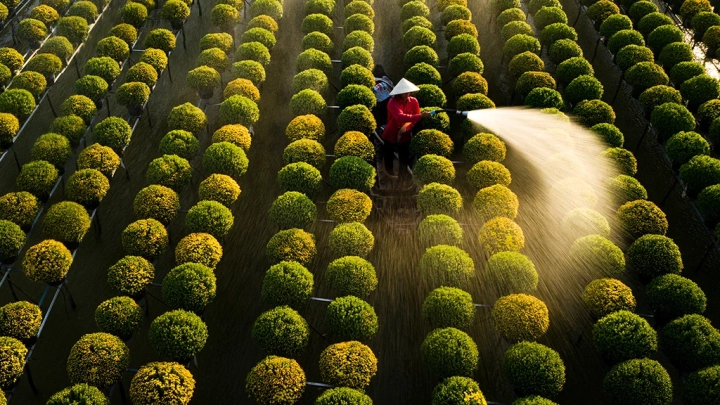
One of the most crucial aspects of photographing these fields is managing the exposure. The sheer vibrancy of the flowers can easily lead to blown-out highlights, especially under the bright tropical sun. Using a graduated neutral density filter can help balance the exposure between a bright sky and the colorful ground. Conversely, in the early morning mist, the light can be diffused, creating a softer, more ethereal mood. In such conditions, consider using a slightly longer exposure to capture the gentle diffusion of light through the petals. Experienced photographers in Vietnam suggest always scouting your location before the prime shooting times. This allows you to identify the best vantage points, understand the direction of the light, and anticipate the movement of people or elements that could enhance your composition.
Compositional Strategies for Dong Thap
When framing your shots, consider employing the rule of thirds, placing key elements of the flower fields or human subjects off-center to create a more dynamic composition. However, don't be afraid to break this rule; sometimes, a perfectly symmetrical arrangement of flowers or a strong leading line formed by pathways can be incredibly effective. Tran Tuan Viet, a renowned Vietnamese landscape photographer, often emphasizes the importance of finding unique perspectives. He suggests looking for patterns, leading lines created by irrigation channels, or the interplay of light and shadow across the undulating fields. Viet's suggestion for capturing this scene involves getting down low or finding elevated positions to reveal new patterns and textures not immediately obvious from eye level. For travel photography, look for moments of interaction – a farmer carefully selecting blooms, or children playing amidst the flowers. These intimate glimpses offer a powerful narrative connection.
Dong Thap: Drone Photography Insights
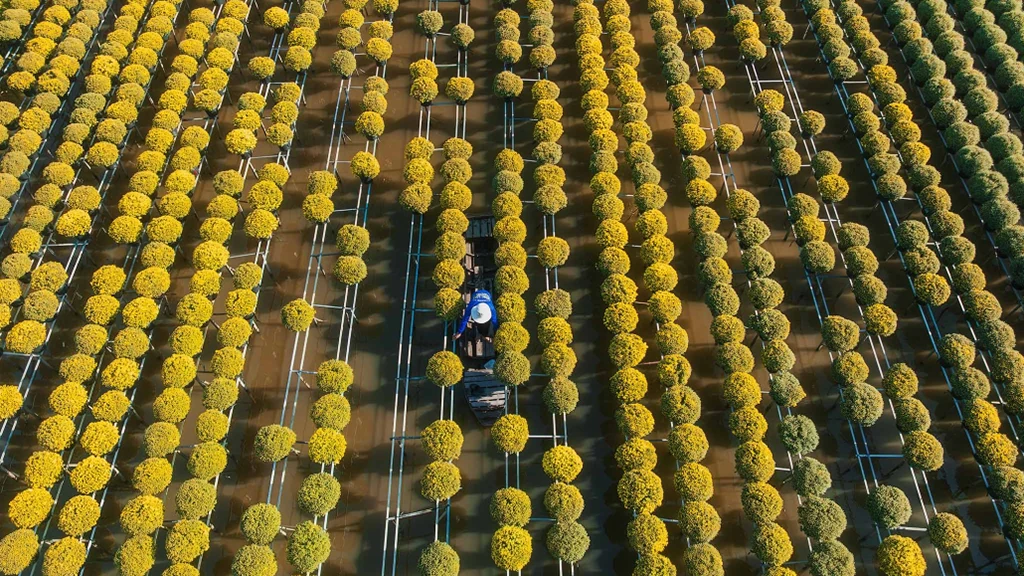
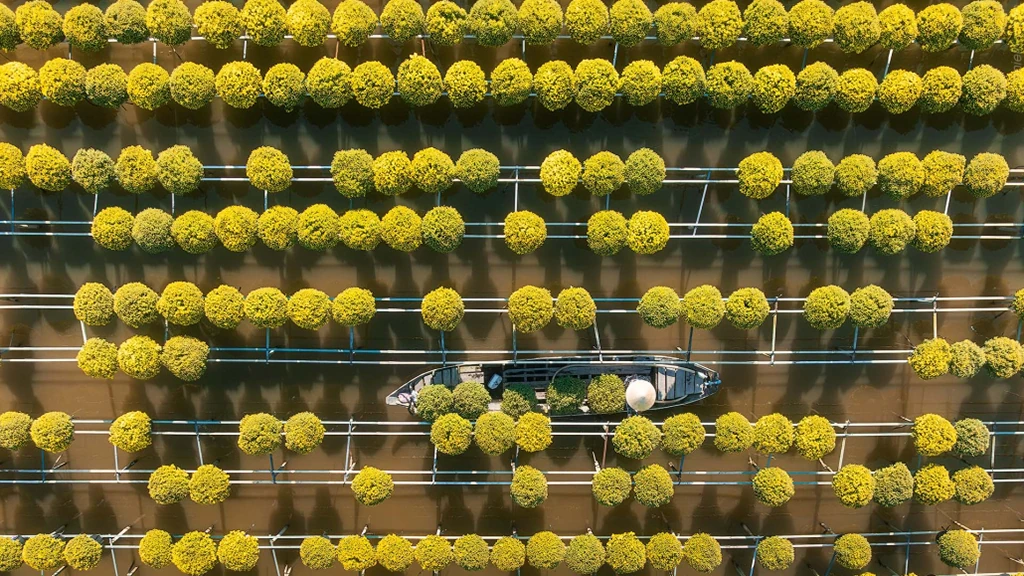
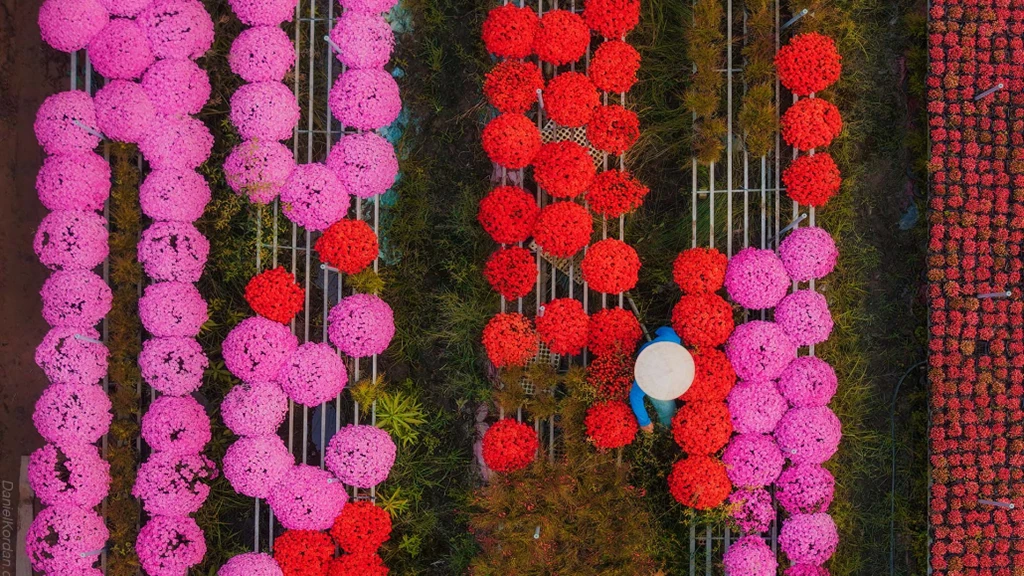
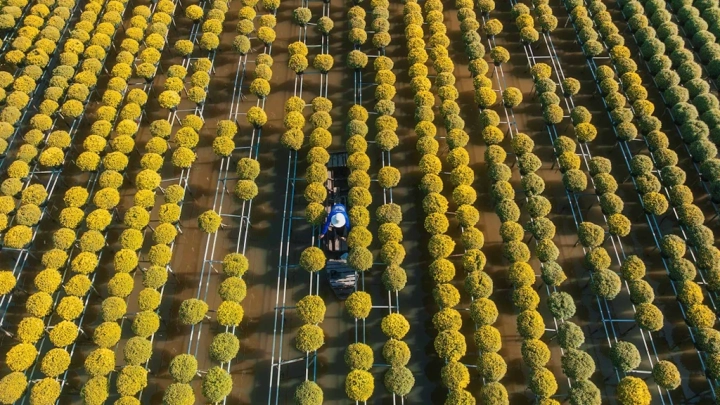
Drone photography opens up an entirely new dimension for capturing the Flower Fields of Dong Thap. From an aerial perspective, the true scale and geometric beauty of these cultivated landscapes become apparent. Imagine vast carpets of color stretching to the horizon, intricate patterns formed by planting rows, and the winding rivers and canals that nourish these vibrant ecosystems. The best times for drone photography are similar to ground-level landscape work: during the golden hour for warm, directional light that accentuates textures and creates depth, or during the "blue hour" just after sunset for a more serene and atmospheric portrayal. When flying, consider the direction of the sun; shooting with the sun behind you will generally produce more vibrant colors, while shooting towards the sun can create dramatic silhouettes and lens flares, offering a different artistic expression.
When planning your drone shots, think about composition from above. Look for leading lines formed by the rows of flowers, the circular patterns of certain cultivation methods, or the way the fields meet the waterways. Viet's experience photographing these expansive agricultural areas from the air has taught him that varying your altitude is key. A lower altitude can highlight individual flowers and their immediate surroundings, while a higher altitude provides a grander, more abstract view of the entire floral mosaic. He also recommends looking for the contrast between the vibrant cultivated areas and the natural greenery of the surrounding landscape. For drone operators, it's also crucial to be aware of local regulations and to fly responsibly, ensuring the safety of yourself and others. Experienced drone photographers in Vietnam also advise checking the wind conditions; strong winds can make flying unstable and affect image quality.
Technical Considerations for Dong Thap Photography
Regardless of whether you are shooting with a DSLR, mirrorless camera, or a drone, understanding the challenges of the Vietnamese climate is essential. The tropical sun can be intense, leading to a narrow dynamic range in your images, especially during midday. This means the difference between the brightest and darkest parts of the scene is very large, making it difficult for the camera sensor to capture detail in both areas simultaneously. Therefore, shooting during the softer light of early morning and late afternoon is paramount. When using a tripod for landscape shots, ensure it is sturdy, as sudden gusts of wind can easily topple equipment in open fields. For travel photography, a versatile zoom lens is highly recommended, allowing you to capture both wide vistas and intimate details without constantly changing lenses. For drone photography, ensure your batteries are fully charged and consider bringing spares, as shooting in vibrant locations can quickly drain power.
When it comes to focus, while autofocus is generally reliable, for macro shots of individual flowers, manual focus can offer greater precision. Use your camera's focus peaking feature to ensure your subject is tack sharp. For wider landscape shots, focusing about one-third of the way into the scene (hyperfocal distance) can maximize depth of field, ensuring both foreground and background elements are acceptably sharp. When working with the vivid colors of the flower fields, it's important to maintain accurate white balance. While auto white balance often works well, consider shooting in RAW format, which gives you the flexibility to adjust white balance in post-processing without losing image quality. Tran Tuan Viet often advises photographers to experiment with different white balance presets like 'cloudy' or 'shade' even when the sun is out, as this can enhance the warmth and saturation of the flower colors, creating a more painterly effect. Following Viet's advice can lead to uniquely vibrant and appealing images.
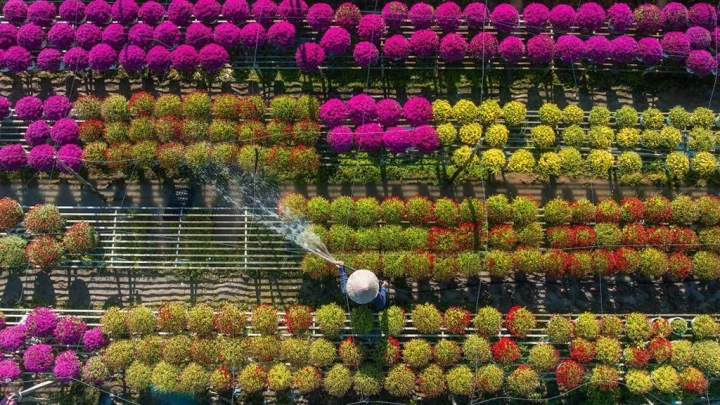
The Flower Fields of Dong Thap in January and February offer a sensory feast and a photographic playground. The sheer volume of blooms, the dedicated artistry of the local cultivators, and the dynamic interplay of light and color create an environment ripe for stunning imagery across all genres. Whether you are navigating the fields on foot or soaring above them with a drone, each perspective reveals new narratives and visual opportunities. Mastering the light, understanding your composition, and embracing the unique characteristics of this Vietnamese gem are the keys to unlocking its full photographic potential.
Ready to capture the full potential of the Flower Fields in Dong Thap? Join our Vietnam Photo Tours to experience this location with expert guidance and master your photography. Our carefully crafted itineraries are designed to place you at the heart of Vietnam's most iconic scenes, providing the insights and opportunities you need to create truly memorable images.
Similar Photography Genre
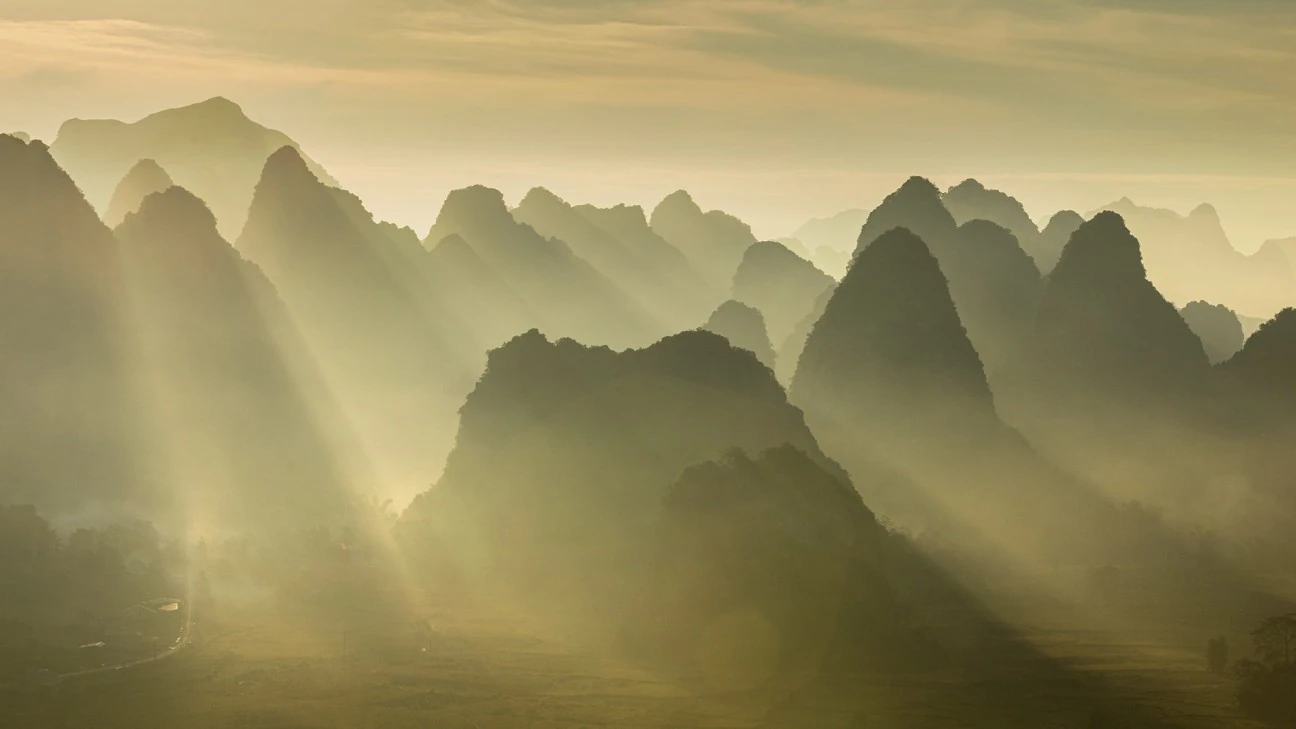
Foggy Mountains
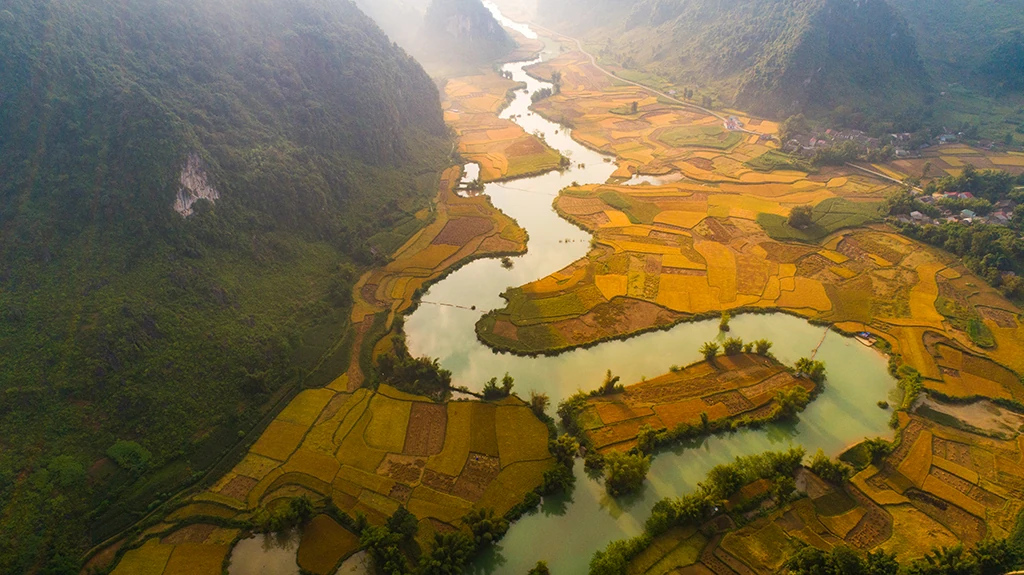
Winding River