Floating Flower Lanterns
Photograph Vietnam's Floating Flower Lanterns. Capture magical light & vibrant colors. Perfect for unique composition and breathtaking night shots. (159 chars)
Mastering the Floating Flower Lanterns in Hue, Vietnam
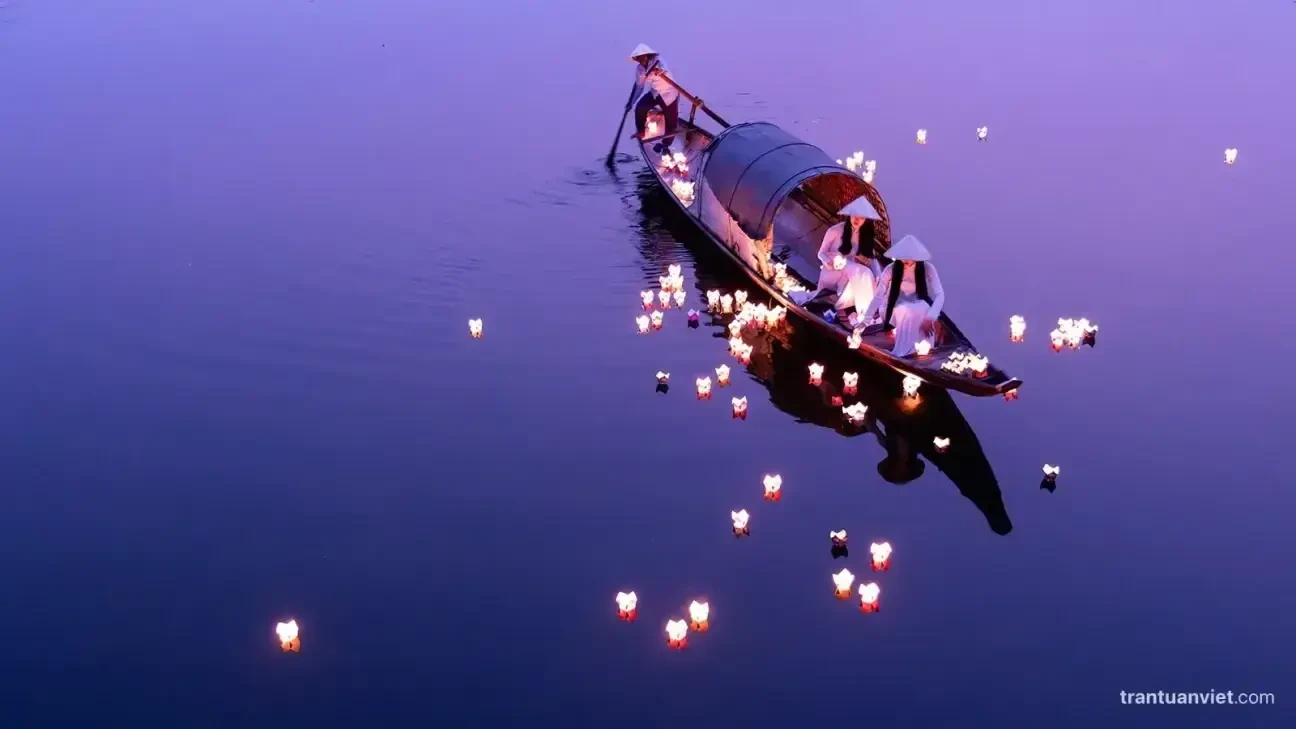
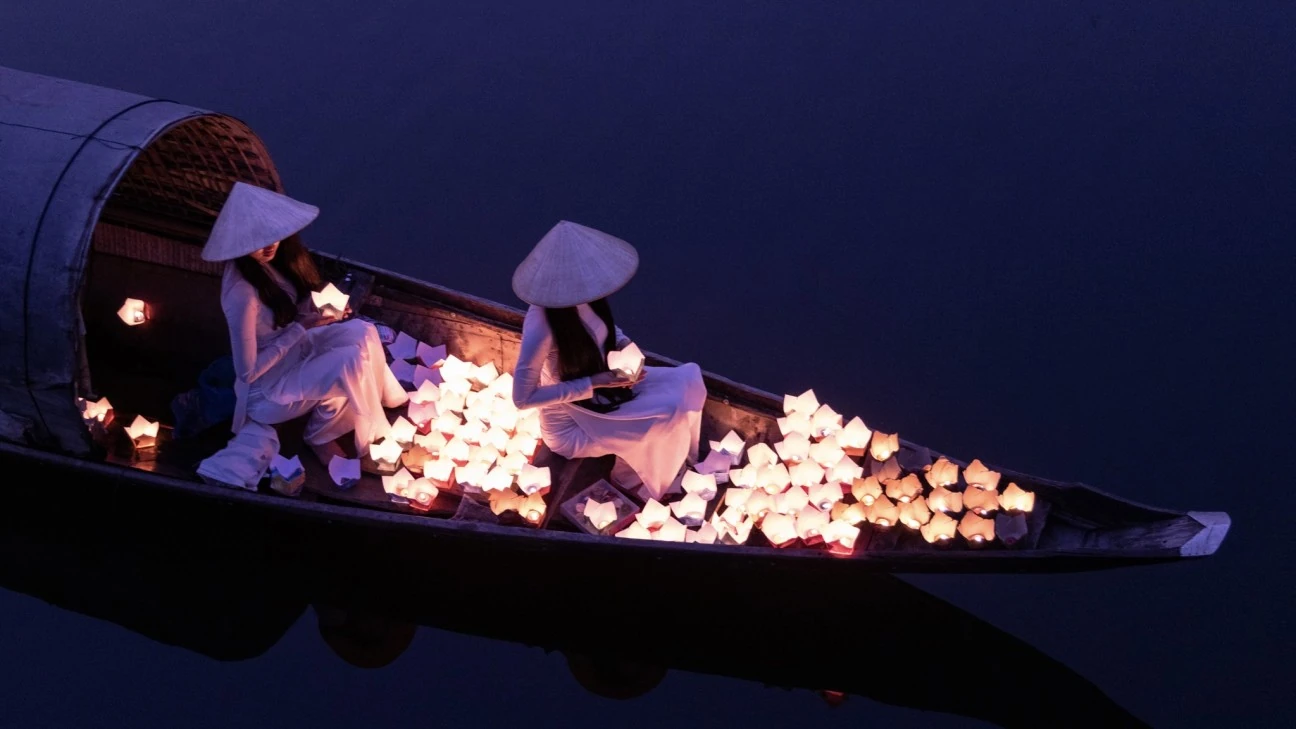
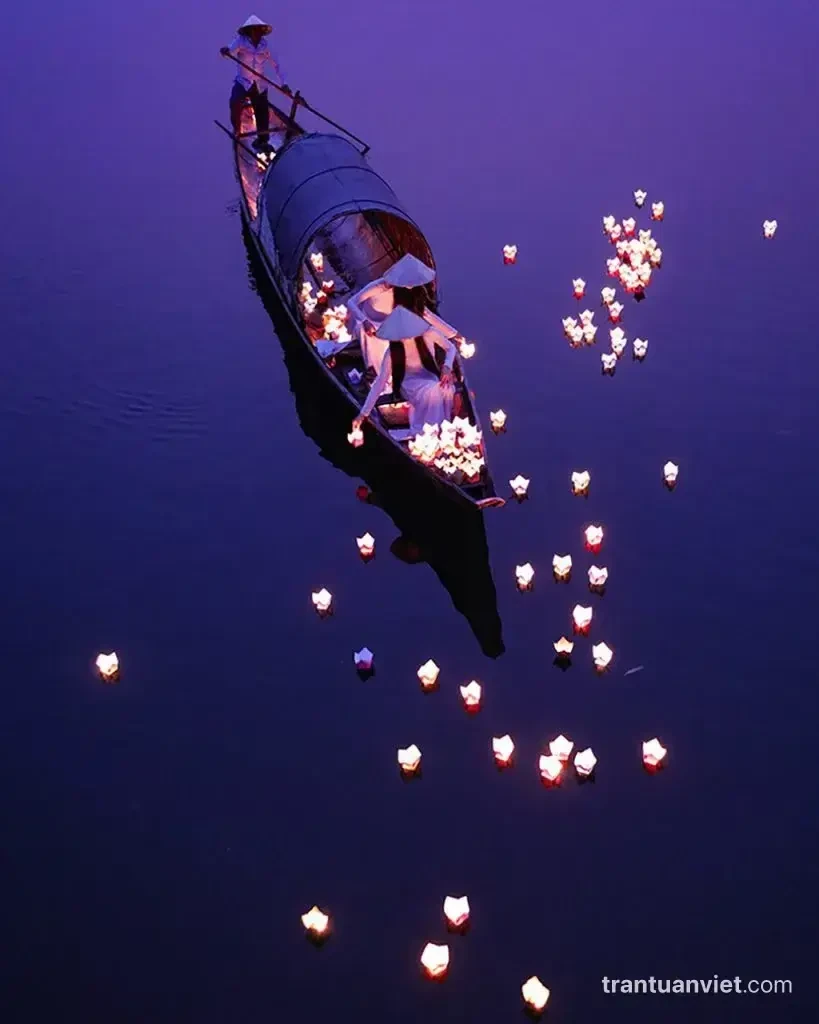
The city of Hue, Vietnam's former imperial capital, offers a unique and deeply evocative photographic experience, especially when it comes to capturing the ethereal beauty of Floating Flower Lanterns. This scene blends ancient tradition with the tranquil flow of the Perfume River, creating a visual narrative that speaks volumes about Vietnamese culture and spirituality. Whether you're a seasoned professional or an enthusiastic travel photographer, understanding the nuances of this subject will elevate your images from mere snapshots to compelling visual stories. The good news for photographers is that the opportunities to capture Floating Flower Lanterns are available year-round, offering consistent access to this captivating spectacle.
The genre of photography here spans across culture, travel, and nightscape, with a significant potential for conceptual work. The very act of releasing these lanterns is a deeply personal and communal ritual, often associated with prayers for good health, prosperity, and remembrance of ancestors. Photographing this requires not just technical proficiency but also sensitivity and respect for the cultural context. Experienced photographers in Vietnam suggest that the best approach is to anticipate moments of quiet contemplation rather than simply aiming for large crowds.
Photography Techniques for the Perfume River
Capturing the Floating Flower Lanterns at night is a quintessential Hue experience. The primary challenge lies in the low-light conditions and the delicate interplay between the artificial light of the lanterns and the ambient darkness of the river. To achieve sharp images of the lanterns themselves while retaining the atmospheric mood, a sturdy tripod is absolutely essential. Without one, handheld shots will invariably suffer from motion blur, especially at the slower shutter speeds required.
When setting your camera, aim for a balance. A common starting point is an aperture of f/8 or f/11 to ensure adequate depth of field, capturing both the lanterns and the river’s surface with reasonable sharpness. Shutter speeds will vary significantly based on the amount of light available, but expect to be in the range of 1 to 15 seconds. This is where the tripod truly earns its keep. As for ISO, try to keep it as low as possible, ideally between 100 and 400, to minimize noise, which can degrade image quality, especially in the darker areas of the frame.
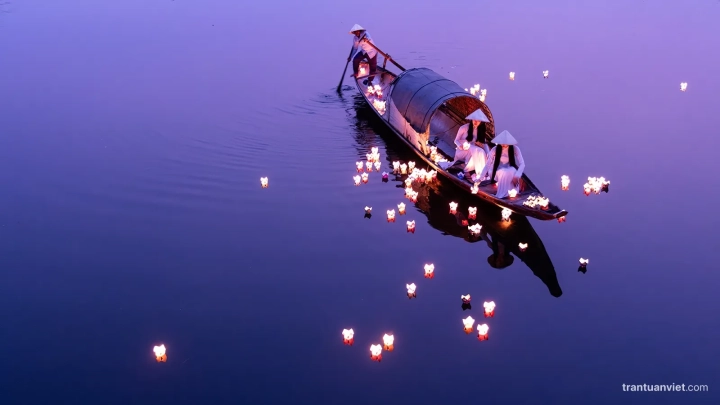
Compositional Approaches for Floating Flower Lanterns
Composition is key to transforming a potentially cluttered scene into an artistic statement. Consider shooting from the riverbanks, allowing the water to act as a mirror, doubling the visual impact of the lanterns. Using a wide-angle lens can effectively capture the vastness of the river and the scattering of lanterns, emphasizing the scale of the event. Alternatively, a telephoto lens can isolate individual lanterns, creating intimate portraits of these ephemeral lights and highlighting the intricate details of their construction.
Tran Tuan Viet suggests that looking for leading lines is a critical element. The curves of the river, the silhouettes of sampans, or even the subtle reflections can guide the viewer's eye through the frame. Don't be afraid to experiment with different camera angles. Shooting from a slightly lower vantage point can make the lanterns appear to float directly towards the viewer, while a higher perspective might reveal patterns in their arrangement. The goal is to tell a story, and composition is your primary tool for doing so.
Many photographers find that focusing on the reflections in the water adds a magical dimension. This requires careful attention to focus. Viet recommends using manual focus when shooting at night, setting it to infinity or a point that captures the lanterns and their reflections sharply. Autofocus can sometimes struggle in low light, hunting back and forth and missing the perfect moment.
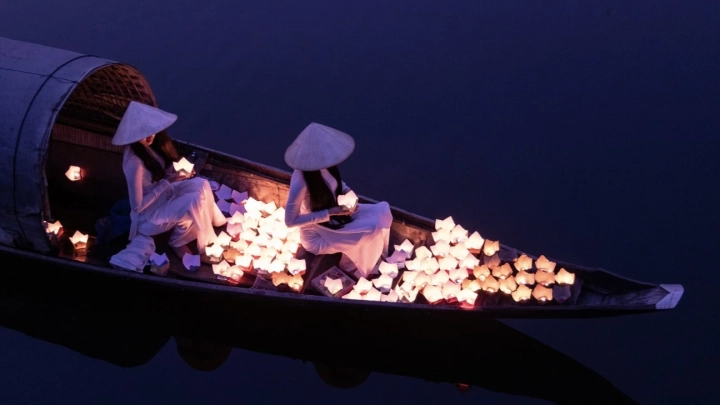
Conceptual Photography with Hue's Lanterns
Beyond documentary and travel photography, Floating Flower Lanterns offer rich ground for conceptual explorations. This is where you can imbue your images with personal meaning or evoke specific emotions. The act of releasing a lantern can symbolize hope, remembrance, or a wish. Your photography can amplify these themes.
Viet's experience photographing Vietnam has taught him that the most compelling conceptual images often arise from a deep understanding of the subject's emotional resonance. Consider using techniques like long exposure not just for technical purposes, but to visually represent the passage of time or the lingering nature of wishes. You might capture the trails of light as lanterns drift away, symbolizing dreams or memories fading into the distance. This requires careful planning and an eye for the ephemeral.
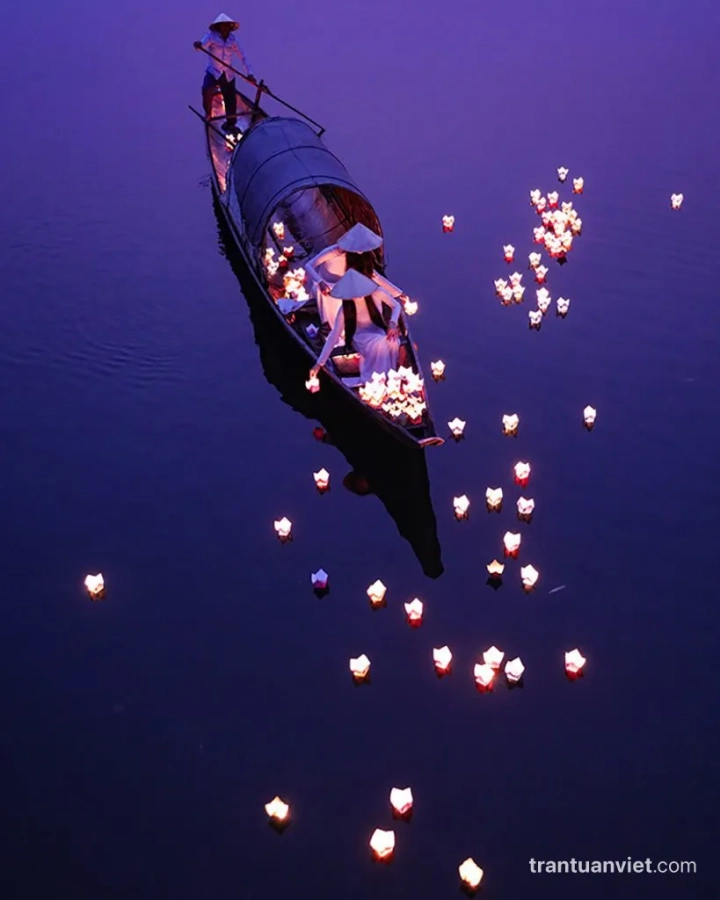
Working with Challenging Light
The dynamic range of a night scene with bright lanterns and dark water can be a significant challenge for camera sensors. Most cameras have a narrow dynamic range, meaning they struggle to capture detail in both the brightest highlights and the darkest shadows simultaneously. To combat this, consider using techniques such as exposure bracketing and later merging the images in post-processing to create an HDR (High Dynamic Range) photograph. This allows you to retain detail in both the glowing lanterns and the deep, inky water.
Another valuable technique, according to experienced photographers in Vietnam, is to pay close attention to the color temperature of the light. The warm glow of the lanterns often contrasts beautifully with the cool tones of the night sky or the ambient city lights. Adjusting your white balance accordingly can either enhance this contrast or create a more harmonious, unified mood. Experimentation is key; don't be afraid to stray from the auto settings to achieve a specific aesthetic.
Best Times and Conditions
While Floating Flower Lanterns can be photographed year-round, the atmospheric conditions can subtly alter the mood and visual appeal. During the cooler months, the air is often clearer, leading to crisper reflections. The warmer months might bring a touch of mist or fog, adding a dreamy, softer quality to the images. Festivals, particularly around Tet (Vietnamese New Year) or the Hue Festival, can see a significantly larger number of lanterns, creating a more dramatic and vibrant scene. However, these periods can also be more crowded, demanding greater patience and strategic positioning.
The best time of day, of course, is after sunset and into the early hours of the night. The transition from twilight to full darkness, often referred to as the blue hour, offers a beautiful gradient of light that can complement the warm lantern glow. This is a prime time to capture the initial release of lanterns as they begin their journey down the river. For photographers looking to fully immerse themselves in this experience and gain the most from these unique locations, joining a guided tour is invaluable. Vietnam Photo Tours offers expertly curated trips that provide not only access to prime shooting locations but also hands-on guidance to help you master techniques specific to these captivating Vietnamese scenes.
Ready to capture the full potential of Floating Flower Lanterns? Join our Vietnam Photo Tours to experience this location with expert guidance and master your photography.
More Scenes
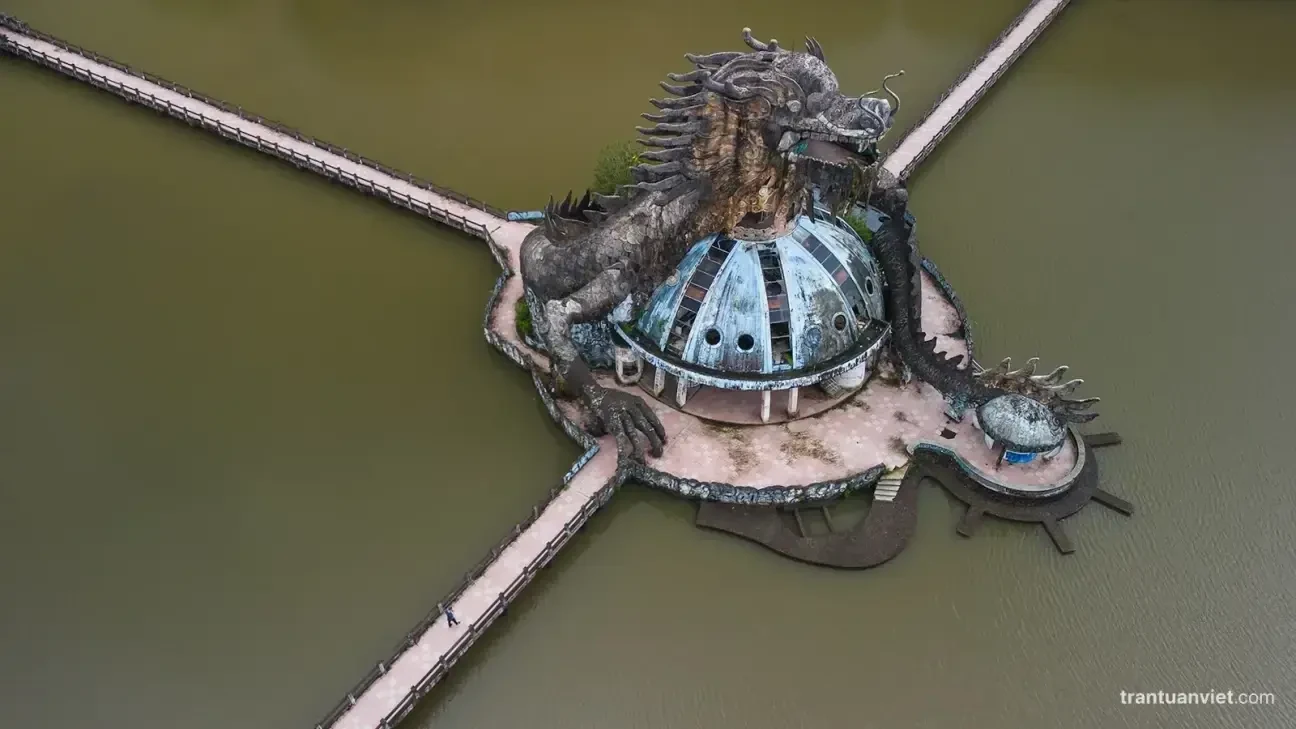
Abandoned Park
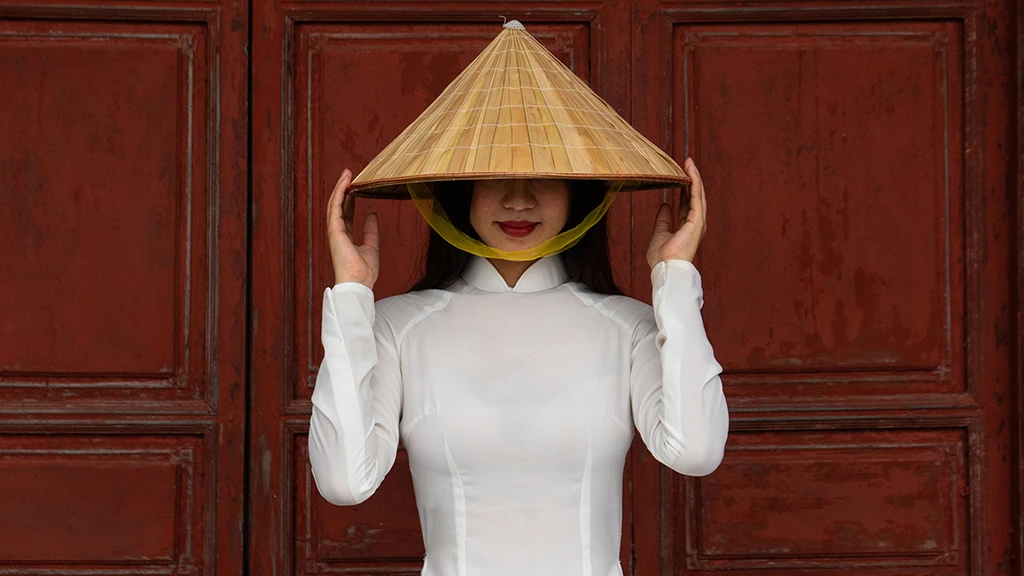
Ao Dai Model
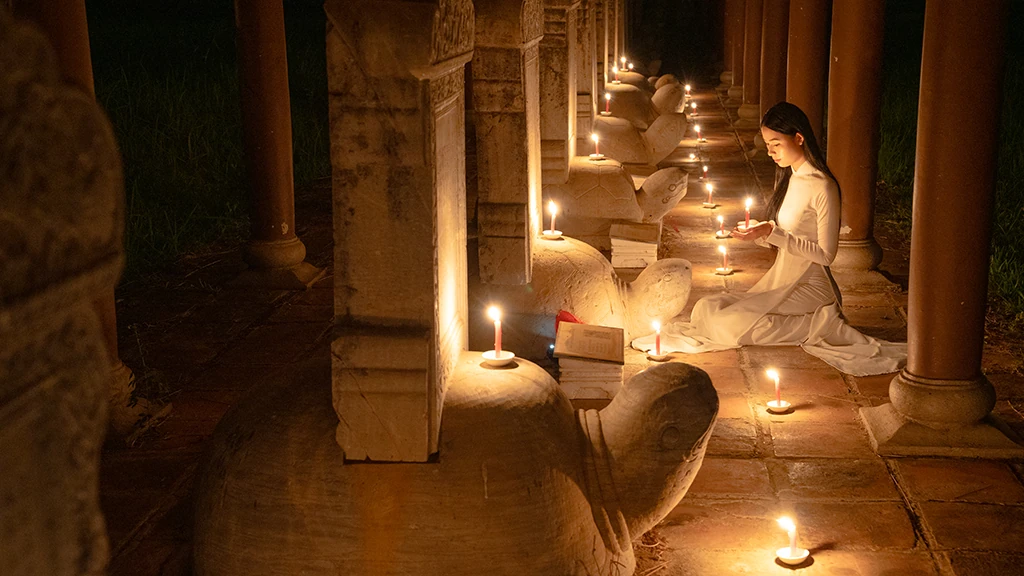
Candle Prayer