Fish Sauce
Capture Vietnam Fish Sauce: unique light, textures, and human stories. Perfect for documentary and street photographers seeking authentic local life.
Binh Thuan: Capturing the Essence of Fish Sauce Production
Binh Thuan province, a sun-drenched coastal region in Vietnam, offers a unique and visually rich subject for photographers: the production of fish sauce. Far from being just a condiment, the process of transforming fresh anchovies into this savory staple is a vibrant cultural tableau, steeped in tradition and offering a fascinating study in light, texture, and human endeavor. This scene is accessible year-round, presenting consistent opportunities for compelling imagery, though the intensity of the sun and the specific stages of production can influence the best times of day for shooting.
The visual appeal of Fish Sauce production in Binh Thuan lies in its raw authenticity. Photographers are presented with opportunities to document the entire lifecycle, from the bustling activity of fishermen unloading their catch to the meticulous layering and fermentation within the vast vats. The salt-caked surfaces, the shimmering scales of fresh fish, and the deep amber hues of the aging sauce all contribute to a palette that is both earthy and evocative. Experienced photographers in Vietnam emphasize the importance of understanding the local rhythms; for instance, the early morning hours are crucial for capturing the energy of the fishing boats returning to shore, a moment of intense activity and vibrant color.
Binh Thuan: Understanding the Light and Environment
The harsh tropical sun of Binh Thuan presents both challenges and opportunities. Midday sun can be unforgiving, leading to blown-out highlights and a narrow dynamic range. However, this intensity also creates stark shadows and highlights that can be used dramatically to define forms and textures. Photographers looking to capture the raw essence of Fish Sauce production often find themselves working with direct, strong light. Tran Tuan Viet suggests that embracing this direct light can be incredibly effective for highlighting the textures of drying salt and the weathered surfaces of the fermentation tanks. He notes that during brighter periods, adjusting your exposure compensation to slightly underexpose can preserve the vital details in the highlights, allowing for recovery in post-production.
The smell of fish sauce production is pervasive and potent. While not directly a photographic concern, being prepared for this strong aroma is part of the immersive experience. It’s a sensory cue that grounds the photographer in the reality of the location. The air is often thick with salt and the tang of fermentation, especially on windless days. This atmospheric quality can sometimes be captured visually, particularly when shooting towards the sun, where haze can create a beautiful diffusion of light.
Compositional Strategies for Fish Sauce
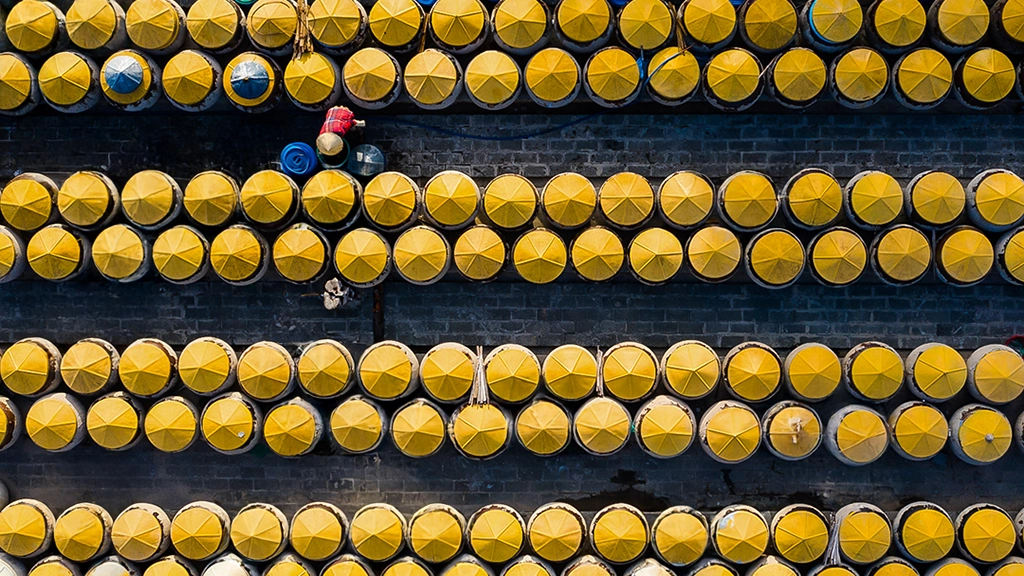
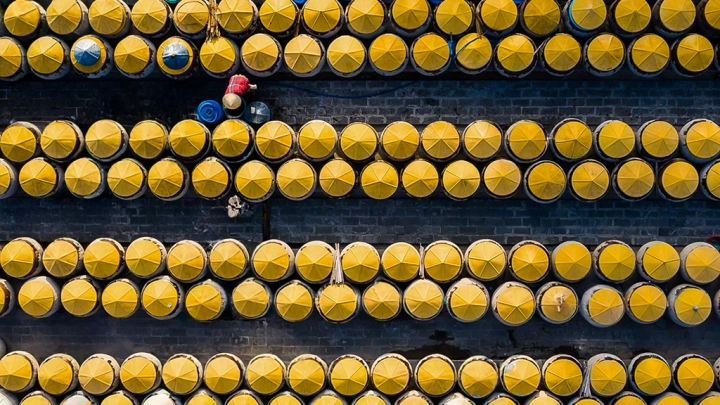
When framing your shots of Fish Sauce production, consider the interplay of elements. Look for repetitive patterns in the stacking of fish, the rows of fermentation vats, or the lines of workers engaged in the process. Leading lines, formed by pathways, canals, or the arrangement of vats, can draw the viewer's eye into the scene. Viet's suggestion for capturing the scale of this operation often involves using a wider lens to encompass the vastness of the production areas, juxtaposing the man-made structures with the natural elements of the sea and sky. Don't shy away from close-ups; the intricate details of salt crystals, the textures of wooden vats, and the expressions of the workers are all equally compelling.
The process itself provides a narrative arc that can be explored through a series of images. Begin with the arrival of the raw materials, move through the stages of salting and fermentation, and perhaps conclude with the bottling or packaging. This documentary approach, a core element of cultural photography, allows for a deeper understanding of the craft. Viet recommends looking for moments of human interaction: workers collaborating, the careful monitoring of the fermentation, or the simple act of tasting. These candid moments often convey the soul of the story more powerfully than any staged shot.
Drone Photography Opportunities in Binh Thuan
For those equipped with a drone, Fish Sauce production in Binh Thuan offers a spectacular aerial perspective. The large-scale layout of the production facilities, often sprawling along the coastline, becomes evident from above. The geometric patterns of the fermentation pools, the textures of the salt fields, and the vibrant blues of the ocean contrasting with the earthy tones of the production sites create stunning abstract compositions. From an aerial viewpoint, the sheer scale of the operation is breathtaking. A skilled drone pilot can capture the flow of water channels, the movement of workers as tiny figures against the vast landscape, and the overall industrial aesthetic that develops.
When using a drone, consider the time of day for the best light. Early morning or late afternoon, the golden hour, can cast long shadows that accentuate the topography of the salt pans and production areas, adding depth and drama. The diffused light of overcast days can also be beneficial, providing an even exposure across large areas and minimizing harsh shadows, which is ideal for capturing intricate details in the vats and machinery. Experienced drone photographers often advise flying at different altitudes and angles to explore the full visual potential. Tran Tuan Viet emphasizes that combining ground-level cultural shots with aerial perspectives provides a comprehensive and impactful photographic narrative of the Fish Sauce industry. He notes that the drone allows you to see the landscape in a way that is impossible from the ground, revealing patterns and connections that enrich the story.
Technical Considerations for Fish Sauce Photography
When photographing the Fish Sauce process, be prepared for varying light conditions and potentially damp environments. A versatile lens, such as a 24-70mm zoom, is often recommended for its ability to capture both wider scenes and tighter details. For drone photography, a wider focal length is generally preferred to showcase the expansive nature of the facilities. Pay attention to white balance, as the natural light and the colors of the fish and salt can vary significantly. Shooting in RAW format is essential to allow for maximum flexibility in post-processing, especially when dealing with the challenges of high contrast lighting or the subtle amber tones of the aging sauce. Protecting your gear from salt spray and humidity is paramount. Camera covers and careful handling are necessary precautions.
The sheer volume of salt can create a bright, almost overwhelming scene. Using a polarizing filter can help to cut through glare on wet surfaces and deepen the blues of the sky, enhancing the contrast. When focusing on textures, utilize a shallow depth of field to isolate subjects and create a pleasing bokeh in the background. For capturing the action of workers, a faster shutter speed is crucial to freeze movement; consider experimenting with motion blur to convey a sense of activity and dynamism, but be mindful of the subject's movement. The ambient noise levels at a production site can also be a factor, so ensure your camera settings are adjusted accordingly. Understanding the natural light and how it interacts with the environment is key; as Viet reminds us, patience and observation are the photographer's most valuable tools.
Ready to capture the full potential of Fish Sauce production in Binh Thuan? Join our Vietnam Photo Tours to experience this location with expert guidance and master your photography, learning techniques that bring these vibrant cultural scenes to life.
More Scenes
Boat Harbor
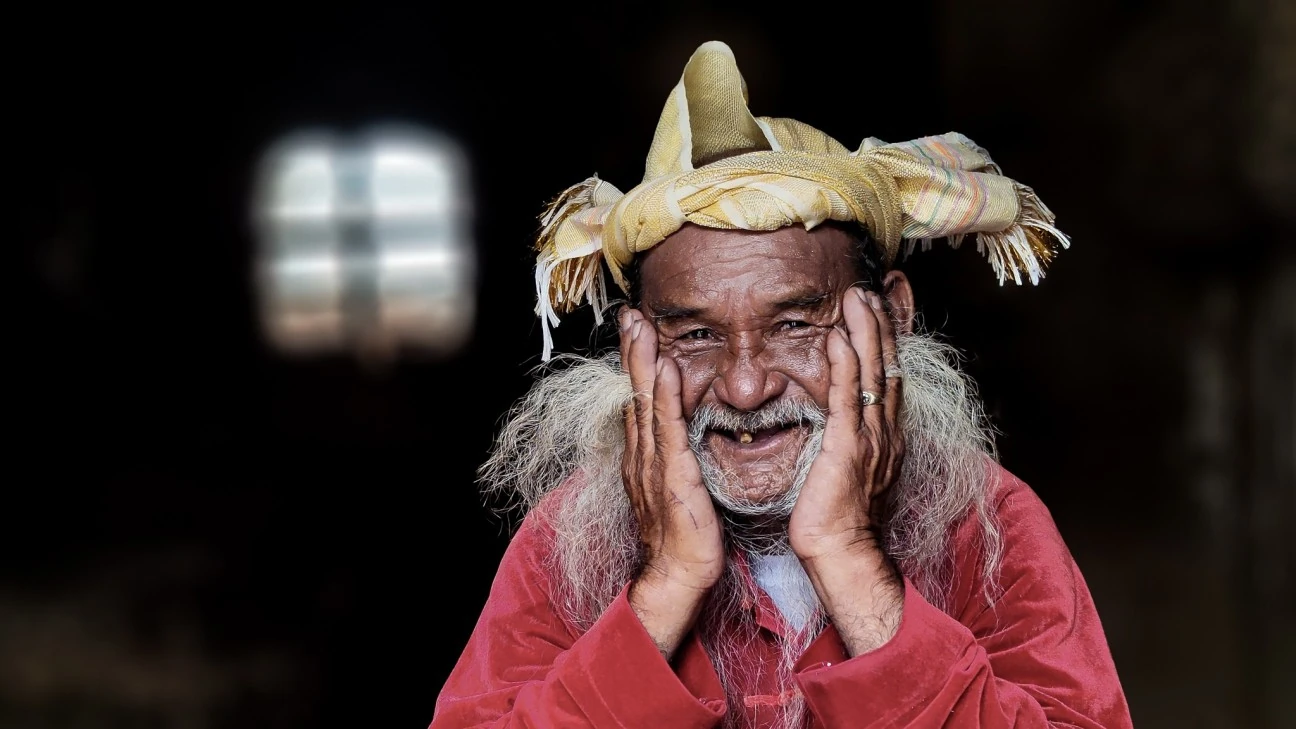
Chams People
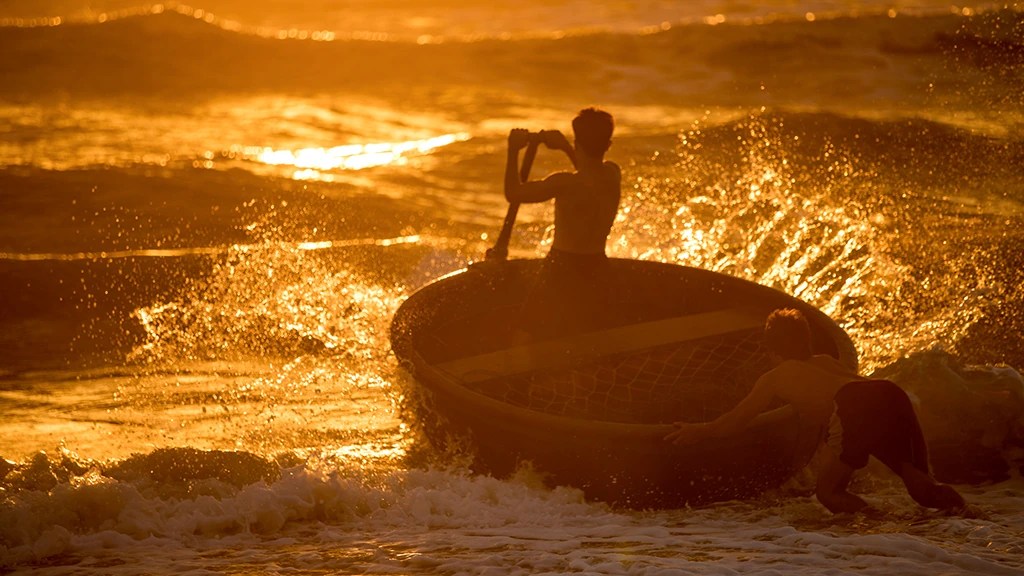
Coracle Fishermen
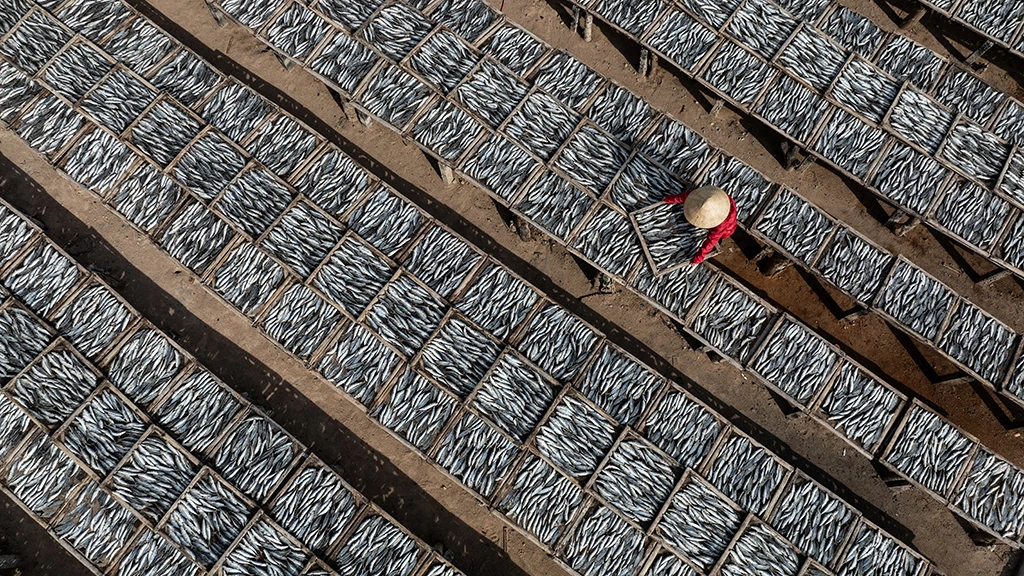
Drying Fish
Similar Photography Genre
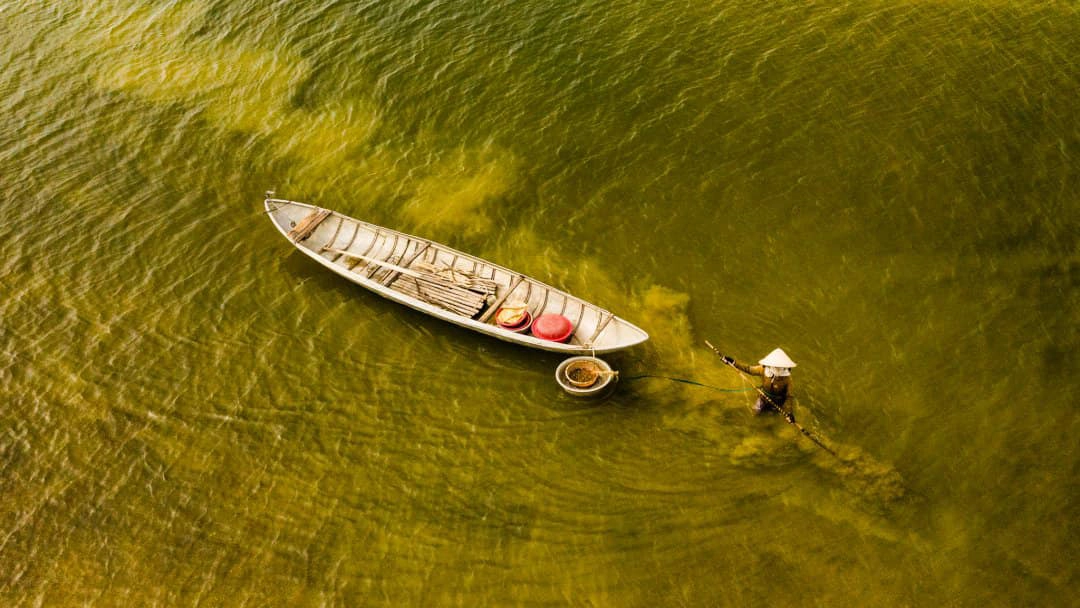
Raking Clam