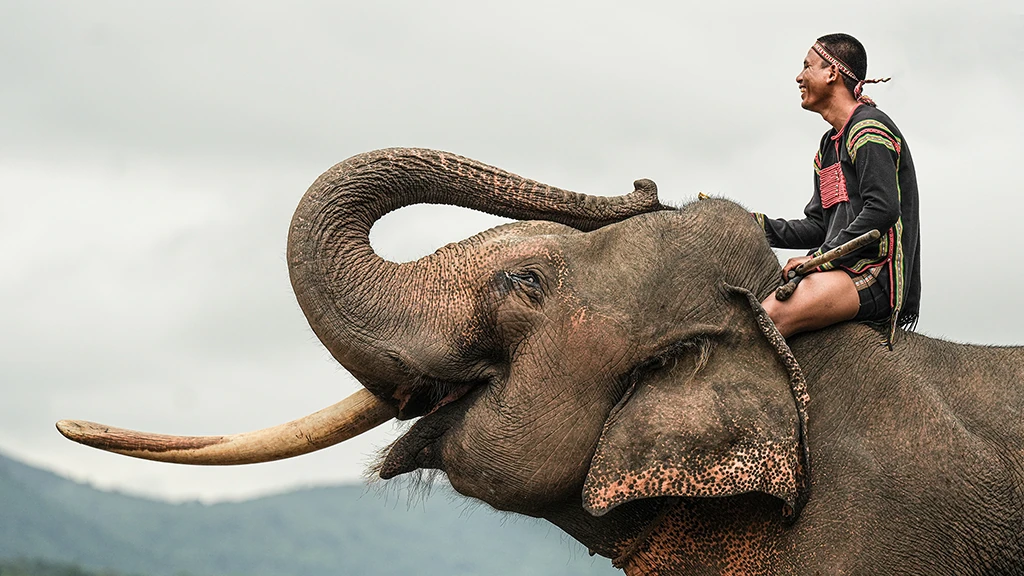
Elephant
Photograph majestic Elephant in Vietnam. Capture incredible natural light and stunning composition for unforgettable wildlife shots. (147 chars)
Dak Lak: Capturing the Majesty of the Elephant
Dak Lak province, nestled in Vietnam's Central Highlands, offers a profound photographic journey, particularly when focusing on the majestic Elephant. This region is the heartland of the M’nong and Ede ethnic minority groups, whose lives have been intertwined with these gentle giants for generations. The opportunity to photograph the Elephant here transcends mere wildlife encounters; it delves deep into the realm of portraiture, culture, and immersive travel photography. Unlike the fleeting glimpses one might get of wild elephants, Dak Lak provides a unique window into a more traditional, symbiotic relationship. The Elephant here are often working partners, integral to local ceremonies and daily life, offering photographers a chance to capture authentic cultural narratives.
The beauty of Dak Lak for photography is its year-round accessibility. While the dry season (roughly November to April) offers clearer skies and easier access to certain areas, the wet season (May to October) brings lush, vibrant landscapes and a dramatic intensity to the atmosphere. Experienced photographers in Vietnam suggest that embracing the weather, rather than fighting it, often leads to the most compelling images. A sudden downpour can transform a scene, creating reflections and enhancing the texture of the elephant's skin and the surrounding foliage.
Dak Lak: Portraiture and Cultural Narratives with the Elephant
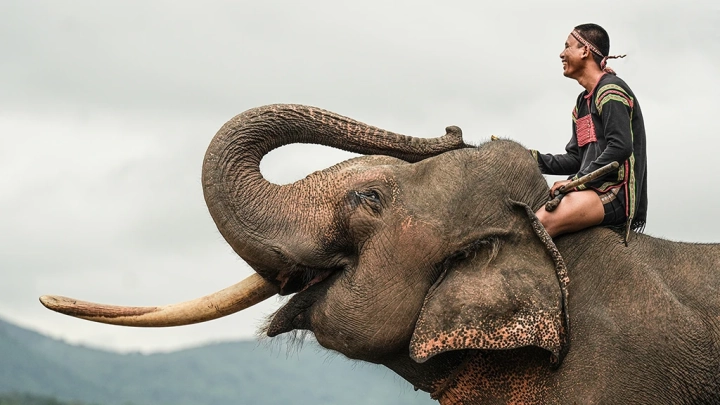
Photographing the Elephant in Dak Lak is as much about capturing the human element as it is about the animal itself. The bond between mahouts (elephant handlers) and their charges is a critical element for powerful portraiture. Look for moments of connection: a mahout gently stroking an elephant's trunk, sharing a quiet moment under the shade of a jungle canopy, or guiding them through rice paddies. These interactions tell stories of respect, partnership, and a deep-seated tradition. When working with mahouts, politeness and respect are paramount. Always ask for permission before photographing individuals, and consider offering a small gift or compensation for their time and willingness to be photographed. This approach aligns with the principles advocated by many seasoned photographers working in Vietnam, fostering trust and genuine connection.
The visual storytelling here is rich. Consider the context: the Elephant often participate in important ceremonies, such as the traditional M’nong festivals where they are adorned and celebrated. These events provide vibrant opportunities for cultural photography, with colourful costumes, lively music, and the Elephant as central figures. The lighting during these ceremonies can be challenging, often bright and diffused under tropical sun. Tran Tuan Viet recommends mastering the use of a reflector to fill in shadows on faces and the elephant's skin, bringing out details that would otherwise be lost. His suggestion is to be prepared for dynamic lighting shifts, and always have a way to manage contrast effectively.
For portraiture, focus on the eyes – both human and elephant. The expressive eyes of both can convey a wealth of emotion and connection. Experiment with different focal lengths; a telephoto lens can isolate the subject and compress the background, creating a sense of intimacy, while a wider lens can incorporate the environment, showcasing the Elephant within their traditional landscape. Don't be afraid to get low to the ground for a more imposing perspective of the Elephant, or to capture the mahout at eye level, creating a sense of equality and partnership. The key is to observe and anticipate the subtle interactions that reveal the true essence of this relationship.
Dak Lak: Wildlife and Travel Photography Techniques
While the Elephant in Dak Lak are not wild in the traditional sense, they still exhibit natural behaviors that are fascinating to capture. Observe their interactions with each other, their feeding habits, and their movements through the terrain. The early morning and late afternoon light, often referred to as the golden hour, can be magical. The warm, soft light bathes the landscape and the elephants in a beautiful glow, perfect for creating atmospheric and evocative travel images. This is also a time when the elephants are often more active, moving to water sources or grazing.
Dak Lak’s landscapes are also a significant part of the photographic narrative. Think rolling hills, lush coffee plantations, and meandering rivers. When photographing the Elephant within this environment, consider composition. Using leading lines – such as trails, fences, or the curve of a river – can guide the viewer's eye towards the subject. Negative space can also be employed effectively, with the vastness of the landscape emphasizing the Elephant's presence. Viet's advice for capturing expansive landscapes is to pay close attention to the sky; even a partially cloudy sky can add drama and depth to an image, especially when shooting during the transitional light of dawn or dusk. He often emphasizes that a well-composed landscape shot elevates the overall travelogue.
When photographing in Dak Lak, be prepared for the tropical climate. The humidity can be high, and the light can be intensely bright. Mastering exposure is crucial, especially when dealing with the contrast between the dark hides of the elephants and the bright highlights of the sunlit landscape. Viet recommends using a camera with good dynamic range and practicing techniques like exposure bracketing to ensure you capture detail in both the shadows and highlights. Many experienced photographers in Vietnam suggest using a polarizing filter to cut through haze, enhance colours, and deepen the blue of the sky. The challenge of shooting in this environment is what makes it so rewarding; overcoming these conditions with thoughtful technique leads to truly unique images.
Dak Lak: Essential Photography Gear and Practical Tips
For capturing the Elephant in Dak Lak, a versatile range of lenses is advisable. A telephoto lens (e.g., 70-200mm) is excellent for capturing intimate portraits and wildlife details from a respectful distance. A standard zoom lens (e.g., 24-70mm) is invaluable for a broader range of shots, from environmental portraits to wider landscape views. If you plan to focus heavily on the cultural context and the mahouts, a prime lens like a 35mm or 50mm can offer excellent low-light performance and beautiful bokeh, isolating your subject from busy backgrounds. A sturdy tripod is also beneficial, particularly for low-light shooting during dawn and dusk, and for ensuring sharp images when using longer focal lengths.
When interacting with the Elephant, maintain a safe and respectful distance unless guided otherwise by experienced handlers. Always follow the instructions of the mahouts; their knowledge of the elephants is unparalleled. Be prepared for the sounds and smells of the environment – these sensory details can inform your photographic approach, helping you anticipate moments and capture the atmosphere. For travel photography, pack light and smart. Waterproof bags are essential, and extra batteries and memory cards are a must, as you won't want to miss a moment. Tran Tuan Viet often stresses the importance of being prepared for unexpected situations; sometimes the most incredible shots arise from spontaneous encounters, so having your gear ready is paramount.
Remember that authentic storytelling comes from patience and observation. Don't rush the process. Spend time with the elephants and their handlers, understand their rhythms, and look for those quiet, unposed moments that reveal genuine emotion and connection. The Elephant in Dak Lak are not just subjects; they are participants in a living culture. By approaching them with respect and a keen photographic eye, you can create images that resonate with the beauty, tradition, and enduring spirit of Vietnam's Central Highlands. This immersive experience is precisely what Vietnam Photo Tours aims to facilitate, guiding you to the heart of these extraordinary encounters.
Ready to capture the full potential of the Elephant in Dak Lak? Join our Vietnam Photo Tours to experience this location with expert guidance and master your photography.