Drying Fish
Capture Vietnam's Drying Fish scene: vibrant coastal colors, unique compositions, and golden hour light for stunning photography. (153 chars)
Capturing the Drying Fish Scene
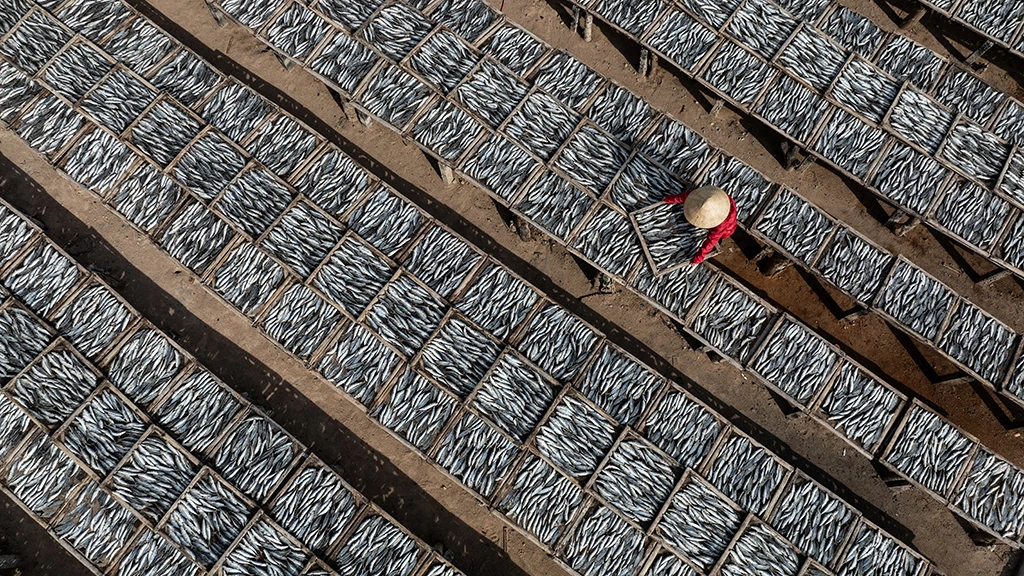
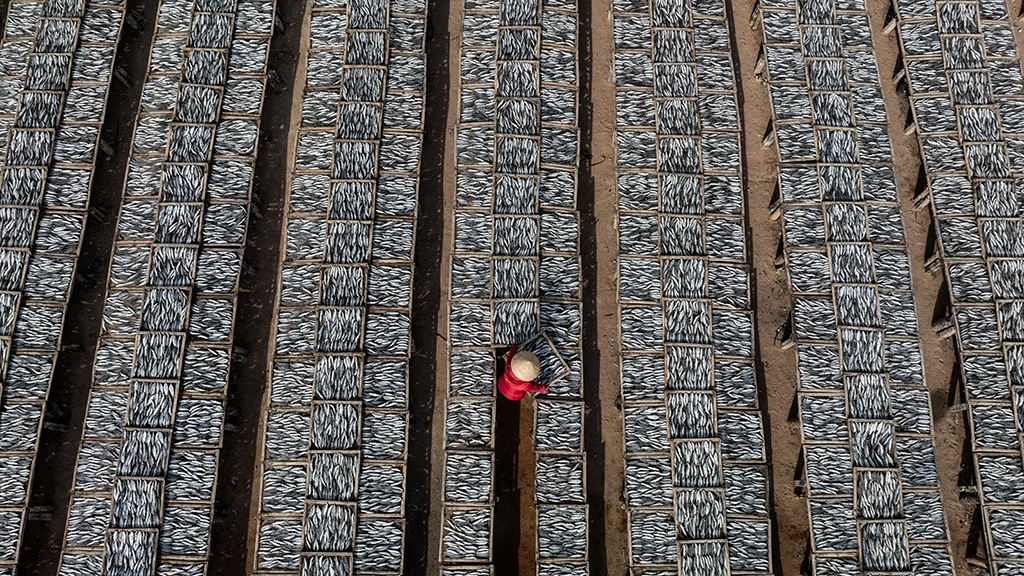
Vietnam's coastline is a vibrant tapestry of color, texture, and human endeavor, and few scenes encapsulate this more powerfully than the Drying Fish operations found along the shores of Ba Ria - Vung Tau, Binh Thuan, and Ninh Thuan. These coastal provinces, renowned for their fishing communities, offer photographers a unique opportunity to document a tradition that is both visually striking and culturally significant. The act of drying fish, a method honed over generations to preserve the day's catch, transforms the landscape into an outdoor studio, alive with the aroma of salt and the shimmer of countless scales. This scene, accessible year-round, provides a consistently compelling subject, though specific light and atmospheric conditions will vary, offering distinct photographic challenges and rewards.
The visual appeal of Drying Fish lies in its inherent patterns, the interplay of natural light on a monochromatic subject, and the candid human element involved. Miles of fish, laid out meticulously on bamboo racks or mats, create sweeping lines and geometric compositions that are a photographer's dream. The sheer scale of these drying operations can be breathtaking, stretching as far as the eye can see. Understanding the nuances of light throughout the day is paramount. Early morning offers a softer, diffused light that can render the fish with a gentle glow, while the harsh midday sun, though challenging, can create dramatic highlights and deep shadows, emphasizing textures and forms. Late afternoon, as the sun begins to dip, provides that coveted golden hour light, bathing the entire scene in a warm, ethereal radiance. Experienced photographers in Vietnam often emphasize the importance of arriving early to witness the setup and catch the morning light, a practice that Vietnam Photo Tours frequently incorporates into its itineraries.
Photography Techniques for Drying Fish
When approaching the Drying Fish scene, composition is key to transforming a potentially overwhelming expanse into a focused and impactful image. Consider using foreground elements – perhaps a discarded net or a pile of drying baskets – to lead the viewer's eye into the frame. Leading lines are naturally abundant here, from the rows of fish themselves to the bamboo racks that support them. Experiment with different focal lengths. A wide-angle lens can capture the vastness of the operation and the surrounding seascape, while a telephoto lens allows you to isolate details: the glistening texture of the scales, the intricate weave of the drying mats, or the weathered hands of the workers. Tran Tuan Viet, a renowned Vietnamese photographer, often advocates for finding a unique perspective. He suggests looking for the rhythm and repetition, but also for the anomalies that break the pattern, creating points of visual interest. His insights, often shared during his workshops, highlight that even the most commonplace scenes can yield extraordinary photographs with careful observation.
One of the primary photographic challenges with Drying Fish is managing the contrast. The bright sun can easily blow out highlights on the fish or plunge details into shadow, especially on overcast days. Utilizing a polarizing filter can help cut down on glare and deepen the colors, enhancing the natural hues of the fish and the surrounding environment. When the sun is high, be prepared for a narrow dynamic range. Shooting in RAW format is essential, as it provides the greatest flexibility in post-processing to recover shadow and highlight detail. Alternatively, bracket your exposures and use high dynamic range (HDR) techniques if the scene demands it. The iridescent quality of the fish scales can be a photographer's best friend, catching light in spectacular ways. Capturing this shimmer requires precise focus and an understanding of how light interacts with their surface. Viet's suggestion for capturing this scene often involves looking for those moments when the light truly makes the scales 'sing,' creating a luminous quality that is incredibly photogenic.
Working with Light and Color for Fish Drying Photography
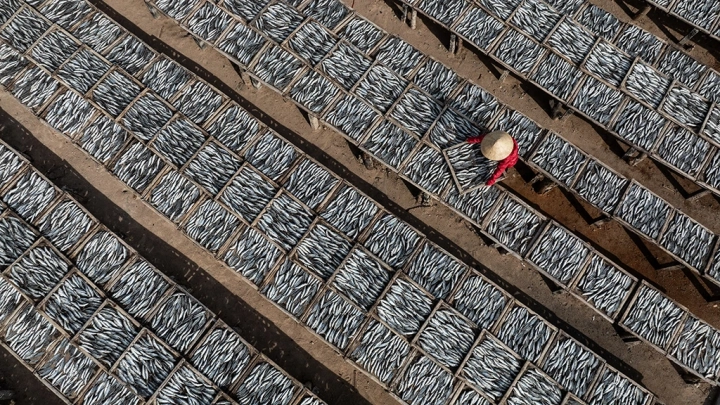
The year-round availability of the Drying Fish scene means photographers can visit at any time, but the quality of light will differ. During the dry season, expect harsher, more direct sunlight, which can be both a challenge and an opportunity for dramatic shots. The wet season, while bringing potential for rain, can also offer softer, more diffused light and a richer, more saturated color palette in the environment, provided you can work around the weather. When the sun is low, during the early morning or late afternoon, the light becomes warmer and more directional, creating beautiful rim lighting on the fish and casting long shadows that add depth and dimension. This is often when the scene is at its most painterly. From Viet's experience photographing Vietnam's diverse landscapes, he notes that understanding the local weather patterns is crucial for planning. For Drying Fish, this means being prepared for anything, but also knowing that each condition offers a distinct aesthetic.
Color plays a subtle but important role. While the fish themselves are primarily monochromatic, the surrounding elements – the blue of the ocean, the green of distant foliage, the colorful clothing of the workers, and the rustic browns and grays of the bamboo and mats – provide a rich palette. The key is to use these colors to complement, not compete with, the central subject. Be mindful of the white balance, especially under direct sunlight, which can cast a blue or yellow hue. Using a custom white balance or shooting in RAW will allow you to fine-tune this later. Experienced photographers in Vietnam suggest looking for instances where the vibrant colors of the workers' clothing or the fishing boats create striking juxtapositions against the backdrop of drying fish. These small details add a layer of human narrative and visual interest that elevates the photograph beyond a mere still life.
Capturing the Cultural Narrative
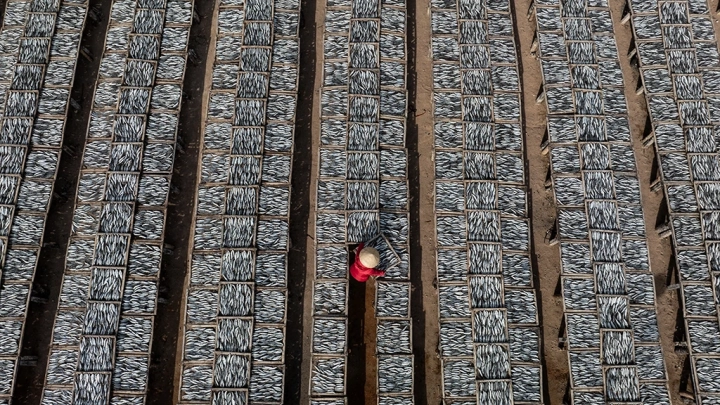
Beyond the visual patterns, the human element is a critical element in photographing Drying Fish. The workers, often women, are integral to the scene, their movements and interactions telling a story of hard work, tradition, and community. Approach them with respect and a polite smile. Often, a simple gesture of asking permission, even if just through mime, can go a long way. Observe their daily routines: the sorting, the arranging, the tending to the drying fish, and the eventual packing. These candid moments are where the true cultural narrative unfolds. Tran Tuan Viet recommends immersing yourself in the environment, not just as an observer but as someone who appreciates the daily life. He believes that genuine connection leads to more authentic and powerful imagery. Spending time in the location, perhaps even during different times of day and on subsequent days, allows for trust to be built and for natural interactions to occur.
When photographing people, pay attention to their expressions and actions. A focused gaze, a shared laugh, or the practiced efficiency of their hands can be incredibly compelling. Use a slightly longer lens to capture these moments discreetly without intruding on their work. Be aware of the background – the ocean, the sky, or other drying racks – and ensure it supports, rather than distracts from, your subject. The textures of their clothing, the salt spray on their skin, and the sun-weathered lines on their faces all contribute to the story. The sheer scale of the operation provides opportunities for both wide environmental portraits that place individuals within the vastness of their livelihood, and intimate close-ups that focus on the details of their craft and their personal story. Mastering the art of photographing people within their working environment requires sensitivity, patience, and a keen eye for detail, skills that are honed through practice and guided experience.
To truly master the visual storytelling of Drying Fish, consider joining Vietnam Photo Tours for a guided photography experience. Our tours are designed to place you in the heart of these captivating scenes, with expert guidance on composition, lighting, and cultural interaction, ensuring you capture stunning images at Ba Ria - Vung Tau, Binh Thuan, and Ninh Thuan. Ready to capture the full potential of Drying Fish? Join our Vietnam Photo Tours to experience this location with expert guidance and master your photography.
More Scenes
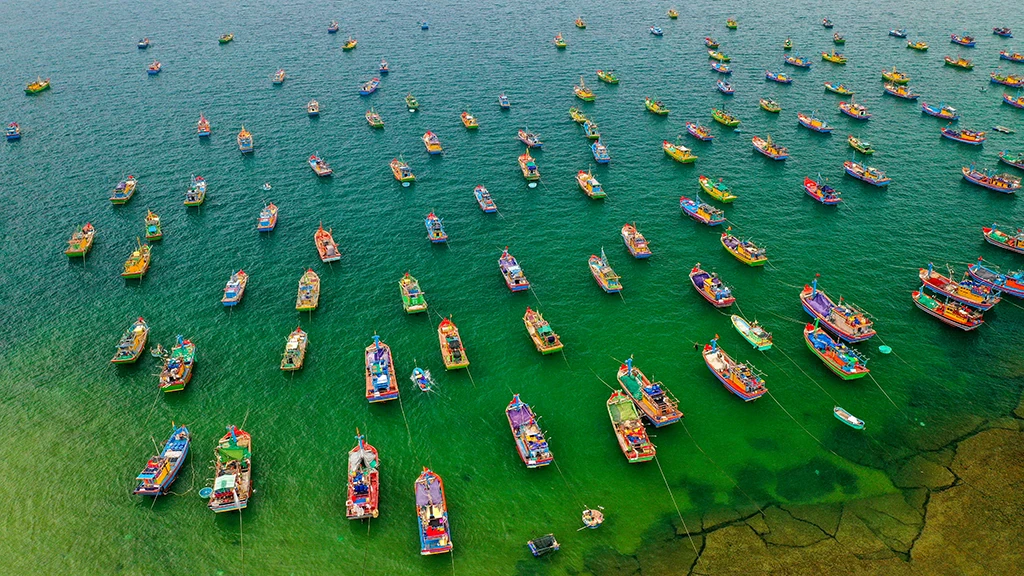
Boat Harbor
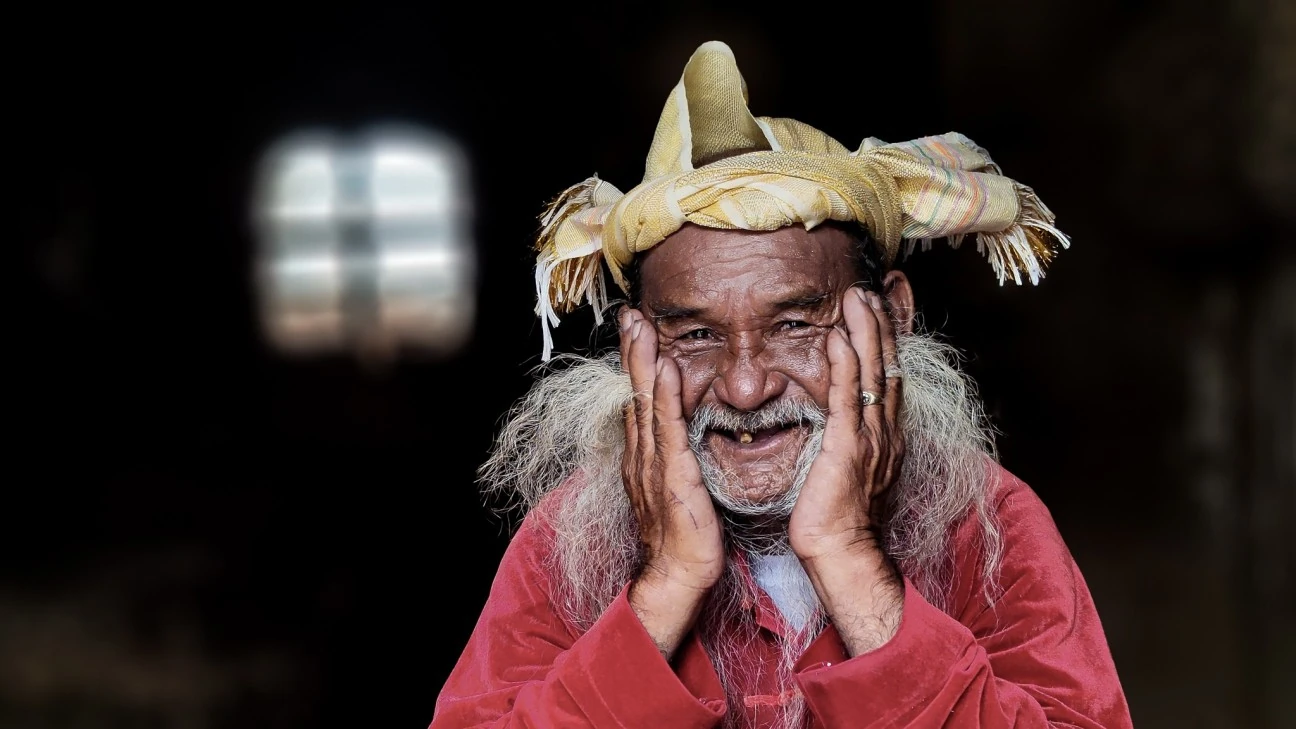
Chams People
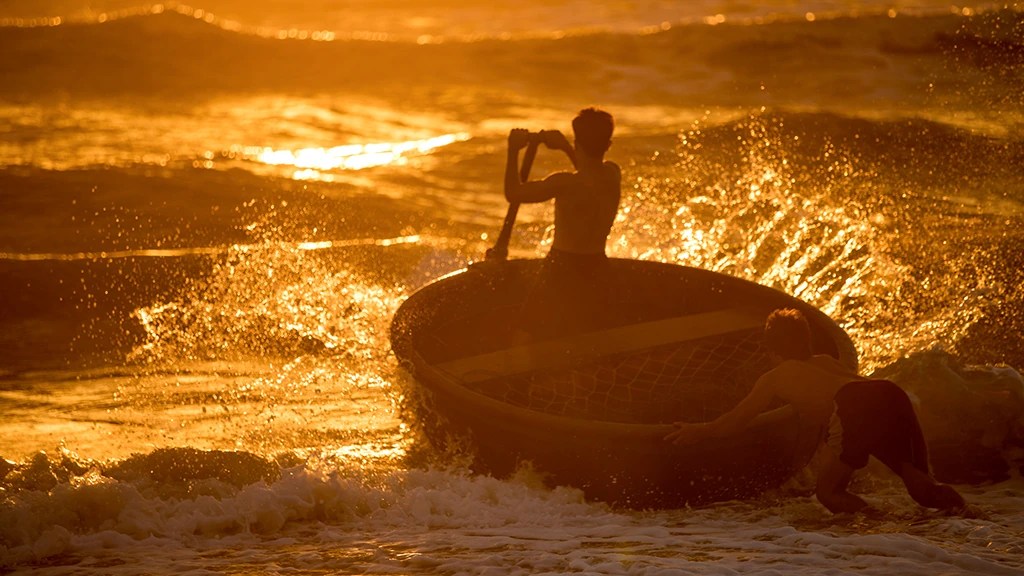
Coracle Fishermen
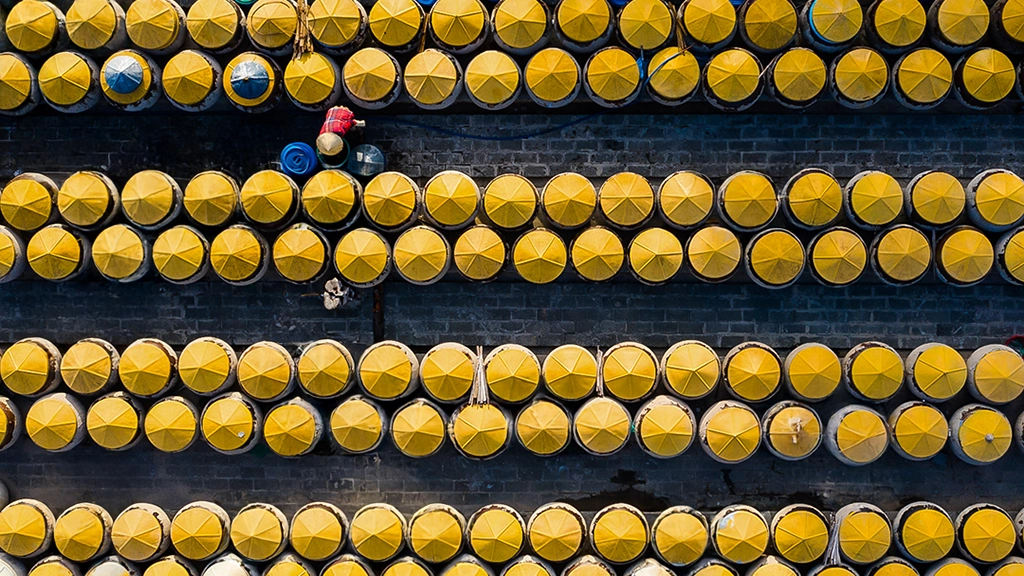
Fish Sauce
Similar Photography Genre