Cow Racing
Capture Vietnam Cow Racing: dynamic motion, vibrant color, unique subjects. Essential for photographers seeking authentic Vietnamese rural life.
An Giang: Capturing the Spectacle of Cow Racing
The southern Mekong Delta region of Vietnam offers a kaleidoscope of cultural experiences, and among the most vibrant is the exhilarating spectacle of Cow Racing in An Giang province. Far from a mere sporting event, these races are deeply embedded in local traditions, providing photographers with an unparalleled opportunity to document a unique facet of Vietnamese life. The best months to capture Cow Racing are year-round, as these events are held with a degree of regularity throughout the seasons, though the intensity of the midday sun can be a significant factor to consider across all months. This guide will delve into the photographic techniques and visual strategies essential for capturing the raw energy, rich culture, and compelling portraits that define this An Giang tradition.
Mastering the Action and Atmosphere of Cow Racing Photography
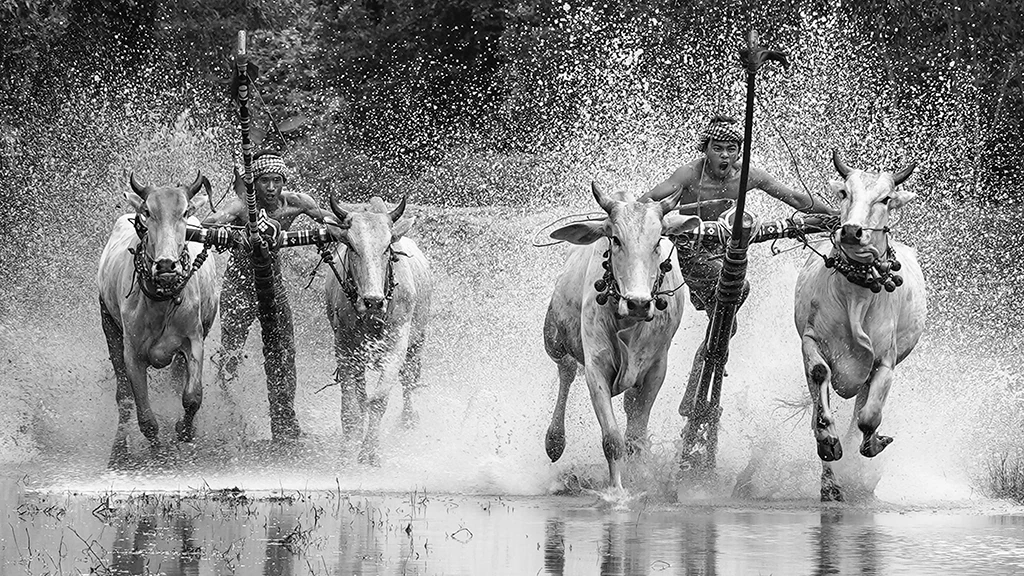
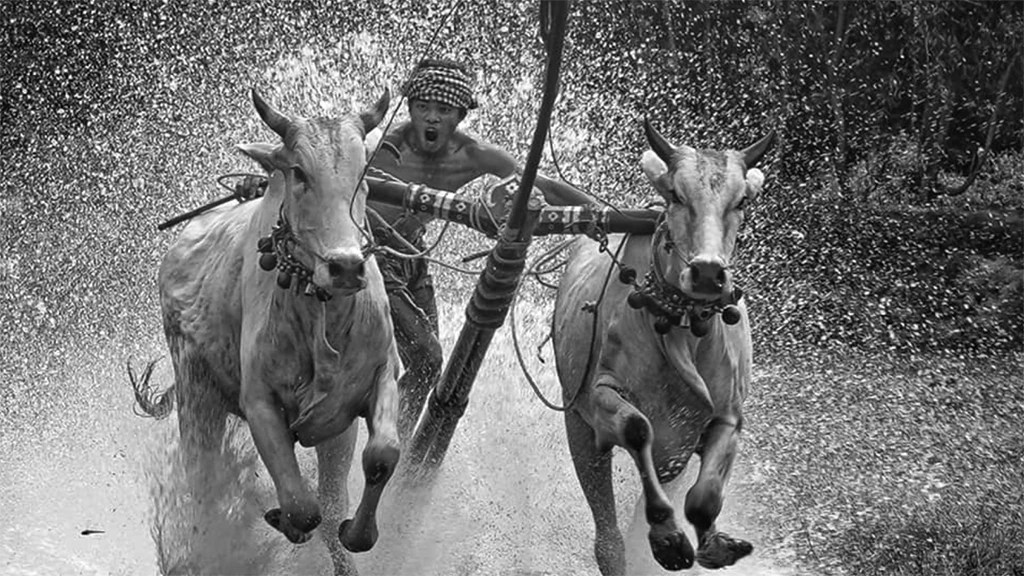
The essence of Cow Racing photography lies in freezing motion while simultaneously conveying the surrounding atmosphere. The races themselves are a blur of dust, water, and determined jockeys, demanding a fast shutter speed to prevent motion blur and capture the dynamic tension. Think in terms of 1/1000th of a second or faster, especially when the cows are at full gallop. However, don't neglect the storytelling potential of slightly slower speeds to introduce a sense of motion, especially for the background elements or less critical subjects. Experimenting with panning, following the lead cow with your camera while maintaining a relatively slow shutter speed (around 1/60th to 1/125th of a second), can create a compelling sense of speed and isolation for the main subject against a streaked backdrop. This is a technique that experienced photographers in Vietnam often employ to add visual dynamism.
The vibrant chaos of the event offers numerous framing and compositional opportunities. Look for leading lines created by the race track, the cheering crowds, or the bamboo fences. The rule of thirds remains a steadfast guide, but don't shy away from more dynamic compositions that fill the frame with energy. Consider the interplay of the jockeys, often young boys with determined expressions, perched precariously on the backs of their powerful steeds. Their connection with the animals is a critical element for portraiture within the larger scene. Tran Tuan Viet, a renowned photographer known for his evocative portrayals of Vietnamese life, often emphasizes the importance of finding intimate moments amidst the grander spectacle. He suggests looking for the quiet anticipation before the race, the shared glances between jockey and cow, or the expressions of pride and disappointment in the faces of the owners and spectators.
Cow Racing: Light and Shadow Play
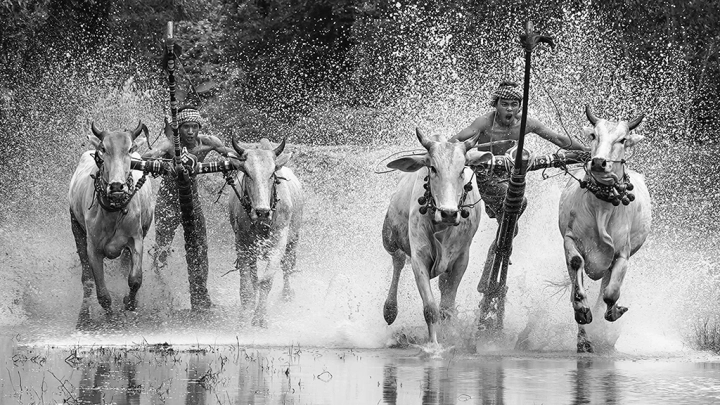
The tropical climate of An Giang presents unique lighting challenges and opportunities. Midday sun can be harsh, leading to high contrast and blown-out highlights or deep, impenetrable shadows. To combat this, consider using a neutral density filter to manage the intense light, allowing for wider apertures to create shallower depth of field for portraits. Alternatively, embracing the harsh light can lead to dramatic, high-contrast images. Look for opportunities where the sun creates strong backlighting, illuminating the dust kicked up by the hooves and creating a halo effect around the cows and jockeys. Early morning and late afternoon, during the so-called golden hour, offer softer, warmer light that is more forgiving and can add a beautiful, ethereal quality to your images. This is when the colors of the local attire and the natural landscape truly come alive.
Vietnamese photographers are masters at utilizing the available light, even in challenging conditions. Tran Tuan Viet has shared that for scenes with potentially narrow dynamic range, it's often wise to meter for the highlights to avoid losing detail in the brightest areas, relying on post-processing to recover shadow information if necessary. Or, conversely, focus on the subject and let the background fall into shadow for a more dramatic effect. The reflections in the waterlogged tracks, especially after rain, can also be a photographer’s best friend, providing a secondary light source and adding depth and visual interest to your shots. Embracing these reflections can elevate a standard race shot to something truly artistic.
Beyond the Race – Culture and Portraits
While the Cow Racing itself is the main draw, the surrounding cultural tapestry is equally rich for photographic exploration. The preparation for the races, the communal spirit among the villagers, and the expressions of the spectators all offer compelling narrative threads. Focus on the details: the intricately decorated cows, the worn saddles, the betting slips being exchanged, and the vibrant, often colorful, traditional clothing worn by the onlookers. These are the elements that tell the story of the event's cultural significance.
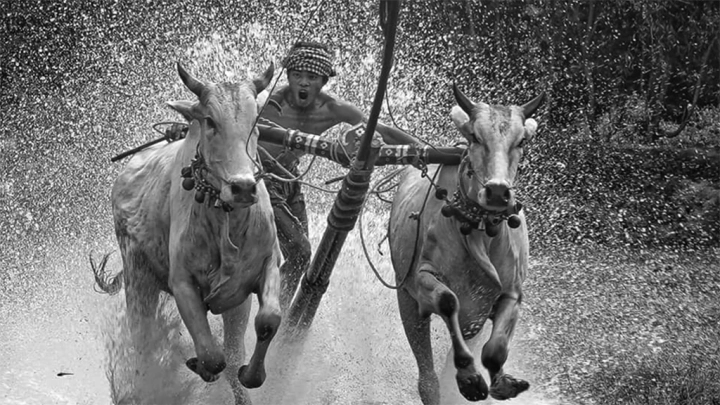
Capturing the Faces of Cow Racing
For portraiture, the key is to connect with your subjects. Approach people with respect and a genuine smile, and you'll often find them happy to oblige. The jockeys, with their youthful faces etched with concentration and excitement, make for particularly poignant portraits. Look for opportunities to capture them before or after the race, perhaps tending to their cow or sharing a moment with their family. The older villagers, with their weathered faces that tell stories of a life lived in this fertile region, also offer incredible portrait potential. Viet recommends observing the interactions between people – the shared laughter, the anxious waiting, the triumphant celebrations – as these candid moments often reveal more about the culture than posed shots. His experience photographing rural Vietnam consistently shows that the most impactful images come from observing and patiently waiting for these authentic connections to unfold.
When photographing portraits in An Giang, the natural light is your best ally. If shooting under harsh midday sun, seek out shaded areas like the eaves of homes or under large trees. The dappled light created by foliage can also produce beautiful, textured portraits. For a more intimate feel, consider using a lens with a wider aperture, such as a 50mm f/1.8 or 85mm f/1.8, to create a pleasing bokeh effect that isolates your subject from the busy background. The goal is to capture not just a likeness, but the spirit and emotion of the people involved in this vibrant tradition.
Essential Gear and Final Thoughts
For Cow Racing photography, a versatile setup is ideal. A DSLR or mirrorless camera with good autofocus capabilities and a fast burst mode is highly recommended. Lenses that offer flexibility are key: a 24-70mm or 24-105mm zoom is excellent for capturing both wider scenes and tighter action shots, while a 70-200mm telephoto lens allows you to isolate details and capture expressions from a distance without intruding. Don't forget a reliable camera bag to protect your gear from dust and humidity, and consider bringing extra batteries and memory cards, as you'll be shooting extensively. A polarizing filter can be invaluable for managing reflections on water and enhancing the saturation of colors.
Cow Racing in An Giang is a photographic treasure trove, offering a dynamic blend of action, culture, and portraiture. By understanding the unique light conditions, embracing the energetic chaos, and respectfully engaging with the local people, you can create truly compelling images. The sheer visual storytelling potential makes this a must-visit location for any photographer keen to explore the heart of Vietnam. To truly master this location and capture the full potential of Cow Racing, consider joining Vietnam Photo Tours for a guided photography experience designed to help photographers capture stunning images at this unique An Giang event.
Similar Photography Genre
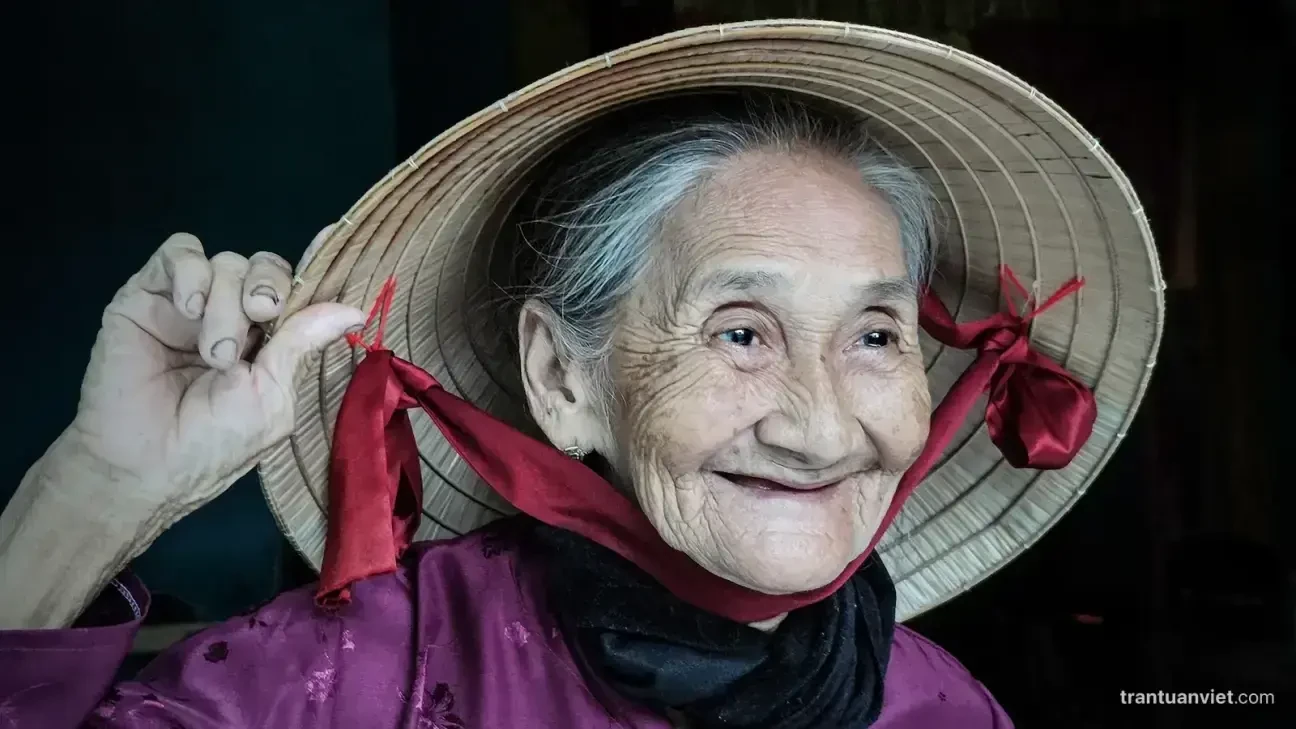
Elder Portraits
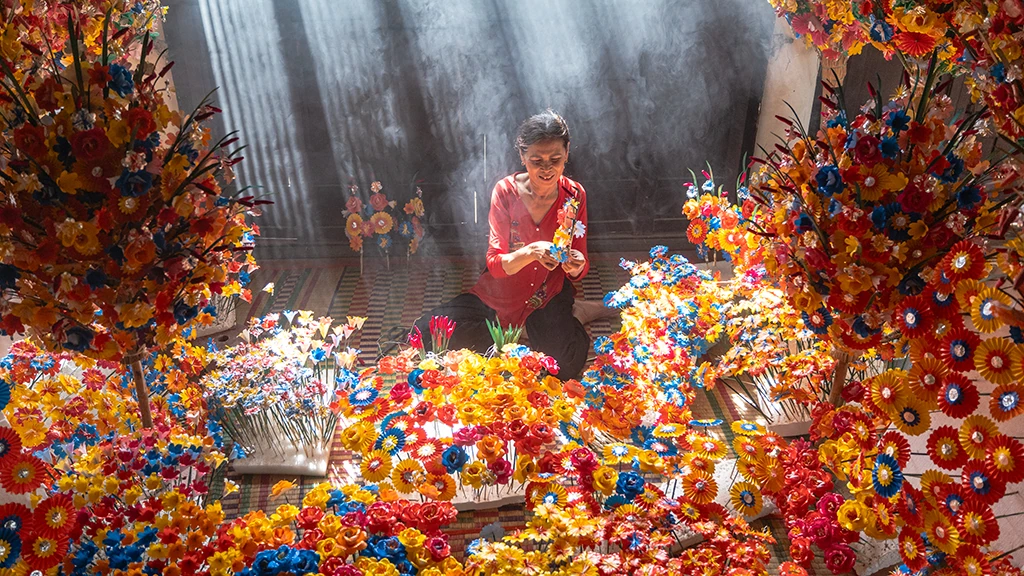
Paper Flower