Corn House
Capture stunning Vietnam Corn House scenes. Master dramatic light, unique textures, and rustic composition for unforgettable Vietnamese photography.
Mu Cang Chai: Capturing the Spirit of the Corn House
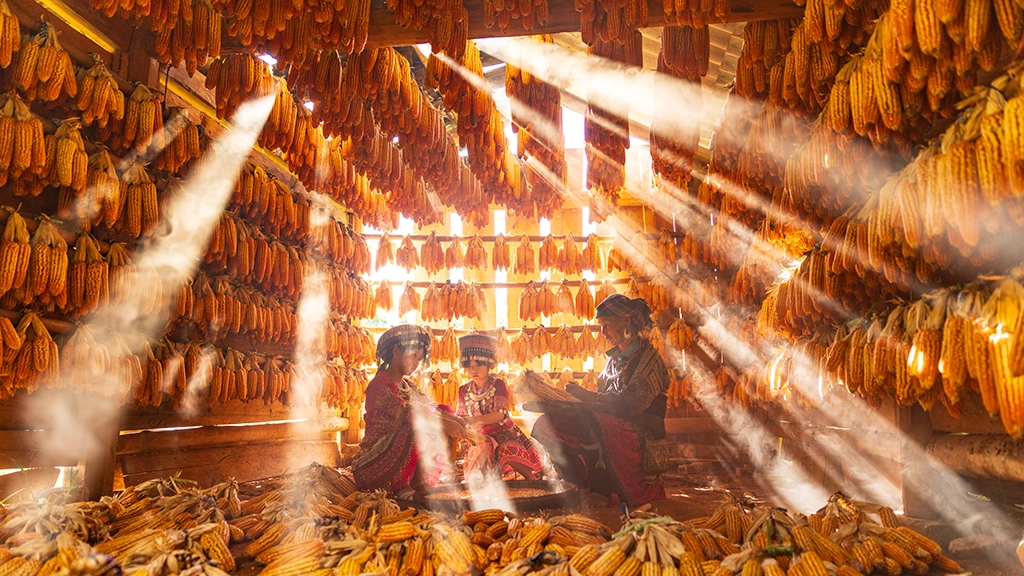
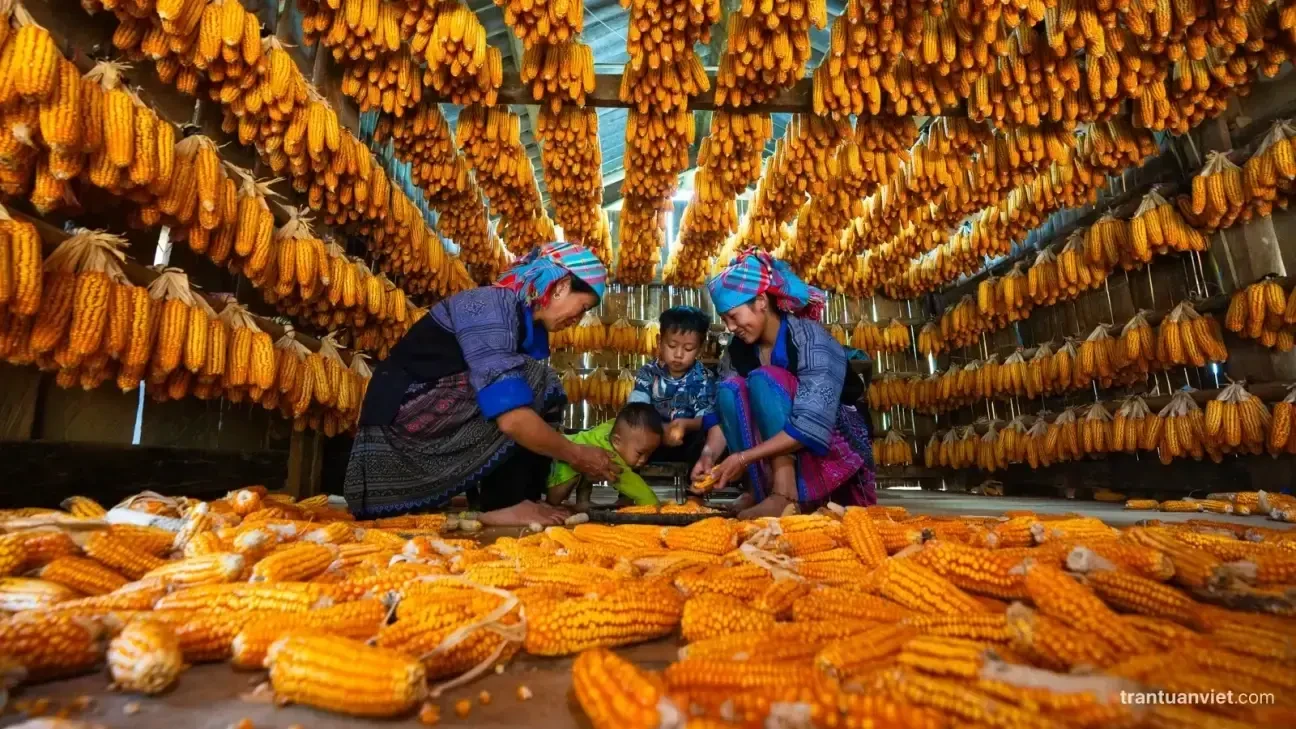
The rolling hills of Mu Cang Chai, Vietnam, are a photographer's dream, a breathtaking tapestry of emerald and gold that changes with the seasons. At the heart of this visual splendor lies the Corn House, a structure that embodies the resilience and ingenuity of the local Hmong people. These unique dwellings, built from maize stalks, are not just shelters but living sculptures, blending seamlessly into the agricultural landscape. Capturing the essence of the Corn House requires a blend of technical skill, cultural sensitivity, and an understanding of the unique light conditions that define this spectacular region.
Mu Cang Chai: Landscape and Cultural Immersion
Mu Cang Chai offers unparalleled opportunities for landscape photography. The iconic rice terraces, sculpted over generations, create mesmerizing patterns that draw the eye. However, the Corn House itself adds a distinct layer of cultural narrative to these vistas. During the harvest season, typically from September to November, the surrounding fields are golden with ripe rice, a perfect backdrop for the rustic charm of the Corn House. Even outside this peak time, the earthy tones of the stalks offer a beautiful contrast against the vibrant green of growing rice or the stark beauty of the dry season.
To truly capture the landscape, consider wide-angle lenses to encompass the vastness of the terraced hills. However, don't underestimate the power of telephoto lenses for isolating details of the Corn House, its texture, and the surrounding agricultural life. Experienced photographers in Vietnam suggest looking for the interplay of light and shadow on the textured surfaces of the corn stalks. This textural detail is a critical element that adds depth and realism to your images.
The Art of Portraiture at the Corn House
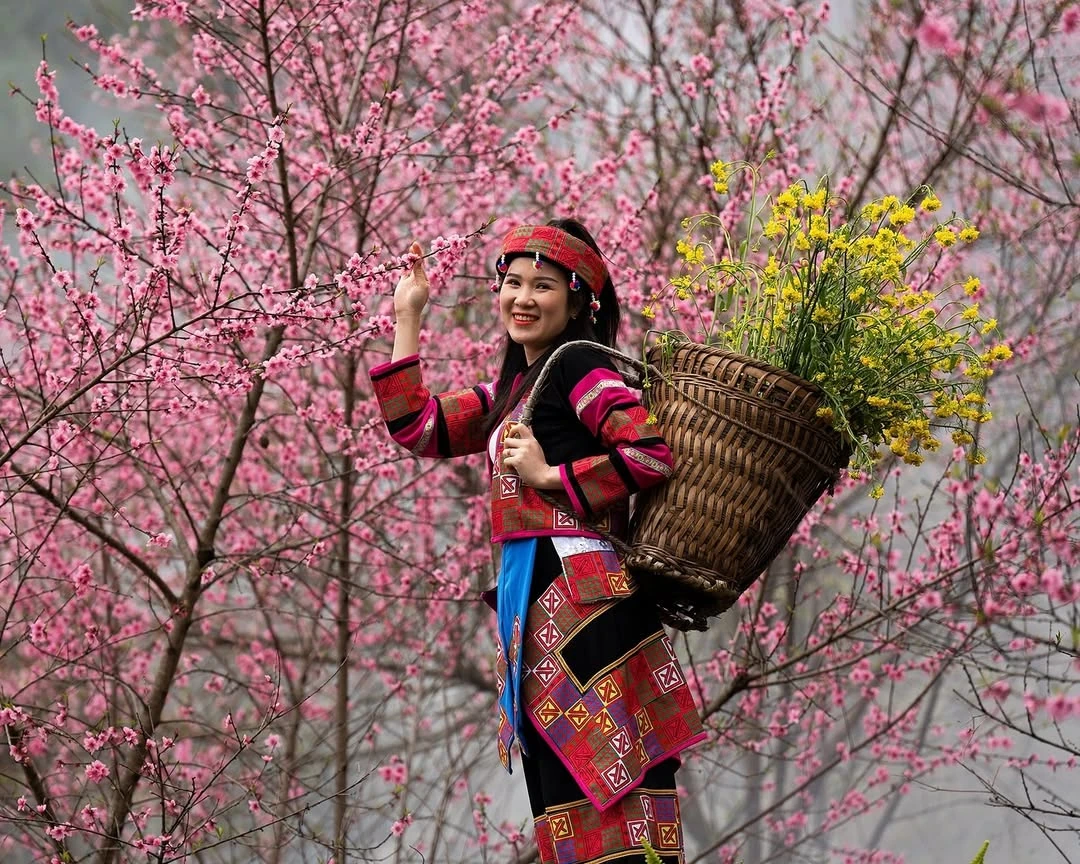
Photographing the people who inhabit and tend to the Corn House is where the cultural genre truly shines. The Hmong people, with their distinctive traditional clothing and gentle demeanor, offer incredible opportunities for portraiture. When approaching individuals, always seek permission first, a practice that Vietnamese photographers emphasize as a sign of respect. A friendly smile and a gesture of showing your camera often go a long way. Tran Tuan Viet, a renowned Vietnamese photographer, often stresses the importance of building rapport before raising the camera; his advice is that genuine connection translates directly into more authentic and compelling portraits.
The best light for portraits is often during the golden hour, shortly after sunrise or before sunset. The warm, soft light beautifully illuminates the faces of your subjects and can create a painterly effect on the Corn House itself. However, midday sun in Vietnam can be harsh, casting strong shadows. If forced to shoot at midday, use a diffuser to soften the light or look for shade provided by the Corn House or surrounding trees. This approach helps to avoid blown-out highlights and deep, unflattering shadows, preserving the delicate details of your subject's features.
Viet's suggestion for capturing portraits is to focus on the eyes, the window to the soul. Even when incorporating the Corn House into the background, ensure the subject's gaze is sharp and engaging. Experiment with framing: sometimes a tight headshot is powerful, while other times, a wider shot showing the subject interacting with their environment, perhaps with the Corn House subtly in the background, tells a richer story. Using a shallow depth of field can help to isolate your subject from the background, making the Corn House a softly blurred element that adds context without distraction.
Mu Cang Chai: Travel Photography and Storytelling
As a travel photographer, your goal is to tell a story, and the Corn House in Mu Cang Chai provides a compelling narrative. It speaks of tradition, hard work, and a deep connection to the land. To capture this, think beyond single, static shots. Consider creating a series of images that depict the daily life around the Corn House: the women weaving, the men working in the fields, the children playing. These images, when viewed together, paint a vivid picture of a unique way of life.
Timing is crucial. While Mu Cang Chai is beautiful year-round, each season offers a distinct palette and mood. The monsoon season (June to August) brings lush greenery, but also challenges with unpredictable rain and potential landslides. The harvest season (September to November) is arguably the most visually dramatic with golden terraces. The dry season (December to February) offers clear skies and a different kind of stark beauty. Experienced photographers in Vietnam often advise visiting during the shoulder seasons, like late August or early December, to potentially capture unique weather phenomena or fewer crowds while still enjoying good light.
Technical Considerations for Mu Cang Chai
The dynamic range in Mu Cang Chai can be challenging. The bright sky and deep shadows in the valleys often mean a narrow dynamic range. To combat this, experienced photographers often recommend shooting in RAW format, which provides the most flexibility in post-processing for recovering detail in both highlights and shadows. Another technique is to use exposure bracketing and later combine the exposures into an HDR (High Dynamic Range) image, though this should be done judiciously to maintain a natural look.
When photographing the Corn House itself, pay close attention to composition. The natural lines of the corn stalks and the terraces offer endless possibilities for leading lines and geometric patterns. A classic approach is to use the rule of thirds, placing key elements, like the Corn House or a person, off-center. However, sometimes a symmetrical composition, especially when capturing the architectural form of the Corn House against a dramatic sky, can be incredibly impactful. Viet recommends experimenting with different camera angles – shooting from a low angle can emphasize the height and grandeur of the terraces, while a higher vantage point can reveal the intricate patterns of the landscape and the Corn House within it.
Consider your lens choice carefully. A versatile zoom lens, like a 24-70mm or 24-105mm, is excellent for travel photography, allowing you to adapt quickly to different compositions. However, for capturing the expansive landscapes, a 16-35mm lens can be invaluable. For intimate portraits or isolating details of the Corn House's construction, a prime lens like a 50mm or 85mm with a wide aperture can produce beautiful bokeh and sharp subjects. Always be prepared for dust and moisture, especially during the rainy season; a good camera bag and lens cloths are essential photography gear for Vietnam.
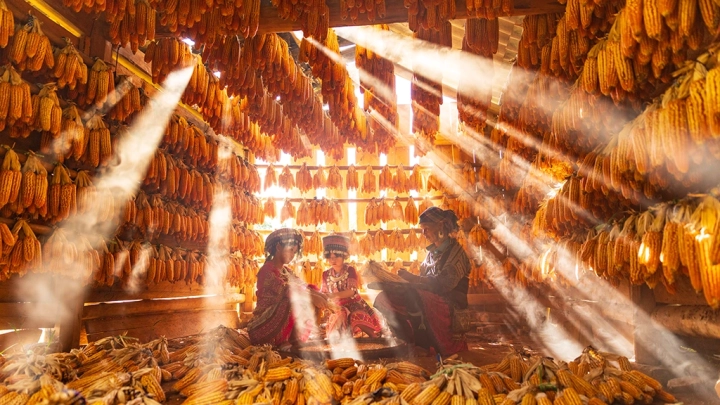
The spirit of Mu Cang Chai and its iconic Corn House is best captured through a combination of technical prowess and a deep appreciation for the local culture and landscape. By understanding the light, respecting the people, and employing thoughtful composition, you can create images that truly resonate. This location offers a profound visual journey, one that Vietnam Photo Tours is uniquely equipped to guide you through. Their expertise ensures you’ll not only learn the technical skills needed but also gain the cultural insights to photograph respectfully and effectively.
Ready to capture the full potential of the Corn House and the mesmerizing landscapes of Mu Cang Chai? Join our Vietnam Photo Tours to experience this location with expert guidance and master your photography.
More Scenes
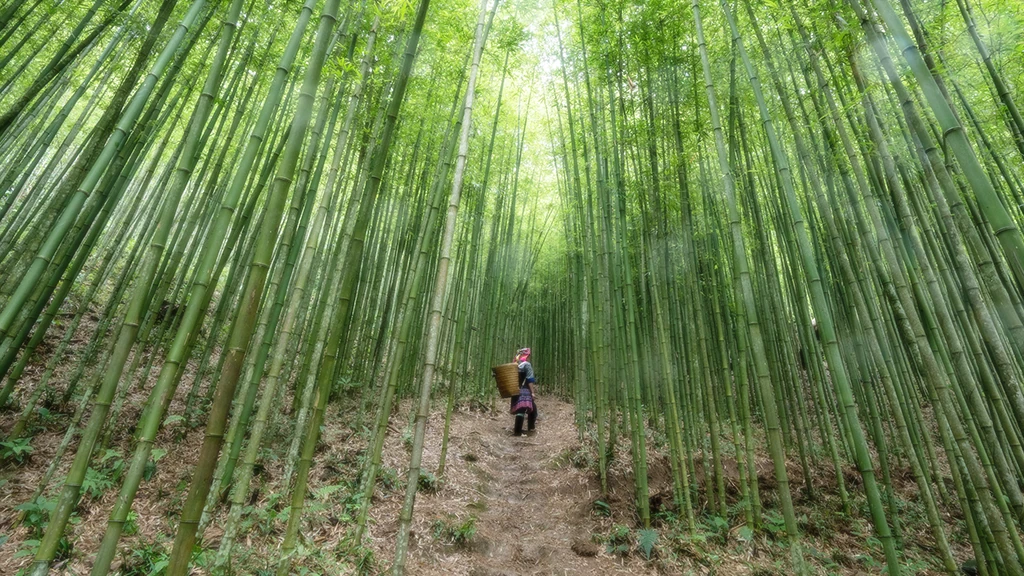
Bamboo Forest
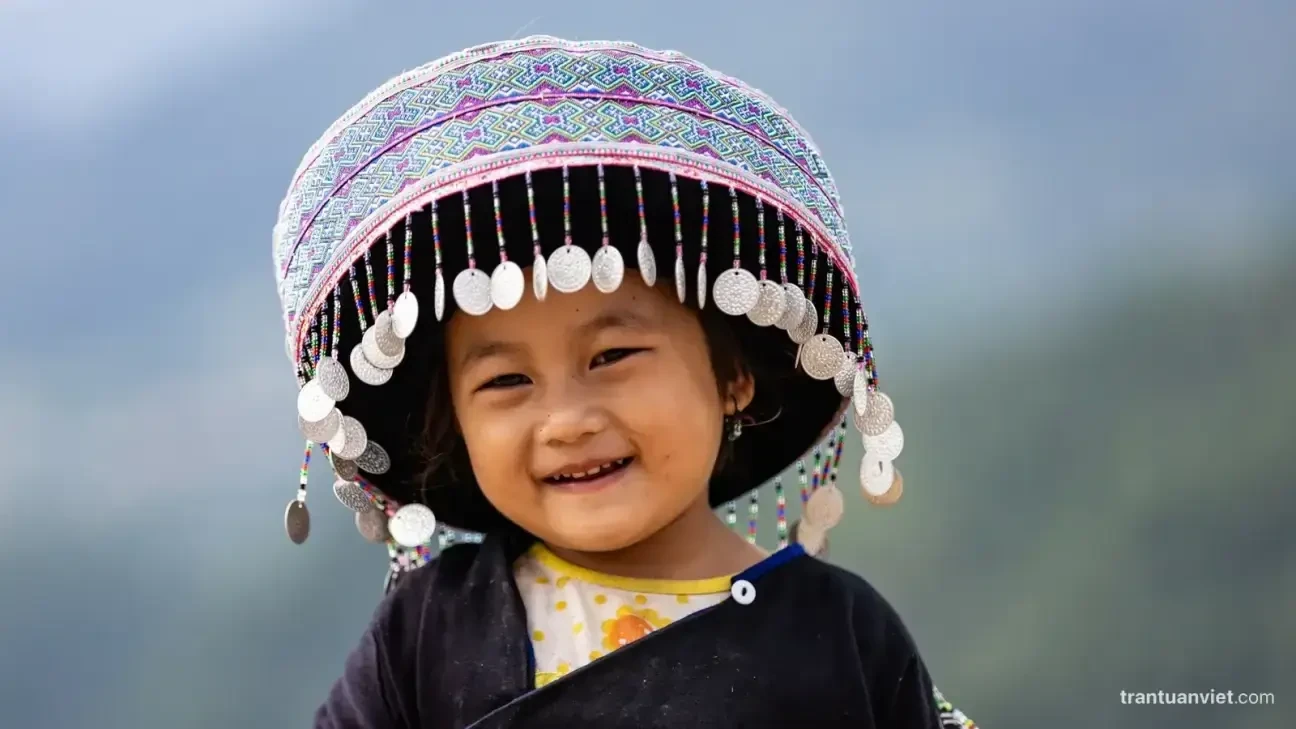
HMong People
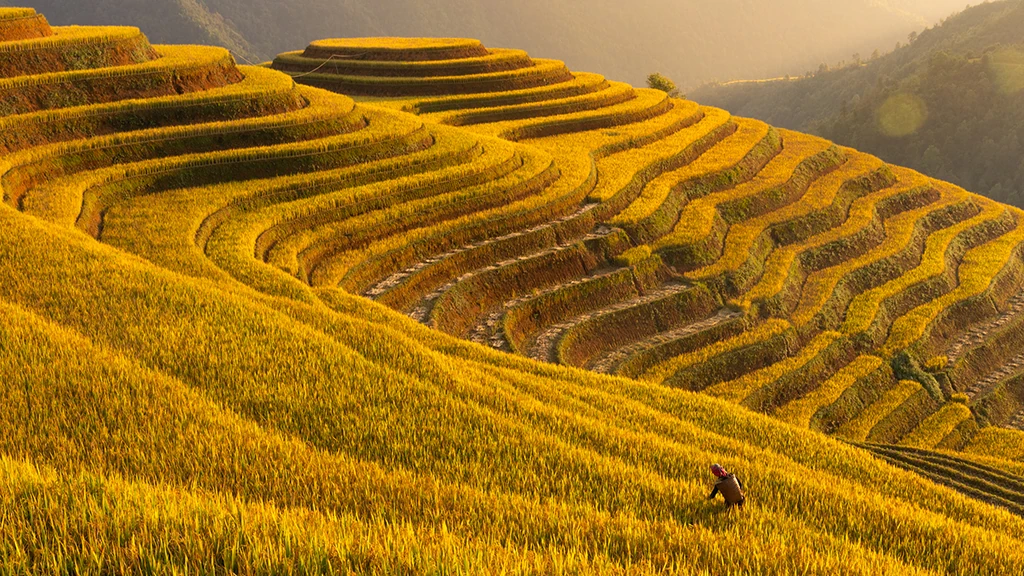
Rice Terraces
Similar Photography Genre