Coracle Making
Capture the art of Coracle Making in Vietnam. Golden light, skilled hands, and timeless tradition offer incredible photographic moments.
Phu Yen: Capturing the Essence of Coracle Making
As a photographer who has spent years immersed in the vibrant tapestry of Vietnam, I find few subjects as visually compelling and culturally rich as Coracle Making in Phu Yen. This ancient craft, passed down through generations, offers a unique window into a way of life that is both resilient and deeply connected to the sea. My goal with Vietnam Photo Tours is to equip you with the vision and technical skill to translate this profound experience into powerful images. Phu Yen, with its rugged coastline and welcoming communities, provides an unparalleled backdrop for this exploration, and the beauty of Coracle Making can be appreciated year-round, though distinct atmospheric qualities emerge with each season.
Phu Yen: Mastering Light and Composition for Coracle Making
The key to truly impactful photography, especially of cultural subjects like Coracle Making, lies in understanding and manipulating light. In Phu Yen, this means being keenly aware of the tropical sun. Early mornings and late afternoons are your best friends. The golden hour, just after sunrise and before sunset, bathes the scene in a warm, soft light that accentuates textures and creates beautiful, long shadows. This is the time to capture the weathered hands of the craftsmen, the intricate details of the bamboo being woven, and the tranquil atmosphere before the full heat of the day sets in. Avoid midday sun at all costs; its harsh, direct light flattens subjects and creates blown-out highlights and deep, unmanageable shadows, leading to a narrow dynamic range.
When shooting Coracle Making, think about your composition. Look for leading lines formed by the bamboo strips or the curves of the unfinished boats. The juxtaposition of the organic, curved shapes of the coracles against the often geometric patterns of the village or the natural lines of the shoreline can create striking visuals. I often use a wide-angle lens (around 24mm on a full-frame camera) to encompass the entire scene, showing the scale of the work and the environment. For tighter shots, a 50mm or 85mm lens is excellent for isolating details – the intense focus in a craftsman's eyes, the texture of the reeds, or the gentle ripple of water as a new coracle is prepared for launch. Don't be afraid to get low; shooting from the perspective of the craftsman emphasizes their connection to the work.
Insider Tip: The Power of the Background
A common mistake when photographing people at work is a cluttered background. In Phu Yen, the villages are often picturesque, but a busy backdrop can detract from your subject. Use your aperture to your advantage. A wide aperture (f/2.8 or f/4) will create a shallow depth of field, blurring the background and making your subject – the coracle making process – pop. Alternatively, position yourself strategically. Sometimes, a simple shift of a few feet can eliminate distracting elements. Look for natural frames, such as doorways or openings between structures, to guide the viewer's eye. For travel photography, capturing the context is vital, but always prioritize the primary subject.
Phu Yen: Embracing the Cultural Narrative
Coracle Making is more than just a craft; it's a living tradition. To truly capture its essence for cultural photography, you need to go beyond mere documentation and aim to tell a story. Observe the interactions between the craftsmen. Is there a sense of mentorship, of shared knowledge? Look for moments of quiet concentration, bursts of camaraderie, or the proud satisfaction of a finished product. These are the emotional anchors that will elevate your images.
I always encourage my photography students to engage respectfully with the local community. A smile and a nod go a long way. Sometimes, being invited to share a cup of tea provides invaluable insights and opens doors to more intimate photographic opportunities. Learn a few basic Vietnamese phrases; it shows respect and fosters connection. When photographing people, always seek permission if possible, especially for close-up portraits. The dignity and resilience of the Vietnamese people are a critical element of capturing compelling cultural images.
Drone Photography: A New Perspective
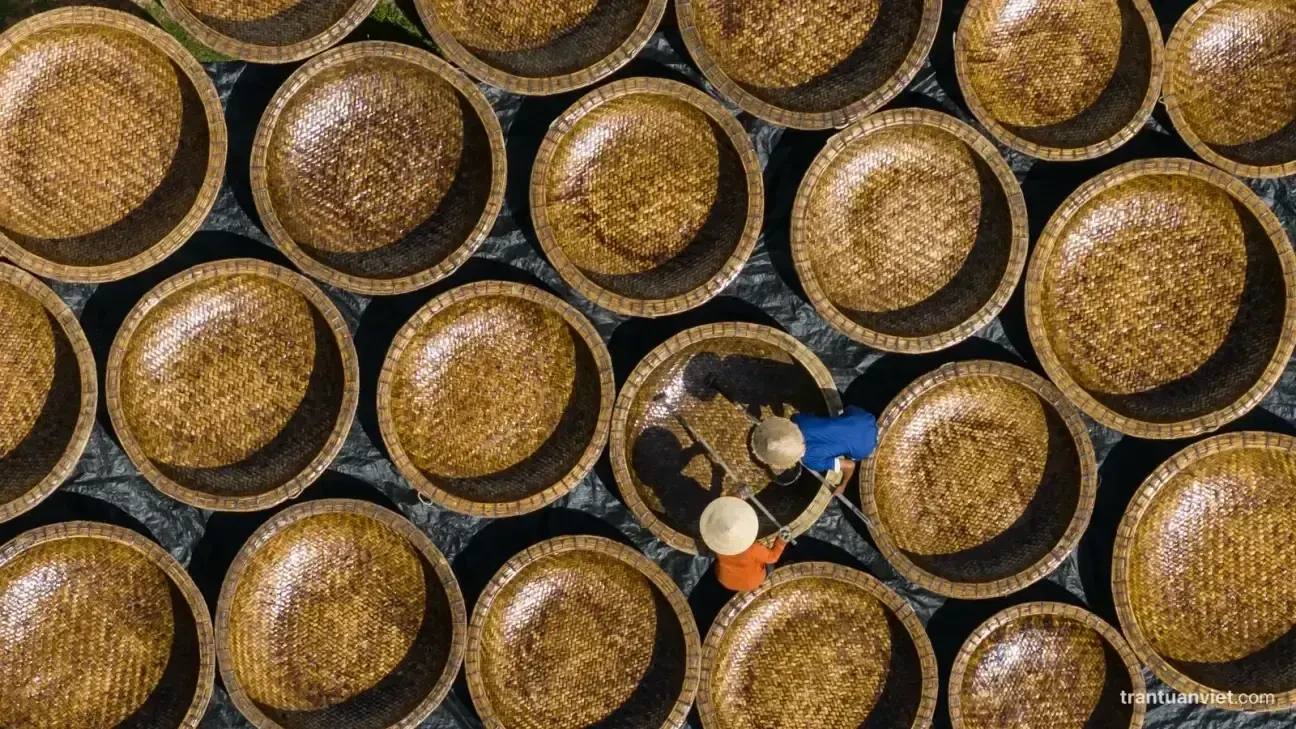
For a truly unique perspective on Coracle Making, drone photography offers incredible possibilities. From the air, you can reveal the patterns of the village, the intricate network of waterways, and the way the coracles are stored or launched. Imagine capturing a flock of finished coracles lined up on the shore, resembling a school of fish, or an aerial view of a craftsman meticulously weaving, his work forming a focal point against the vast expanse of the ocean. When using your drone, remember the regulations and always fly responsibly and ethically. Pay attention to the light; the diffused light of an overcast day can be perfect for drone shots, preventing harsh shadows and revealing subtle details. For drone photography, a mid-morning shoot can offer a good balance of light and activity.
Phu Yen: Conceptualizing Coracle Making
Beyond documentary and travel, Coracle Making in Phu Yen offers fertile ground for conceptual photography. Think about the symbolism inherent in the craft. The coracle itself is a vessel, a link between land and sea, tradition and progress. How can you visually represent this? Perhaps through abstract compositions focusing on the textures and repetitive patterns of the weaving, or by juxtaposing the traditional craft with modern elements found in the surrounding environment. Consider using intentional camera movement (ICM) to create a sense of motion and fluidity, mirroring the movement of the sea or the flow of time.
I often experiment with long exposures when photographing the sea around Phu Yen, and this can be incorporated into Coracle Making shots. Imagine a shot of a finished coracle resting on the shore, with a long exposure of the ocean blurring the waves into a misty veil, creating a dreamlike or timeless quality. This technique requires careful attention to shutter speed and aperture to ensure the static elements, like the coracle, remain sharp while the water provides the artistic blur. Understanding exposure bracketing is also crucial here, as it allows you to capture a wider range of light for HDR processing later, if desired, to enhance the mood.
The year-round availability of this subject is a significant advantage. While the monsoon season (roughly September to December) can bring rain and rougher seas, it also offers dramatic skies and a different mood. The dry season (January to August) provides clear skies and consistent sunshine, ideal for detailed shots and drone work. Each period presents unique photographic challenges and rewards. The best approach is to be prepared for all conditions, carrying appropriate protective gear for your equipment and yourself. My personal trick is to always have a polarizing filter handy; it’s invaluable for cutting glare on water, enhancing blue skies, and boosting saturation, especially on bright, sunny days. This simple accessory can dramatically improve the clarity and impact of your images from Phu Yen.
Ready to capture the full potential of Coracle Making? Join our Vietnam Photo Tours for a guided photography experience designed to master this location and countless others across Vietnam.
More Scenes
Boat Harbor
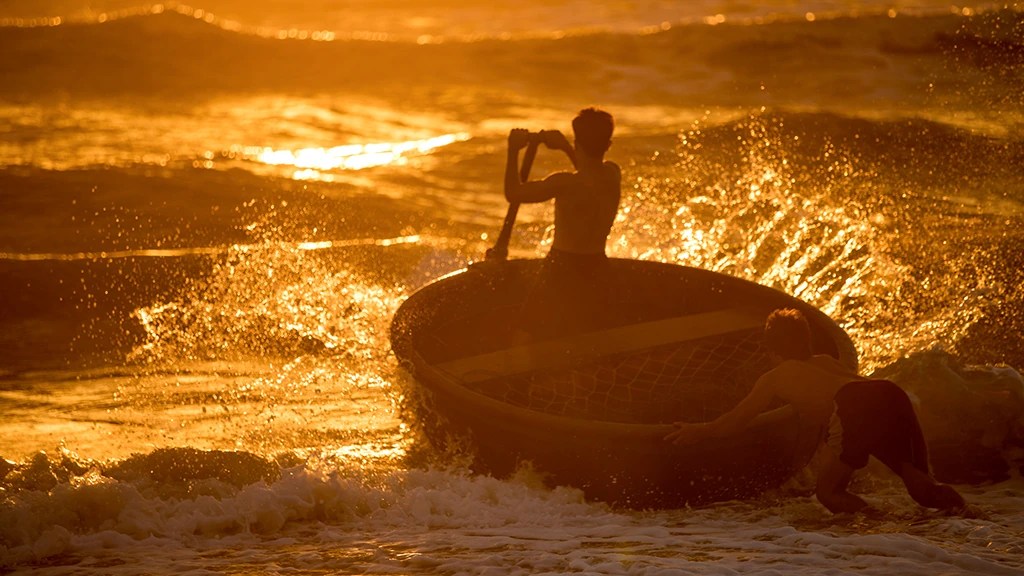
Coracle Fishermen
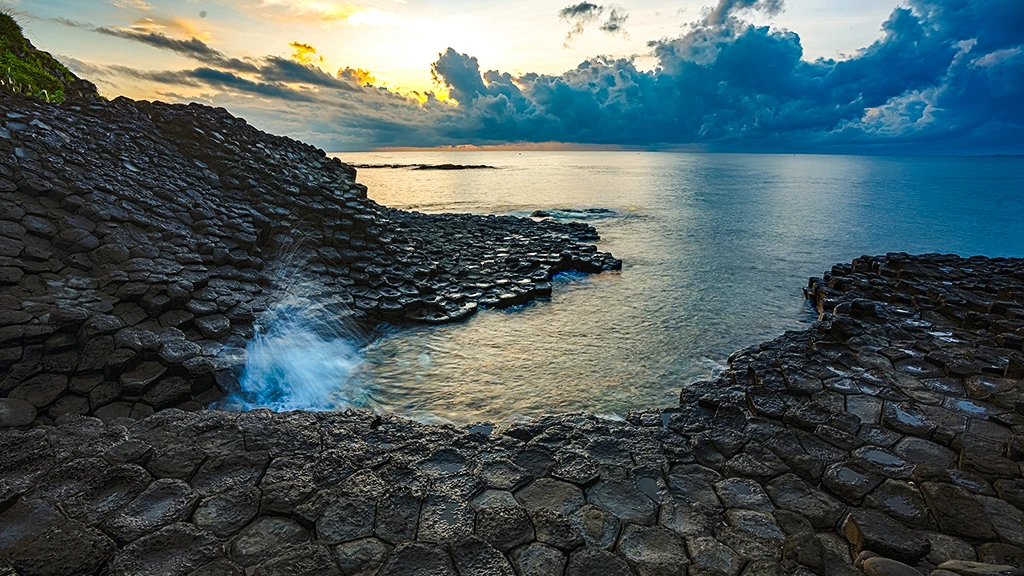
Da Dia Reef
Similar Photography Genre
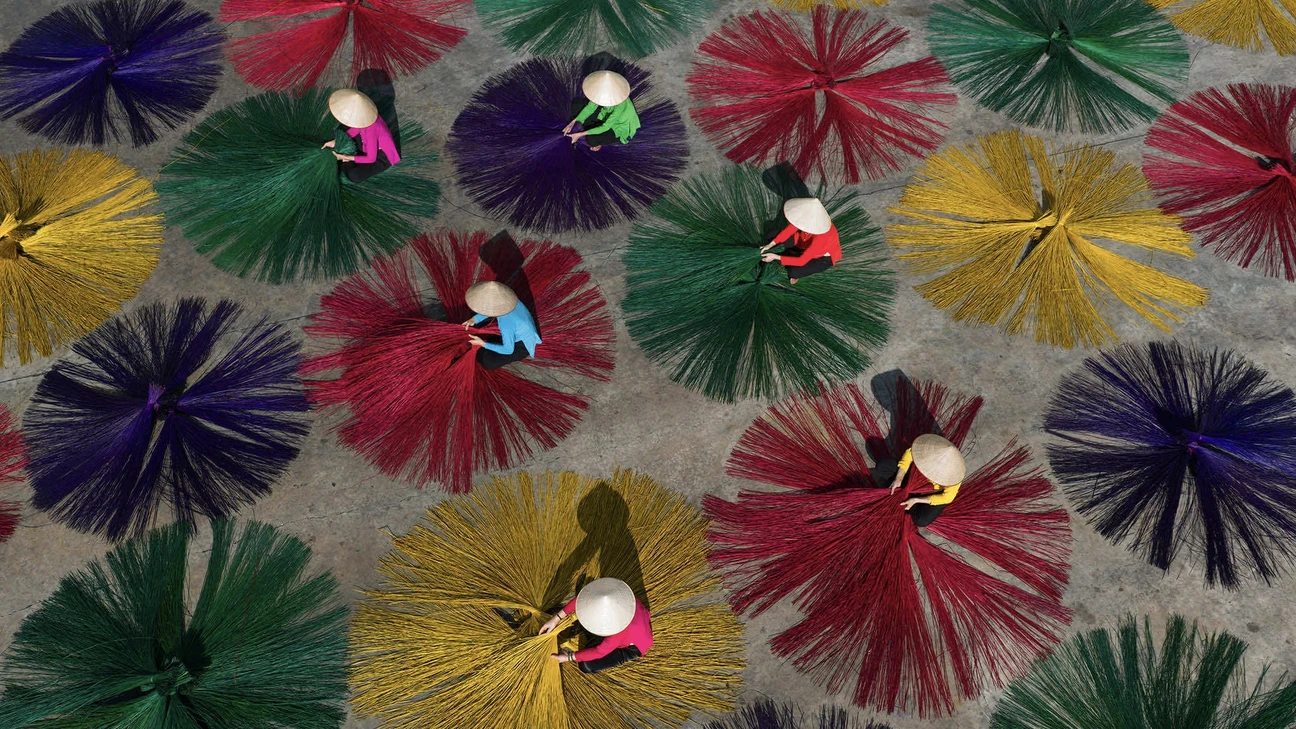
Colorful Sedge
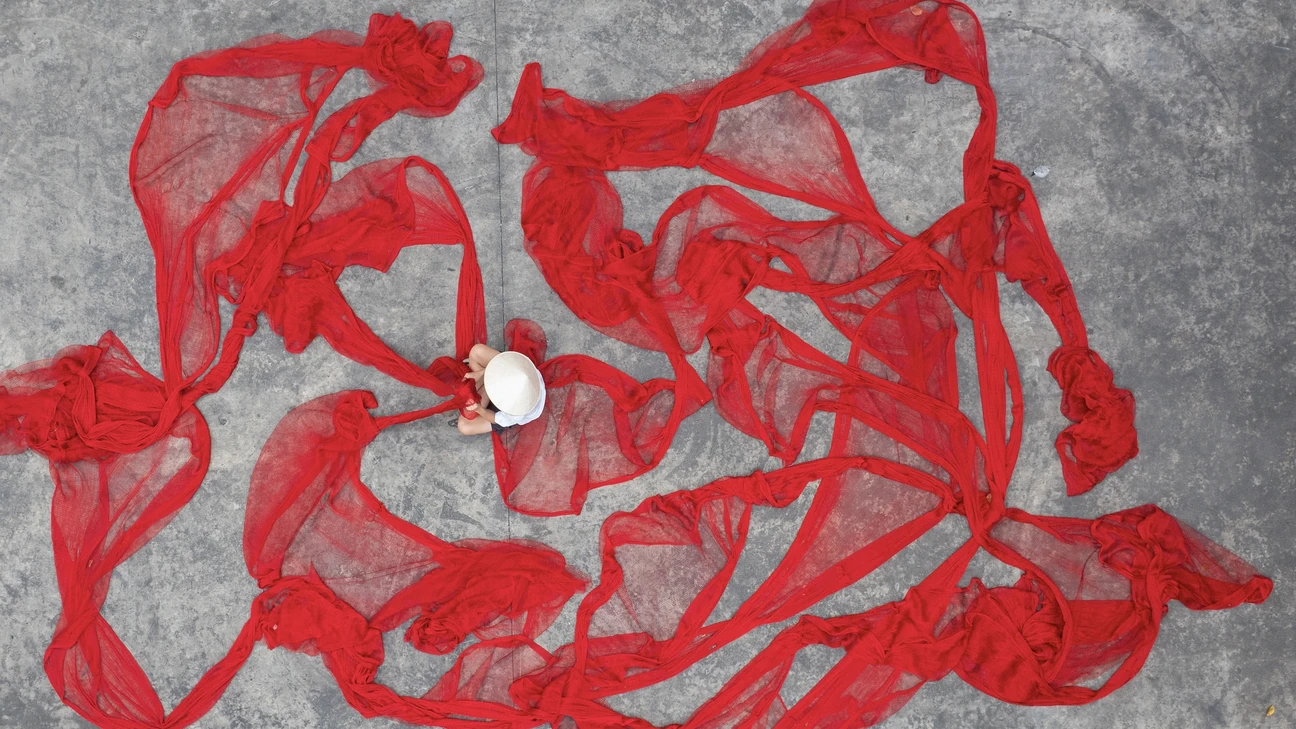
Red Net