Coconut Forest
Capture Vietnam's Coconut Forest, a photographer's dream. Explore lush scenes, unique light, and vibrant colors for stunning compositions.
Capturing the Soul of Vietnam: Mastering the Coconut Forest of Hoi An, Quang Nam, Quang Ngai
As Tran Tuan Viet, the founder of Vietnam Photo Tours, I've spent countless hours exploring and photographing the incredible landscapes and cultural tapestry of Vietnam. Among the most captivating and versatile scenes for any photographer is the Coconut Forest. Found in abundance around the charming ancient town of Hoi An, stretching across Quang Nam and even into Quang Ngai province, these verdant waterways offer a visual feast for landscape, culture, and travel photographers alike. For drone enthusiasts, the aerial perspectives unlock an entirely new dimension of this iconic Vietnamese scenery. The beauty of the Coconut Forest is that it’s a destination that can be explored and captured year-round, offering distinct moods and photographic opportunities in every season.
The Photographic Palette of the Coconut Forest
The Coconut Forest is more than just trees; it's an ecosystem teeming with life and character. For landscape photographers, the visual appeal lies in the geometric patterns of the palm fronds against the sky, the reflections in the often-still water, and the sense of depth created by the dense foliage. My personal approach often involves seeking out leading lines formed by the waterways or the rowing paths of the local fishermen. A wide-angle lens is indispensable here, allowing you to encompass the vastness of the forest and create a sense of immersion. Conversely, a telephoto lens can be used to isolate the textures of the palm leaves or to compress the scene, highlighting the layered depths of the forest.
When shooting from ground level or from a small boat, the low-angle perspective can be incredibly effective. This angle emphasizes the towering presence of the coconut palms and can create dramatic silhouettes, especially during sunrise or sunset. Look for moments where the sunlight filters through the dense canopy, creating dappled light and shadow patterns on the water and boat interiors. This play of light is a critical element for adding depth and mood to your images. Experiment with your exposure settings to retain detail in both the highlights of the sunlit leaves and the shadows within the denser parts of the forest. I often find myself using a graduated neutral density filter to manage the contrast, or bracketing exposures for HDR processing, especially when the sun is high and harsh.
Cultural Encounters within the Coconut Forest
The cultural aspect of the Coconut Forest is deeply intertwined with the lives of the local people. The iconic image of a lone fisherman rowing a basket boat through the winding channels is a quintessential Vietnam shot. To capture this authentically, patience is key. Arrive early in the morning or stay late in the afternoon, when the light is soft and the fishermen are most active. Engage with them respectfully; a smile and a few basic Vietnamese phrases can go a long way. When photographing people, aim for natural, unposed moments. Focus on their hands as they expertly navigate the boat, the texture of their weathered faces, or the simple act of casting a net.
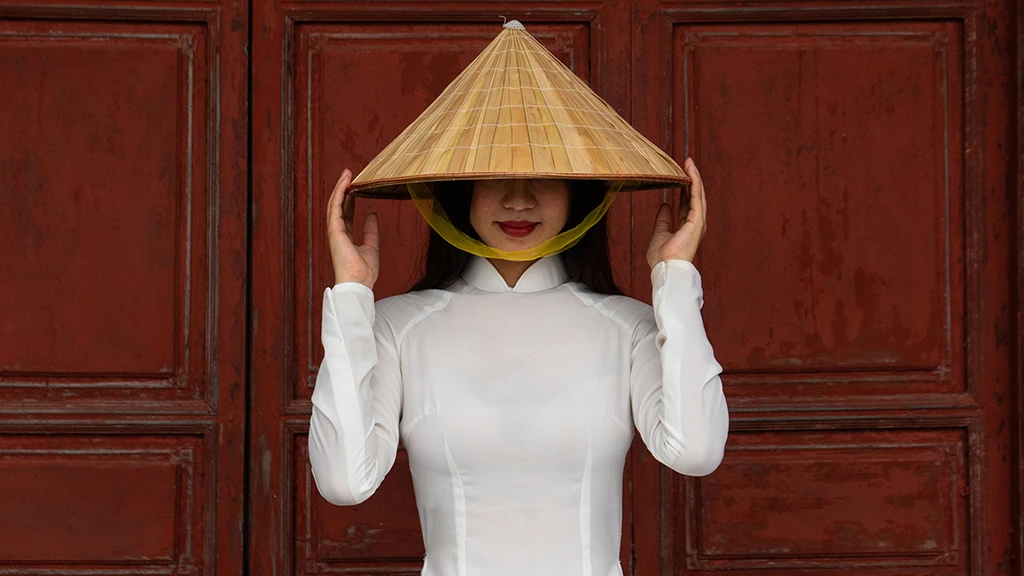
My trick for capturing genuine interaction is to become part of the scene, not just an observer. If you're in a boat, try to get the perspective from within the vessel. This draws the viewer into the experience. For portraiture, consider using a slightly longer focal length (around 85mm on a full-frame camera) to create a flattering compression and a shallow depth of field, which will beautifully isolate your subject against the lush green backdrop. The bokeh created by the foliage can be stunning. Pay attention to the details: the vibrant colors of their conical hats, the worn surfaces of their boats, and the ever-present coconuts being harvested.
Hoi An, Quang Nam, Quang Ngai: Drone Photography Opportunities
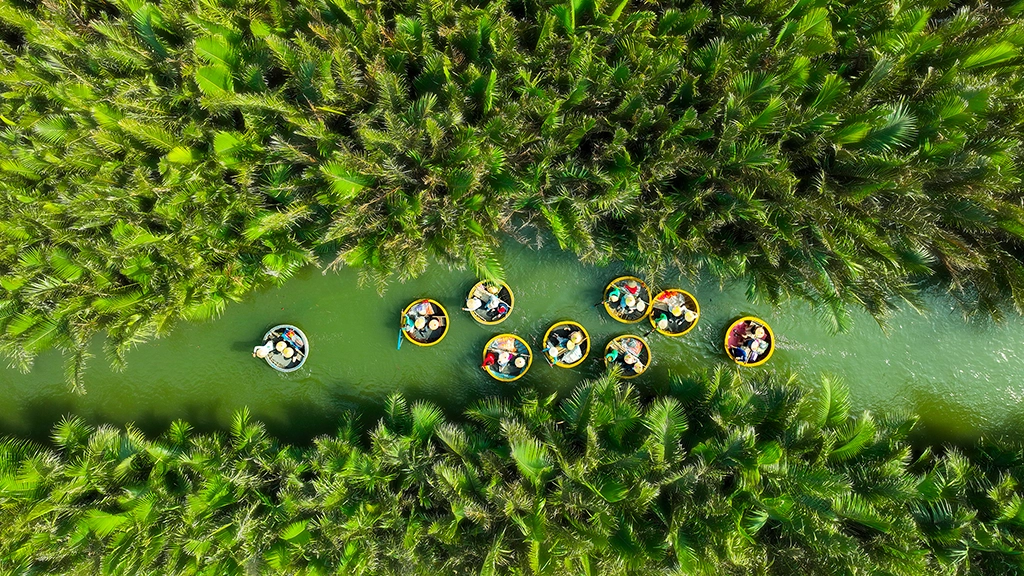
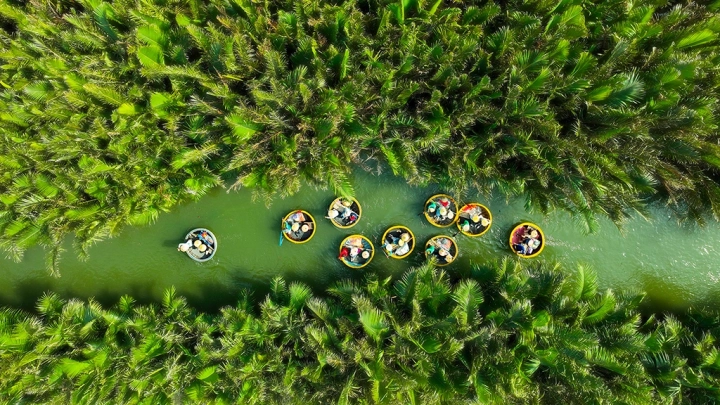
For drone pilots, the Coconut Forest of Hoi An, Quang Nam, and Quang Ngai is a dreamscape. The aerial view reveals the intricate network of waterways, the patterns of the palm groves, and the way human settlements are woven into this natural environment. The key here is understanding the light. Sunrise and sunset offer the most dramatic lighting conditions, with warm, directional light that accentuates textures and creates long shadows. Fly low over the water to capture reflections, or ascend to a higher altitude to reveal the scale and geometry of the forest.
A common challenge with drone photography in such lush environments is maintaining visual clarity and avoiding a "flat" image. I often look for patterns – the swirling water channels, the uniform rows of trees, or the contrast between the green forest and the brown earth. Flying during overcast conditions can also be beneficial, providing a soft, diffused light that reduces harsh shadows and brings out the vibrant greens. However, be mindful of the narrow dynamic range that can sometimes occur in flat light. Pay close attention to the composition in your drone footage; the lack of a clear foreground can sometimes make images feel disconnected. Look for elements like a single boat, a small bridge, or a cluster of houses to anchor your aerial shots.
Seasonal Nuances and Timing Your Visit
While the Coconut Forest is beautiful year-round, each season offers its unique charm. The dry season, typically from January to August, offers clearer skies and more predictable weather, making it ideal for extensive exploration and drone photography. The intense tropical sun during these months can be challenging, demanding careful exposure management and the use of polarizers to manage reflections and saturation. The rainy season, from September to December, brings dramatic skies, lush green vegetation at its peak, and a sense of quiet solitude. The rain itself can be a photographic subject, adding atmosphere and mood to your shots. The reflections on the water become even more pronounced after a rain shower, and the air takes on a fresh, vibrant quality.
My personal favorite times to shoot are the early morning and late afternoon, regardless of the season. The golden hour light casts a warm, soft glow that transforms the forest. The mist that often hangs over the water in the early mornings adds an ethereal quality. I always recommend visiting during the weekdays to avoid larger crowds, allowing for a more intimate photographic experience. Remember that conditions can change rapidly in Vietnam, so being adaptable is a photographer's greatest asset. A good sturdy tripod is essential if you plan on shooting in low light or capturing smooth, cinematic drone footage.
The Coconut Forest in Hoi An, Quang Nam, and Quang Ngai is a place that rewards the patient and observant photographer. It’s a scene that constantly offers new perspectives and tells a story of nature and human life intertwined. The interplay of light, water, and lush vegetation, combined with the rich cultural heritage of the region, makes it an unparalleled photographic destination.
Ready to capture the full potential of the Coconut Forest and more of Vietnam's stunning landscapes and culture? Join our Vietnam Photo Tours, led by Tran Tuan Viet himself, for a guided photography experience designed to master this location and unlock your creative vision. Let us share the secrets of capturing Vietnam's magic with you.
More Scenes
Ao Dai Model
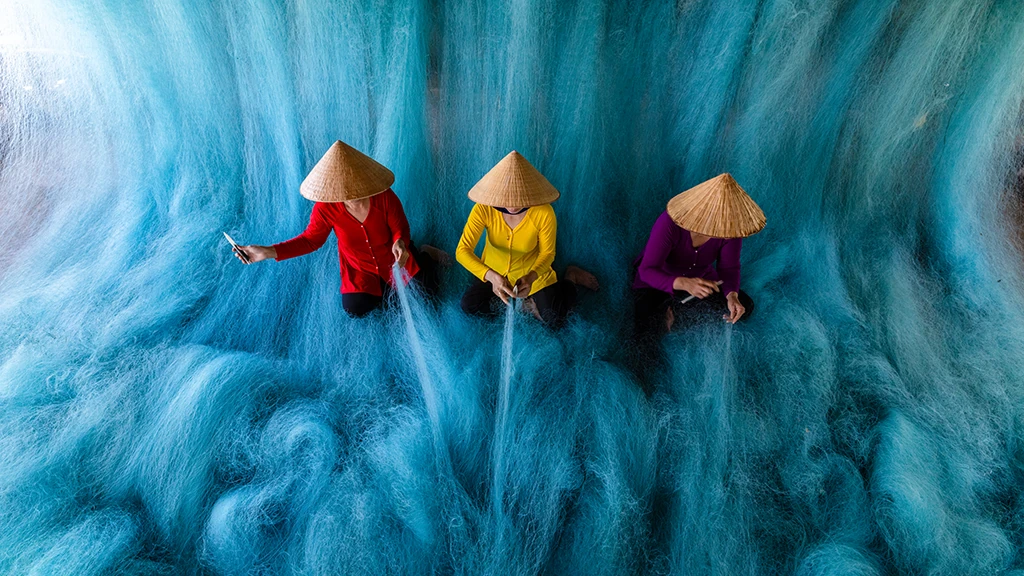
Blue Net
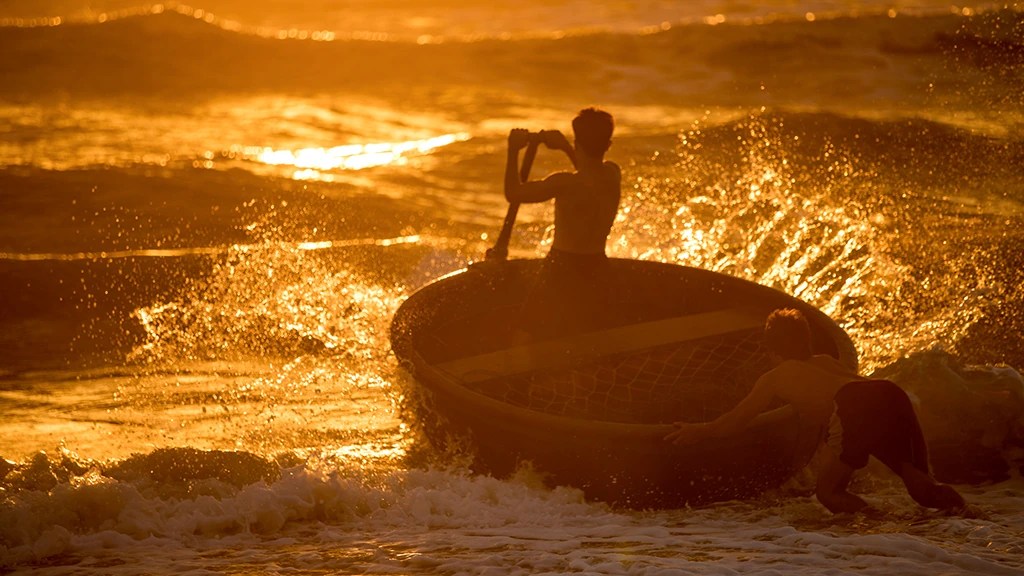
Coracle Fishermen
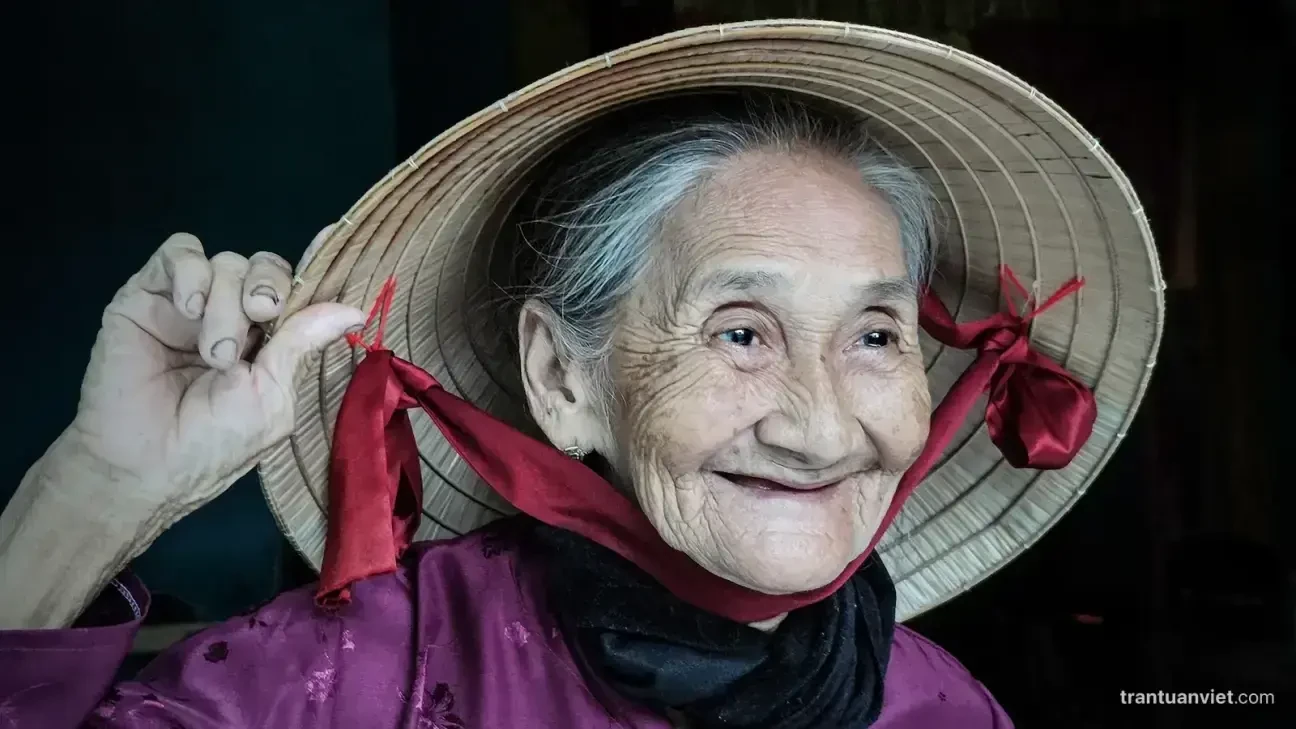
Elder Portraits
Similar Photography Genre
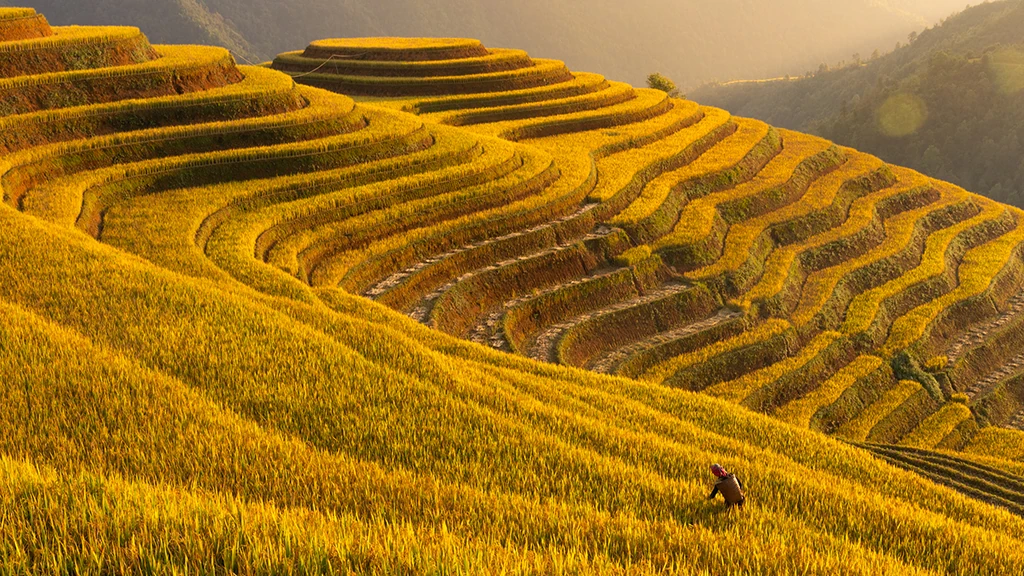
Rice Terraces