Clam Hut
Discover Vietnam's Clam Hut: capture coastal light, unique livelihoods, and striking compositions. Essential Vietnamese photo opportunities await.
Thai Binh: Capturing the Soul of the Clam Hut Landscape
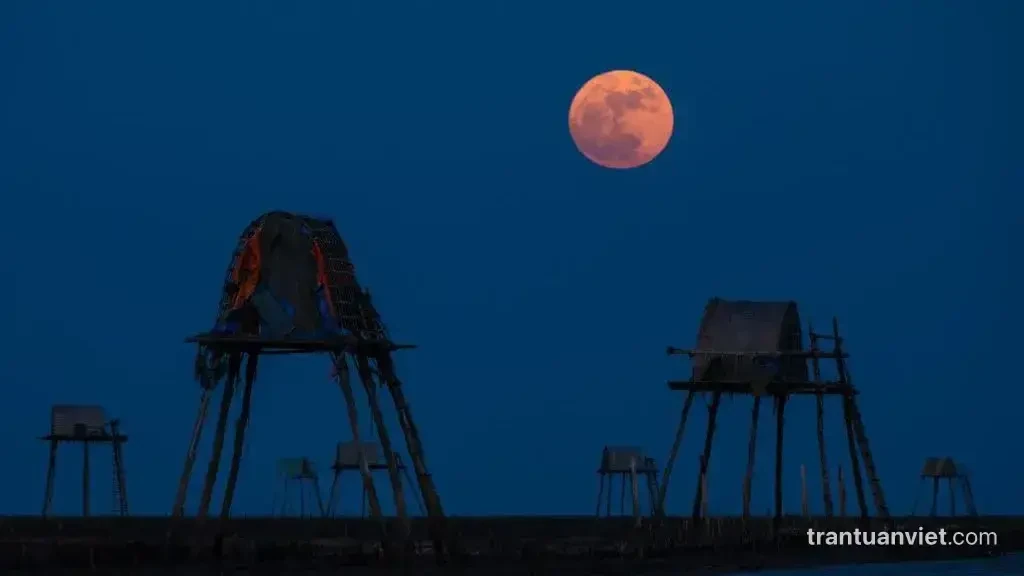
As the founder of Vietnam Photo Tours, my journey through Vietnam has been a lifelong pursuit of visual storytelling, and few places resonate with the quiet, profound beauty of the Clam Hut landscapes in Thai Binh. This isn't a location that screams for attention; rather, it whispers its stories to those patient enough to listen and observe. My years of guiding photographers here have taught me that mastering the Clam Hut requires a deep understanding of light, atmosphere, and the subtle rhythms of coastal Vietnamese life. We’re dealing with a genre of landscape photography that’s intimate and evocative, focusing on the interplay between human endeavor and the natural environment.
The beauty of the Clam Hut areas in Thai Binh is that they offer compelling photographic opportunities year-round. While each season brings its own unique palette and mood, there’s rarely a bad time to visit. However, if I were to pick my personal favorites, it would be during the transitional periods of spring and autumn. These months often provide a softer, more diffused light, which is incredibly flattering for the textures of the clam farms and the weathered structures of the huts. The humidity, a constant companion in Vietnam, tends to be less oppressive, making long days in the field more enjoyable. Summer, with its intense sunlight, presents its own challenges and rewards – think stark contrasts and dramatic skies – while winter offers a crispness and clarity that can be equally stunning. The key is to embrace whatever conditions Mother Nature presents.
Thai Binh: Compositional Strategies for the Clam Hut
When approaching the Clam Hut landscape, the first thing I advise my photographers to consider is composition. These aren't grand, sweeping vistas in the traditional sense. Instead, the visual appeal lies in the intricate patterns created by the clam farming infrastructure, the rustic geometry of the huts, and the reflections in the water. My go-to technique here is to seek out leading lines. The wooden stakes that mark out the clam beds, the walkways, and even the shallow channels of water can all serve as powerful lines that guide the viewer’s eye into the frame. I often look for ways to incorporate these lines to lead towards a focal point, perhaps a lone hut silhouetted against the sky or a small fishing boat navigating the waterways.
Another essential compositional element for the Clam Hut is symmetry and repetition. The repetitive nature of the clam stakes, stretching out in neat rows across the water, creates a mesmerizing pattern that can be exploited. When the water is calm, the reflections double this effect, amplifying the sense of order and rhythm. I often shoot at a lower angle to emphasize these reflections, sometimes even placing the horizon line in the upper third of the frame to give more visual weight to the mirrored world below. This creates a sense of depth and a dreamlike quality that is particularly captivating in the soft light of early morning or late afternoon. Don't be afraid to experiment with very wide-angle lenses to capture the expansive patterns, but also carry a telephoto lens to isolate details – the weathered wood, a farmer’s weathered hands, or a flock of egrets taking flight.
The Art of Reflective Photography at the Clam Hut
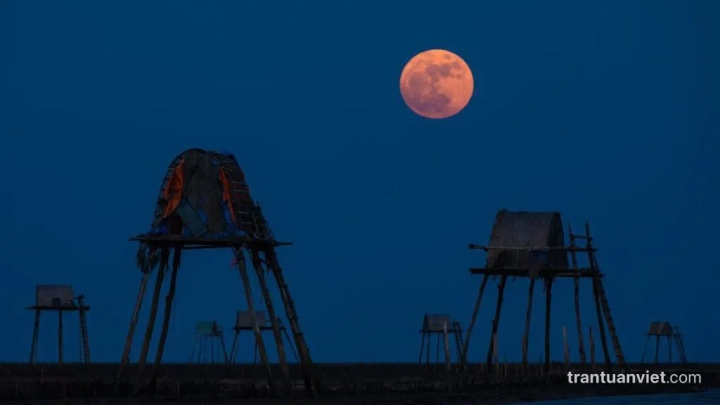
The presence of water is, of course, a defining characteristic of the Clam Hut environment in Thai Binh. This is where the magic of reflections truly comes alive. For photographers, this means embracing opportunities for mirrored compositions. The best time for this is usually when the water is at its stillest, which often occurs in the early morning before the wind picks up or late in the evening. Even a slight ripple can break up the reflection, so patience is key. I often recommend using a polarizing filter to manage surface glare and enhance the saturation of the sky and its reflection. This single accessory can dramatically improve the quality of your reflective shots, turning a washed-out image into something vibrant and deep.
My personal trick for enhancing reflections is to shoot just after a light rain shower. The residual water on the wooden structures and the fresh, clean surface of the tidal flats create incredibly sharp and vivid reflections. It also adds a moody atmosphere, with mist often lingering over the water, lending a sense of mystery to the scene. When working with reflections, I also find that using a slightly longer exposure time can smooth out any remaining subtle ripples, further perfecting the mirrored effect. The goal is to create a sense of balance and harmony between the real and the reflected world. This often means carefully considering the horizon line, sometimes placing it right in the middle of the frame for a perfect split, or deliberately offsetting it to create a more dynamic composition.
Thai Binh: Mastering Light and Atmosphere
Light is the undisputed king in landscape photography, and nowhere is this truer than in the Clam Hut landscapes of Thai Binh. The tropical sun can be harsh, creating high contrast and narrow dynamic range. Therefore, understanding and utilizing the softer light of the golden hour is paramount. The hour after sunrise and the hour before sunset bathe the scene in a warm, directional light that sculpts the textures of the clam stakes and huts, revealing their character. During these times, the sky often erupts in a spectacle of color, which is beautifully mirrored in the shallow waters, providing incredible opportunities for vibrant images.
Beyond the golden hour, don't discount the power of overcast or misty conditions. While it might seem challenging, these diffused light situations can be incredibly beneficial for capturing the subtle nuances of the Clam Hut. The soft, even light eliminates harsh shadows, allowing for a greater appreciation of form and texture. Furthermore, mist can add a layer of atmosphere and depth, transforming a straightforward scene into something ethereal and evocative. When shooting in such conditions, I focus on maximizing contrast through careful exposure and post-processing. Shooting in RAW format is absolutely essential here, as it provides the greatest flexibility for recovering details in both the highlights and shadows. Embracing the atmospheric conditions, rather than fighting them, is often the secret to capturing truly memorable images of the Clam Hut.
Insider Tricks for Thai Binh Photography
One of the most significant advantages of working with Vietnam Photo Tours is the local knowledge we bring. For the Clam Hut, this means knowing the tides. The ebb and flow of the tide dramatically alter the landscape, revealing or submerging different elements. Understanding the tidal charts allows us to be in the right place at the right time, whether it's to capture the intricate patterns of the clam beds at low tide or the tranquil reflections of the high tide. This is a critical element that most photographers visiting the region might overlook.
My personal photography trick for the Clam Hut is to look for the human element, even in a landscape shot. The hardworking individuals who tend these farms often add a crucial narrative to the scene. Capturing a farmer tending to their crops, or a boatman navigating the channels, can elevate a good landscape image into a compelling story. However, it's important to do this respectfully, always seeking permission where appropriate. I often use a slightly longer lens to discreetly capture these moments from a distance, allowing them to blend naturally into the wider landscape. Furthermore, always be prepared for unexpected weather. Vietnam’s climate can be dynamic, and a sudden downpour can offer incredible opportunities for dramatic skies and reflections. Having a sturdy tripod and a good rain cover for your gear is non-negotiable for anyone serious about capturing the Clam Hut.
The Clam Hut in Thai Binh is a location that rewards patience, observation, and a willingness to adapt. It’s a place where the photographer can truly connect with the land and the people. By understanding the interplay of light, water, and human endeavor, and by employing thoughtful compositional techniques, you can create images that are not just photographs, but profound visual statements. The year-round accessibility means that this unique landscape is always ready to be explored, offering new perspectives with every visit.
Ready to capture the full potential of the Clam Hut? Join our Vietnam Photo Tours led by Tran Tuan Viet for a guided photography experience designed to master this location, learn insider techniques, and create truly unforgettable images. We’ll navigate the tides, chase the light, and unlock the artistic secrets of this incredible Vietnamese landscape together.
More Scenes
Basket Village
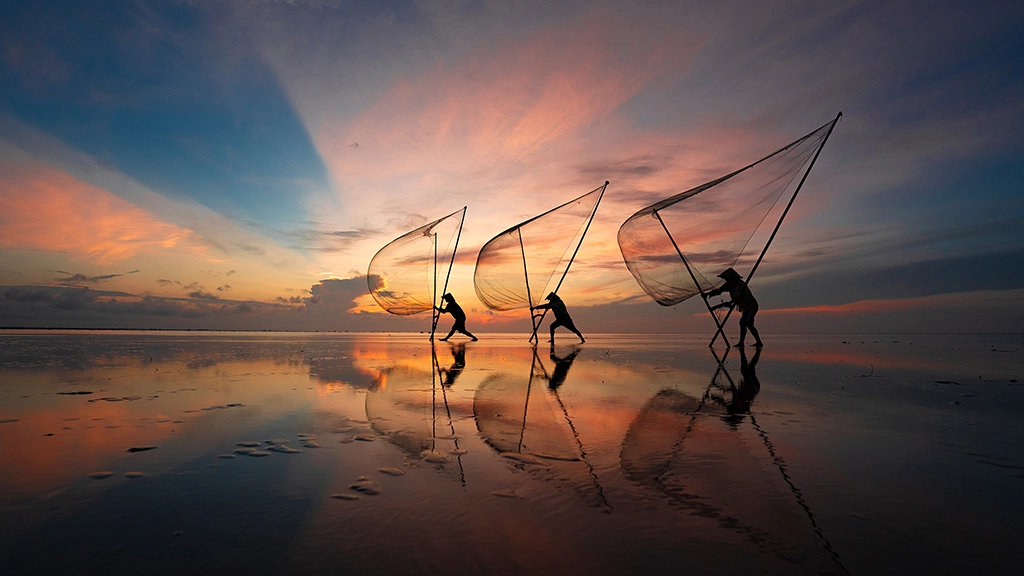
Infinite Beach
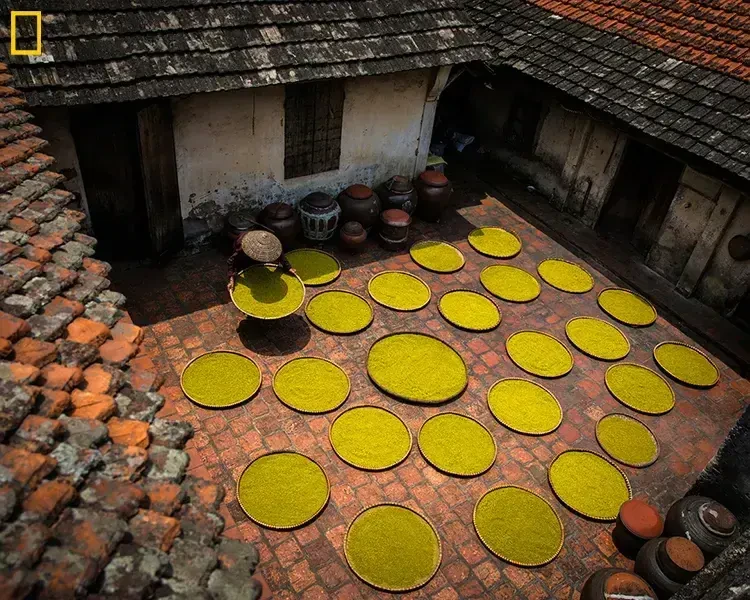
Soy Sauce
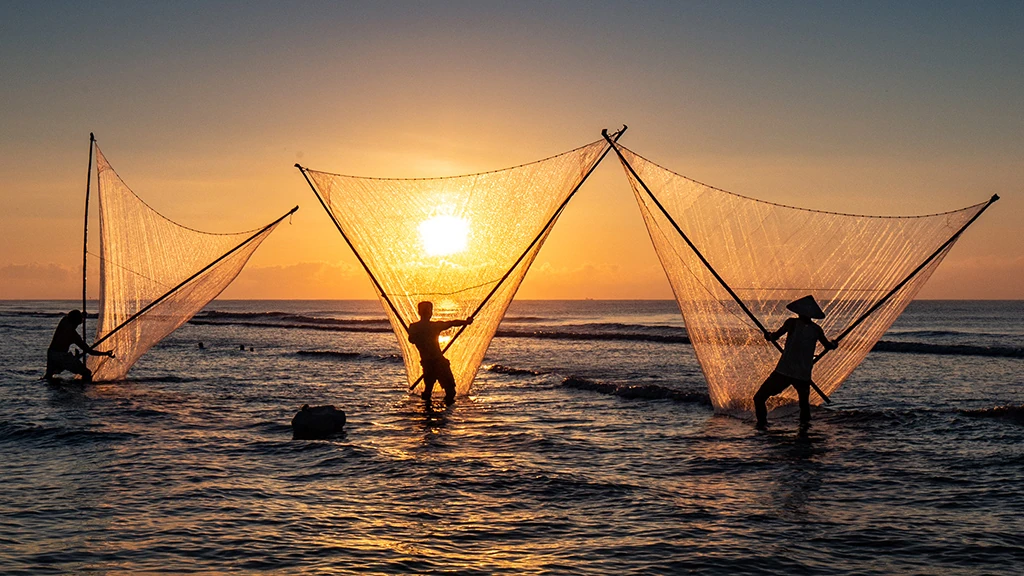
V-Shape Net
Similar Photography Genre
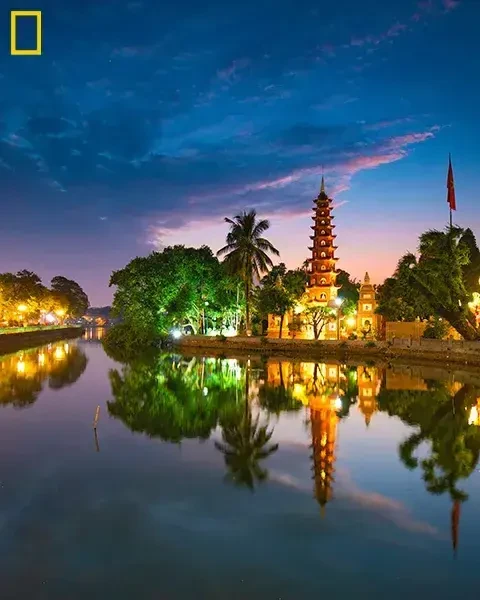
Tran Quoc Pagoda