Chams People
Vietnam Chams People: Capture unique portraits, vibrant culture, and golden hour light. Expert photo opportunities await this unforgettable scene.
Capturing the Spirit of Chams People in Binh Thuan, Ninh Thuan
As a photographer deeply immersed in the vibrant tapestry of Vietnam, I've had the privilege of witnessing and documenting countless cultural facets. Among the most visually arresting and spiritually rich subjects are the Chams People. Found predominantly in the sun-drenched provinces of Binh Thuan and Ninh Thuan, these communities offer unparalleled opportunities for both portraiture and cultural documentation. My years with Vietnam Photo Tours have taught me that capturing the essence of Chams People is not just about pointing a camera; it's about understanding their history, respecting their traditions, and seeing the world through their eyes. This guide, curated from my personal experiences, will equip you to do just that.
Portraiture Techniques for Chams People
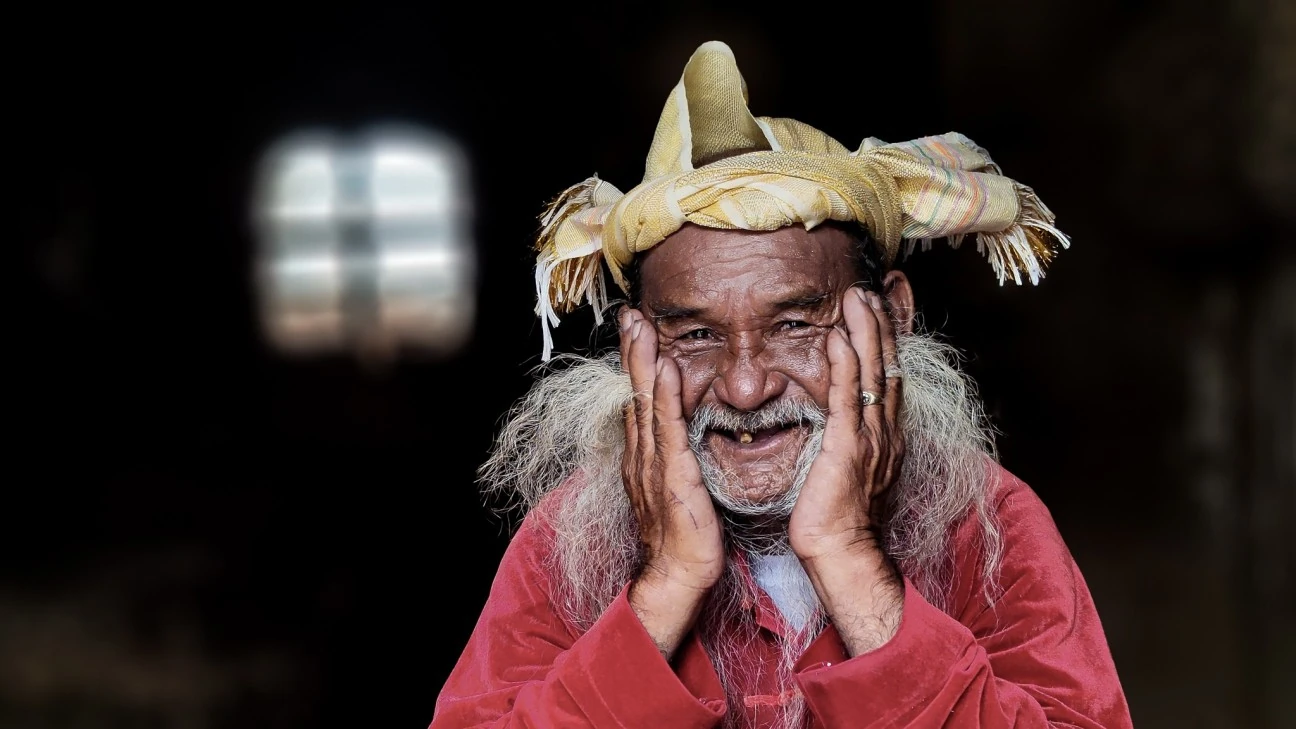
The people of the Chams communities are known for their resilience and profound connection to their heritage. When approaching portraiture, my primary goal is to elicit a sense of dignity and individual character. The harsh, bright sunlight in Binh Thuan and Ninh Thuan can be a challenge, often leading to blown-out highlights and deep shadows, a condition that tests any photographer's control over dynamic range. My personal trick here is to embrace it, but with a strategy. I often look for open shade – the cool, diffused light under a porch, within a doorway, or beside a traditional Cham house. This softens the light and provides a more flattering illumination on the subject’s face. If I must shoot in direct sun, I employ a large diffuser or reflector to control the light falling on my subject, creating a more balanced exposure.
Lens choice is also crucial. For intimate portraits, a 85mm prime lens is my go-to. It allows me to create a pleasing background blur (bokeh) that isolates the subject and emphasizes their expression, while also maintaining a comfortable working distance that doesn't make them feel intimidated. When I want to include more of their environment or tell a broader story, I might opt for a 35mm or 50mm lens, forcing me to get closer compositionally and build a stronger connection.
Working with Natural Light and Exposure
The light in these coastal provinces is intensely beautiful, especially during the golden hour. Early morning and late afternoon offer a warm, soft light that is incredibly forgiving and adds a magical quality to portraits. I make it a point to schedule my shoots during these times whenever possible. For Chams People, whose lives are often intertwined with agriculture and the sea, this light can beautifully highlight the textures of their skin, the details of their traditional attire, and the landscape they inhabit. When shooting portraits, I often aim for a slightly underexposed image in my camera's RAW file. This preserves detail in the brightest areas, allowing for more flexibility in post-processing to bring up the shadows without introducing excessive noise. Understanding the metering modes of your camera – whether it's evaluative, center-weighted, or spot metering – is a critical element for managing the challenging light conditions prevalent here.
Documenting Cham Culture Visually
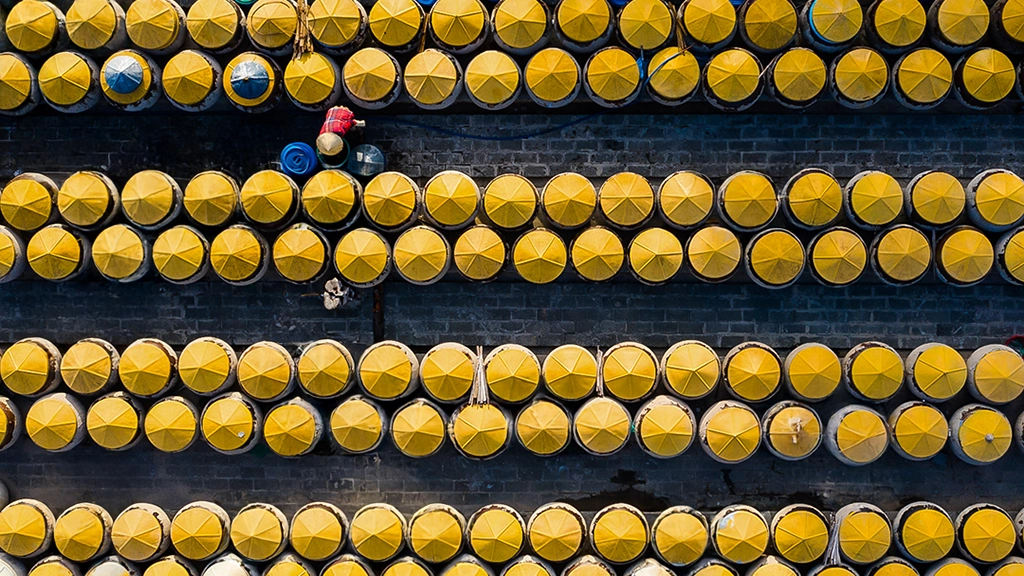
Beyond individual portraits, the true magic of Chams People lies in their vibrant cultural practices. These include intricate weaving, pottery making, traditional ceremonies, and daily life in their villages. To capture this cultural narrative, I focus on compositional storytelling. This means looking for moments of interaction, the hands that perform the crafts, the tools used, and the expressions of concentration or joy. Wide-angle lenses (like a 24mm or 35mm) are excellent for capturing the context of these activities, showing the environment and the community at work or celebrating. I also look for leading lines – the rows of pottery, the patterns in woven textiles, or the paths through the village – to guide the viewer’s eye through the frame and reinforce the cultural narrative.
Chams People: Seasonal Considerations and Timing
While the Chams People's culture is accessible year-round, each season offers unique photographic opportunities. The best months to capture Chams People are truly year-round, as their traditions are persistent. However, the dry season (typically November to April) offers more predictable weather and consistent, often harsher, sunlight, which can be used creatively. The rainy season (May to October) brings lush greenery and dramatic skies, offering softer light and unique atmospheric conditions, though it requires flexibility in planning. I often find that the monsoon rains can create incredibly dramatic backdrops for village scenes or agricultural activities, adding a sense of drama and realism. Planning shoots around local festivals, though not always predictable, can yield spectacular results, but requires deep local knowledge and prior arrangements.
Personal Photography Tricks for Chams People
One of the most valuable lessons I've learned from years of working with diverse communities in Vietnam, including the Chams People, is the importance of patience and building rapport. Before I even lift my camera, I spend time observing, listening, and, if possible, conversing with the villagers. Offering a small, respectful gift – perhaps some sweets or basic supplies if appropriate – can go a long way. When I photograph individuals, I avoid intrusive flashes whenever possible. Instead, I rely on available light and my understanding of its direction and quality. If I need to use flash, I always try to bounce it off a nearby surface (a wall, a ceiling) or use a diffuser to soften the light and make it look more natural. This approach ensures that the resulting images feel authentic and respectful.
Another personal technique I employ is to actively seek out reflections. Whether it's in a puddle after a rain shower, a polished piece of pottery, or a calm water surface, reflections can add an artistic and symbolic layer to my photographs of Chams People. It forces me to look at the scene from a different perspective and can lead to exceptionally compelling compositions. For me, mastering the Chams People in Binh Thuan and Ninh Thuan is an ongoing journey of discovery, one that rewards a photographer who is willing to engage, observe, and adapt. My expertise and that of Vietnam Photo Tours are dedicated to sharing these insights and guiding you to create truly memorable imagery.
Ready to capture the full potential of Chams People? Join our Vietnam Photo Tours for a guided photography experience designed to master this location and its rich cultural narratives. With our expert guidance, you'll learn the specific techniques and gain the insider knowledge necessary to create stunning, respectful, and compelling images of the Chams People in Binh Thuan and Ninh Thuan.
More Scenes
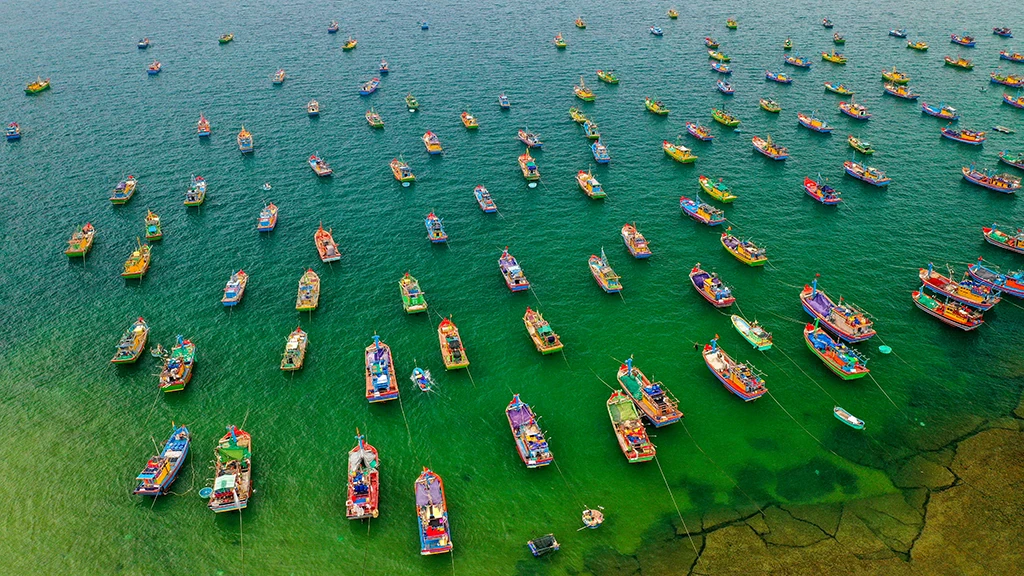
Boat Harbor
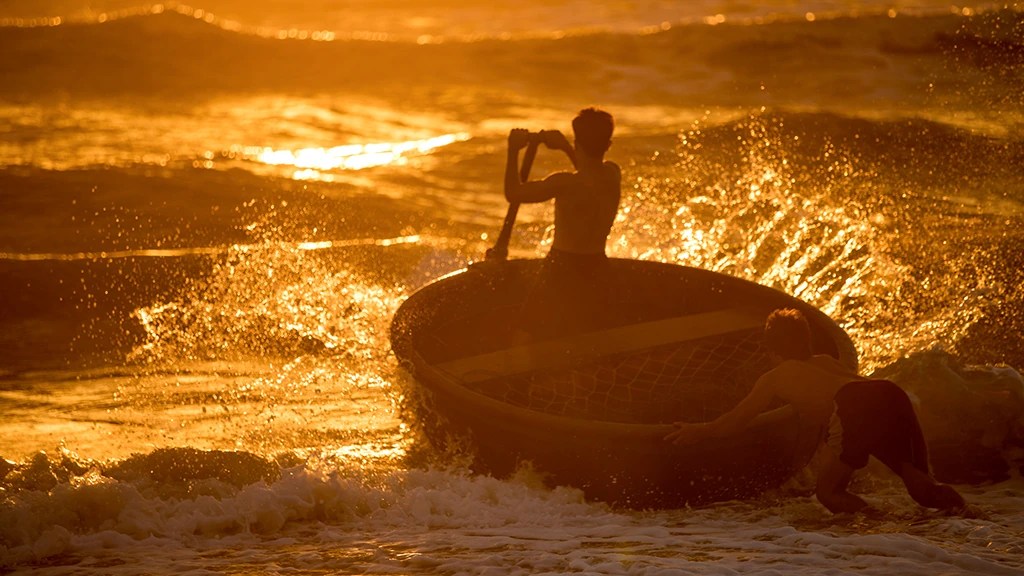
Coracle Fishermen
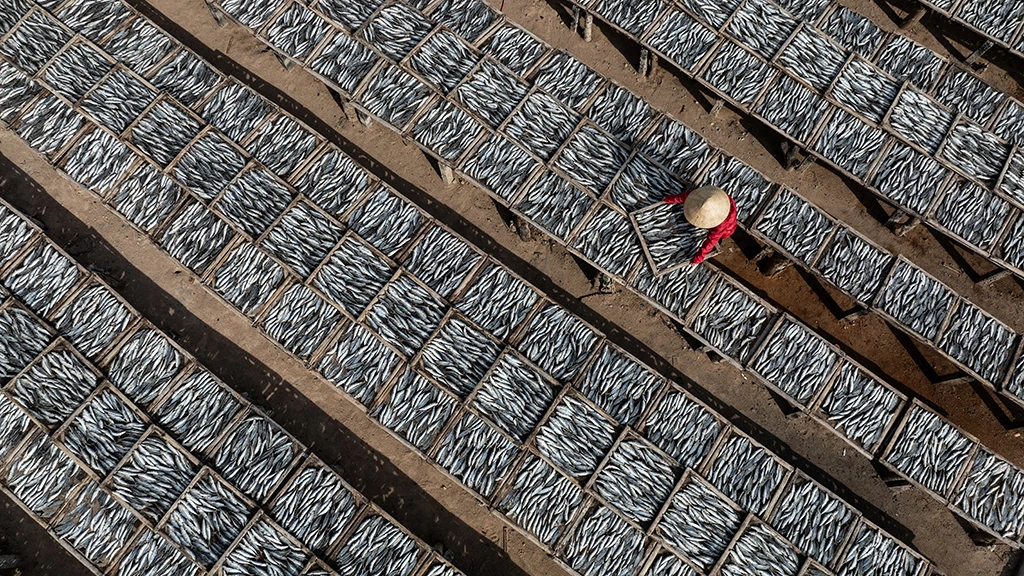
Drying Fish