Cha Forest
Discover Cha Forest Vietnam: Capture ethereal light, lush textures, and unique compositions for breathtaking landscape photography. Unforgettable visuals await.
Hue: Capturing the Mystical Cha Forest
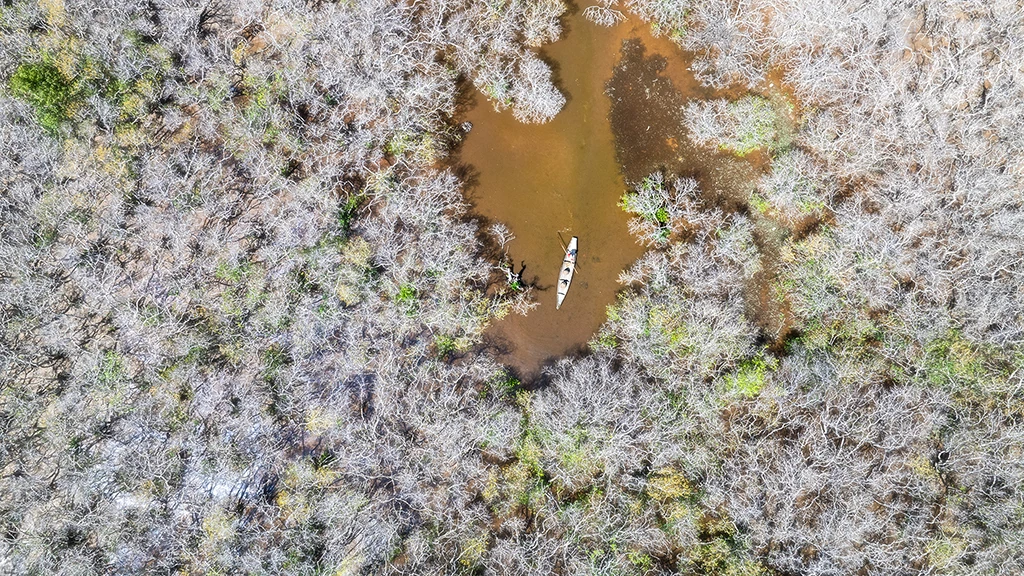
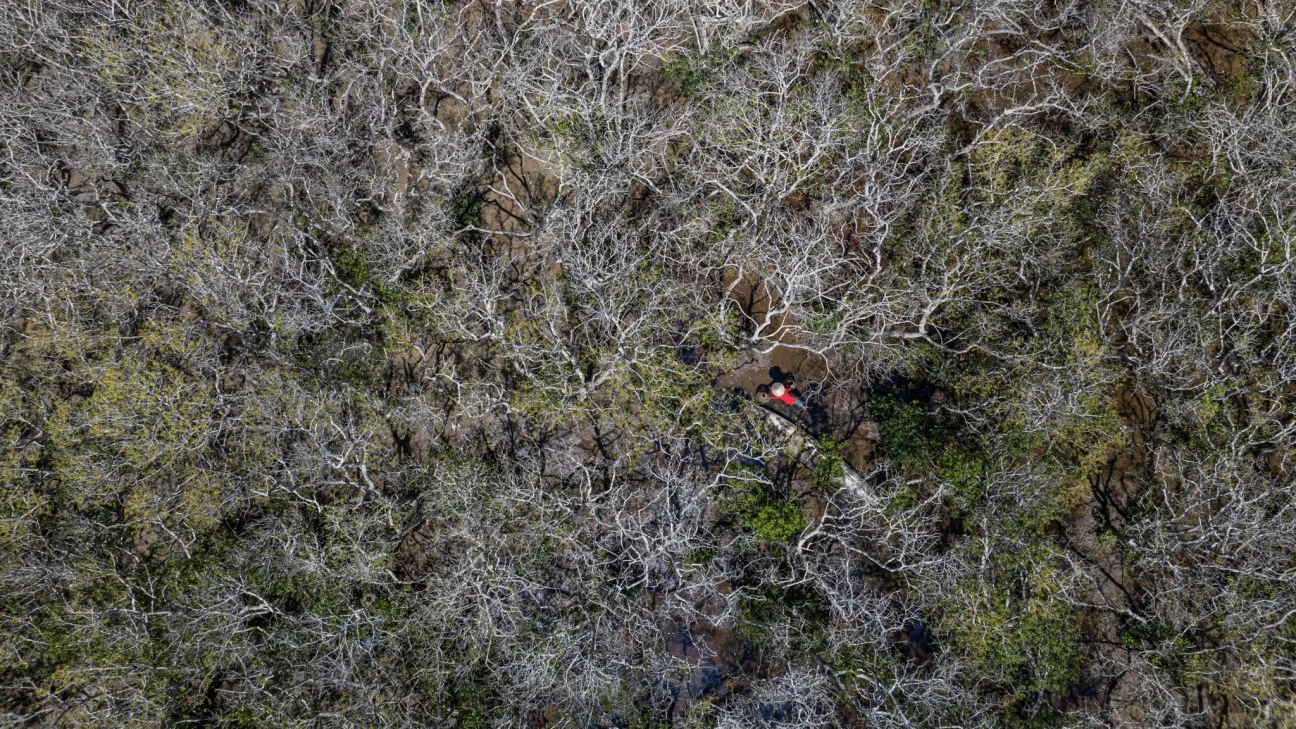
The Cha Forest near Hue, Vietnam, offers a unique photographic challenge and reward, especially for landscape photographers. Unlike the dramatic peaks of the north or the sprawling deltas of the south, Cha Forest presents a more intimate, almost spiritual, landscape. My years exploring this region with Vietnam Photo Tours have taught me that its magic lies not in grand vistas, but in the subtle interplay of light, texture, and the verdant embrace of nature. For those seeking to refine their landscape photography skills in a truly evocative Vietnamese setting, Cha Forest is an exceptional canvas.
Hue: Mastering Light and Atmosphere in Cha Forest
The key to unlocking the photographic potential of Cha Forest is understanding its light. Hue experiences a distinct tropical climate, and while it can be humid year-round, the months of September and October offer a window of opportunity that is particularly kind to photographers. During these months, the intense heat of summer begins to recede, and the atmosphere can become incredibly conducive to capturing depth and mood. Think soft, diffused light in the early mornings and late afternoons, which minimizes harsh shadows and accentuates the rich, earthy tones of the forest floor and the vibrant greens of the foliage.
One of my personal tricks for photographing Cha Forest is to embrace the mist. While many photographers might see fog as an impediment, I view it as a painter’s brush. Especially in September and October, after a night of rain or during a cool morning, pockets of mist often linger amongst the trees. This mist can lend an ethereal quality to your images, softening details, creating a sense of mystery, and adding layers of depth to your compositions. To capture this effectively, I often use a slightly longer exposure time, perhaps 1/15th of a second or even slower, to allow the movement of the mist to register as soft blurs, enhancing the dreamlike atmosphere. A sturdy tripod is, of course, essential for these slower shutter speeds to ensure sharpness in your foreground elements.
Compositional Strategies for Cha Forest
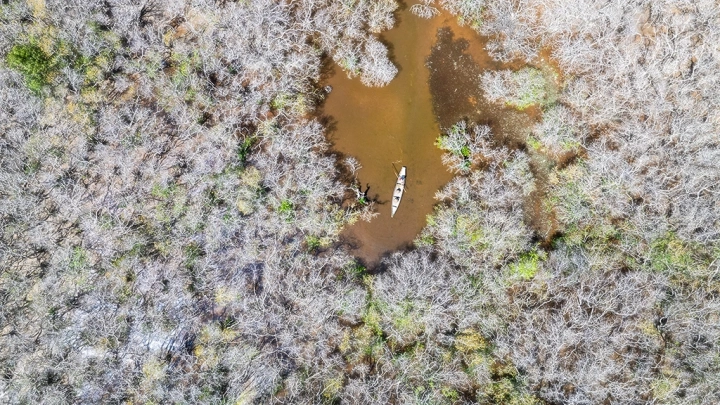
Compositionally, Cha Forest encourages a move away from wide, sweeping landscapes. Instead, focus on the details. Look for leading lines created by fallen logs, winding roots, or the dappled patterns of sunlight filtering through the canopy. These elements can draw the viewer’s eye deeper into the frame. Consider using a medium telephoto lens, around 70-200mm, to isolate interesting textures, such as moss-covered bark, intricate fern fronds, or the delicate veins of a fallen leaf. This approach allows you to tell a story about the micro-environment within the larger forest.
When the light is particularly striking, perhaps a shaft of sunlight breaking through the dense canopy, use it to your advantage. Position yourself so this light illuminates a specific subject – a unique tree trunk, a patch of vibrant fungi, or even just the texture of the forest floor. This creates a natural spotlight effect, adding drama and focus. I also often recommend looking for opportunities to frame your shots using natural elements, such as branches or foliage, to create a sense of depth and context. This technique is a critical element in making your forest photographs more immersive.
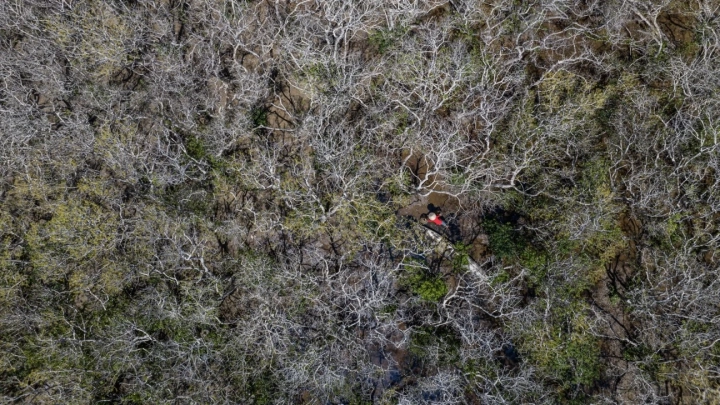
Technical Considerations for Hue's Forest Photography
The dynamic range in a dense forest can be a significant challenge. You’ll often find yourself with bright highlights where the sun breaks through and deep shadows in the undergrowth. To combat this, bracketing your exposures is a valuable technique. Take multiple shots of the same scene at different exposure levels – one for the highlights, one for the mid-tones, and one for the shadows. These can then be combined in post-processing using HDR (High Dynamic Range) techniques to retain detail in both the brightest and darkest areas. Alternatively, shooting in RAW format provides the most flexibility for recovering shadow and highlight detail during editing.
For focus, consider using selective focus to draw attention to your main subject. A wider aperture, like f/2.8 or f/4, can help blur the background and make your chosen element stand out. However, be mindful of the depth of field; in a dense forest, you might need to stop down slightly to ensure that your intended subject is sufficiently sharp, especially if it’s not very close to the camera. I often experiment with focusing on the nearest point of interest that I want to be sharp, allowing the background to fall away naturally.
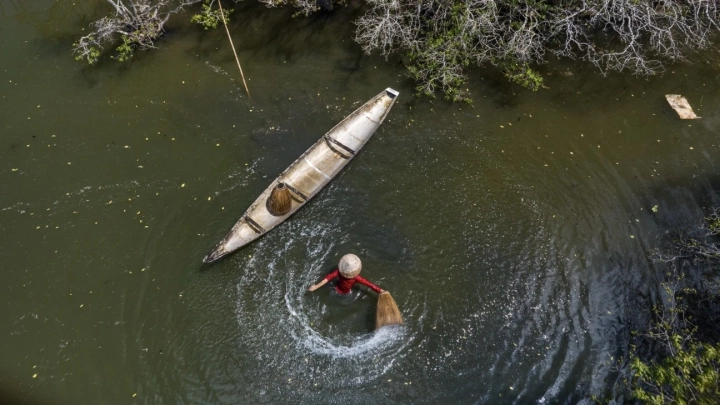
Personal Insights from Tran Tuan Viet
I’ve spent countless hours in places like Cha Forest. One personal trick I’ve learned is to pay close attention to the sounds of the forest. The rustling of leaves, the calls of unseen birds – these are sensory cues that can lead you to visually interesting moments. Often, where there is animal activity or a subtle shift in the wind, there is also a change in the light or a more compelling composition waiting to be discovered. Don't just look; listen, feel, and observe the environment holistically. This deeper connection to the place will undoubtedly translate into more impactful imagery.
Another piece of advice from my experience is to embrace the imperfections. The dampness, the fallen leaves, the sometimes-overgrown paths – these are not flaws, but characteristics of a living, breathing ecosystem. Instead of fighting them, find ways to incorporate them into your narrative. A rain-slicked leaf, a decaying log, the vibrant splash of a mushroom against muted tones – these are the details that give Cha Forest its authentic character. Shooting during the best months of September and October allows you to capture this character with less extreme weather challenges, making the experience more enjoyable and productive. I find that a wide-angle lens can also be very effective here, not for grand vistas, but to emphasize the feeling of being enveloped by the forest, capturing the scale of the trees and the density of the undergrowth.
For landscape photographers, Cha Forest is a masterclass in subtlety and mood. It’s a place where patience is rewarded, and where attention to detail can transform a simple scene into a profound image. The specific conditions in Hue during September and October, with their softened light and potential for mist, are ideal for honing these skills. It’s about seeing the forest not just as a collection of trees, but as a living, breathing entity with its own stories to tell through light and shadow. My journey as a photographer has been deeply intertwined with Vietnam’s landscapes, and Cha Forest holds a special place in my heart for its quiet beauty and photographic depth. The Vietnam Photo Tours team and I are dedicated to helping you uncover these hidden gems.
Ready to capture the full potential of Cha Forest? Join our Vietnam Photo Tours for a guided photography experience designed to master this location, uncovering its unique light, textures, and atmosphere with expert guidance and insider knowledge.
More Scenes

Abandoned Park

Ao Dai Model
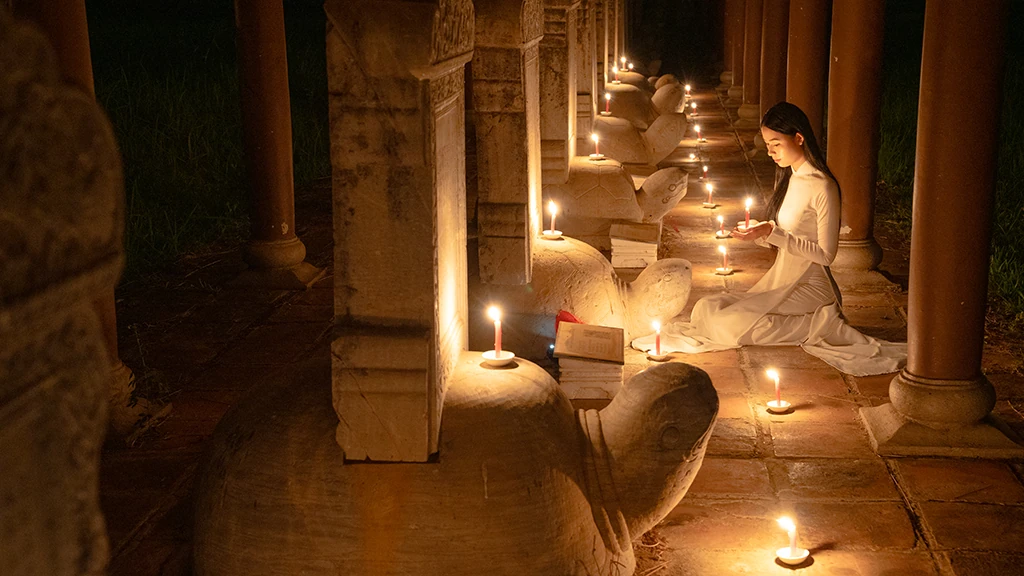
Candle Prayer
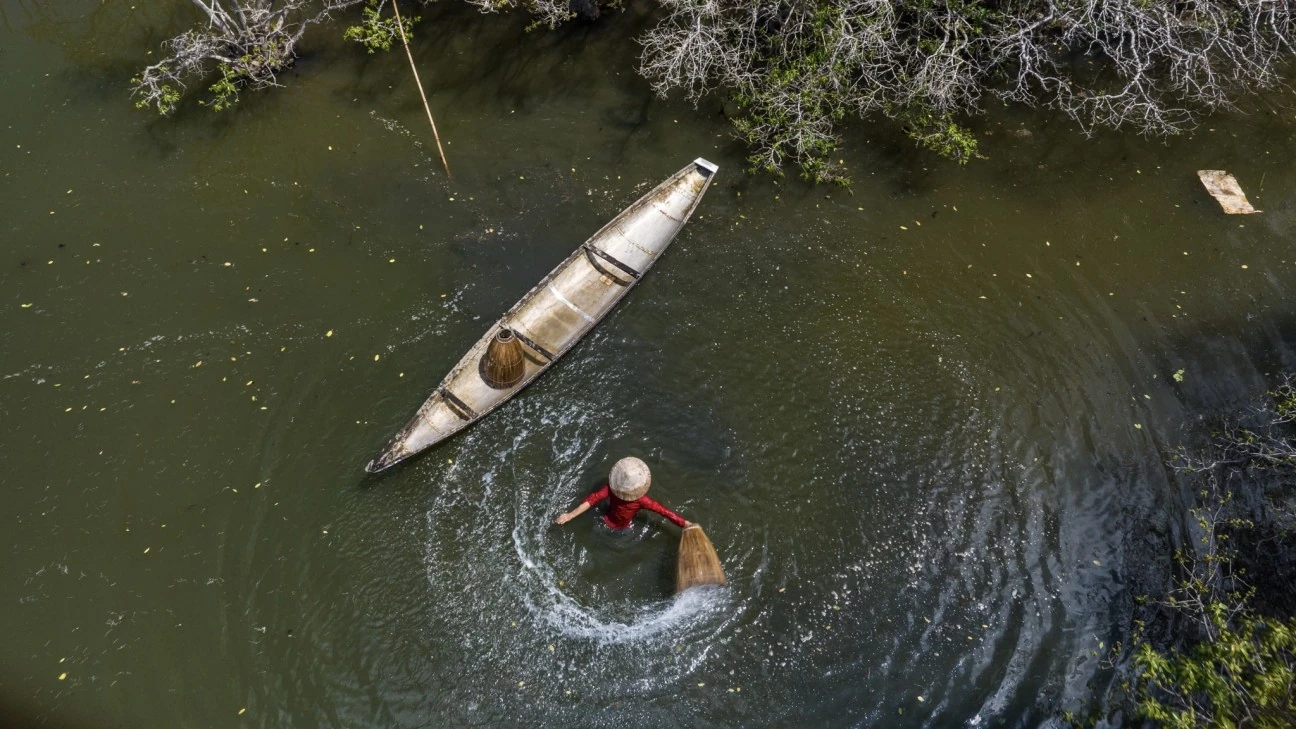
Fisherman
Similar Photography Genre
Imperial City
Ba Den Mountain