Ceramic Road
Capture Hanoi Ceramic Road with vibrant light & stunning composition. Explore unique textures & daily life for unforgettable photography.
Ha Noi: Capturing the Soul of Ceramic Road
As a photographer deeply rooted in Vietnam, I've spent years seeking out the visual narratives that define our landscapes and cultures. Among the countless locations I've explored with Vietnam Photo Tours, the Ceramic Road in Ha Noi stands out as a unique canvas for the discerning photographer. This sprawling artistic endeavor, stretching for kilometers along the Red River dike, is not just a tourist attraction; it's a living, breathing testament to Vietnamese artistry, a kaleidoscope of color, texture, and history waiting to be framed. My personal philosophy is to always look beyond the obvious, and the Ceramic Road offers profound opportunities for culture, travel, and conceptual photography, year-round.
Ha Noi: Mastering Light and Color on the Ceramic Road
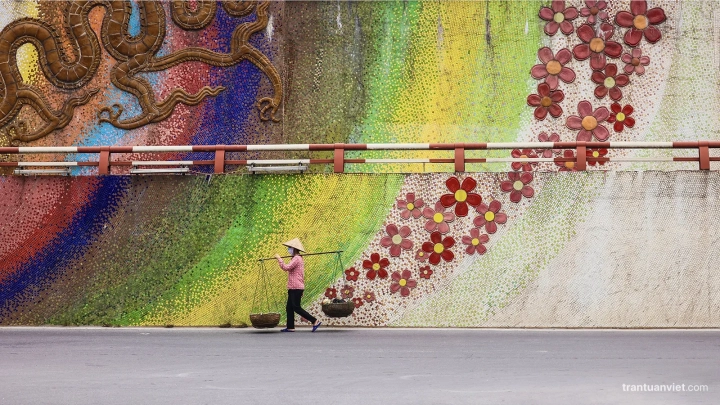
The Ceramic Road is a visual feast, but to truly capture its essence, understanding light is paramount. Because it's an outdoor installation exposed to the elements, the quality of light dramatically alters the mood and impact of your images. During the early morning, the soft, diffused light bathes the ceramic mosaics in a gentle glow, highlighting the intricate details and vibrant colors without harsh shadows. This is the perfect time for close-up shots, focusing on the delicate brushwork and the stories embedded within each tile. As the sun climbs higher, the light becomes more direct and contrasty. While challenging, this midday sun can be used creatively to emphasize textures and create dramatic silhouettes of the figures and designs. My personal trick here is to look for shaded areas or utilize the ample reflections from the mosaic surfaces to bounce light back onto your subjects, softening the harshness and revealing detail. The late afternoon, leading into the golden hour, is arguably the most magical. The warm, low-angle sunlight casts long shadows, adding depth and dimension, and saturating the colors with an ethereal warmth. This is when the Ceramic Road truly comes alive, especially for travel and conceptual photography.
Seasonal Variations and Timing for Ceramic Road
While the Hanoi Ceramic Road is a compelling subject year-round, subtle shifts in light and atmosphere can offer distinct photographic experiences. The best months, from my perspective, are indeed all of them, but with nuanced approaches. During the dry season (roughly November to April), the light is often clearer, offering crisp details and vibrant hues. This period is excellent for capturing the sharp lines and intricate patterns of the mosaics. The rainy season (May to October), often perceived as a challenge, presents a unique opportunity. The moisture in the air can create a softer, more atmospheric light, and the reflections in puddles after a shower can add a wonderful conceptual layer to your images. Imagine photographing the vibrant dragon mosaics mirrored in a glistening puddle – a truly artistic interpretation. For travel photographers, the crowds tend to be smaller during the shoulder months or on weekdays, allowing for more uninhibited shooting. Early mornings and late afternoons are consistently the best times of day, regardless of the season, for achieving that signature warm light and minimizing distractions.
Ha Noi: Compositional Strategies for Ceramic Road
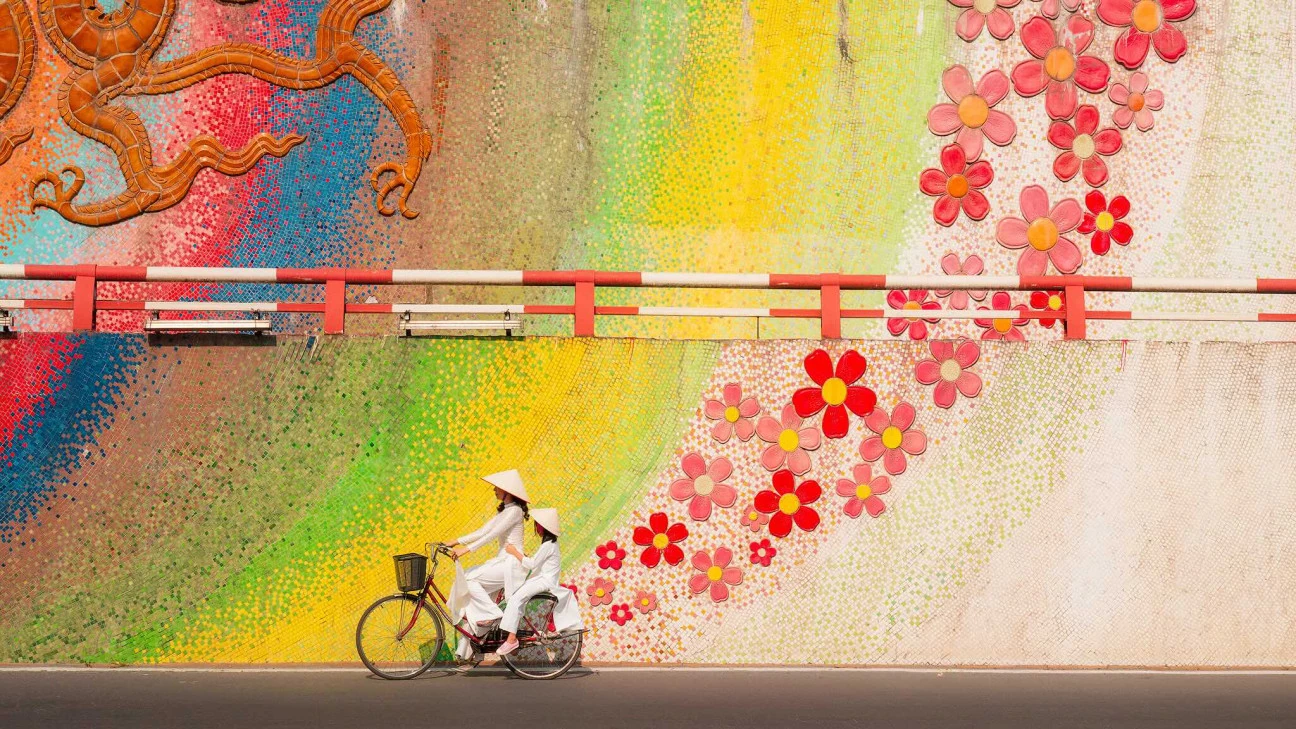
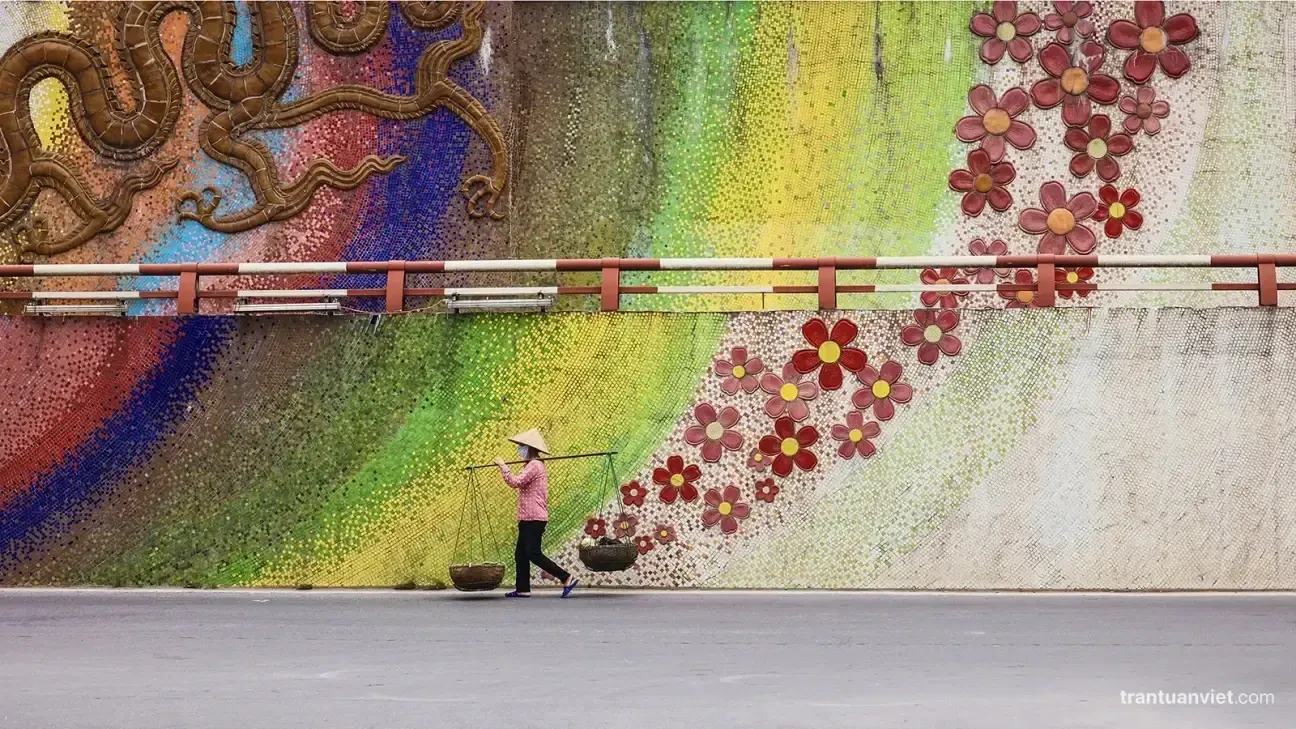
The sheer scale of the Ceramic Road, stretching over several kilometers, can be overwhelming if not approached with thoughtful composition. My advice for any photographer, whether on a guided tour with Vietnam Photo Tours or exploring independently, is to break it down. Instead of trying to capture the entire road in one frame, focus on individual sections, specific mosaic panels, or even a single tile that tells a story. For cultural photography, look for human interaction. Photographers often miss the local life that coexists with the art – a vendor selling snacks nearby, children playing, or elders enjoying a quiet moment. These elements add a crucial layer of authenticity and narrative to your travel photographs. Consider using a wide-angle lens to emphasize the expansive nature of the road and the surrounding environment, incorporating the Red River and the distant city skyline. Conversely, a telephoto lens can be invaluable for isolating intricate details within the mosaics, revealing the artistry and craftsmanship up close. Don't be afraid to get low or climb on safe vantage points to alter your perspective. Experimenting with different camera angles is key; a low angle can make the ceramic figures appear monumental, while a high angle can reveal patterns and relationships within the artwork.
Conceptual Photography at Ceramic Road
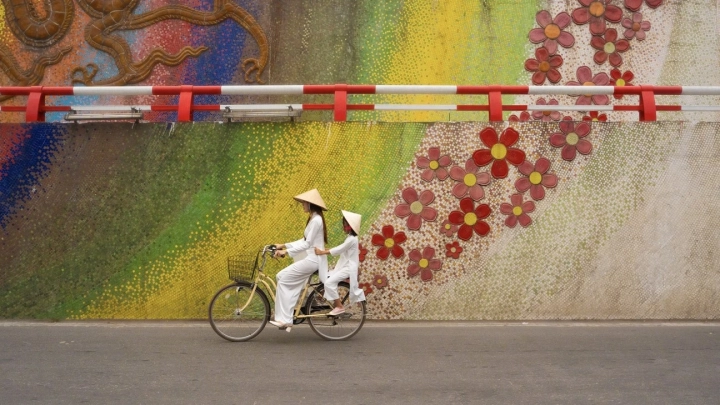
Beyond documenting its beauty, the Ceramic Road is a fertile ground for conceptual photography. The sheer volume of artistic expression can be overwhelming, and this can be a theme in itself. I often encourage my clients to think about the passage of time, the ephemeral nature of art exposed to the elements, or the collective memory embodied in the vast mural. Look for motifs that repeat, creating a sense of rhythm and flow. The interplay of light and shadow is a constant source of inspiration for creating mood and abstract compositions. Consider using a slower shutter speed to capture the movement of people or vehicles passing by, creating streaks of color that contrast with the static mosaic art. This technique, when applied thoughtfully, can lead to truly evocative and conceptual images. The dynamic range on a bright, sunny day can be a challenge; mastering your exposure settings, perhaps using a graduated neutral density filter or bracketed exposures for HDR, is essential for retaining detail in both the bright highlights and the deep shadows. Always remember to check your histogram to ensure you're not losing critical information.
Personal Photography Tricks from Tran Tuan Viet
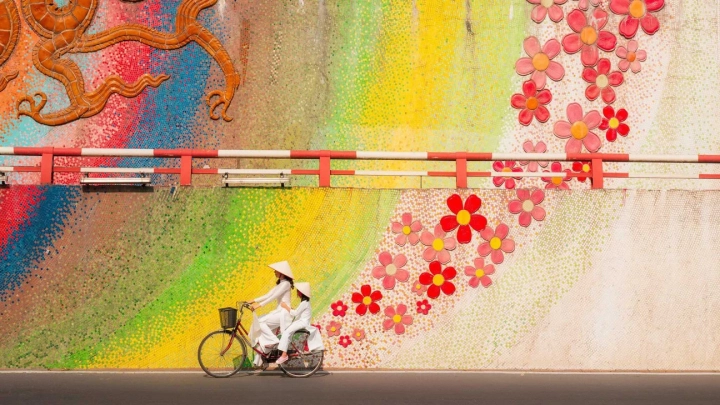
Over the years, I've developed a few personal tricks for photographing the Ceramic Road that I share with my guests at Vietnam Photo Tours. Firstly, patience is your greatest asset. While the road is always there, the light and the opportunities for capturing compelling human elements are fleeting. I often spend time simply observing, letting the scene reveal itself. Secondly, don't underestimate the power of the reflection. Even on a dry day, dew on the ceramic surfaces or nearby water features can create stunning reflections that double the visual impact of your compositions. Thirdly, embrace the imperfections. A slightly chipped tile, a patch of moss, or a weathered section of the wall tells a story of time and resilience – these are the details that add depth and character to your images, moving beyond a purely decorative portrayal. My approach is to find the human story within the art, or the artistic story within the everyday. This is what makes photography in Vietnam so rewarding for me. Remember, the Ceramic Road is a celebration of Vietnamese art and heritage, and your photographs should aim to convey that spirit.
Ready to discover the full artistic potential of the Ceramic Road and other iconic Vietnamese locations? Join our expert-led Vietnam Photo Tours and experience this incredible destination through a photographer's lens. We'll delve into the techniques, explore hidden gems, and help you capture images that truly resonate.
More Scenes
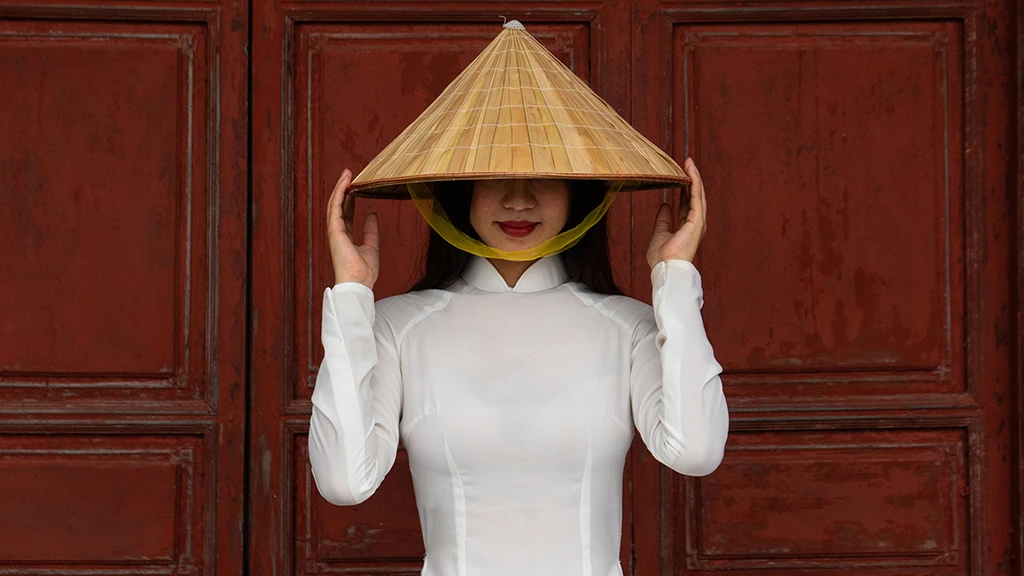
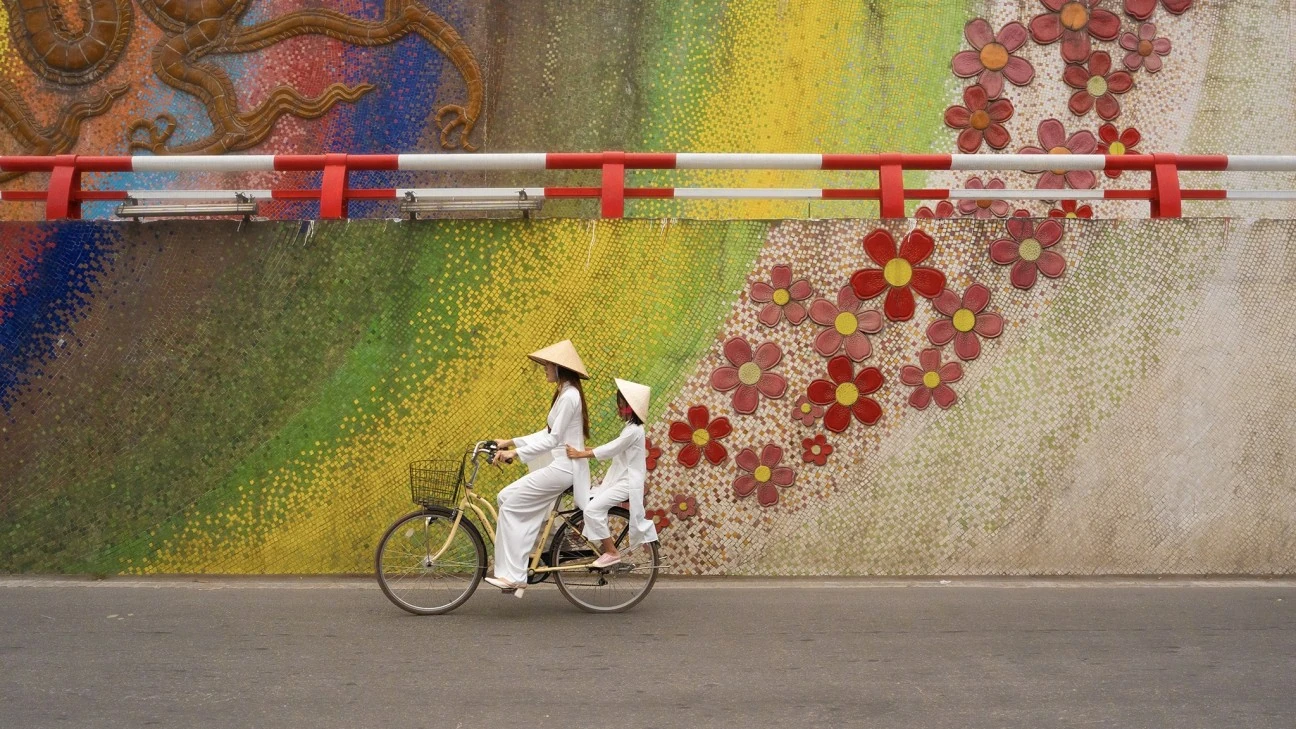
Ao Dai Model
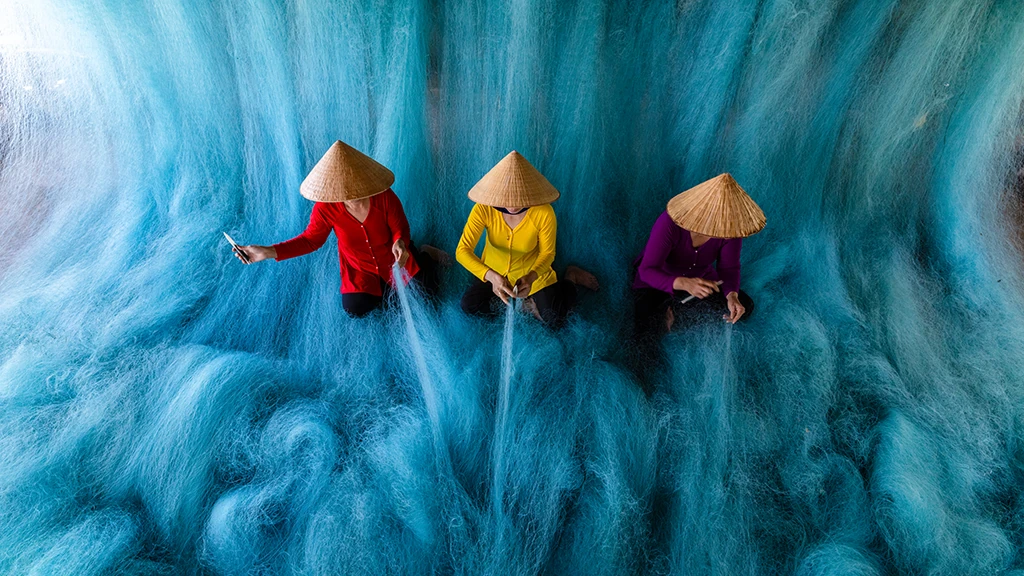
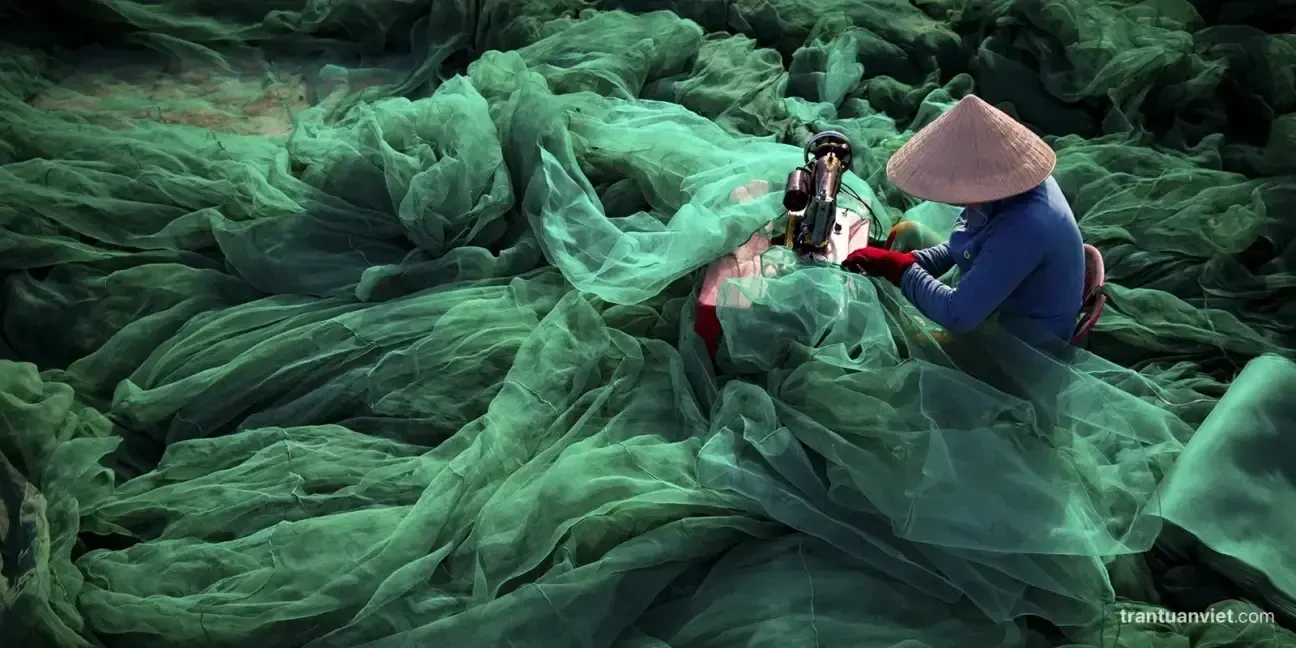
Blue Net
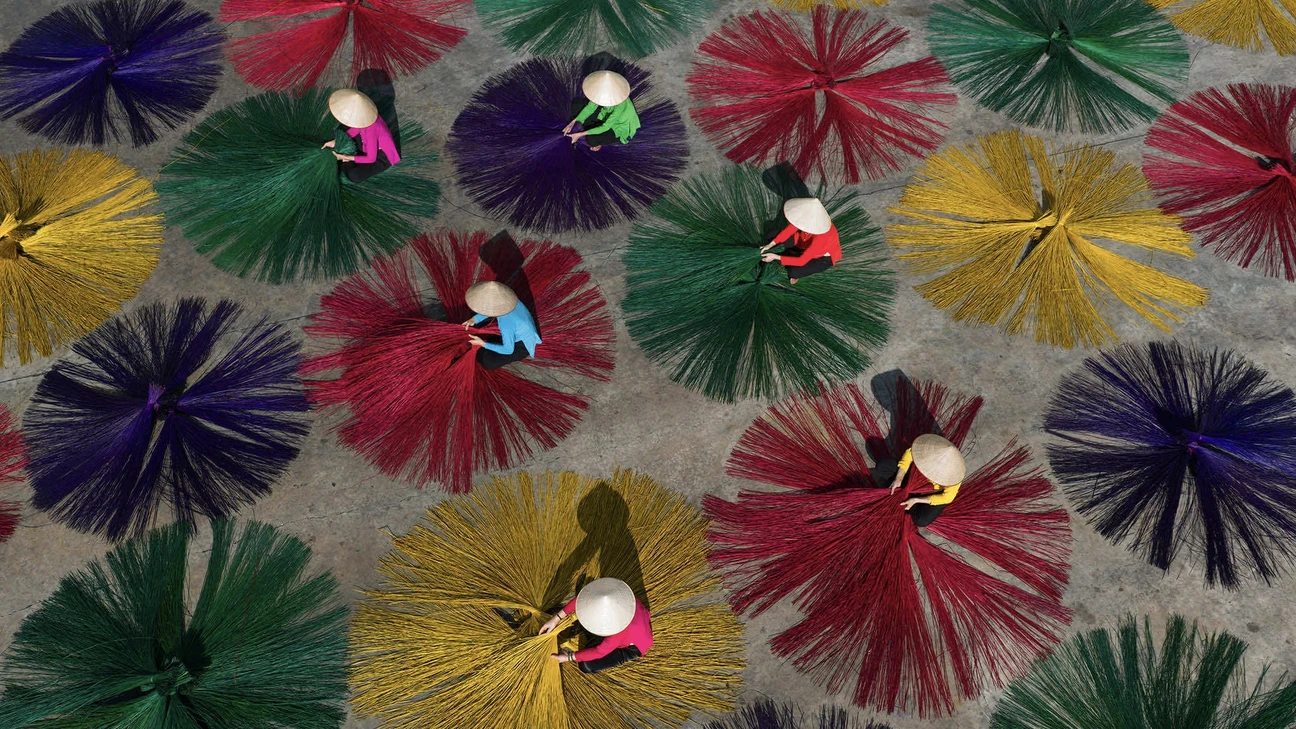
Colorful Sedge