Candle Prayer
Candle Prayer Vietnam: Capture ethereal light, deep devotion & stunning compositions. Perfect for photographers seeking authentic Vietnamese cultural.
Mastering the "Candle Prayer" Scene in Vietnam: A Photographer's Guide
Vietnam, a land rich in spiritual traditions and visual poetry, offers photographers countless opportunities to capture moments of profound cultural significance. Among these, the "Candle Prayer" scene presents a unique and evocative subject, demanding a nuanced approach to lighting, composition, and cultural sensitivity. This guide delves into the practical techniques and visual guidance necessary to translate the ethereal beauty of these prayers into compelling photographic narratives, specifically tailored for the Vietnamese context.
Understanding the Light and Atmosphere
The success of any "Candle Prayer" photograph hinges on understanding the prevailing light conditions. These ceremonies, often held in pagodas, temples, or private homes, typically occur during the late afternoon, dusk, or evening. This temporal aspect dictates the quality and direction of light, offering distinct challenges and opportunities.
Dusk and Twilight Illumination
As the sun dips below the horizon, Vietnam’s skies transform. The harsh midday sun gives way to a softer, more diffused light that is ideal for illuminating the gentle glow of candles. This period, often referred to as the blue hour, offers a magical transition where natural light blends with artificial sources, creating a complex and rewarding lighting scenario. The ambient light can be low, requiring careful attention to exposure settings. Expect a rich interplay between the warm flicker of the candles and the cooling tones of the twilight sky. This is the time to employ a tripod and experiment with longer shutter speeds to capture the movement of the flames and the serene atmosphere.
The Role of Candlelight
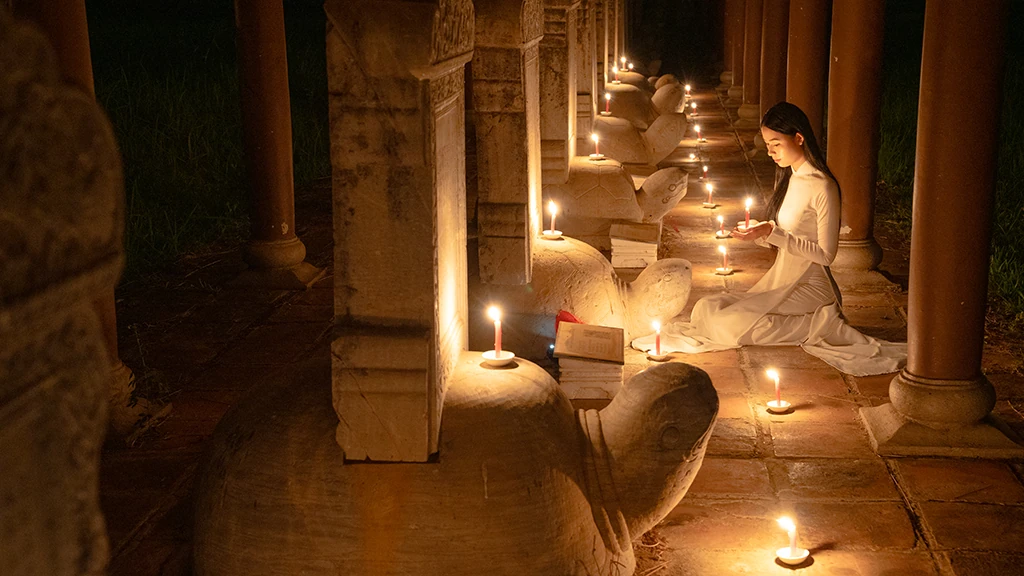
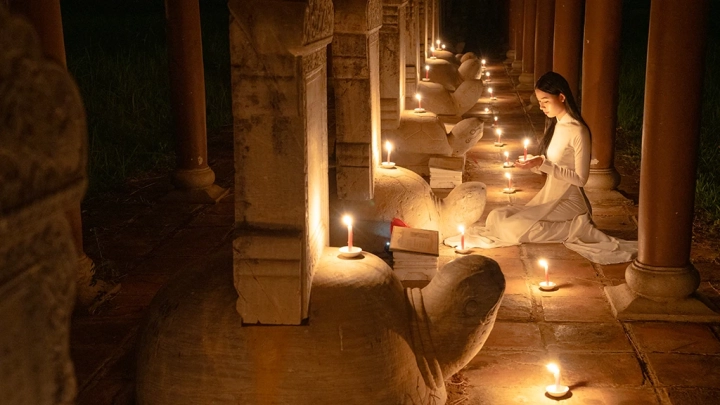
Candlelight itself is a primary light source and a subject of fascination. Its warm, golden hues paint the faces of worshippers and the intricate details of religious artifacts. However, it is also a relatively weak and flickering light, posing challenges for achieving sharp focus and correct exposure. Understanding the color temperature of the candlelight is crucial; it’s significantly warmer than daylight, which your camera's white balance setting needs to accommodate. Auto white balance can sometimes be tricked by the dominant warm tones, leading to an overly yellow image. Consider setting a custom white balance or shooting in RAW format to allow for precise adjustments in post-processing. The dancing flames also create dynamic highlights and shadows, adding a sense of life and spirituality to the scene.
Compositional Strategies for Spiritual Narratives
Capturing the essence of a "Candle Prayer" goes beyond simply documenting the event; it's about conveying the emotional weight and spiritual devotion. This requires thoughtful composition that guides the viewer’s eye and evokes a sense of place and reverence.
Focusing on the Human Element
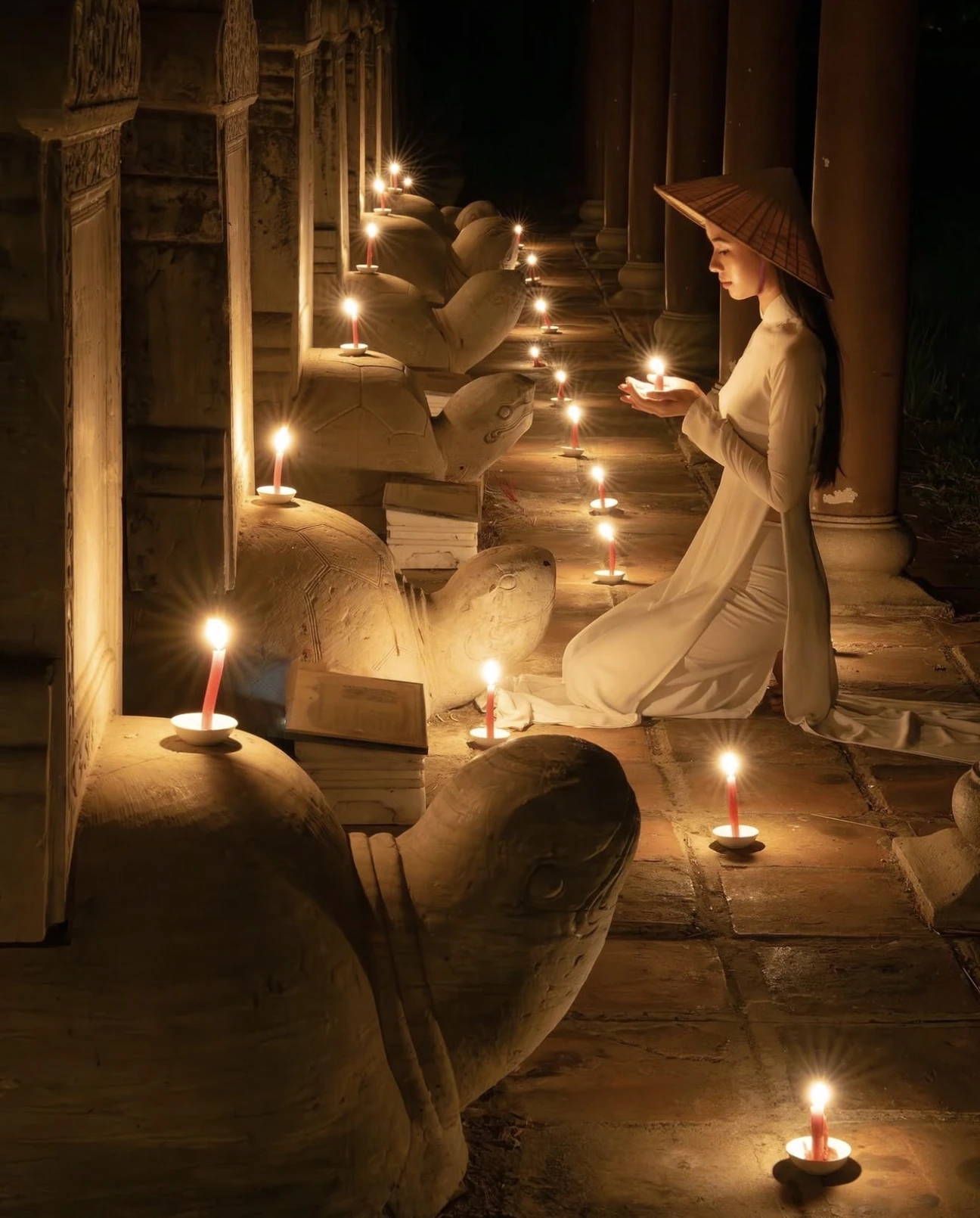
The core of the "Candle Prayer" scene is the human interaction with the divine. Prioritize capturing the faces of the individuals as they pray. This can be achieved through careful framing, often placing the subject slightly off-center according to the rule of thirds, allowing the surrounding context to add depth. Look for moments of intense concentration, folded hands, or bowed heads. Employing a shallow depth of field using a lens with a wide aperture (such as f/1.8 or f/2.8) can effectively isolate the subject from the background, drawing the viewer’s attention directly to their devotion. This selective focus technique accentuates the individual's spiritual journey.
Incorporating Cultural Context
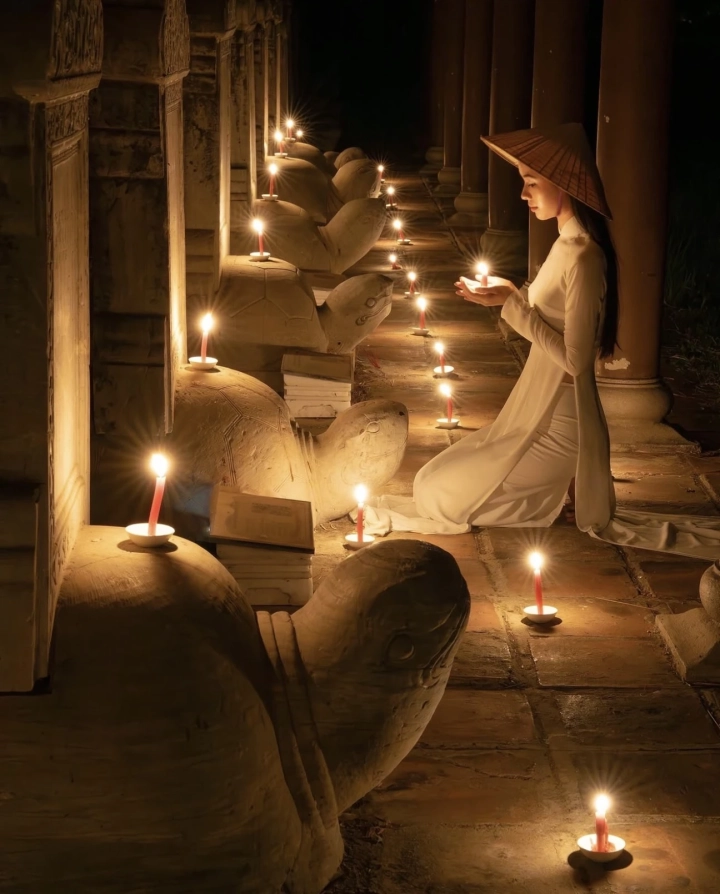
A compelling image of a "Candle Prayer" will invariably include elements of the Vietnamese cultural landscape. This might be the ornate architecture of a pagoda, traditional incense sticks burning alongside the candles, or the vibrant colors of ceremonial attire. When composing your shots, consider how these elements can enhance the narrative without overwhelming the central subject. Wide-angle lenses can be useful for establishing the environment and showing the scale of the prayer ritual within its sacred space. Conversely, a telephoto lens can compress the scene, bringing distant elements forward and emphasizing specific details or interactions.
The Power of Detail and Texture
Don't overlook the smaller details that contribute to the overall atmosphere. The intricate carvings on a prayer altar, the texture of worn wooden surfaces, or the delicate patterns of a worshipper's clothing can all add significant visual interest. Look for opportunities to use a macro lens or a portrait lens with a close focusing distance to highlight these textures. The interplay of light and shadow across these surfaces can create a rich tapestry of visual information, adding a tactile quality to your photographs.
Technical Considerations and Best Practices
Successfully photographing in low-light, spiritual environments requires a solid understanding of your camera’s capabilities and a willingness to experiment.
Managing Low Light and Camera Shake
As mentioned, low light is a primary challenge. To combat this, a sturdy tripod is almost indispensable. This allows for the use of slower shutter speeds, ensuring adequate exposure without resorting to excessively high ISO settings that introduce unwanted noise. When a tripod isn't feasible, lean on your camera against a stable surface or utilize image stabilization features if your lens or camera body offers them. Experiment with your camera’s built-in metering modes; evaluative or matrix metering often works well, but you may need to employ exposure compensation, especially when there are large dark or bright areas in the frame.
ISO Sensitivity and Noise Management
While the goal is to keep ISO as low as possible, there will be times when increasing it is necessary to achieve a fast enough shutter speed for a sharp image. Modern cameras handle high ISOs much better than older models. Familiarize yourself with your camera’s performance at different ISO settings and accept that a small amount of noise might be an acceptable trade-off for capturing a fleeting moment. Post-processing noise reduction tools can effectively mitigate the effects of higher ISOs without significantly degrading image quality.
Focusing Techniques in Dim Light
Autofocus systems can struggle in very low light. In such scenarios, manual focus becomes your most reliable friend. Use your camera’s live view feature, zoom in on a key detail (like a candle flame or a person’s eye), and manually adjust the focus ring until the subject is critically sharp. Alternatively, some cameras offer focus peaking, which highlights in-focus areas, making manual focusing easier. When using autofocus, try to focus on areas with good contrast, such as the edge of a candle or the outline of a face.
By combining a deep appreciation for Vietnam's spiritual heritage with a mastery of photographic techniques, the "Candle Prayer" scene can become a powerful testament to the enduring traditions and profound human experiences that define this captivating country. Remember to be respectful of the worshippers and the sacredness of the environment. Patience and observation will reward you with truly memorable images.
More Scenes

Abandoned Park
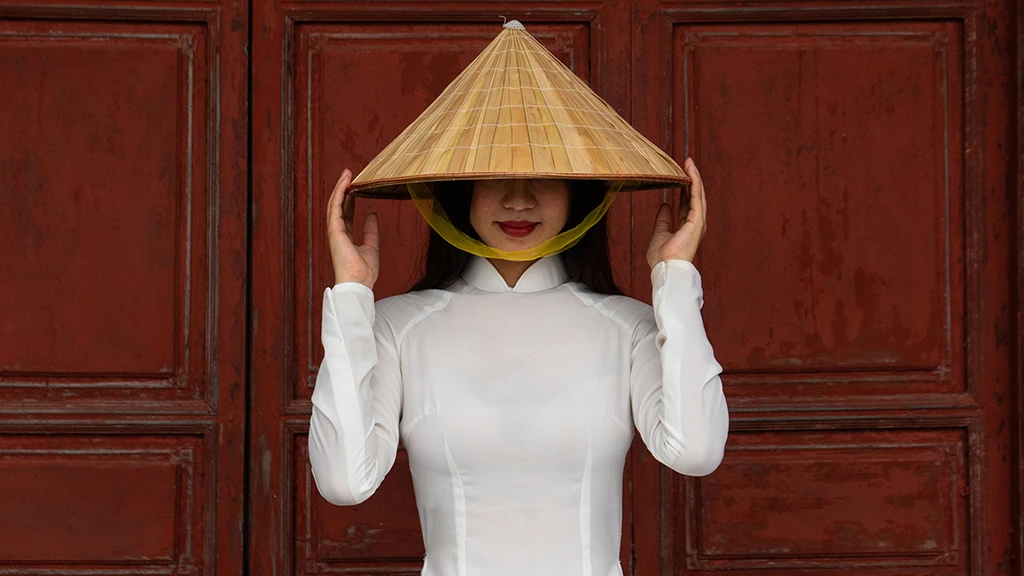
Ao Dai Model
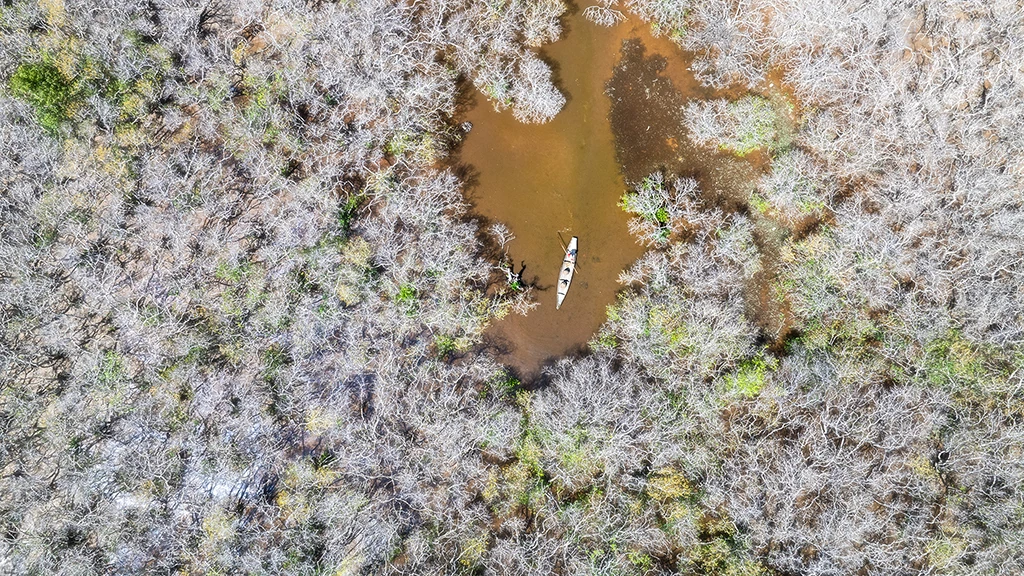
Cha Forest
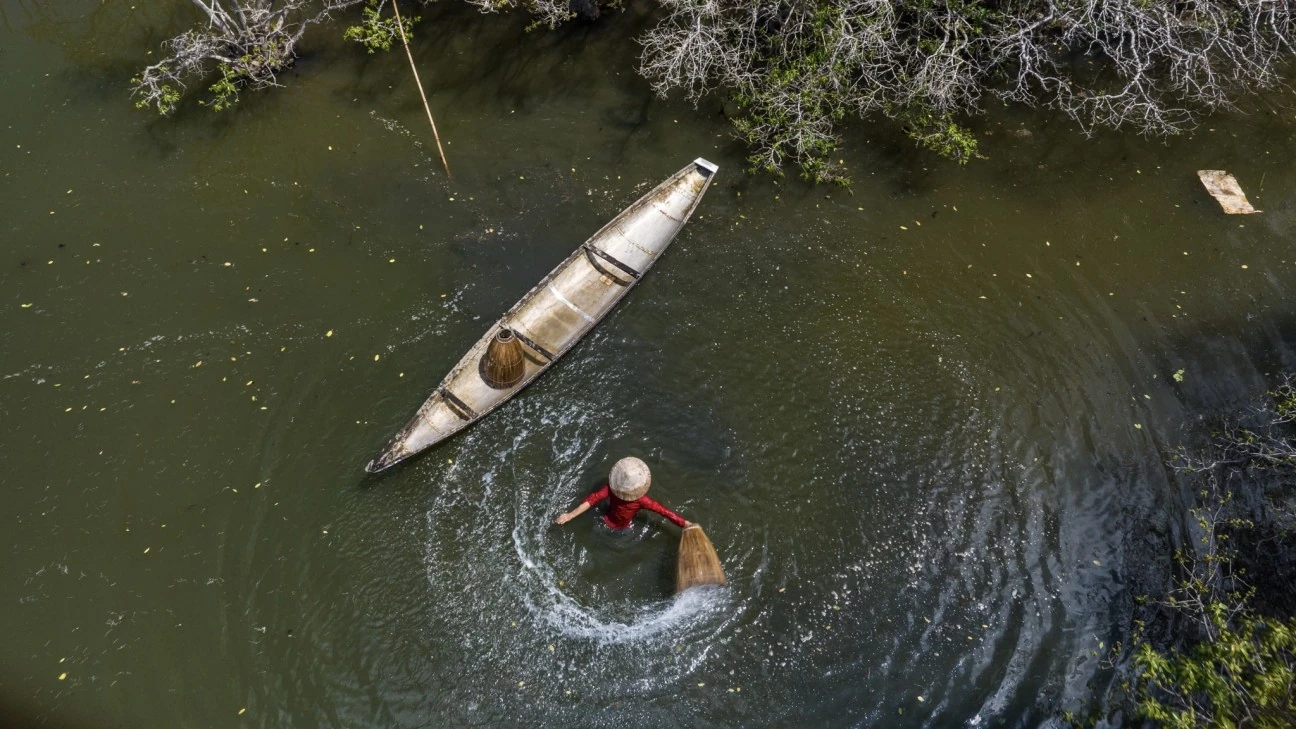
Fisherman
Similar Photography Genre