Brau People
Brau People in Vietnam: Capture vibrant street life & portraits. Master natural light, candid moments, and authentic culture. A photographer's dream.
Brau People: Capturing the Soul of Kontum
As a photographer who has spent years immersed in the visual tapestry of Vietnam, I've found few places as profoundly captivating as the villages of the Brau people in Kontum province. This minority ethnic group, known for their unique traditions and serene way of life, offers an unparalleled opportunity for compelling portraiture, intimate cultural documentation, and rich travel photography. The beauty of the Brau people lies not in dramatic landscapes, but in the subtle expressions, the intricate details of their daily routines, and the genuine warmth of their interactions. For photographers seeking to go beyond the surface, the Brau communities provide a deep well of authentic visual stories. I'm Tran Tuan Viet, and through Vietnam Photo Tours, I've had the privilege of guiding countless photographers to uncover these very narratives.
Brau People: Mastering Portraiture in a Natural Setting
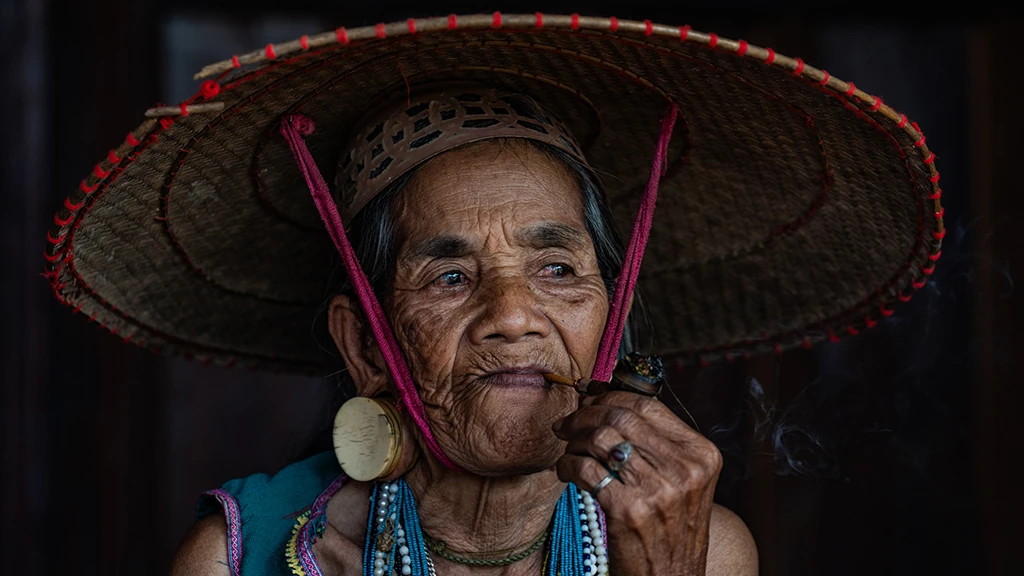
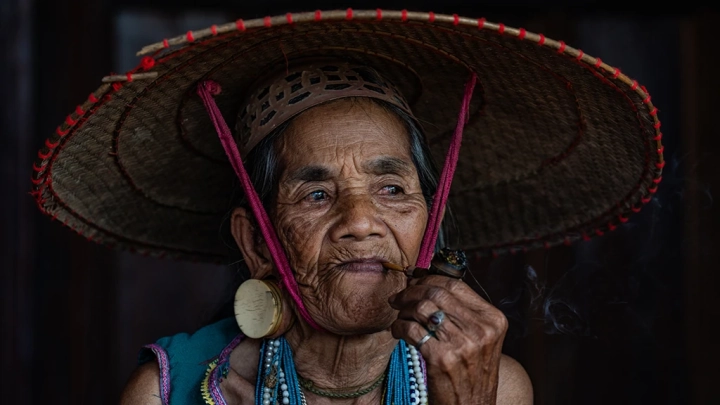
Photographing the Brau people requires a sensitive approach, one that prioritizes respect and builds trust. My primary advice for capturing exceptional portraits is to embrace the natural light and the environment. The dwellings of the Brau are often simple, constructed from natural materials, which can present a narrow dynamic range challenge, especially when shooting indoors. My personal trick is to look for openings – doorways, windows, or gaps in the thatch – that act as natural light sources. Positioning your subject near these openings can create beautiful, soft light that sculpts their features without the harshness of direct sunlight. A slight fill using a reflector or even a light-colored piece of clothing can further enhance detail in the shadows. When shooting outdoors, the midday sun can be unforgiving. I often advocate for finding shade under large trees or observing the gentle light filtering through dense foliage. This diffused light is ideal for portraits, minimizing harsh shadows and rendering skin tones beautifully. Don't be afraid to experiment with different focal lengths. While a 50mm or 85mm lens is classic for portraits, a wider lens used with intention can incorporate the subject's surroundings, telling a more complete story of their life and environment. Always remember to ask for permission, not just with a nod, but with a genuine smile and a gesture of respect; this is a critical element for ethical and impactful cultural photography.
When engaging with individuals, patience is key. I often spend time observing, perhaps sharing a cup of tea, before even raising my camera. This allows the subject to become comfortable, and their natural expressions to emerge. Look for the story in their eyes, the lines etched by a life lived close to the land, and the pride in their traditional attire. My go-to settings for portraits under these conditions are often an aperture of f/2.8 to f/4 to achieve beautiful background blur, isolating the subject, while maintaining a shutter speed fast enough to freeze any subtle movement. ISO will vary, but I always try to keep it as low as possible to maintain image quality, only increasing it when absolutely necessary for low-light situations.
Key Portrait Techniques for the Brau People:
Subject interaction: Engage with your subjects before shooting. Learn a few basic phrases in their local dialect if possible. This goes a long way in building rapport.
Light direction: Use natural light creatively. Side lighting can emphasize texture and form, while front lighting can be softer for a more direct, engaging portrait.
Compositional framing: Consider using natural frames within the environment – doorways, windows, or even the branches of trees – to draw the viewer's eye to the subject.
Focus on the eyes: For portraits, sharp focus on the eyes is paramount. This creates a connection with the viewer and imbues the image with life.
Brau People: Documenting Culture and Daily Life
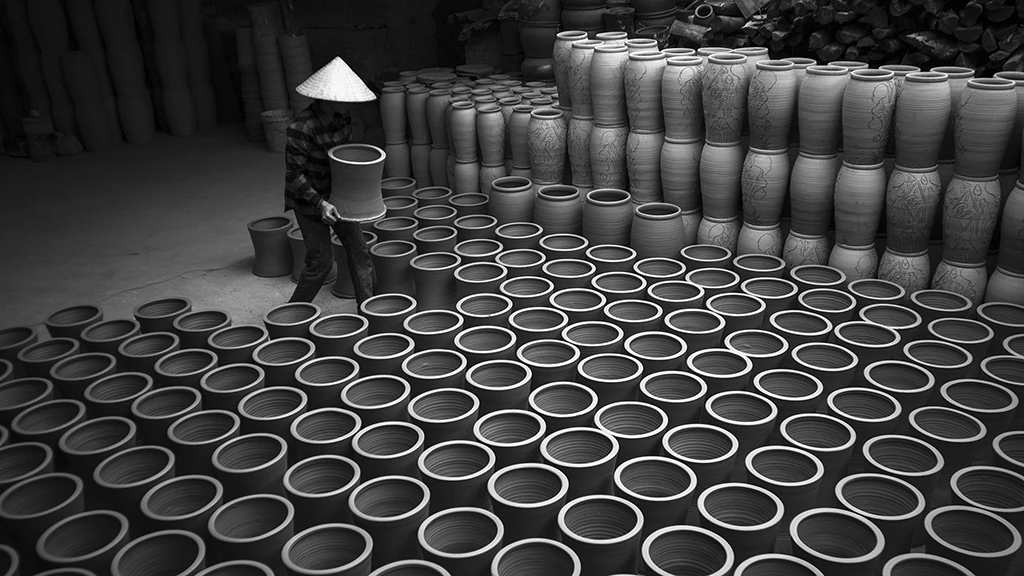
Beyond individual portraits, the true richness of the Brau people lies in their collective culture and daily rhythms. This is where travel and documentary photography genres merge beautifully. The villages come alive with activity throughout the day, offering a wealth of photographic opportunities. Morning is often a time of preparation – women tending to household chores, men perhaps preparing fishing nets or tools. The soft, warm light of the early morning is ideal for capturing these quieter moments. I find that observing the communal activities, such as cooking, weaving, or caring for children, provides the most authentic glimpses into their way of life. Don't just photograph the subjects; photograph the context. What are they using? What are they interacting with? These details add layers of meaning to your images.
My personal trick for capturing cultural scenes is to adopt a "fly on the wall" approach. Move slowly, observe patiently, and anticipate moments rather than forcing them. This often means spending extended periods in a village, allowing the natural flow of events to unfold. Consider different camera angles. Shooting from a slightly lower perspective can emphasize the stature and importance of individuals or activities, while a higher vantage point can reveal the spatial relationships within the community. The sounds of the village are also part of the experience; while you can't capture sound with a still camera, you can photograph the activities that create those sounds. The rhythmic pounding of rice, the chatter of children playing – these all suggest a vibrant community.
Cultural Photography Strategies:
Storytelling through detail: Look for close-up shots of hands at work, traditional tools, or intricate patterns in their crafts. These details speak volumes.
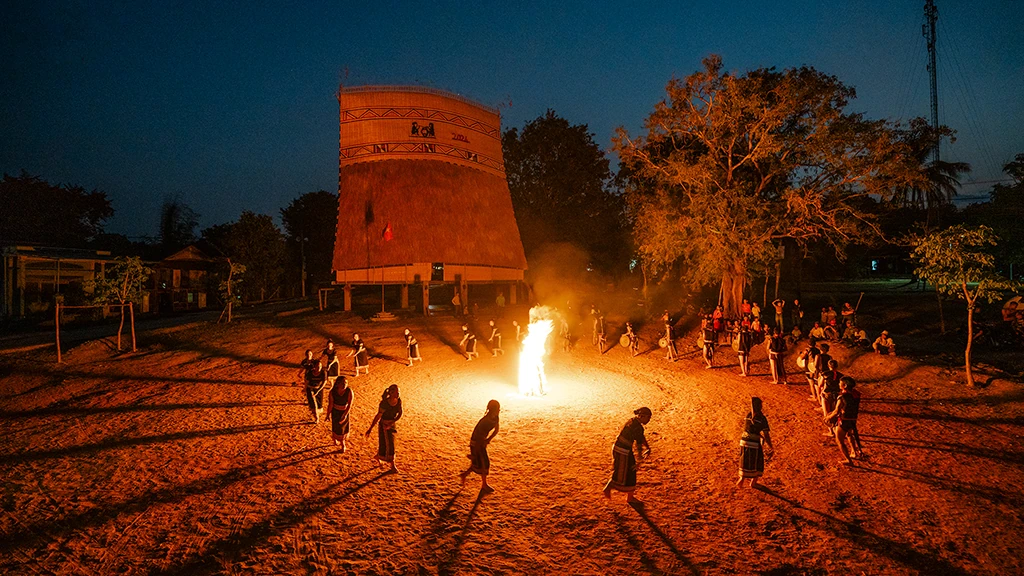
Capturing movement: Use a slightly slower shutter speed to convey the dynamism of activities like dancing, farming, or daily chores. This creates a sense of energy.
Environmental context: Ensure your wider shots include elements of their environment – the stilt houses, the surrounding forests, the rice paddies – to ground the cultural narrative.
Embrace candid moments: The most powerful cultural images are often unplanned. Be ready to capture genuine interactions and spontaneous expressions.
Brau People: Embracing the Year-Round Visual Palette
One of the unique advantages of photographing the Brau people is that they are accessible and visually engaging year-round. Unlike some regions of Vietnam where weather can drastically limit photographic opportunities, Kontum's highland climate offers consistent beauty. The “best months” for capturing the Brau people are, in essence, all of them. During the dry season, which typically runs from November to April, you'll experience sunny days with clear skies, perfect for outdoor portraits and documenting agricultural activities. The light tends to be crisp and clear. However, don't dismiss the wet season, from May to October. While there will be rain, it often comes in short, intense bursts, leaving behind a refreshed, verdant landscape. The humidity can create a beautiful, atmospheric haze, and the vibrant greens of the vegetation are at their peak. The reduced number of visitors during the rainy season can also mean a more intimate and authentic experience with the communities. My years of experience, including with Vietnam Photo Tours, have taught me that every season offers a distinct visual character. The key is to be prepared for the conditions – waterproof camera gear is a must during the wet months – and to adapt your techniques accordingly. The Brau people live their lives regardless of the weather, and their resilience and spirit are a constant source of photographic inspiration.
When traveling between villages, consider the journey itself as part of the travel photography narrative. The winding roads, the occasional encounters with local life along the way, and the changing landscapes all contribute to a comprehensive visual story of the region. Always be mindful of your surroundings and the people you meet. The generosity and hospitality of the Vietnamese people, particularly in these rural areas, are truly remarkable. As Tran Tuan Viet, I always emphasize the importance of giving back, whether through respectful interaction, purchasing local crafts, or supporting community initiatives. These experiences enrich your photography and leave a positive impact.
Ready to experience the profound visual narratives of the Brau people firsthand? Join our Vietnam Photo Tours, led by Tran Tuan Viet, for an immersive journey into the heart of Kontum's cultural landscape.
More Scenes
Xoang Dance
Similar Photography Genre
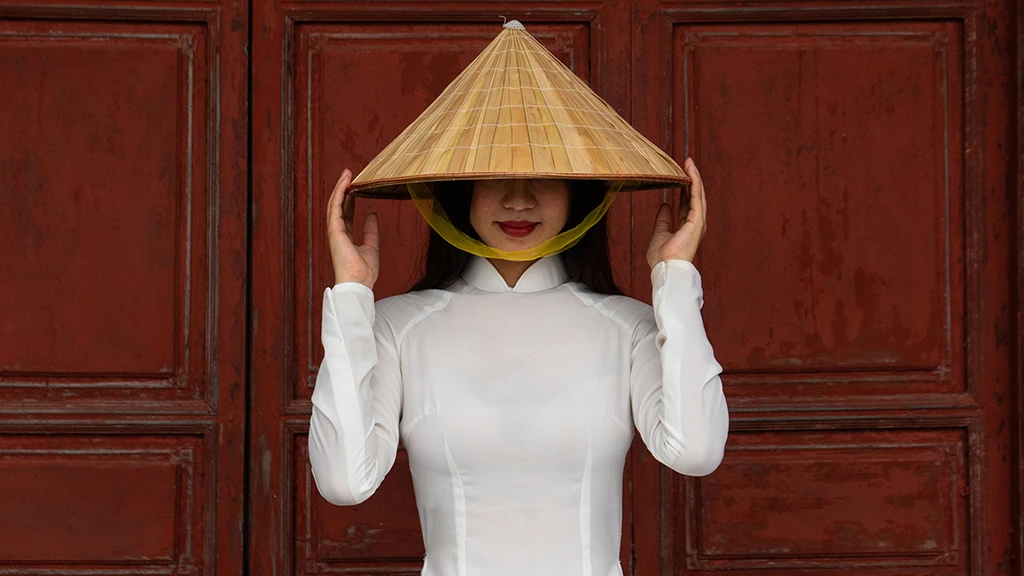
Ao Dai Model
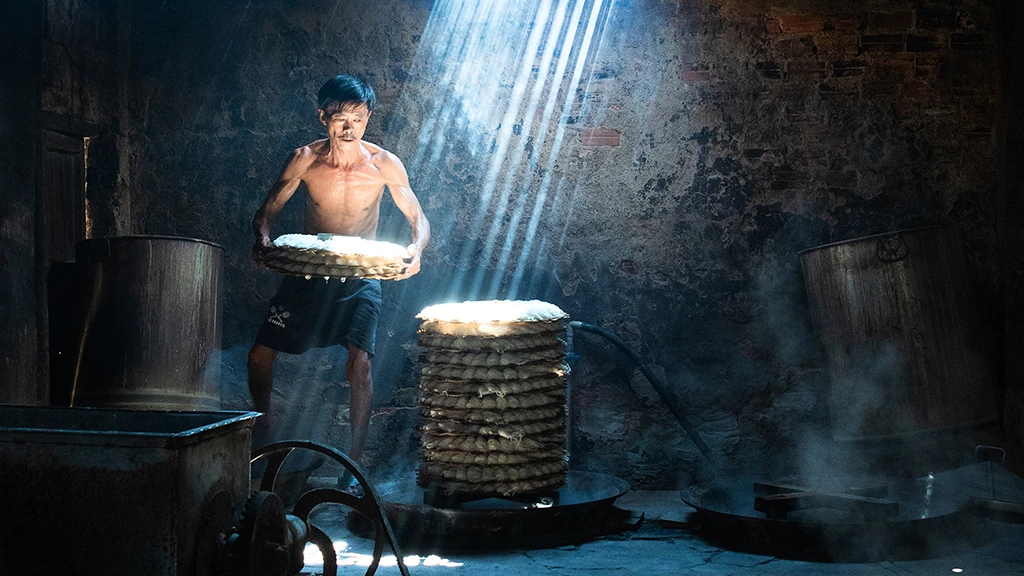
Hoi Cake