Boat Harbor
Capture stunning "Boat Harbor" scenes in Vietnam. Explore vibrant fishing boats, dramatic light, and unique cultural compositions for unforgettable photography.
Boat Harbor: Capturing Vietnam's Maritime Soul
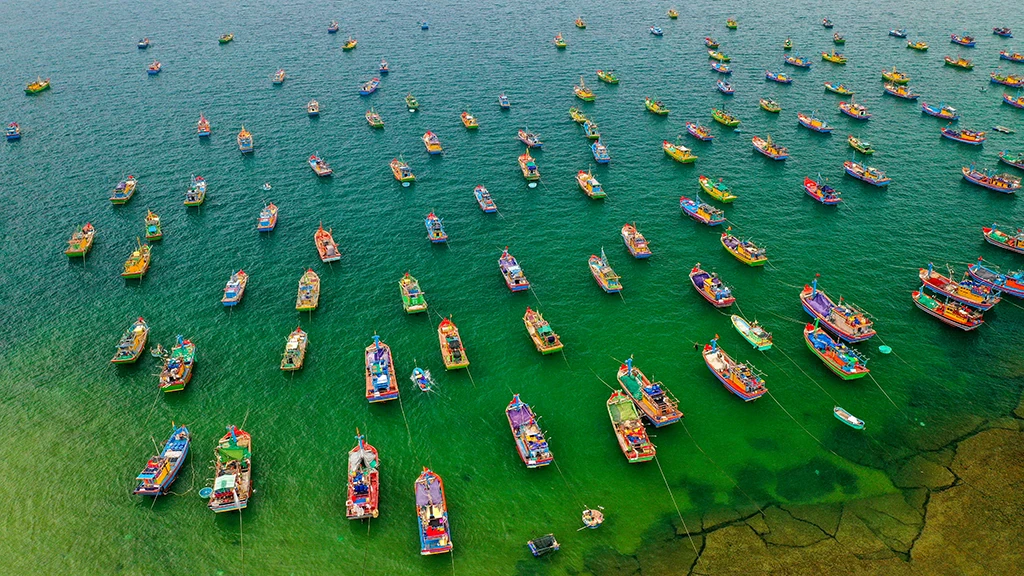
The allure of Vietnam's coastlines is undeniable, and nowhere is this more evident than in its bustling boat harbors. These vibrant hubs of activity, where weathered fishing vessels bob gently alongside their modern counterparts, offer a rich tapestry of visual storytelling. I've spent years immersing myself in these scenes, learning to translate their raw energy and quiet beauty through my lens. A boat harbor isn't just a collection of boats; it's a living, breathing entity, brimming with character, light, and untold stories waiting to be discovered by the discerning photographer. We'll explore how to approach these dynamic landscapes to create images that resonate with authenticity and artistic vision.
Boat Harbor: Mastering Composition and Light
Photographing a boat harbor requires a keen eye for composition, a deep understanding of light, and a willingness to embrace the unpredictable. The beauty of these locations is their dynamic nature; the scene is never static. This constant flux presents both challenges and incredible opportunities. The best months to capture these scenes are year-round, as each season brings its unique palette and atmospheric conditions. From the soft, diffused light of the rainy season to the sharp, high-contrast light of the dry season, there's always something compelling to photograph.
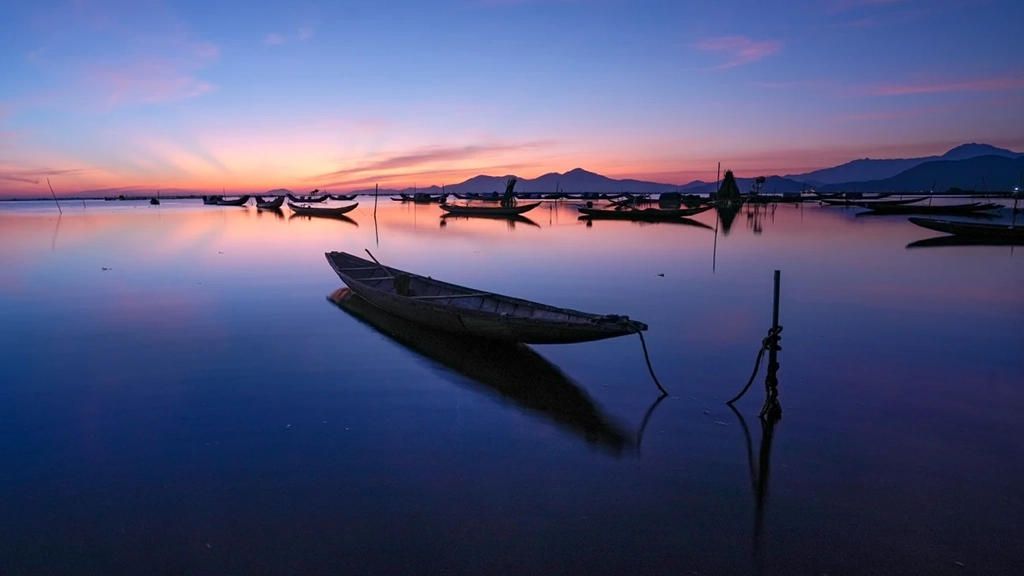
When approaching a boat harbor, I always start by observing the interplay of light and shadow. The early morning and late afternoon, often referred to as the golden hour, are particularly magical. The low angle of the sun casts long shadows, accentuates textures, and bathes everything in a warm, inviting glow. This is the time when the water often becomes a mirror, reflecting the colorful hulls and masts, creating stunning symmetrical compositions. Look for strong leading lines formed by jetties, ropes, or the lines of the boats themselves. These lines can draw the viewer's eye into the frame and create a sense of depth and perspective.
Leveraging Natural Light for Dramatic Effect
Don't shy away from overcast days, especially in the rainy season. The soft, diffused light can be incredibly forgiving, reducing harsh shadows and revealing subtle details. This is an excellent time to focus on the intricate textures of weathered wood, peeling paint, and the nets and ropes that are so characteristic of these harbors. The muted palette can create a more melancholic, introspective mood, offering a different narrative than the vibrant, sun-drenched scenes. I often use this light to emphasize the patina of age and the stories etched into the very fabric of the vessels.
For landscape photographers, the challenge is to imbue the scene with a sense of place. This means looking beyond just the boats and capturing the surrounding environment. What are the dominant colors? Are there mountains in the distance? What kind of architecture frames the harbor? These elements, when thoughtfully composed, can add context and depth to your images. Consider using a wide-angle lens to encompass the grandeur of the harbor, or a telephoto lens to isolate interesting details and create compressed perspectives, making distant elements appear closer and more prominent.
Boat Harbor: Essential Photography Techniques and Tricks
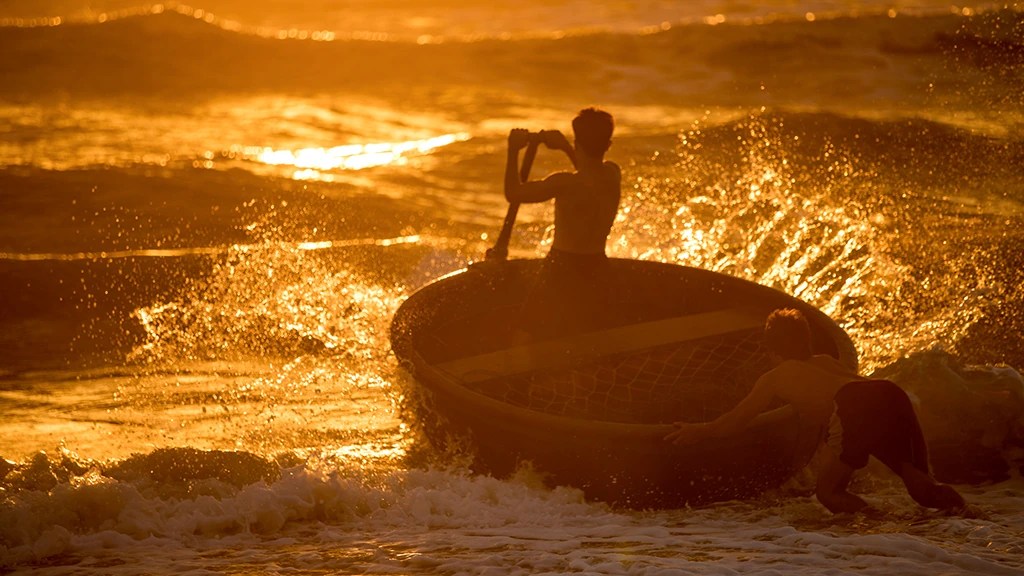
One of Tran Tuan Viet's signature techniques for capturing boat harbors involves embracing the human element, even in landscape photography. The fishermen and their families are an integral part of this ecosystem. While you are focusing on the landscape, look for opportunities to include them working, mending nets, or simply going about their daily routines. These figures, even when small in the frame, add scale, narrative, and a vital sense of life to your images. A silhouetted figure against a dramatic sky, or a boat with a lone fisherman preparing for sea, can transform a good landscape into a truly compelling photograph.
Camera settings play a crucial role in managing the often challenging light conditions found in these harbors. For general landscape shots, I often recommend shooting with an aperture between f/8 and f/11 to ensure a good depth of field, keeping both the foreground and background sharp. However, don't be afraid to experiment with a wider aperture, such as f/2.8 or f/4, if you want to isolate a specific boat or detail and create a pleasing bokeh effect, blurring out distractions. When shooting in lower light conditions, especially during twilight or dawn, using a tripod is essential for maintaining sharpness and allowing for longer exposure times to capture the movement of water or clouds.
Dealing with Dynamic Range and Color
Boat harbors can present significant challenges with dynamic range. The bright sky, the sunlit water, and the shadowed undersides of boats can push the limits of your camera sensor. To combat this, consider using graduated neutral density (GND) filters to balance the exposure between the sky and the foreground. Alternatively, shooting in RAW format will give you the most flexibility in post-processing to recover details in both the highlights and shadows. Another personal trick I employ is to deliberately underexpose slightly when the sun is very harsh, as it's often easier to bring up shadows in post than to recover blown-out highlights.
Color is another critical element in boat harbor photography. The vibrant blues of the water, the earthy tones of the wood, the colorful flags and sails, and the often pastel-hued buildings create a rich palette. Pay attention to how the colors interact and complement each other. Sometimes, a splash of a contrasting color can add a focal point to an otherwise harmonious scene. Don't be afraid to adjust your white balance in-camera or in post-processing to enhance the mood and atmosphere of your images. A slightly warmer white balance can accentuate the golden hour light, while a cooler tone might emphasize a more dramatic, stormy sky.
When it comes to composition, don't always default to a straight-on, eye-level view. Explore different camera angles. Get low to the ground to emphasize the scale of the boats or to capture reflections in puddles or wet sand. Climb to a slightly elevated position if available to gain a broader perspective of the harbor's layout. Look for patterns and repetition in the boats, masts, or rigging, and use these to create abstract or geometric compositions. Sometimes, the most compelling shots come from looking at the familiar in an entirely new way. I also find that a polarizing filter is indispensable for cutting glare on the water and enhancing the saturation of colors, especially the blues of the sky and sea.
Boat Harbor: Capturing the Spirit of Vietnam
The boat harbors of Vietnam are more than just picturesque scenes; they are the heartbeats of coastal communities. They represent resilience, tradition, and the enduring connection between people and the sea. By applying these techniques and maintaining a sense of curiosity and openness, you can capture images that are not only visually stunning but also emotionally resonant. Each harbor has its own unique character, shaped by its history, its geography, and the people who call it home. Understanding these nuances will elevate your photography from mere documentation to powerful storytelling.
For aspiring photographers looking to truly master these visual narratives, there is no substitute for hands-on experience guided by local expertise. The subtle shifts in light, the best vantage points, and the cultural etiquette that can enhance your interactions are best learned from those who know Vietnam intimately. This is precisely what we aim to provide at Vietnam Photo Tours, ensuring you don't just see the scene, but understand and capture its essence.
Ready to capture the full potential of the Boat Harbor? Join our Vietnam Photo Tours led by Tran Tuan Viet for a guided photography experience designed to master this location and many other iconic Vietnamese scenes.
More Scenes
Chams People
Coracle Fishermen
Coracle Making
Da Dia Reef
Similar Photography Genre
Tea Plantation
Lagoons