Blue Net
Capture Vietnam's Sewing Blue Net. Discover vibrant hues, intricate textures, and unique compositions. Perfect for street and cultural photographers.
Hoi An: Mastering the "Blue Net" Scene
Welcome, fellow photographers! Tran Tuan Viet here, and today I want to share a visual treasure from my homeland, a scene that embodies the soul of Hoi An and offers endless creative potential: the "Blue Net" composition. This isn't just a picturesque spot; it's a canvas where light, texture, and human presence converge to create truly compelling images. Whether you're drawn to intimate portraits, evocative travel scenes, or more abstract conceptual explorations, the "Blue Net" provides a rich tapestry for your lens.
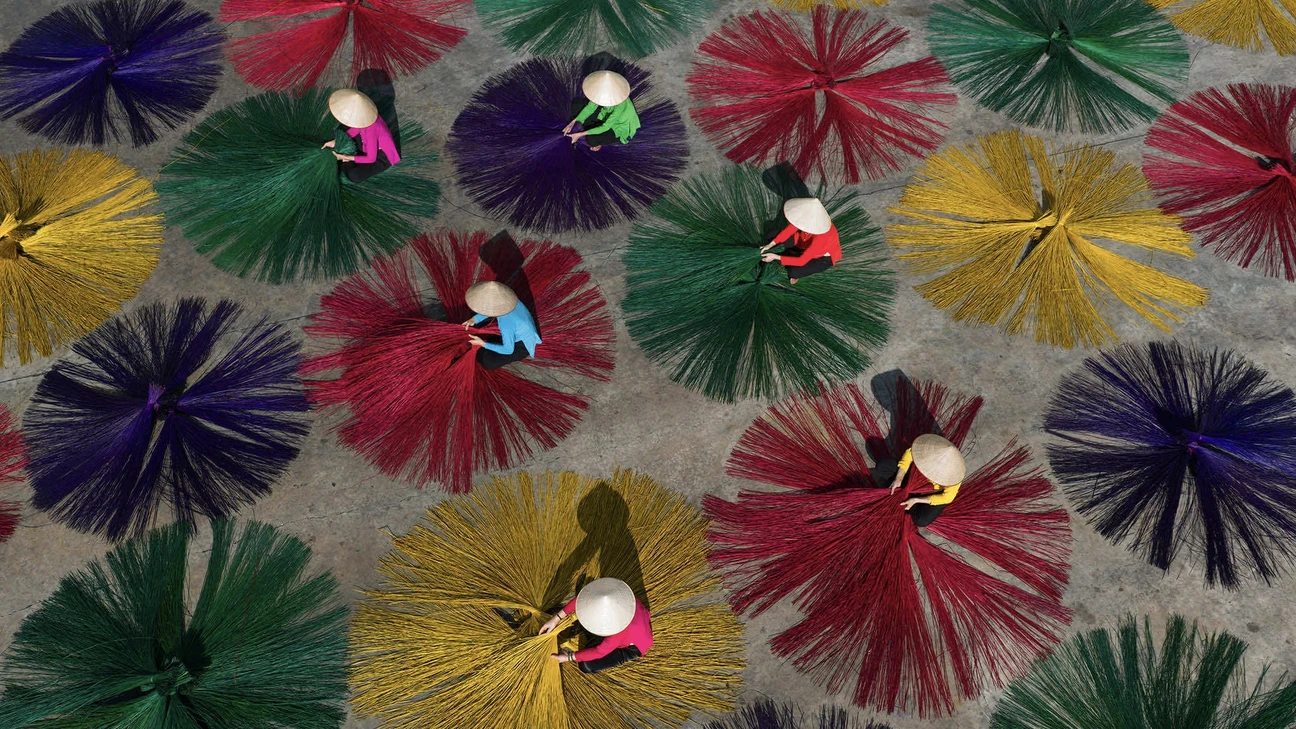
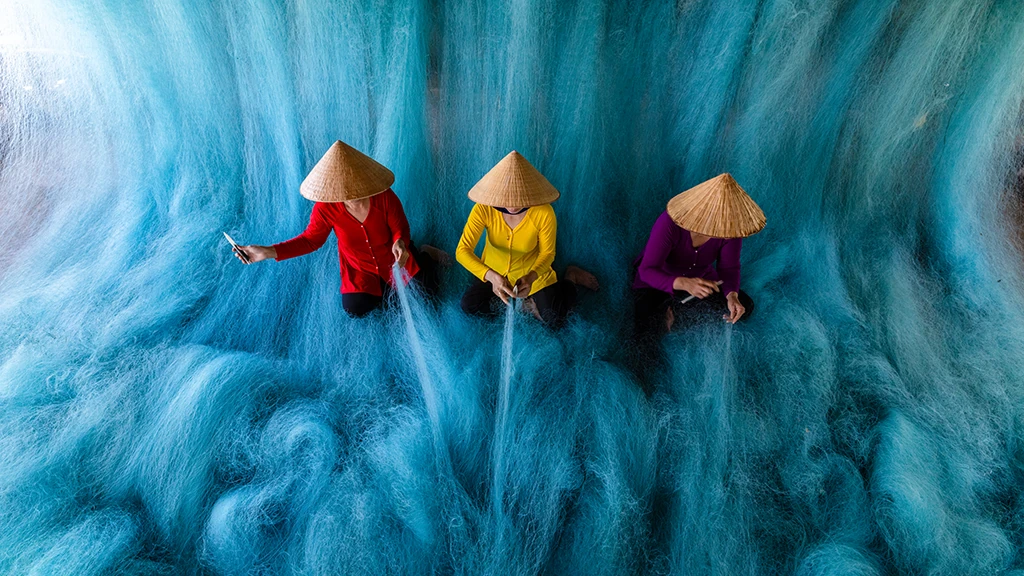
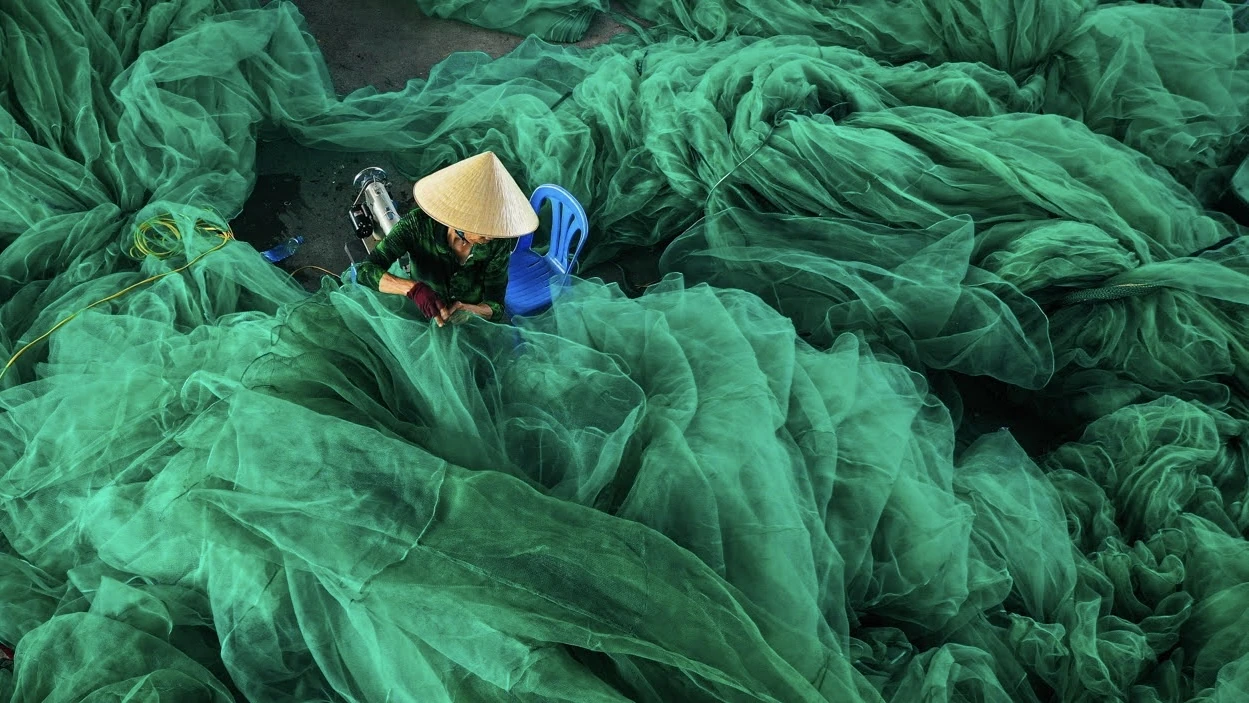
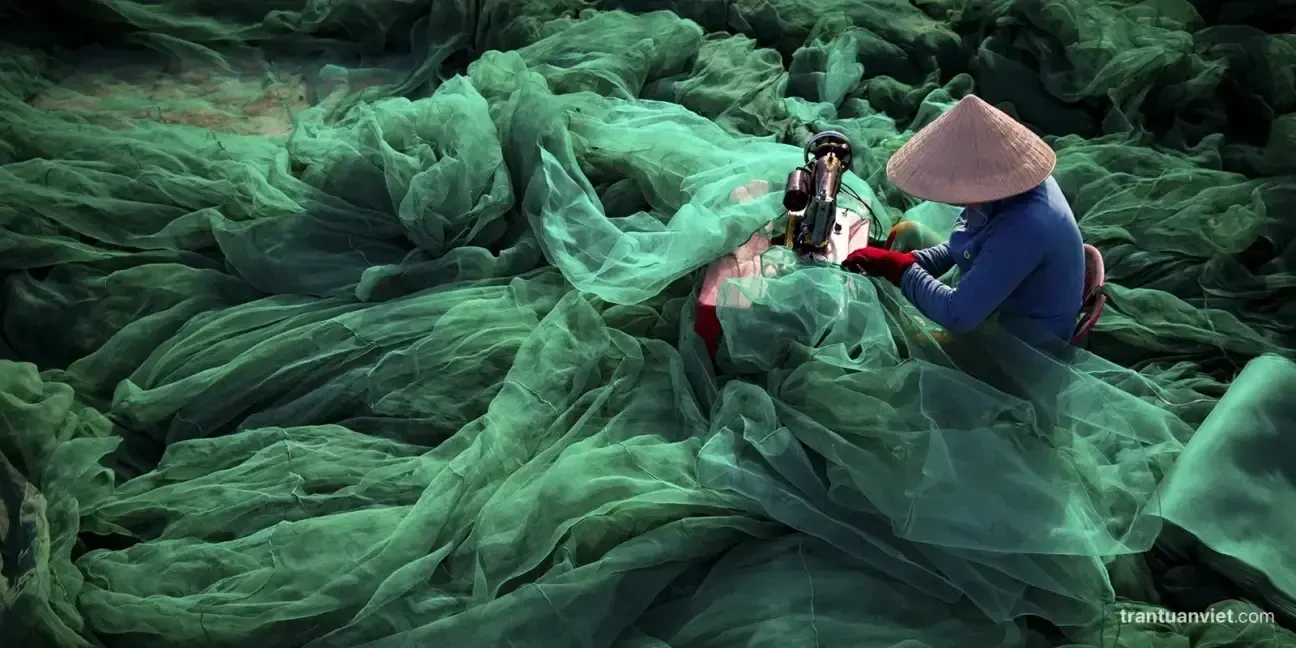
The term "Blue Net" refers to a specific visual arrangement often found in the alleyways and marketplaces of Hoi An. It's characterized by the ubiquitous fishing nets, often drying or being repaired, draped over walls, across doorways, or suspended overhead. Their vibrant blue hue, especially when illuminated by Hoi An's unique light, becomes a dominant visual element. This blue, ranging from deep indigo to faded cerulean, creates a captivating backdrop that can transform ordinary subjects into extraordinary photographs. I’ve spent countless hours in these narrow lanes, and I can assure you, the "Blue Net" is a year-round spectacle, though the quality of light and atmosphere shifts beautifully with the seasons.
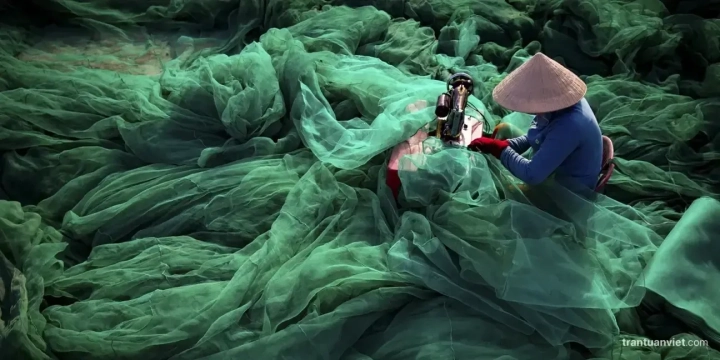
Hoi An: Portraiture Within the Blue Net
The "Blue Net" is an exceptional setting for portrait photography. The rich blue of the nets provides a color story that’s both unique and flattering. When photographing individuals against this backdrop, consider the interplay of light and shadow. Hoi An's light can be quite challenging, especially during midday with its harsh shadows and bright highlights. My personal trick here is to seek out the softer light found in the shade of buildings or under awnings. This diffused light wraps around your subject gently, preventing harsh lines and bringing out their features beautifully without the distress of direct harsh sunlight.
For portraits, I often recommend a mid-range focal length, perhaps a 50mm or 85mm lens. This allows you to isolate your subject from the background while still allowing some of the blue net's texture and context to peek through. Experiment with framing. You can have your subject stand directly in front of the net, using it as a textured wall, or you can position them so the net creates a layered effect, with gaps revealing glimpses of the alleyway behind. Pay attention to the subject's eyes; they should always be your primary focus. Using a relatively wide aperture, like f/2.8 or f/4, will help create a pleasing bokeh, blurring the background nets and emphasizing your subject's connection with the viewer.
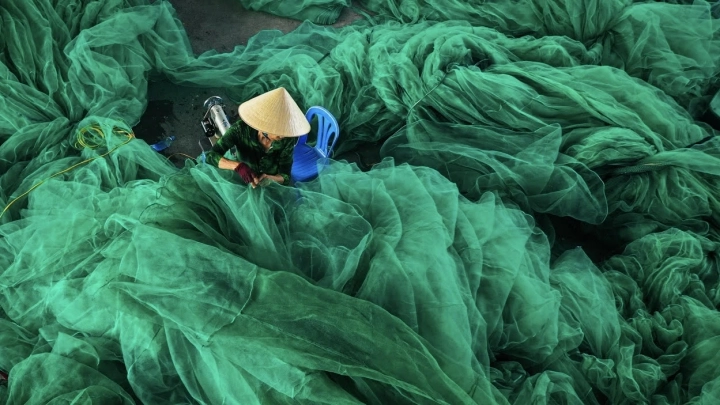
A common mistake is to overexpose the nets, washing out their color. To combat this, use your camera's metering modes judiciously. Spot metering on your subject’s face can be effective, but be prepared to make manual adjustments to the overall exposure to retain the deep blues of the nets. Alternatively, shooting in RAW format gives you the flexibility in post-processing to recover details in both the highlights and shadows, essential when dealing with the narrow dynamic range typical of such scenes.
Capturing Emotion with the Blue Net
The real magic happens when you can capture genuine emotion. Engage with your subjects. A simple smile, a thoughtful gaze, or a candid laugh can be amplified by the atmospheric "Blue Net" setting. When working with local Hoi An residents, a bit of respectful interaction goes a long way. Offer a small token, or simply a genuine smile and clear intent to create beautiful imagery. This builds trust and results in more authentic portraits. Remember to watch for the fleeting moments – a shared glance, a hand gesture – these are the elements that elevate a good portrait to a great one. The "Blue Net" itself can symbolize connection, entrapment, or tradition, offering a rich narrative for your portraits.
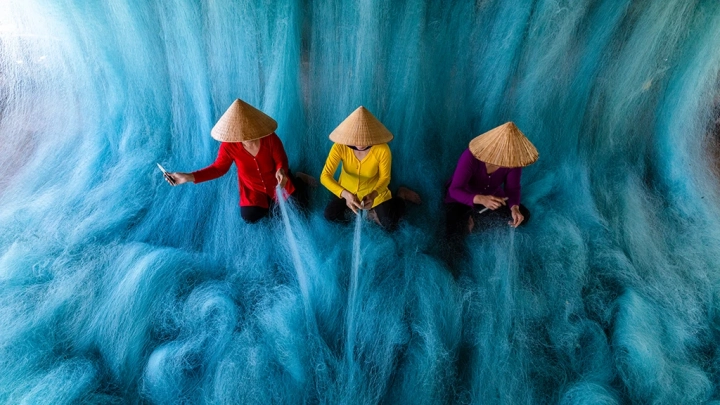
Hoi An: Travel and Conceptual Photography
Beyond portraits, the "Blue Net" is a goldmine for travel and conceptual photographers. As a travel photographer, my goal is to transport the viewer to Hoi An. This means capturing not just the visual elements but the *feeling* of the place. The "Blue Net" is intrinsically linked to Hoi An's history as a trading port and its reliance on the sea. Photographs that incorporate local fishermen mending their nets, or market vendors with nets hanging behind them, tell a story of daily life and tradition.
Consider different camera angles. Shooting from a low angle can make the nets appear grand and imposing, creating a sense of being enveloped. Conversely, a higher vantage point can offer a broader view of the nets, showcasing their patterns and textures across the urban landscape. Leading lines are your friend here; the ropes of the nets can draw the viewer's eye through the frame, leading them to a point of interest, be it a person, a detail, or an exit from the alley.
For conceptual work, the "Blue Net" offers layers of symbolism. It can represent the intricate web of life, the constraints of tradition, or the beauty found in everyday utility. I recall a series I did for Vietnam Photo Tours where I focused on the textures of aged nets, their wear and tear telling a silent story of time and labor. Using a macro lens here can reveal incredible details – the knots, the faded fibers, the subtle variations in color. Look for reflections in puddles after a rain shower, or the way light filters through the mesh, creating abstract patterns.
Light and Weather Considerations
The beauty of the "Blue Net" being a year-round subject is that you can explore it in various light conditions. While the harsh midday sun can be challenging, it can also create dramatic contrast. The real magic, however, often happens during the golden hour – the period shortly after sunrise and before sunset. The warm, soft light bathes the blue nets in a golden glow, creating a beautiful juxtaposition of warm and cool tones. This is also a time when the alleyways are often less crowded, offering a more serene atmosphere for shooting.
Even during the rainy season, which typically runs from September to December, the "Blue Net" offers unique opportunities. The wet nets gleam, and the reflections become more pronounced. The atmosphere becomes more moody and dramatic. Be prepared for the humidity and have weather-sealed gear if possible. A polarizing filter can be incredibly useful here to cut through haze and enhance the saturation of the blue, especially on brighter, overcast days.
My personal technique when dealing with potentially flat light, common on overcast days, is to focus on composition and contrast. Look for strong shapes, interesting patterns within the net itself, or juxtapose the blue with other vibrant colors present in Hoi An's markets – the reds of lanterns, the greens of local produce. These elements will help your images pop even when the light is subdued. Always be mindful of the background. Even with the nets, a cluttered or distracting background can ruin a shot. Use your depth of field and careful framing to keep the focus on your intended subject.
As Tran Tuan Viet, I’ve learned that the most impactful images come from patience and observation. The "Blue Net" is not static; it’s a living, breathing part of Hoi An. Observe how the locals interact with it, how the light changes throughout the day, and how the weather affects its appearance. The photographic potential here is truly immense, offering a distinct Vietnamese aesthetic.
Ready to capture the full potential of the "Blue Net" scene in Hoi An? Join our Vietnam Photo Tours led by Tran Tuan Viet for a guided photography experience designed to master this location and many others like it, uncovering the visual stories that await you.
More Scenes
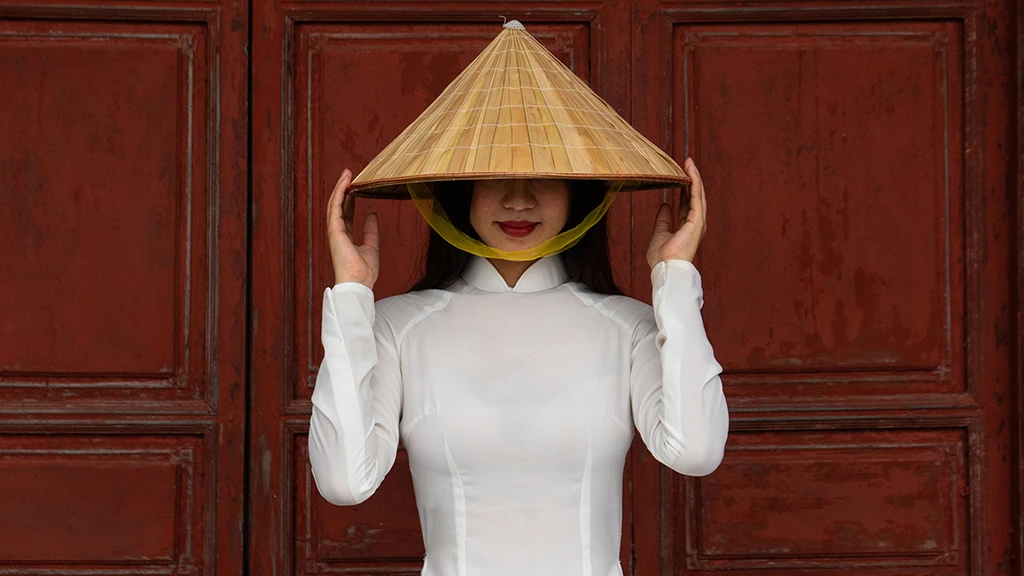
Ao Dai Model
Ceramic Road
Coconut Forest