Bamboo Forest
Capture Vietnam's mystical Bamboo Forest. Explore ethereal light, leading lines & unique textures for stunning nature photography. Perfect for photographers.
Bamboo Forest: Capturing Vietnam's Verdant Majesty
As the founder of Vietnam Photo Tours LLC, my life's work has been dedicated to uncovering and sharing the visual treasures of this extraordinary country. Among its most iconic and versatile landscapes is the humble yet profoundly photogenic bamboo forest. Far more than just a collection of stalks, these verdant sanctuaries offer a canvas for a wide array of photographic genres, from sweeping landscapes to intimate portraits and vibrant travel narratives. The beauty of Vietnam's bamboo forests lies in their ubiquity and their remarkable ability to transform under different light and atmospheric conditions. They are a constant presence, a visual anchor that can be interpreted in countless ways by the discerning photographer.
Mu Cang Chai Bamboo Forest: Photography Techniques
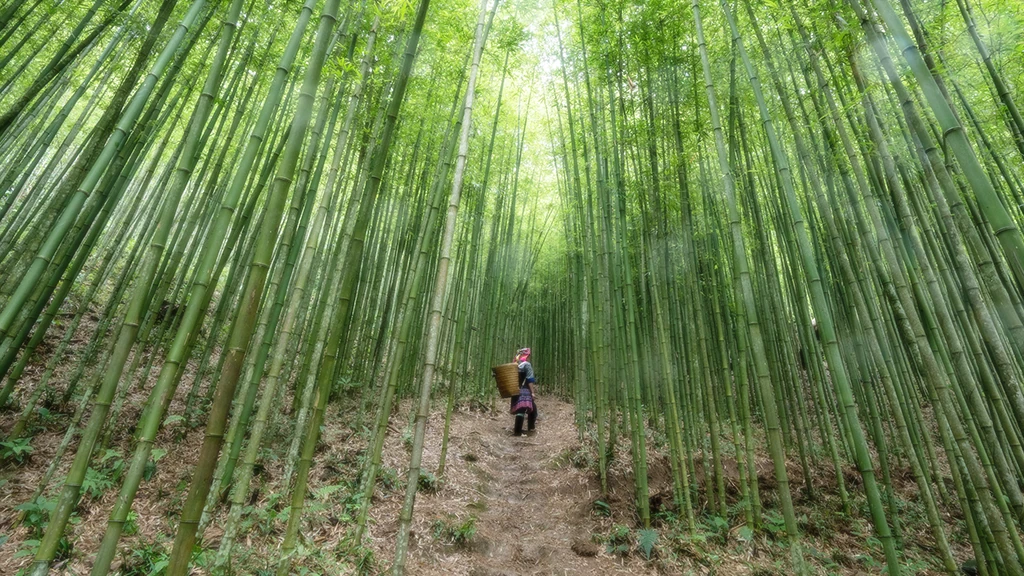
Photographing bamboo forests as landscapes requires a keen eye for composition and an understanding of light. My personal approach often begins with finding leading lines within the dense growth. The vertical lines of the bamboo stalks naturally create strong compositional elements, guiding the viewer's eye through the frame. I frequently employ a wide-angle lens to emphasize the scale and immersive quality of the forest, capturing the feeling of being enveloped by nature. Shooting from a low angle can further accentuate the towering height of the bamboo, making the scene feel even more grand and majestic. Conversely, a telephoto lens can be used to isolate specific patterns and textures within the bamboo grove, revealing intricate details that might otherwise be missed.
The quality of light is a critical element in bamboo forest photography. The dense canopy often creates a dappled light effect, which can be both a challenge and an opportunity. During the day, harsh sunlight can lead to a high contrast scene with deep shadows, making it difficult to capture detail in both highlights and shadows simultaneously. This is where a polarizing filter can be invaluable, helping to reduce glare and deepen the blues in any visible sky, while also saturating the greens of the bamboo. For a more ethereal feel, consider shooting during overcast conditions or shortly after a rain shower. The diffused light softens the scene, allowing for a more uniform exposure and highlighting the rich, saturated greens.
The Magic of Golden Hour in Bamboo Forests in Mu Cang Chai
The true magic, however, often unfolds during the golden hour. As the sun dips towards the horizon, its warm, angled rays penetrate the bamboo stalks, creating dramatic shafts of light and long, stretching shadows. This is the time to experiment with backlighting. By positioning yourself so the sun is behind the bamboo, you can achieve a beautiful rim lighting effect, outlining the stalks and creating a glowing, almost magical atmosphere. This technique is particularly effective for revealing the translucent quality of bamboo leaves and the subtle textures of the bark. Be mindful of your exposure when shooting into the light; using your camera's metering mode judiciously, perhaps even employing exposure compensation, is key to retaining detail in both the bright shafts of light and the darker recesses of the forest.
Bamboo Forest: Portraiture Amidst the Stalks
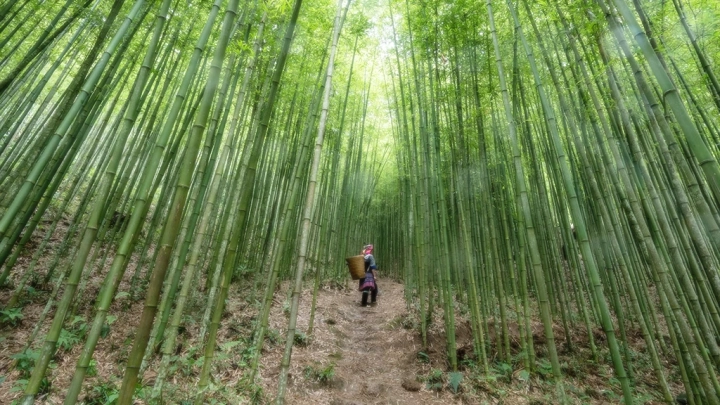
Bamboo forests provide a stunning and culturally resonant backdrop for portrait photography. The natural lines and textures of the bamboo can frame your subject beautifully, adding depth and context without overwhelming the portrait itself. When photographing individuals or small groups, I often look for clearings or areas where the bamboo is slightly less dense to allow for more controlled lighting. A mid-range lens, such as a 50mm or 85mm prime, is excellent for portraits, providing a pleasing background compression and beautiful bokeh that can isolate your subject from the busy forest environment.
Working with Natural Light for Portraits
My personal trick for portraits in bamboo forests is to utilize the natural diffusion provided by the canopy. Even on a bright day, the light filtering through the leaves is often soft and flattering. Look for areas where the sunlight creates beautiful dappled patterns on your subject; this can add a unique textural element to the portrait. If the light is too harsh, I might position my subject with their back to the sun, using a reflector to bounce soft light back onto their face. This creates a beautiful catchlight in their eyes and avoids harsh shadows. For a more intimate feel, consider using a shallow depth of field, setting your aperture to a wide opening like f/2.8 or f/4, to blur the bamboo in the background and draw all attention to your subject. This selective focus technique is crucial for making the portrait stand out.
The best months to capture these portraits are indeed all year round, as Vietnam's bamboo forests are evergreen. However, the slightly cooler months of January to April often offer more comfortable shooting conditions and clearer skies, enhancing the overall visual appeal. Even during the rainy season, the lushness of the bamboo is amplified, offering a dramatic, moody backdrop that can be incredibly compelling for expressive portraits.
Bamboo Forest: Travel Photography Narratives
As a travel photographer, the bamboo forest in Mu Cang Chai is more than just a scenic view; it's a narrative waiting to be told. It represents the livelihoods of many Vietnamese people, the enduring connection to nature, and the quiet resilience of everyday life. When I approach a bamboo forest for travel photography, I’m looking for the human element. This could be a local farmer tending to their crops nearby, children playing amongst the stalks, or artisans crafting items from the bamboo itself. These images add depth and authenticity to your portfolio, transforming a beautiful landscape into a story.
Compositionally, consider the context. Are you showing the scale of the forest, or the intricate details of how it's used? A wide shot might capture a village nestled beside a vast bamboo grove, while a closer shot could focus on the hands of a craftsperson at work. The ever-present vertical lines of the bamboo can be used to frame these human subjects, adding a sense of place and enclosure. I often find that including elements of human activity, even subtly, can elevate a travel photograph from a mere snapshot to a compelling visual narrative. This requires patience and an understanding of the local rhythm of life.
Insider Tips from Tran Tuan Viet
One of my most valuable tricks, honed over years of working with Vietnam Photo Tours LLC, is to embrace the unexpected. The weather in Vietnam can change rapidly, and sometimes the most dramatic shots occur when conditions are less than ideal. A misty morning in a bamboo forest, for instance, can create an incredibly atmospheric and mysterious scene, perfect for evoking a sense of tranquility and otherworldliness. Don't be afraid to experiment with long exposures in these misty conditions to smooth out the water droplets and enhance the ethereal quality. Furthermore, always look for opportunities to capture the texture of the bamboo itself – the subtle grooves, the nodes, the variations in color from fresh green to weathered brown. These details can add immense visual interest to your travel images.
The best months to visit the bamboo forests are truly all twelve months of the year. Each season brings its own unique character. From January to April, you'll find pleasant weather and lush greenery. May to August brings the vibrant, intense greens of the rainy season, often accompanied by dramatic skies. September to December offers a mix of conditions, often with clearer skies and slightly cooler temperatures. My personal preference often leans towards the early dry season (October to April) for its reliable light and comfortable shooting conditions, but the drama of the wet season can yield truly spectacular results for the adventurous photographer. The key is to be prepared for anything and to see the potential in every light and weather condition.
To truly master the art of capturing the essence of Vietnam's bamboo forests, from their majestic landscapes to intimate portraits and compelling travel narratives, consider joining our Vietnam Photo Tours. We offer expertly guided experiences that delve deep into the heart of these locations, providing you with the knowledge, techniques, and insider access needed to create truly unforgettable images. Let us help you unlock the photographic potential of Vietnam's most iconic natural wonders.
More Scenes
Corn House
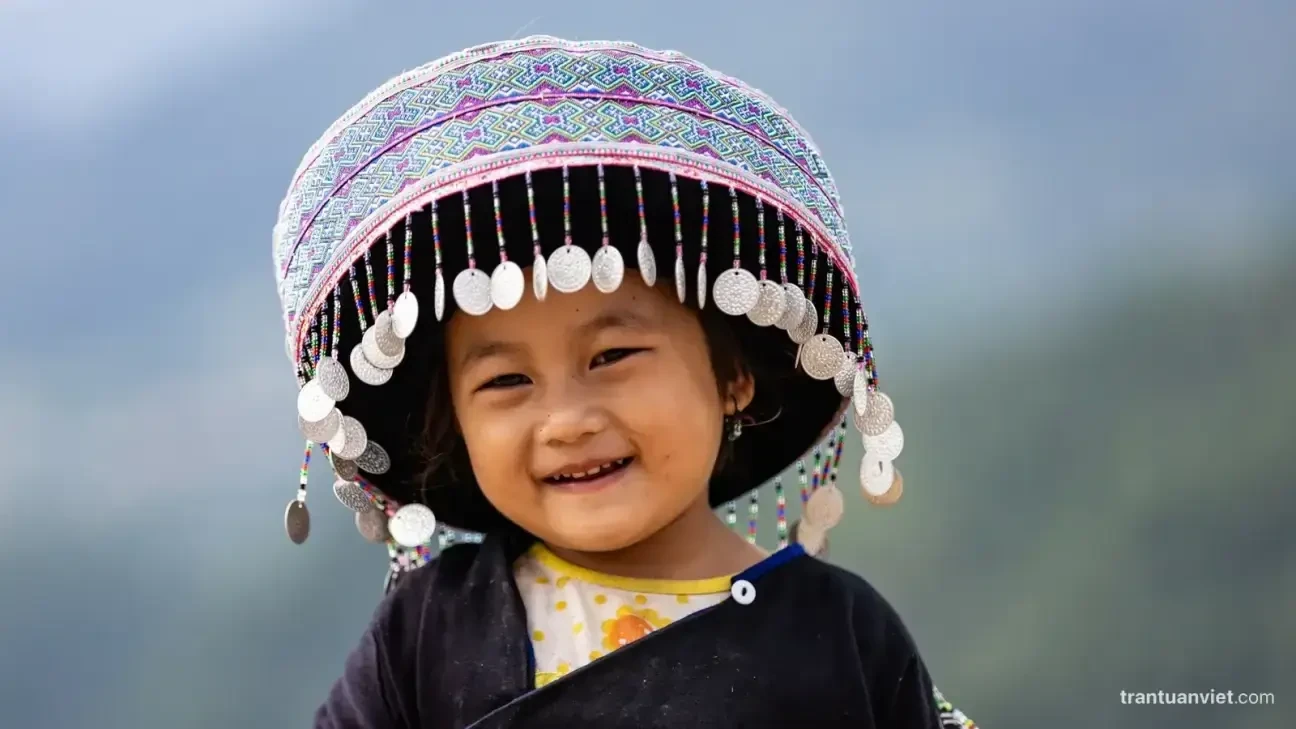
HMong People