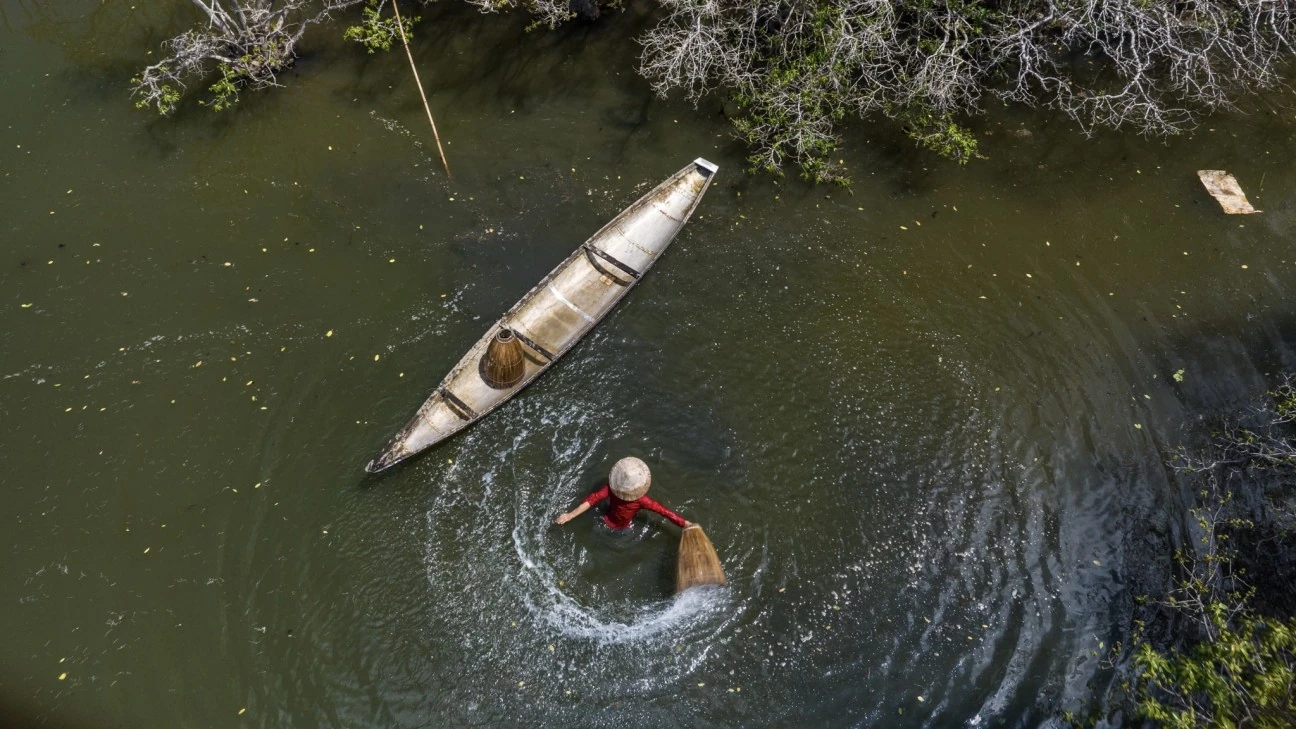
Abandoned Park
Capture the beauty in Vietnam's Abandoned Park Explore decaying structures, dramatic light, & evocative decay for striking photographic compositions.
Abandoned Park: Unearthing Visual Narratives in Vietnam
Vietnam, a land steeped in history and vibrant life, often presents photographers with paradoxes. The “Abandoned Park” scene is a prime example of this, offering a canvas where nature’s reclamation meets remnants of human endeavor. These forgotten spaces, often found on the fringes of burgeoning cities or in quieter provincial towns, are rich with texture, atmosphere, and poignant stories waiting to be told through the lens. Understanding the unique interplay of light, decay, and resilience is key to capturing compelling imagery in such locations.
When approaching an abandoned park in Vietnam, the photographer’s first task is to observe. Look beyond the obvious – the peeling paint, the rusted swings, the overgrown paths. Seek out the subtle details that speak of time and neglect. Consider the patterns created by creeping vines on a crumbling wall, the way sunlight filters through broken windows, or the unexpected pop of color from a wildflower pushing through cracked concrete. These moments of contrast and quiet beauty are the essence of this genre.
Abandoned Park: Mastering Light and Atmosphere
Light is paramount in capturing the mood of an abandoned space. The quality and direction of light can transform a mundane scene into something dramatic and evocative. Early morning and late afternoon, during the golden hour, offer the most forgiving and visually pleasing light. The low angle of the sun creates long, soft shadows that accentuate textures and add depth. This is particularly true in Vietnam, where humidity can often lend a painterly diffusion to the light, softening harsh edges and creating a dreamlike quality.
Conversely, midday sun can be challenging. The harsh, direct light can flatten the scene and create blown-out highlights or deep, impenetrable shadows. If forced to shoot at midday, consider strategies to mitigate its intensity. Utilizing a polarizing filter can help control reflections and deepen colors, while shooting through translucent materials like dusty glass or tattered fabric can create interesting light diffusion effects. Look for shaded areas where the light is more controlled, allowing you to focus on the intricate details of decay.

Seasonal Considerations for Abandoned Parks
The season in Vietnam significantly influences the character of an abandoned park. The rainy season (roughly May to October in many regions) brings lush, vibrant greenery. Overgrown vegetation can engulf structures, creating a sense of nature's ultimate victory. The dampness in the air can also lead to atmospheric mist, which can add an ethereal quality to your photographs. However, be prepared for challenging shooting conditions, including high humidity, potential downpours, and slippery surfaces. A sturdy tripod and a rain-resistant camera are invaluable during this period.
The dry season (roughly November to April) offers clearer skies and drier conditions. The foliage might appear less vibrant, but the drier light can bring out the raw textures of weathered materials. Dust might become a significant element, adding an extra layer of atmosphere. This season is generally more comfortable for exploring, and the lack of rain reduces the risk of equipment damage. Each season provides a distinct visual palette and presents unique photographic opportunities that should be embraced.
Abandoned Park: Compositional Strategies and Lens Choices
Composition is crucial in guiding the viewer's eye and telling a coherent story within the frame. The rule of thirds remains a timeless principle, helping to create balanced and aesthetically pleasing arrangements. However, don't be afraid to break it when the scene demands it. Explore leading lines – the curve of a rusted railing, the path of a creeping vine, or the lines of a dilapidated structure – to draw the viewer into the heart of the image. Consider negative space; sometimes, the emptiness around a subject can be as powerful as the subject itself.
When choosing lenses for an abandoned park, versatility is key. A wide-angle lens (e.g., 16-35mm on a full-frame camera) is excellent for capturing the grandeur of the space, emphasizing its scale, and showing the extent of nature’s encroachment. These lenses are adept at conveying a sense of isolation and vastness. For isolating details and creating a sense of intimacy with specific elements of decay, a telephoto lens (e.g., 70-200mm) can be very effective. It allows you to compress perspective and blur distracting backgrounds, drawing attention to textures, patterns, or specific objects.
Focusing Techniques and Exposure Challenges
Achieving sharp focus in abandoned parks often requires careful attention. With varied light levels and the desire to capture fine textures, depth of field management is critical. For scenes where you want everything sharp, from foreground to background, using a smaller aperture (higher f-number like f/11 or f/16) is recommended, especially when shooting with a wide-angle lens. However, be mindful of diffraction, which can soften the image at very small apertures.
Conversely, if you wish to isolate a specific element of decay, such as a single wilting flower or a weathered piece of machinery, employing a wider aperture (lower f-number) will help you achieve a shallow depth of field and create beautiful bokeh. Manual focus is often preferred in these environments, as autofocus systems can sometimes struggle with low contrast or cluttered scenes. Using live view and zooming in on the critical part of the scene ensures pinpoint accuracy.
Exposure in abandoned parks can be a balancing act. The dynamic range can be significant, with bright sky contrasting with dark interiors. Exposing for the highlights is generally a safe strategy, as lost shadow detail can sometimes be recovered in post-processing, whereas blown-out highlights are often unrecoverable. Using exposure bracketing is a highly recommended technique. By taking multiple shots of the same scene at different exposures, you can later merge them using High Dynamic Range (HDR) software to create a final image that captures the full range of tones, from the brightest highlights to the deepest shadows, without sacrificing detail. This is particularly useful for capturing the nuanced atmosphere of these forgotten Vietnamese locales.
More Scenes

Ao Dai Model
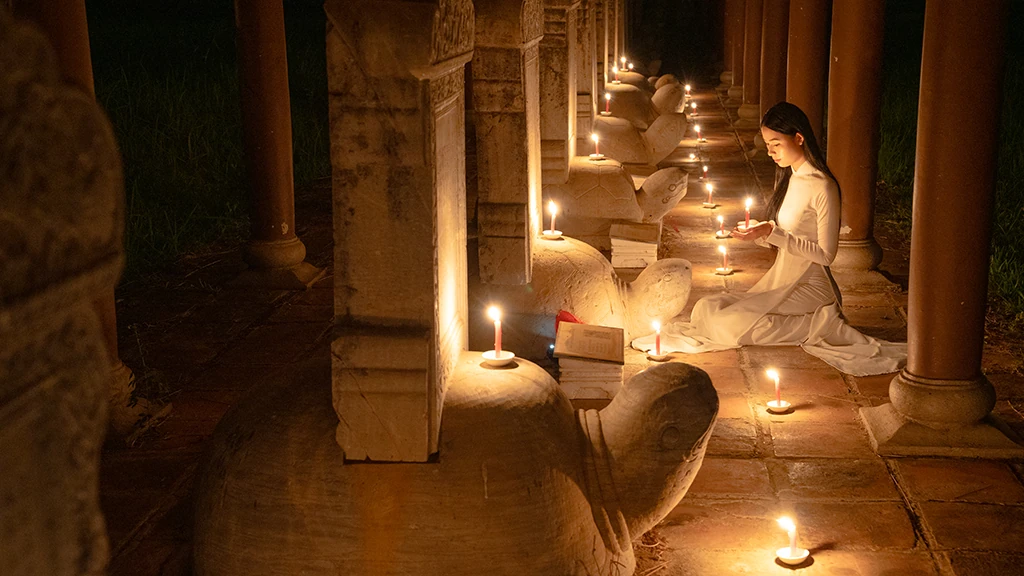
Candle Prayer
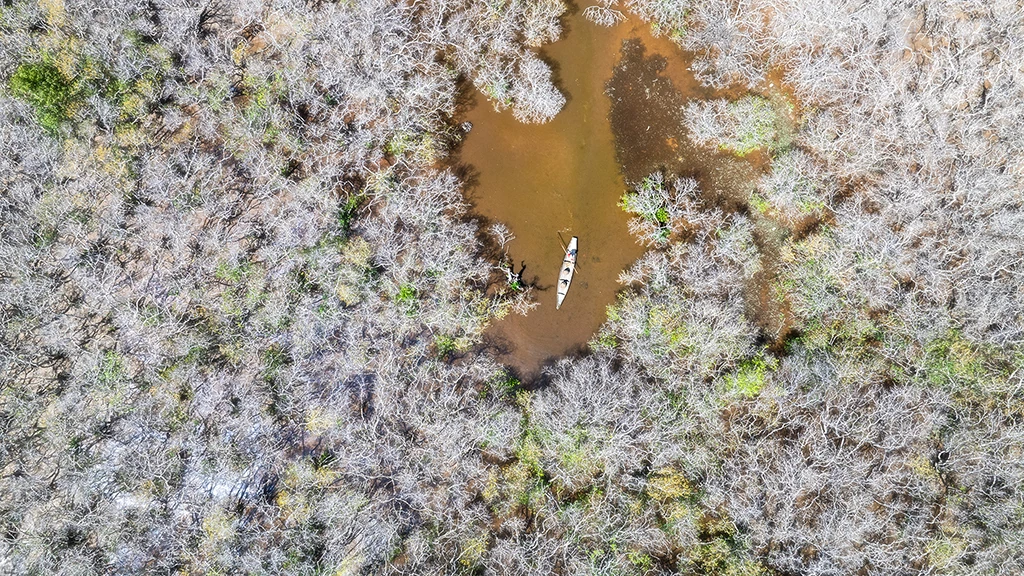
Cha Forest