In early 2026, Vietnam’s tourism sector reached a historic milestone, welcoming nearly 2.5 million international visitors in January alone. Among this record-breaking influx is a rapidly growing demographic: the photo tourist. No longer content with snapshots on a smartphone, these travelers arrive with professional-grade kits, drones, and a specific "shot list" often inspired by the curated aesthetics of social media.
This surge has birthed a specialized industry of photography workshops and tours, stretching from the northern highlands of Ha Giang to the vibrant waterways of the Mekong Delta. However, as photography transitions from a personal hobby to a primary driver of travel, it brings a complex set of ethical, economic, and environmental challenges. For the industry to remain sustainable, we must analyze the friction between the pursuit of the "perfect shot" and the reality of a living,breathing culture.
The Landscape of Photography Workshops and Tours
The evolution of photo tourism in Vietnam has moved through three distinct phases. A decade ago, it was the domain of lone backpackers or professional journalists. Five years ago, it shifted toward organized "adventure" tours. Today, in 2026, it is a high-end niche market characterized by luxury photography retreats and masterclasses led by world-renowned photographers.
Specialization and Market Growth
The growth is fueled by a desire for "curated access." Travelers are willing to pay a premium for a licensed tour operator who can provide not just transportation, but also "insider" access to remote ethnic minority villages or private workshops with traditional artisans. These operators act as cultural intermediaries, ensuring that photographers are in the right place at the precise moment the light hits the rice terraces or the incense smoke curls in a specific temple.
The Role of Licensed Operators
As the industry matures, the Vietnamese government has tightened regulations around tour licensing. Under the updated tourism laws of 2025 and 2026, operators leading photography-specific groups are increasingly scrutinized for their impact on sensitive cultural sites. Professionalism in this sector now requires more than just knowing camera settings; it requires a deep understanding of local protocols and the legalities of commercial-grade photography in public spaces.
The Ethical Dilemma: Staged Portraits vs. Documentary Reality
Perhaps the most contentious issue in 2026 is the rise of the "staged setup." As certain images of Vietnam go viral, a feedback loop is created: photographers want to recreate the image, and local communities, recognizing the economic opportunity, begin to perform for the camera.
The Performance of Tradition
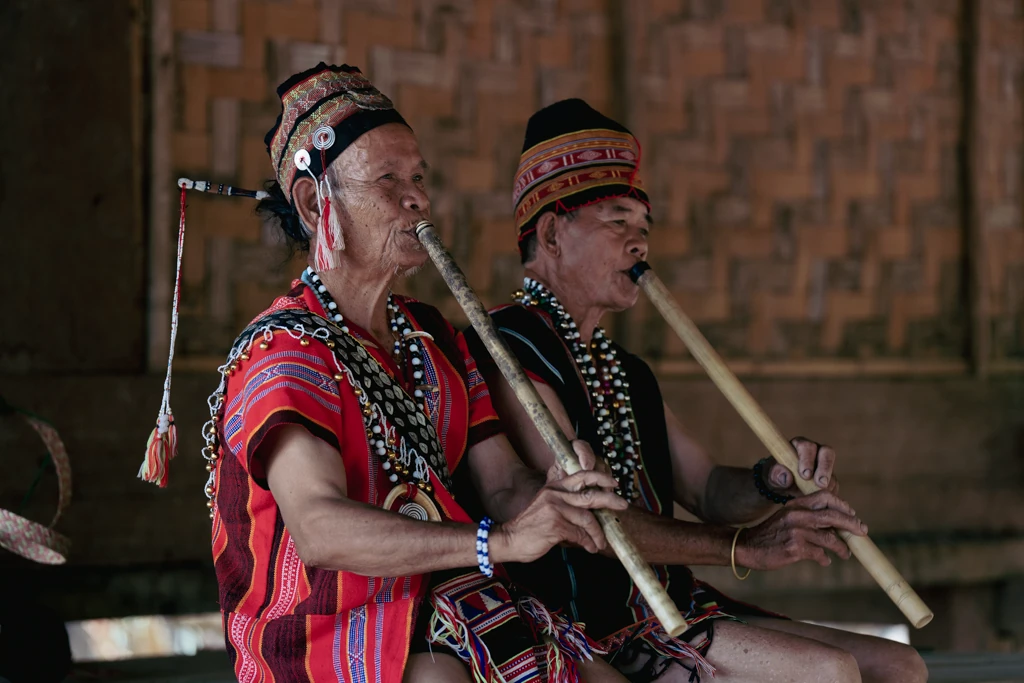
In villages once known for authentic crafts, it is now common to see "models"—often elders or children in traditional dress—positioned in ways that maximize visual impact but bear little resemblance to daily life. Smoke machines are used to create "god rays" in temples, and fishing nets are cast repeatedly into empty water for the benefit of a clicking line of shutters.
The Erosion of Authenticity
The risk here is twofold. First, it creates a "Disneyfied" version of Vietnam that prioritizes aesthetics over truth. Second, it shifts the power dynamic between the photographer and the subject. When a subject is paid to pose, they become an employee rather than a participant in a shared moment. This transaction often erodes the genuine hospitality for which Vietnam is known, replacing it with a standardized "photo-fee" culture that can be off-putting to genuine documentary photographers.
Economic Impact: Wealth Distribution and the "Photo-Fee" Economy
Photo tourism brings significant capital into rural areas that might otherwise be overlooked by traditional tourism.However, the distribution of this wealth is often uneven.
Direct Benefits to Communities
In areas like the Mu Cang Chai terraces, photo tourism has provided a vital secondary income for Hmong and Thai families. Revenue from homestays, guiding, and "modeling" fees can pay for education and infrastructure. Some communities have successfully organized themselves into cooperatives, ensuring that the income from photography is shared among the village rather than just the most photographed individuals.
The Risks of Commercialization
Conversely, when photography becomes the primary economy, it can lead to the abandonment of traditional livelihoods. If a farmer makes more money posing with a water buffalo for an hour than they do farming for a week, the agricultural heritage that made the area photogenic in the first place begins to disappear. A sustainable model requires photography to support, not replace, the traditional way of life.
Regulatory Realities: Drones and Access in 2026
The technical landscape of photo tourism has been significantly altered by the introduction of Government Decree 288/2025/ND-CP. This law has brought much-needed clarity—and new restrictions—to the use of Unmanned Aerial Vehicles (UAVs).
The Under-250g Exemption
For the first time, drones under 250g are largely exempt from the grueling permit process that once required Ministry of Defense approval for every single flight. This has democratized aerial photography for hobbyists. However, for professional workshops using heavier equipment, the 14-day permit window and strict "No-Fly Zones" (especially near border regions like Ha Giang) remain a significant logistical hurdle.
Digital Governance
Vietnam is also rolling out a comprehensive tourism data system, scheduled for full operation in mid-2026. This system will eventually include "real-time tourism maps" that help regulate visitor flows to over-photographed areas, potentially limiting the number of photography permits issued for specific sensitive sites per day.
Sustainability and Social Media Influence
Social media remains the most powerful recruitment tool for photo tourism, but its influence is a double-edged sword.
The "Instagram Effect" and Over-Tourism
When a single location—like the "Hanoi Train Street" or specific incense villages—goes viral, it can lead to dangerous levels of overcrowding. This "over-tourism" often forces local authorities to shut down access entirely for safety or security reasons. Responsible photo tourism in 2026 involves "de-marketing" famous spots and instead using social media to highlight under-visited regions, spreading the environmental and social footprint more thinly across the country.
The Environmental Cost
The "leave no trace" philosophy is often forgotten in the scramble for a shot. In the northern mountains, trampling through rice paddies or leaving plastic waste in remote valleys are recurring issues. Photography tours have a responsibility to educate their clients on the environmental sensitivity of the landscapes they are documenting.
Toward a Model of Responsible Photo Tourism
How can photographers and tour operators contribute to a future where photo tourism is a net positive for Vietnam?
Prioritizing "Slow" Photography
The industry must move away from the "checklist" approach. Responsible tours should prioritize staying in one location for multiple days, allowing photographers to build rapport with the community. This shift from "hunting" images to "gathering" stories results in better photography and a more respectful interaction.
Transparent Compensation
If a shoot is staged, it should be acknowledged as such, and compensation should be handled with transparency and dignity. Operators should ensure that the local community—not just the middleman—receives the majority of the financial benefit.
Educational Advocacy
Photographers with large followings have a "digital responsibility." When sharing images of Vietnam, they should include context about the culture, the challenges the community faces, and the ethics of the shoot. This educates the next wave of travelers on how to behave when they arrive.
Conclusion: The Lens as a Tool for Preservation
Photo tourism in Vietnam is at a crossroads. It has the power to preserve vanishing traditions by providing them with economic value, but it also has the power to commodify and destroy them.
As we look toward the remainder of 2026 and beyond, the most successful photographers will be those who recognize that they are guests in a living house. The "perfect shot" is not just about the light hitting the mountain; it is about the integrity of the process that led to the shutter click. When practiced with responsibility and intelligence, photography isn't just a way to see Vietnam—it’s a way to ensure its beauty survives for the generations that follow the lens.