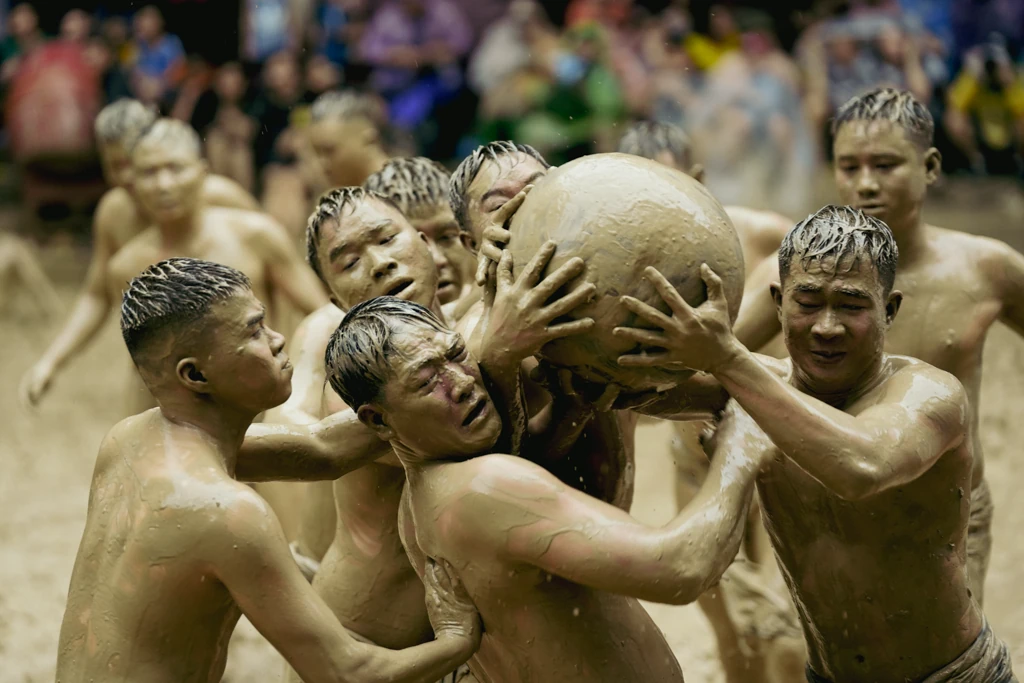
In the visual narrative of Vietnam, festivals are the crescendos. They are moments where the country’s stoic day-to-day labor yields to explosive color, ancestral reverence, and communal joy. However, for the photographer, these events are often synonymous with “chaos”—dense crowds, intrusive selfie sticks, and the constant struggle to find a clean frame amidst the frenzy.
To capture the soul of a Vietnamese festival, one must move beyond the role of a spectator. Success in this environment is less about “being there” and more about strategic timing. By understanding the lifecycle of a festival—from the quiet preparation to the private rehearsals—you can document the intimacy and grandeur of the event without being swallowed by the crowd.

1. The Anatomy of a Festival: Timing the Narrative
Most photographers arrive at the “peak” hour of a festival, which is precisely when the visual noise is highest. To find the story, you must look at the margins.
The Preparation Phase (1–3 Days Prior)
The most visually rich moments often happen before the official start.
- The Ritual of Cleaning: In the days leading up to Tết (Lunar New Year) or a local temple festival, families and monks are engaged in deep cleaning. The act of polishing brass incense burners or painting a village gate provides a quiet, human-focused narrative that is absent during the main event.
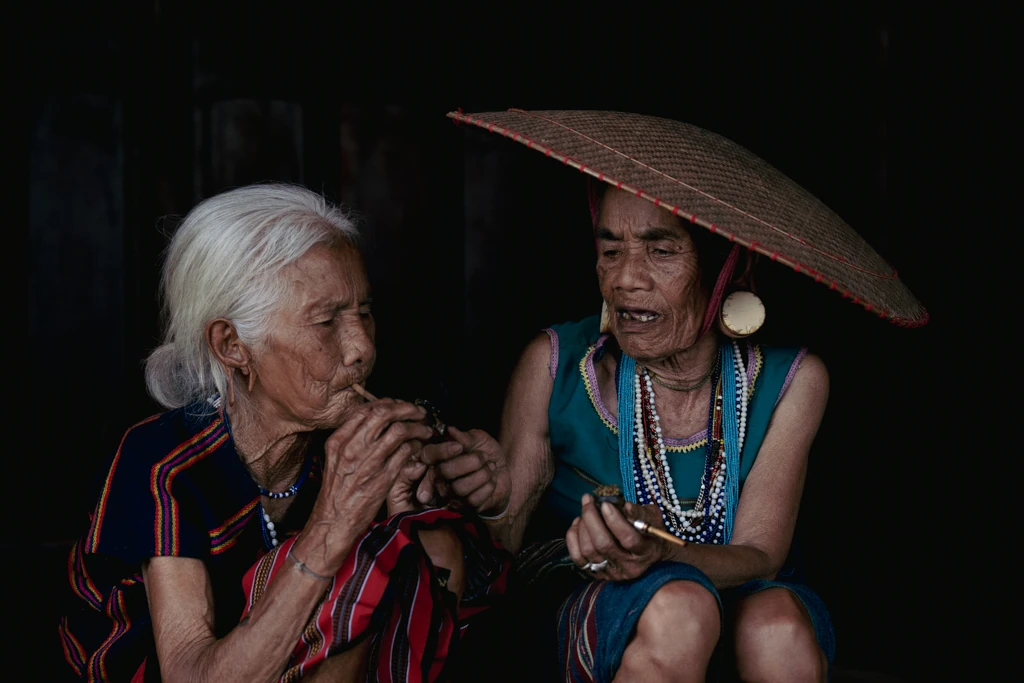
- Behind-the-Scenes Access: Visit communal houses (đình) or temples three days early. You will find elders preparing the palanquins or women cooking massive communal meals. At this stage, you are an invited observer rather than one of a thousand tourists, allowing for more intimate environmental portraiture.
The Rehearsal (The Hidden Jewel)
Larger celebrations, such as the Mid-Autumn Festival lion dances or the Huế Festival performances, always have dress rehearsals.
- Why it Works: Rehearsals offer the same costumes, lighting, and energy as the main event but with 5% of the crowd. This is your window to experiment with wide-angle shots and low-angle compositions that would be physically impossible once the barricades are up.
The “Blue Hour” Strategy
In Vietnam, festivals often start at sunrise or transition into the night.
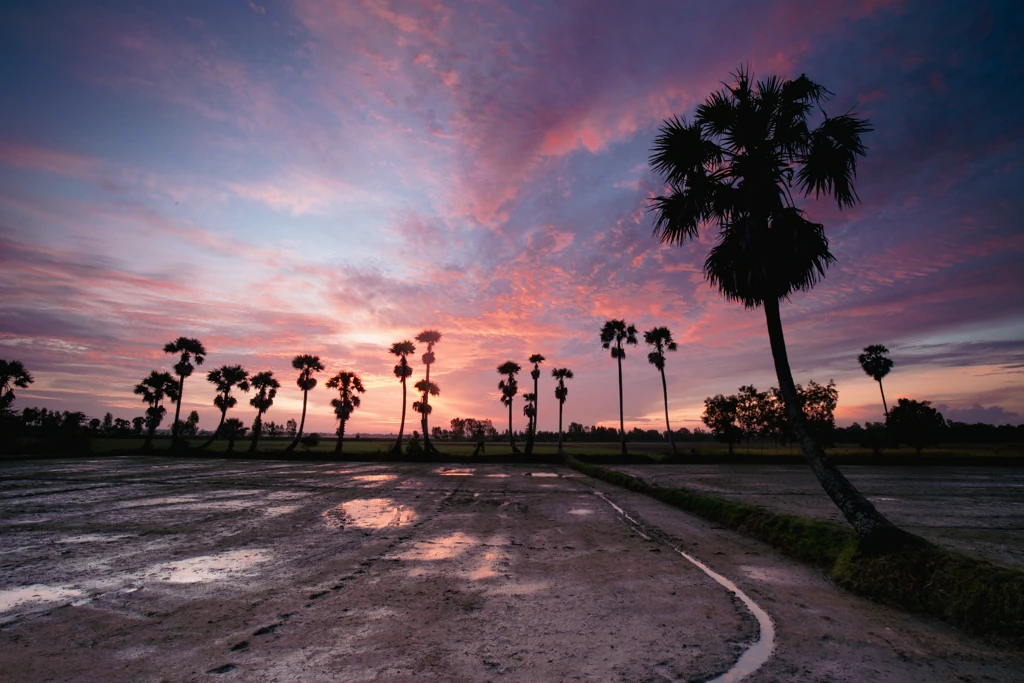
- Dawn: The first rituals of a temple festival usually occur at 5:00 AM or 6:00 AM. The light is soft, and the attendees are mostly locals in a state of genuine prayer.
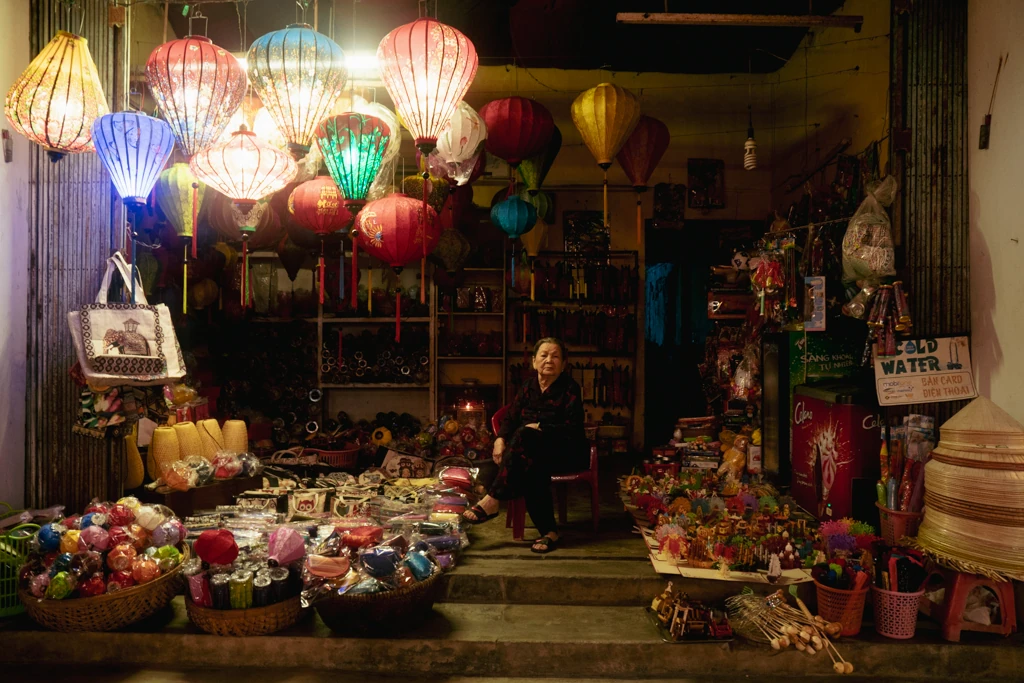
- Dusk: During the Mid-Autumn Festival, the “magic” happens as the sky turns deep blue but the lanterns are already glowing. This balance of ambient and artificial light is the peak aesthetic moment.

2. Navigating the Crowd: Compositional Tactics
When you are forced to shoot during peak hours, your primary enemy is the “cluttered background.”
Compression and the Telephoto Lens
While a wide-angle lens is tempting for “capturing it all,” it often captures too much of the modern chaos (plastic chairs, power lines, tourists).
- The Technique: Use a 70-200mm lens to compress the scene. By standing further back and zooming in, you can stack the layers of the festival—placing a brightly dressed dancer against a sea of blurred incense smoke—effectively “hiding” the crowd behind your subject.
Looking Up and Looking Down
When the eye-level is blocked by heads and cameras, change your elevation.
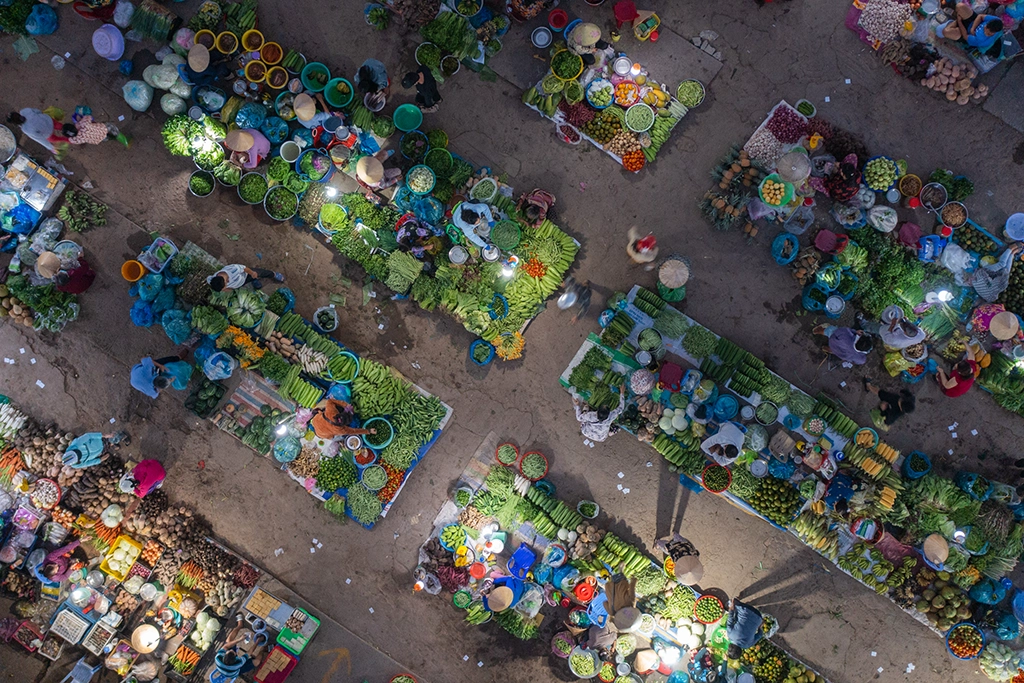
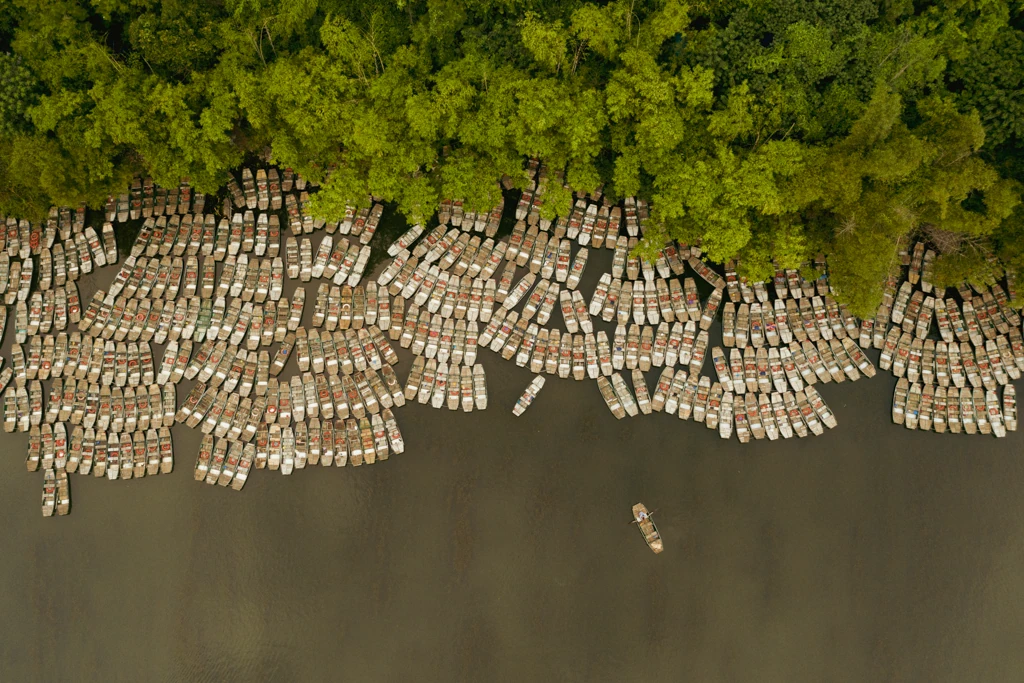
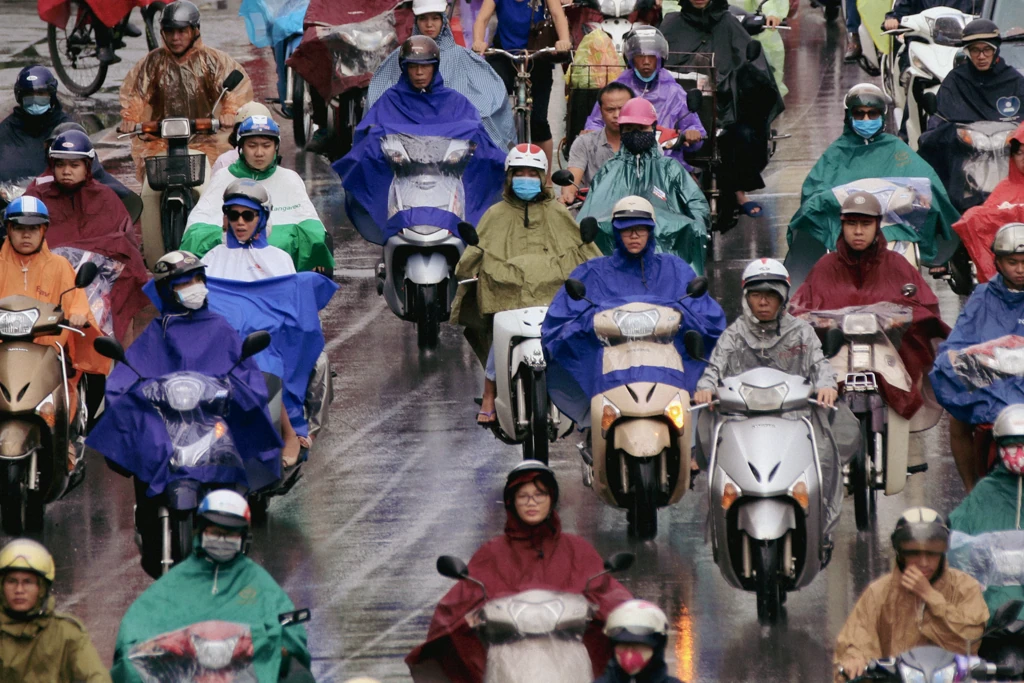
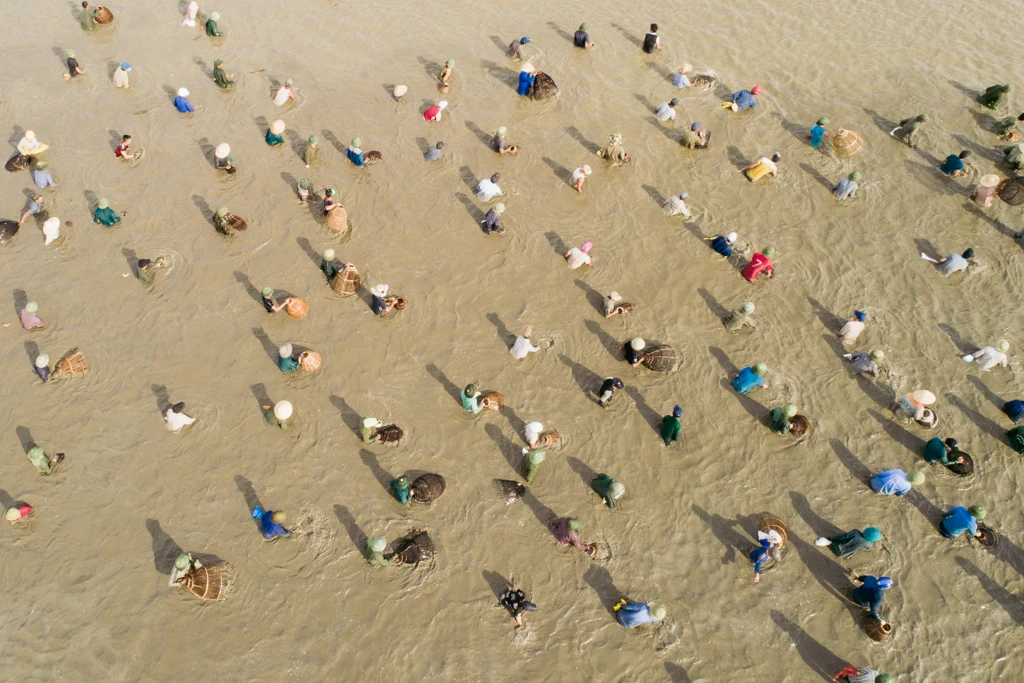
- The High Vantage Point: Scout a balcony, a nearby temple wall, or a second-story café. An elevated shot turns a “messy crowd” into a “graphic pattern” of conical hats and colorful umbrellas.
- The Low Angle: Get down on one knee. Shooting slightly upward towards a festival palanquin or a lion dancer uses the sky as a clean background, instantly removing the visual clutter of the street level.
3. The Big Four: Specific Timing Strategies
Tết (Lunar New Year): The Pre-Event Rush
The “event” of Tết is actually the two weeks before the first day of the lunar year.
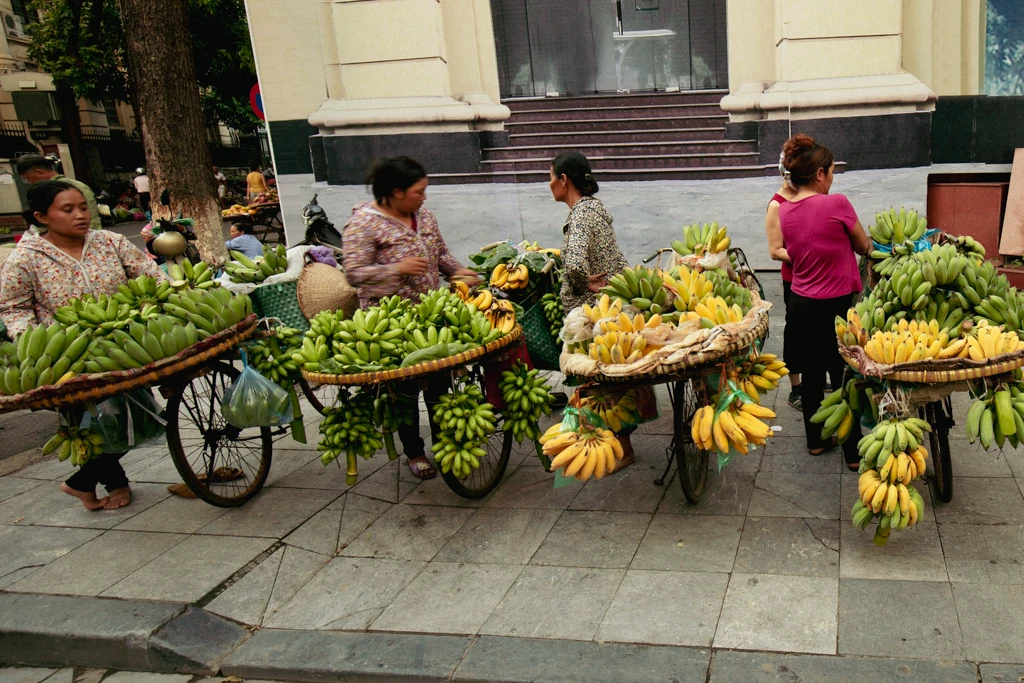
- The Flower Markets: Visit the Quảng An (Hanoi) or Hồ Thị Kỷ (Saigon) flower markets at 3:00 AM. This is when the vendors are most active and the light is moody. Once the sun rises, the crowds become unmanageable.
- The First Day: On the actual first day of Tết, the streets are eerily empty. This is the only time of year you can photograph the architecture of the Old Quarter or District 1 without motorbikes.
Mid-Autumn Festival (Tết Trung Thu)
- The “Lồng Đèn” Crafting: Avoid the “Lantern Street” (Lương Nhữ Học in Saigon or Hàng Mã in Hanoi) on the actual night of the festival. Instead, visit the Phú Bình lantern-making village weeks earlier. You will capture the artisans’ hands at work, a much more powerful story than a crowded street selfie.
Local Temple Festivals (Lễ Hội)
In the Red River Delta, spring is the season of village festivals (e.g., Lim Festival or Gióng Festival).
- Timing: These festivals are deeply localized. Research the “main day” (chính hội) but arrive for the Opening Ceremony. The procession (rước kiệu) usually happens early in the morning when the light is low and the village elders are in their full traditional regalia.
Ethnic Celebrations (Gầu Tào or New Rice)
In the mountains of the North, ethnic festivals are tied to the agricultural cycle.
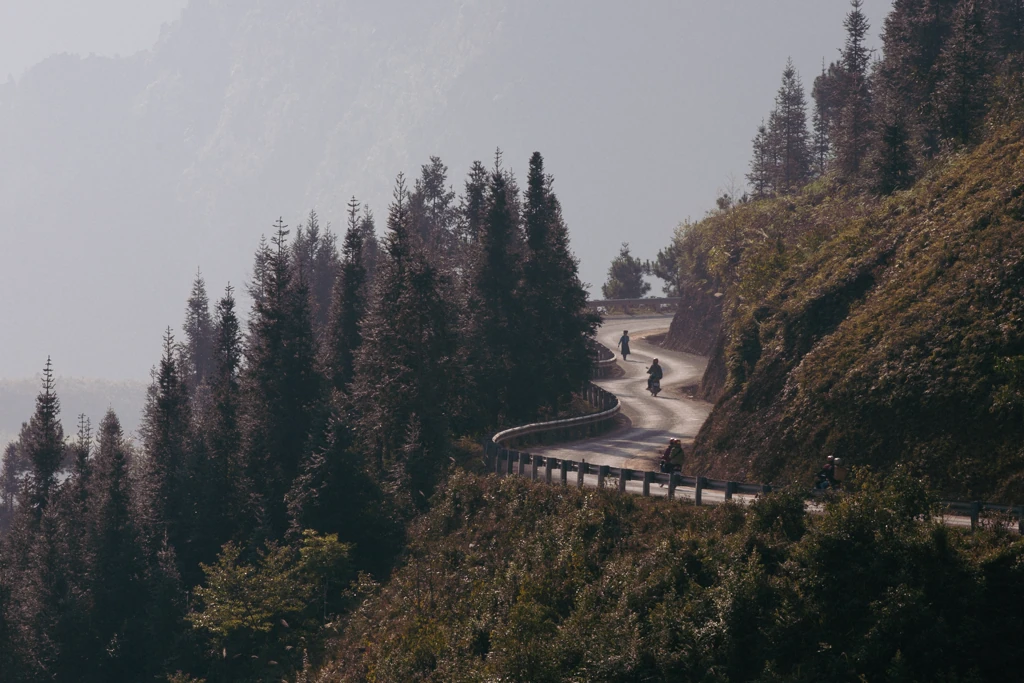
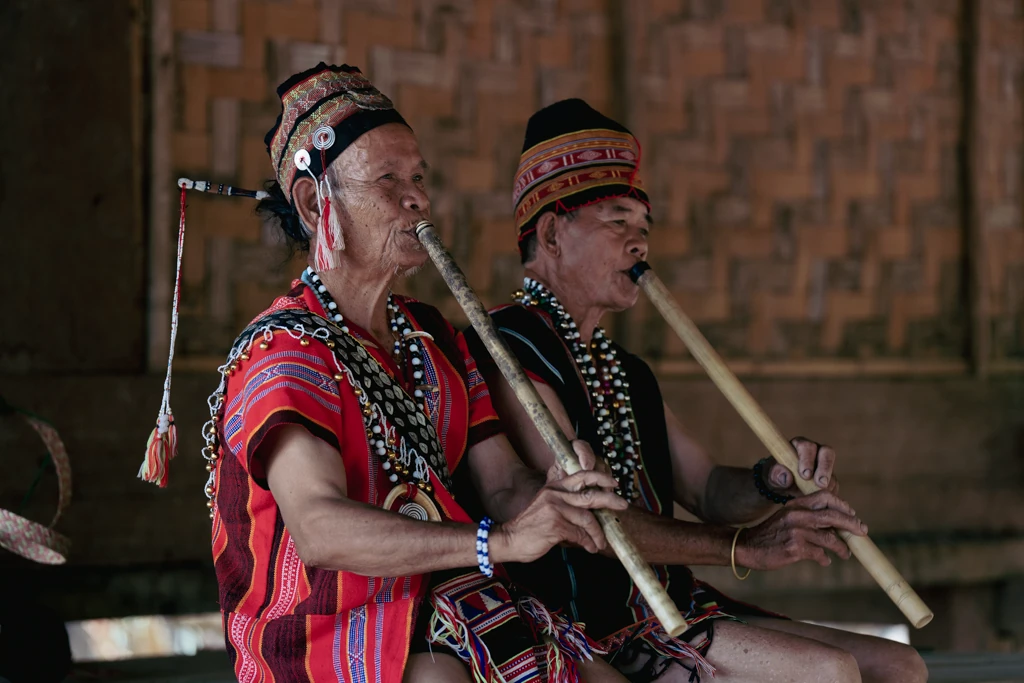
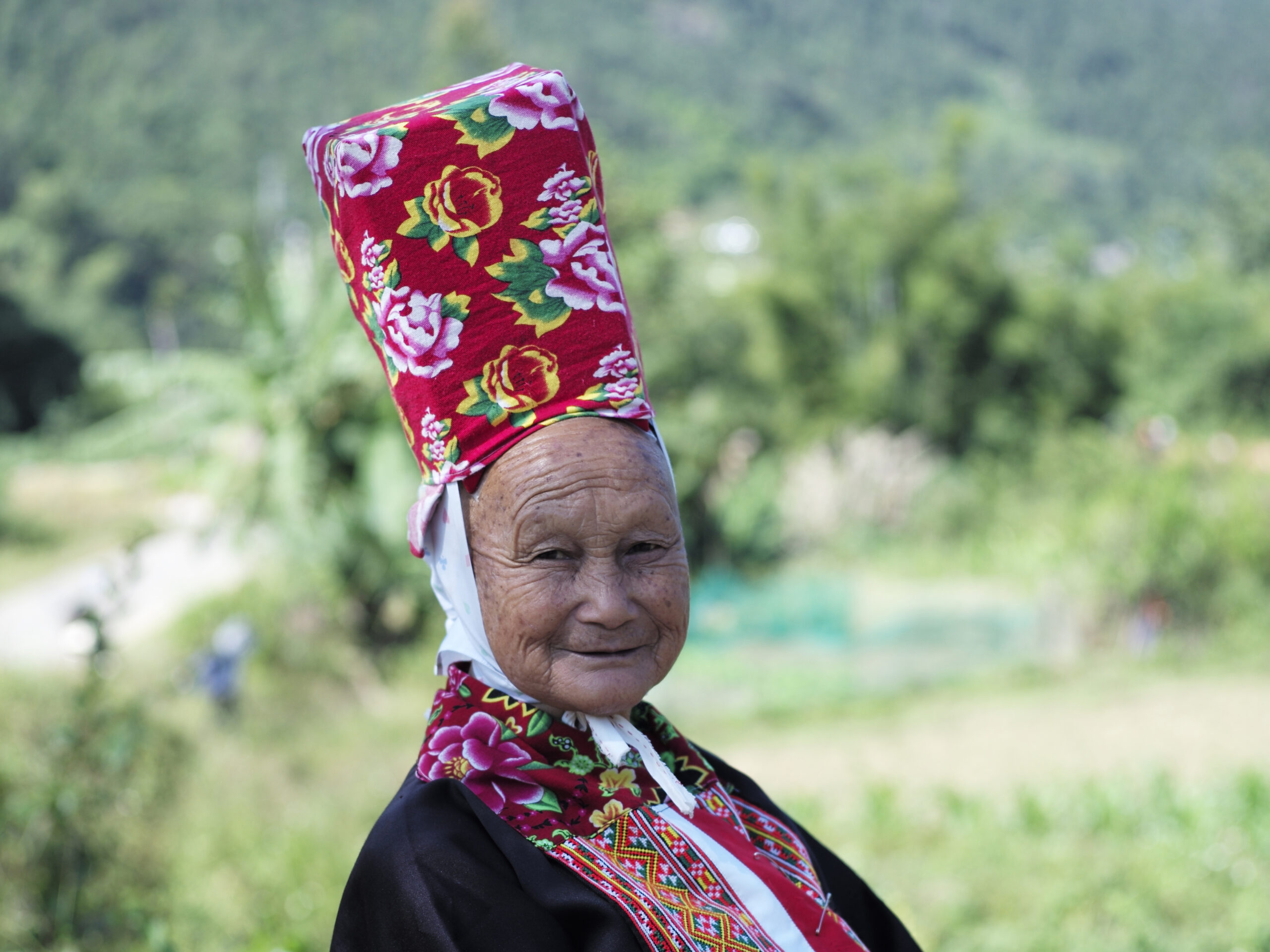
- Strategy: These events are spread out across mountain ridges. Your best images will come from the walk to the festival. People travel for miles in their best traditional dress; capturing them on a mountain path offers a “sense of place” that a crowded festival ground lacks.

4. Technical Field Guide: Mastering the Atmosphere
Festivals in Vietnam present unique technical challenges, specifically dealing with light and smoke.
The Incense Problem
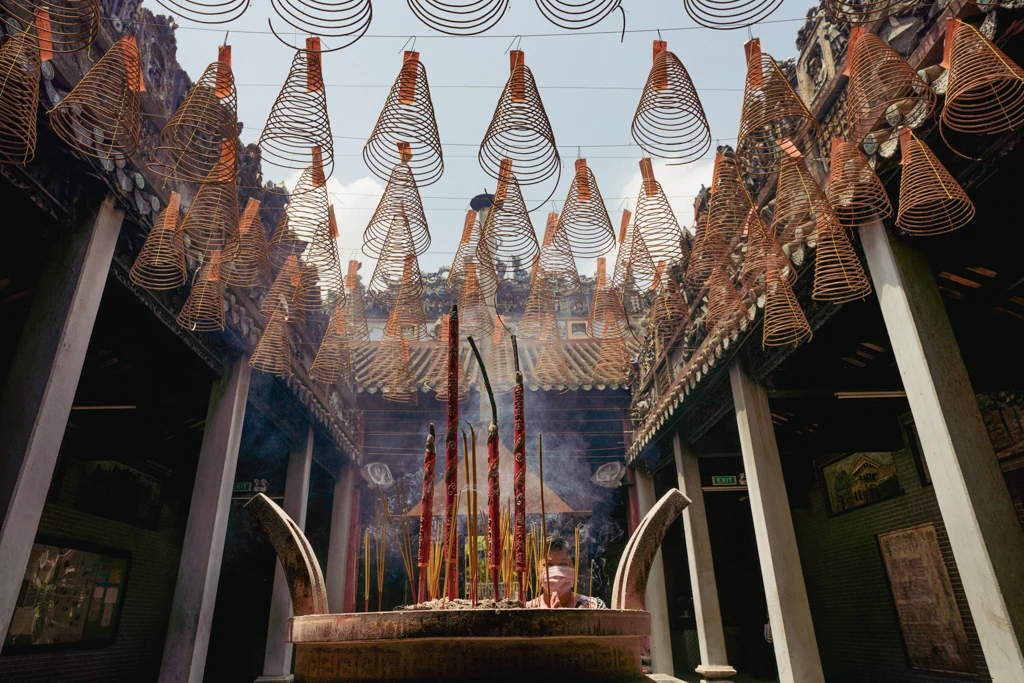
Incense smoke is a double-edged sword: it adds atmosphere but can confuse your camera’s autofocus.
- Exposure: In a smoke-filled temple, your camera will likely underexpose. Overexpose by +0.3 or +0.7 stops to keep the smoke looking white and ethereal rather than a dingy grey.
- Focusing: Use Back-Button Focus and aim for a high-contrast area (like the eyes of a statue or the edge of a pillar) rather than the smoke itself.
Motion Blur vs. Precision
- Lion Dances: To capture the energy of a lion dance, don’t always freeze the frame. Try a Slow Shutter Sync: set your shutter to 1/15s or 1/30s with a flash. The flash will freeze the dancer’s face, while the slow shutter will create a beautiful blur of the colorful lion’s mane, conveying the speed of the performance.
Color Temperature (White Balance)
Festivals are a “clash” of colors—red lanterns, gold statues, and yellow incense.
- Pro Tip: Set your White Balance to “Flash” or “Daylight” (approx. 5500K) and keep it there. If you use Auto White Balance, the camera will try to “neutralize” the beautiful warm glow of the lanterns, stripping away the festive mood.
5. Ethics, Access, and the Photographer’s Code
A festival is a religious or communal event, not a photoshoot. Your behavior dictates the quality of your access.
The “Permission of the Smile”
In a crowded temple, verbal permission is often impossible.
- The Technique: Catch the eye of your subject, lift your camera slightly, and offer a small nod or smile. If they return the nod, you have a “visual contract.” If they look away, move on. Never push your lens into a person’s face while they are in a state of prayer.
Respecting the “Inner Sanctum”
Certain rituals in the “forbidden” areas of the communal house are off-limits to outsiders.
- How to Handle It: If a local guide or an elder tells you “no photos,” respect it immediately without argument. Often, by respecting the “no-photo” rule for the sacred part of the ritual, you will be granted better access for the public part as a sign of mutual respect.
The Cost of a Cliché
Avoid the “poverty tourism” or “orientalist” clichés. Don’t just look for the oldest person in the room. Look for the clash of generations: a teenager in a traditional áo dài checking her iPhone, or a monk using a digital camera. These are the images that tell the true story of Vietnam in 2026.
6. Decision-Making Framework for Festival Planning
| Festival Type | Best Timing | Primary Technical Focus | Key Lens |
| National (Tet) | 7-10 days before | Street/Market documentary | 35mm Prime |
| Local Temple | Sunrise (Opening) | Environmental portraiture | 50mm or 85mm |
| Performance-based | Rehearsal Day | Action/Motion blur | 70-200mm |
| Evening/Lantern | Blue Hour | Low light / Reflections | 24-70mm f/2.8 |
7. Conclusion: The Gift of Patience
Photographing a Vietnamese festival is a marathon, not a sprint. The chaotic images that flood social media are usually the result of being reactive—chasing the noise and the crowds.
The successful documentary photographer is proactive. They arrive early, they scout the balconies, they speak to the elders, and they wait for the “gap” in the crowd. In the end, the most powerful festival images are not those of the masses, but of the individual—the single plume of smoke, the focused gaze of a dancer, or the quiet moment of a family sharing a mooncake. Timing is the tool that allows you to find that silence within the noise.